Artwork
One of Seventeen paintings of domestic servants and tradesmen
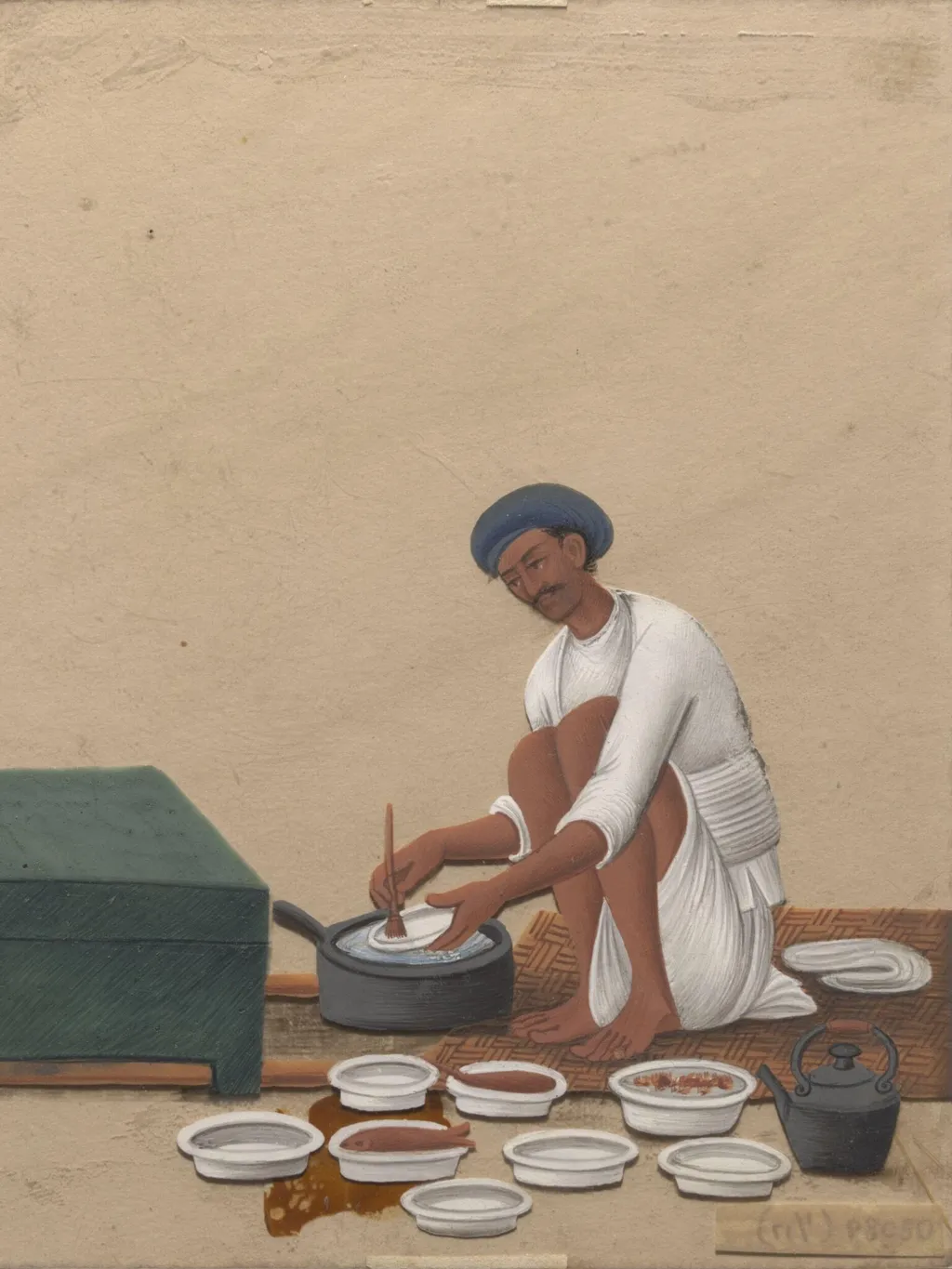
One of Seventeen paintings of domestic servants and tradesmen is a paint painting by the Impressionist artist Unknown. It dates from 1850 and is held in the collection of the Victoria and Albert Museum. This painting is one of seventeen works depicting laborers and artisans in domestic or occupational settings.
About this work
Overview
This painting is one of seventeen works depicting laborers and artisans in domestic or occupational settings. It portrays a solitary figure engaged in a quiet, repetitive task, rendered with minimal detail and vivid, unmodulated colors. The composition lacks ornamental flourish, emphasizing the immediacy of the moment rather than idealized representation.
Subject & Meaning
The figure, dressed in a white robe and blue cap, kneels before a black pot, stirring a mixture with a long stick. Surrounding him are small bowls containing red and white substances, possibly ingredients for food or dye. The presence of a green trunk and a small kettle suggests a functional, lived-in space. The scene captures an unremarkable labor moment, valuing quiet diligence over grandeur.
Technique & Style
The painting employs flat planes of color and simplified forms, avoiding chiaroscuro or fine detailing. Brushwork appears loose and rapid, suggesting a sketch-like approach. The lack of atmospheric perspective and the emphasis on bold outlines give the image a tactile, almost graphic quality, aligning it with observational studies rather than finished compositions.
History & Provenance
The work belongs to a series of seventeen similar depictions of working-class individuals, likely created in the same period. Its origin and early ownership are undocumented, but its style and subject align with 17th-century Dutch genre painting traditions. It entered institutional collection through later acquisition, with no known record of prior private ownership.
Context
During the 17th century, Dutch artists increasingly turned to scenes of everyday labor, reflecting broader societal interest in domestic life and artisanal trades. This painting fits within that trend, offering a quiet counterpoint to religious or aristocratic subjects. It reflects a cultural shift toward valuing ordinary experience as worthy of artistic attention.
Legacy
Though not widely exhibited, this painting contributes to a broader understanding of how ordinary labor was visually recorded in early modern Europe. Its unembellished style influenced later realist traditions, and its focus on mundane tasks continues to resonate in collections emphasizing social history over heroic narrative.
Artist & collection

 Domestic Scene
 Giacomo and Cardinal Marco, investing Andrea, Abbot of San Zeno, with his Benefice
 The Nymph of Fontainebleau
 Portrait of a Woman
 Madonna and Child with Saints in the Enclosed Garden
 Venus and Minerva
 Family Group of Four on Sofa
 Wall painting from Room H of the Villa of P. Fannius Synistor at Boscoreale
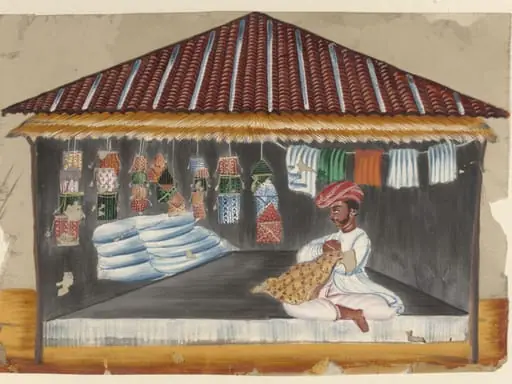 One of eleven paintings depicting craftsmen and their shops.
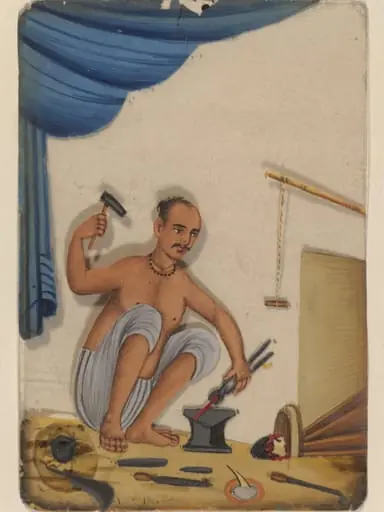 One of forty paintings illustrating modes of transport, occupations, entertainers, ascetics and Muharram subjects.
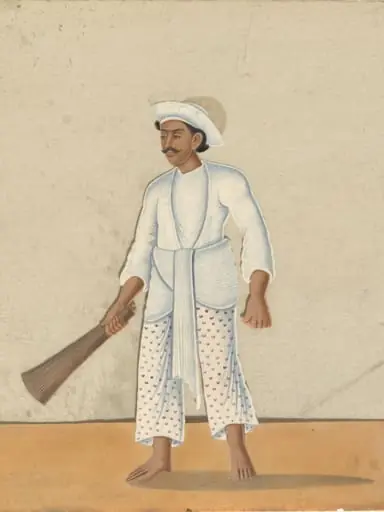 One of eighteen paintings of trades and domestic servants.
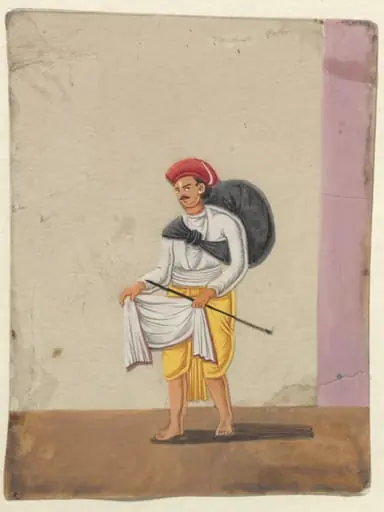 One of seventeen paintings of occupations, especially domestic servants.
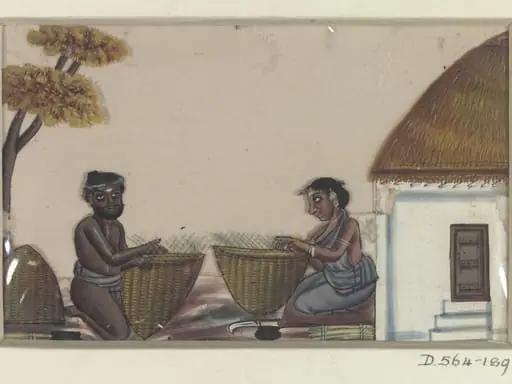 One of twenty-two paintings depicting occupations, methods of transport and local monuments.
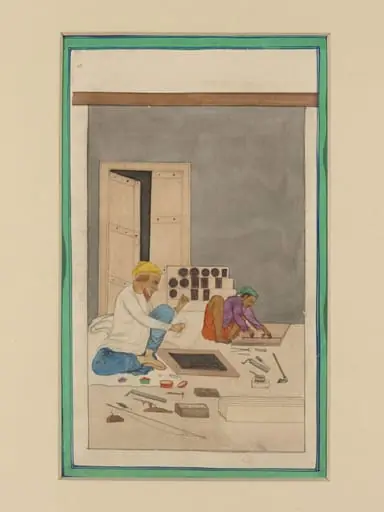 One of three drawings of Indian craftsmen.