Artwork
Porträt der Maria Luisa of Parma (1751-1819)
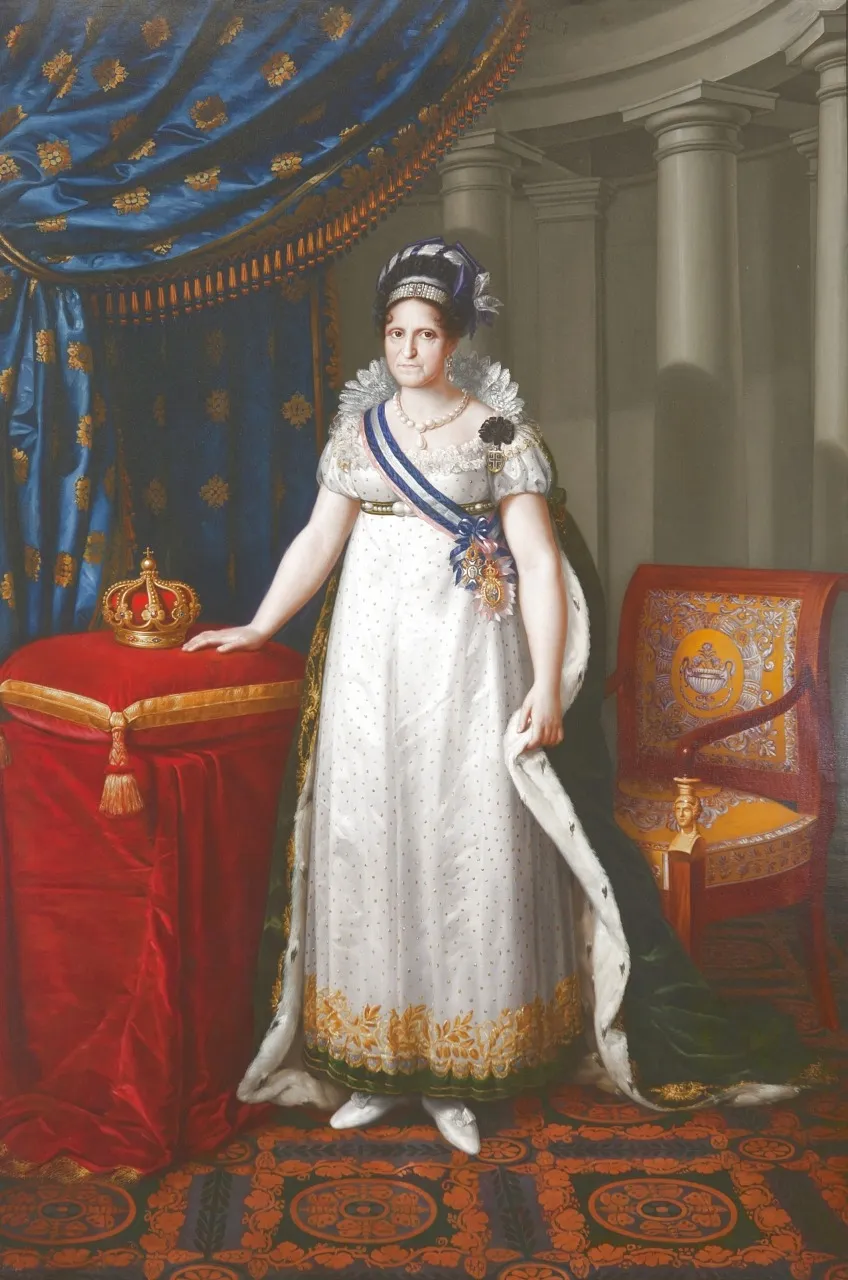
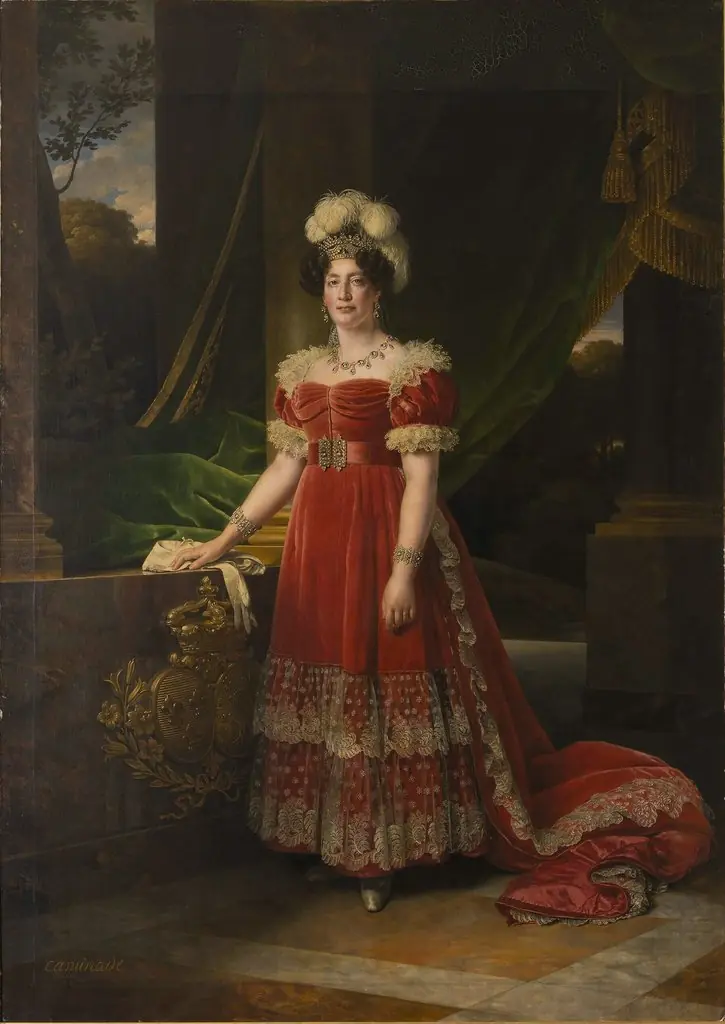
Porträt der Maria Luisa of Parma (1751-1819) is an oil painting by Unknown. It dates from 1818 and is held in the collection of the Palace of Caserta. This oil painting presents Maria Luisa of Parma, queen consort of Spain, in a formal seated pose.
About this work
Overview
The interior setting includes a red table, patterned carpet, and a blue curtain, framing her with quiet opulence.
This oil painting presents Maria Luisa of Parma, queen consort of Spain, in a formal seated pose. Dressed in a white gown adorned with gold embroidery and floral motifs, she holds the regalia of her status: a crown, a sash with a blue ribbon, and a gold medal. The interior setting includes a red table, patterned carpet, and a blue curtain, framing her with quiet opulence. The composition emphasizes dignity over theatricality, typical of late 18th-century court portraiture.
Subject & Meaning
Maria Luisa is depicted not as a private individual but as a symbol of royal authority. Her attire and accessories—crown, sash, medal—signal her position as queen and her ties to dynastic power. The restrained setting avoids overt symbolism, focusing instead on her presence and composure. The portrait affirms her role within the Spanish court, where visual representation reinforced political legitimacy and social hierarchy.
Technique & Style
The painting employs soft modeling of form and subtle gradations of light to define volume, particularly in the folds of the dress and the texture of the sash. Delicate brushwork renders the floral patterns and metallic accents with precision. While chiaroscuro is present, it is muted, serving to enhance realism rather than create dramatic contrast. The palette remains restrained, favoring white, gold, and deep red to convey elegance without excess.
History & Provenance
Commissioned during Maria Luisa’s tenure as queen of Spain (1788–1808), the portrait likely originated in the Spanish royal court. It may have been intended for public display or private royal collections. After her exile following Napoleon’s invasion, the painting’s movements are undocumented until its inclusion in a public or institutional collection, where it remains today.
Context
Painted in the final decades of the 18th century, the work reflects the transition from Rococo ornamentation to Neoclassical restraint in European portraiture. While retaining elements of courtly grandeur, it avoids the flamboyance of earlier styles. Maria Luisa’s image was part of a broader effort by the Spanish monarchy to project stability and continuity amid political upheaval and foreign threats.
Legacy
The portrait stands as a documented representation of a queen whose reign was overshadowed by political turmoil. It preserves the visual language of Spanish royalty at a moment of decline, offering insight into how monarchy sought to maintain authority through imagery. Though not widely reproduced, it remains a key example of court portraiture from a turbulent historical period.
Artist & collection

 Domestic Scene
 Giacomo and Cardinal Marco, investing Andrea, Abbot of San Zeno, with his Benefice
 The Nymph of Fontainebleau
 Portrait of a Woman
 Madonna and Child with Saints in the Enclosed Garden
 Venus and Minerva
 Family Group of Four on Sofa
 Wall painting from Room H of the Villa of P. Fannius Synistor at Boscoreale
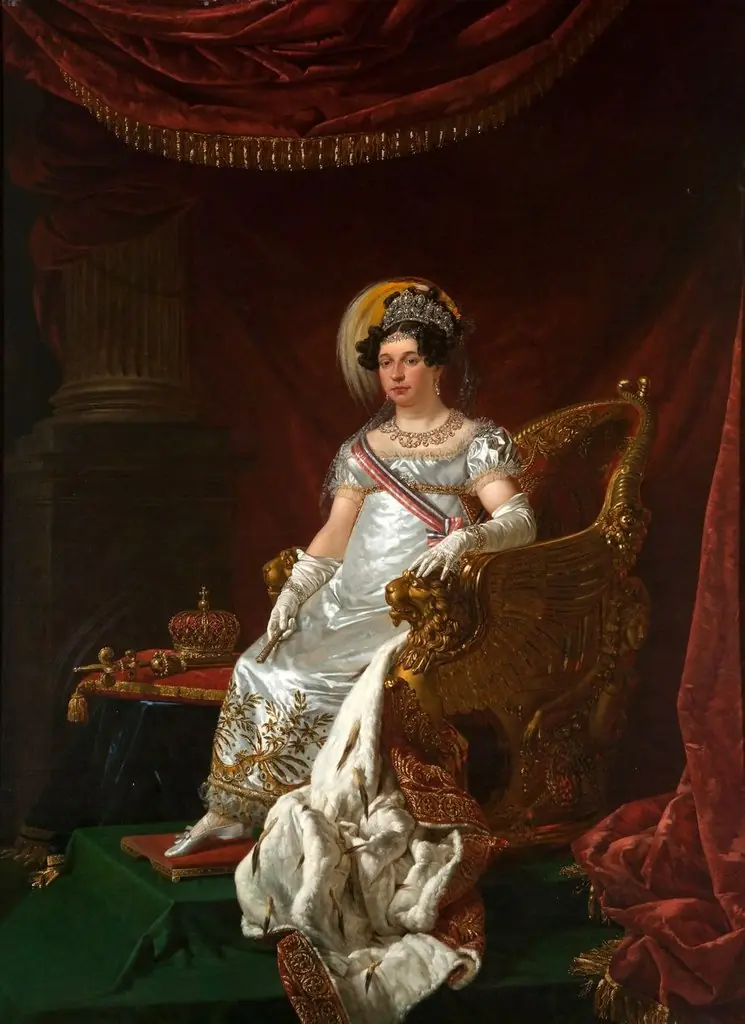 María Isabella of Spain (1789-1848)
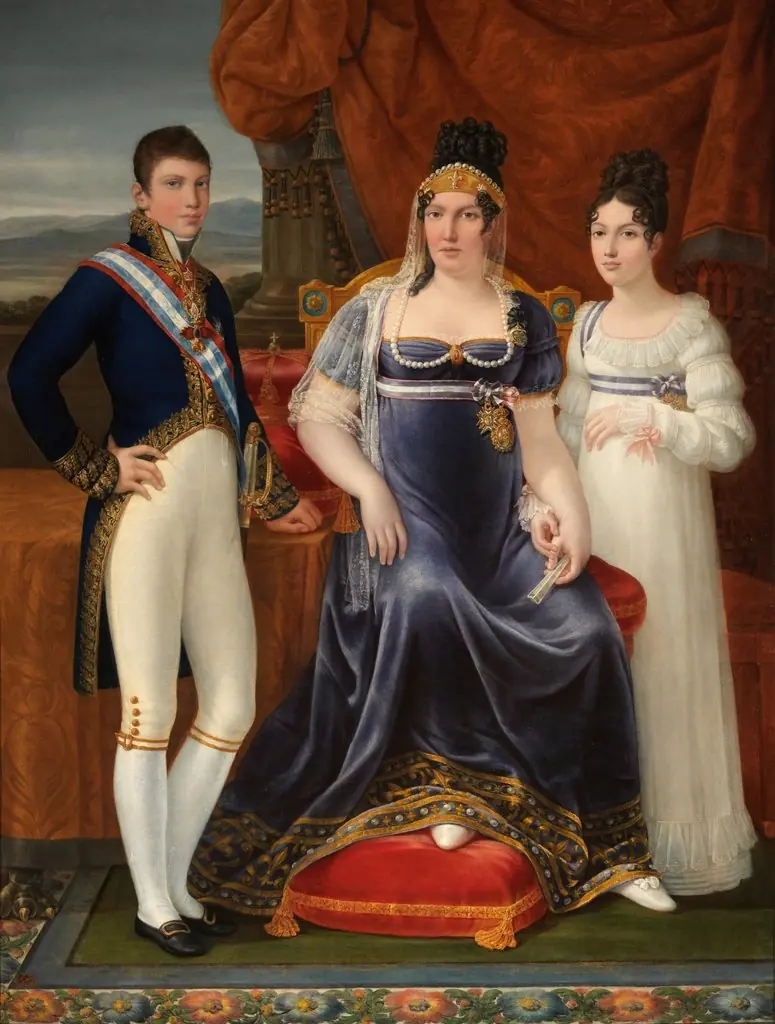 The Queen of Etruria and her Children
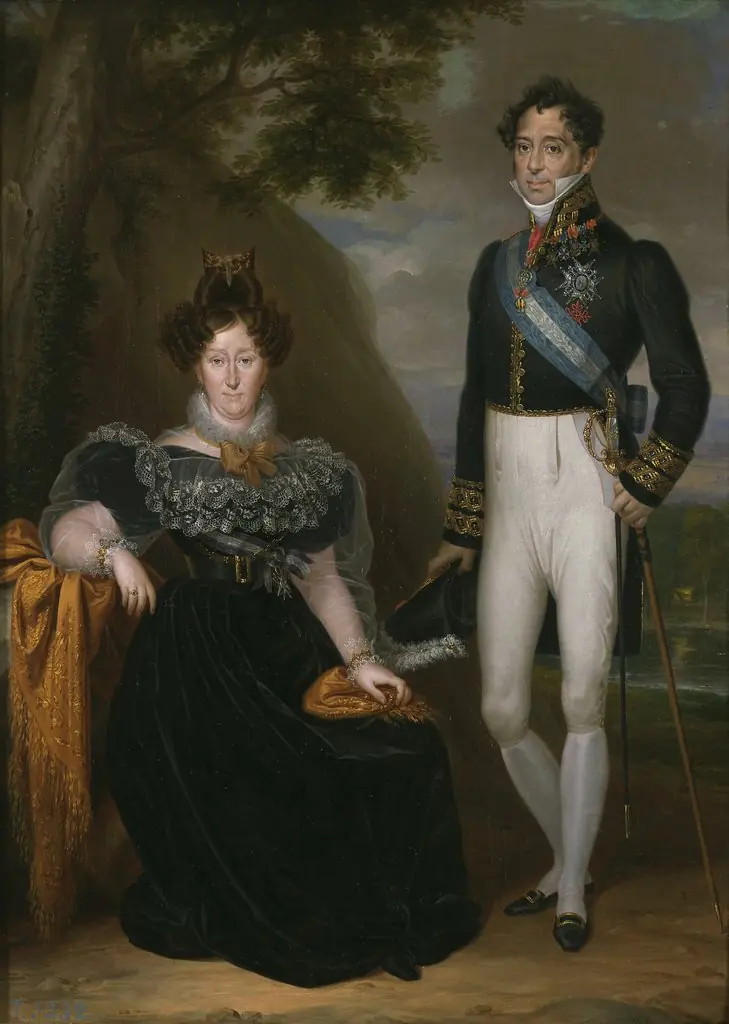 The Duke and Duchess of San Fernando de Quiroga
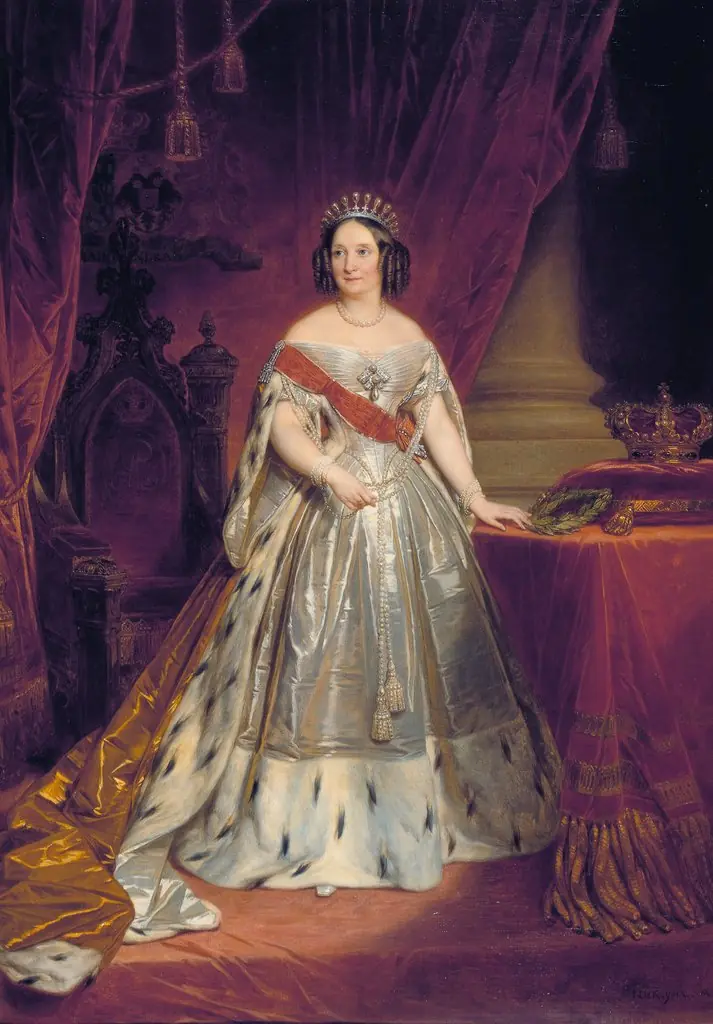 Portrait of Grand Princess Anna Pavlovna
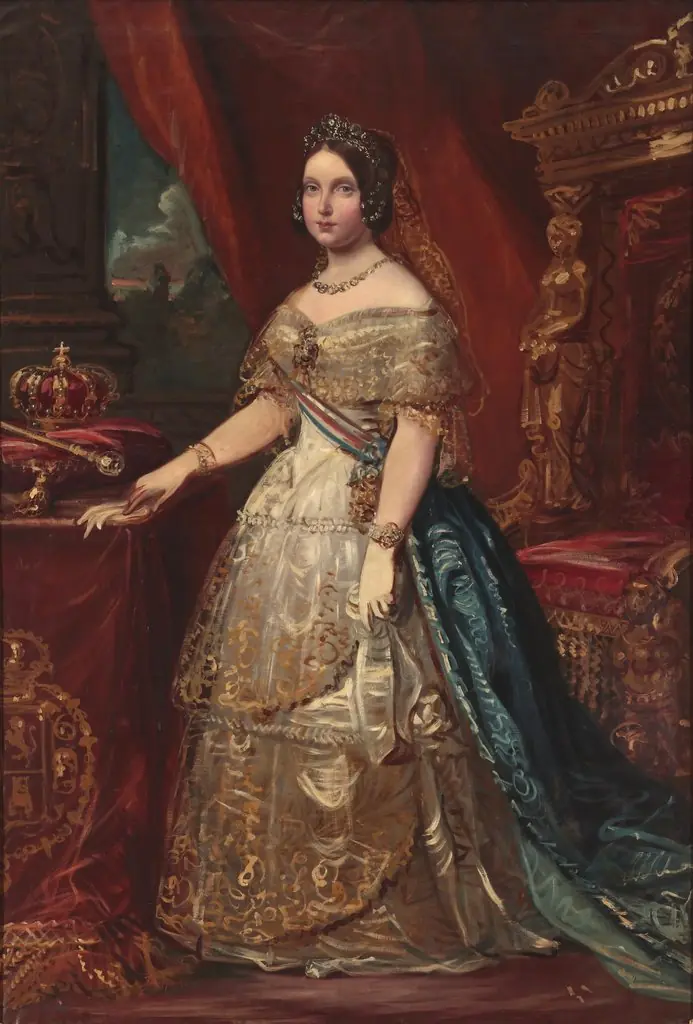 Isabel II
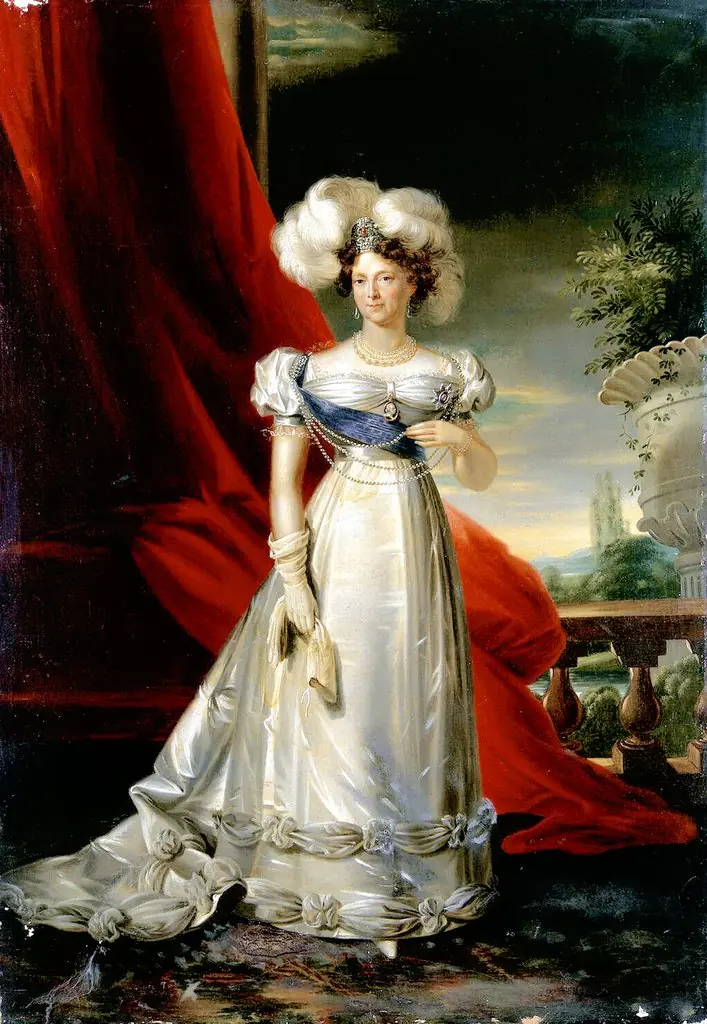 Portrait of the Empress Dowager Maria Feodorovna
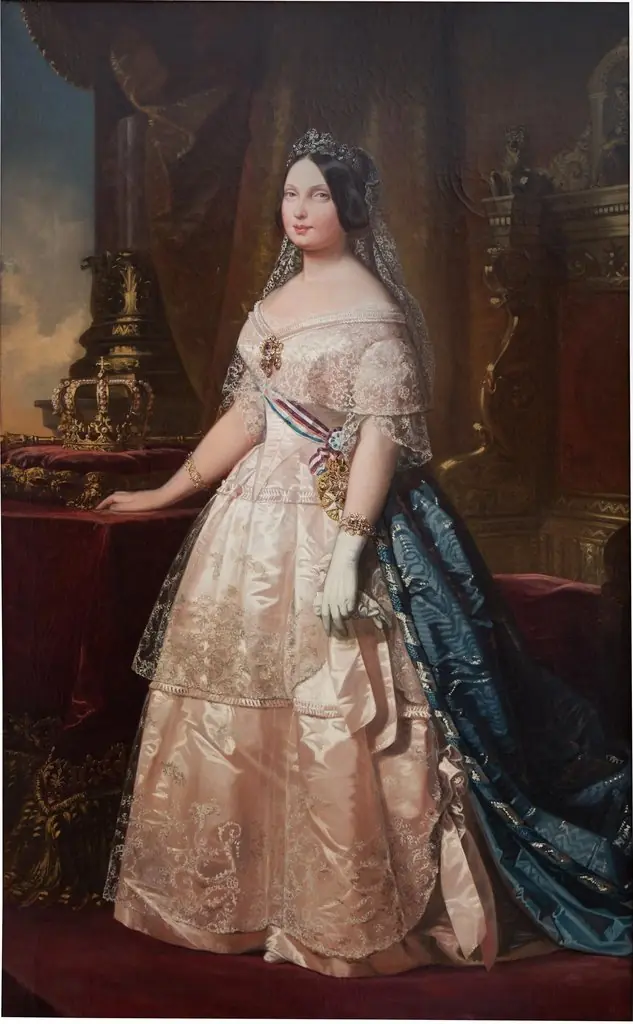 Isabel II
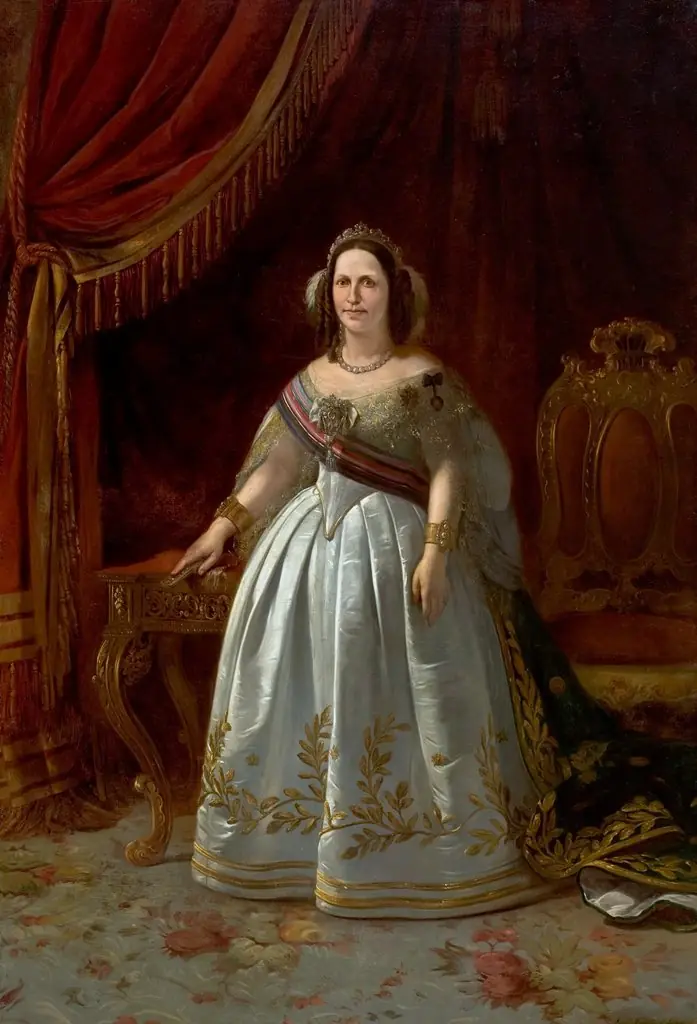 Portrait of Teresa Cristina of the Two Sicilies
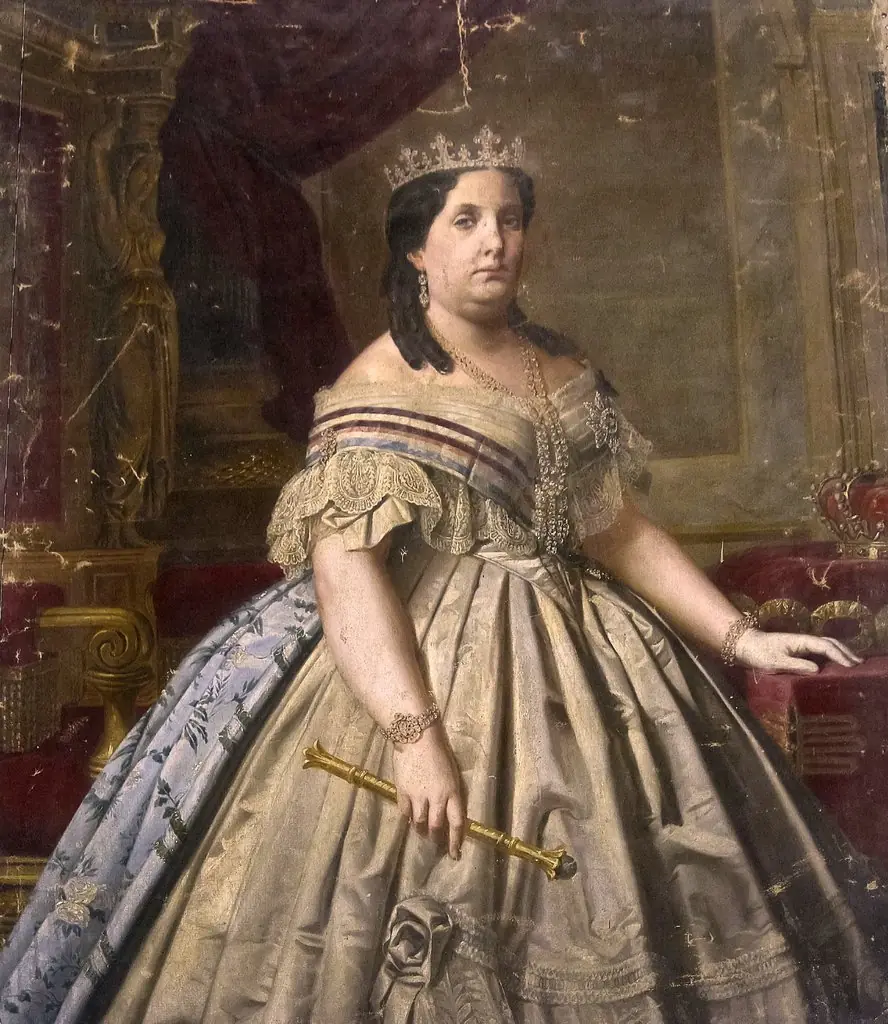 Isabel II reina de España
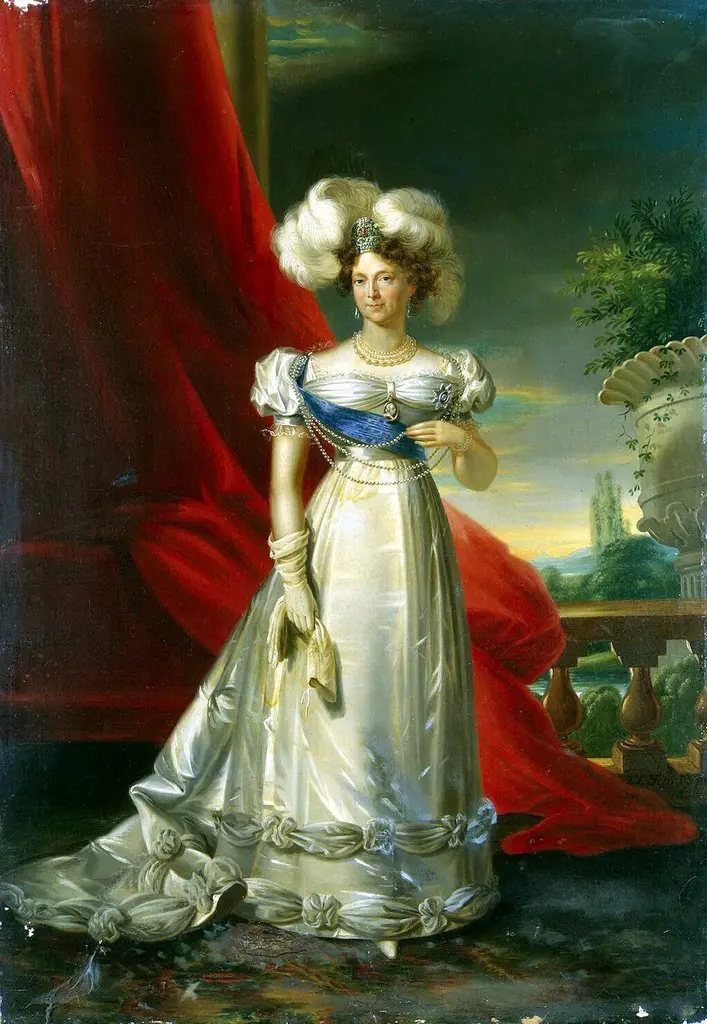 Portrait of Empress Maria Fiodorovna
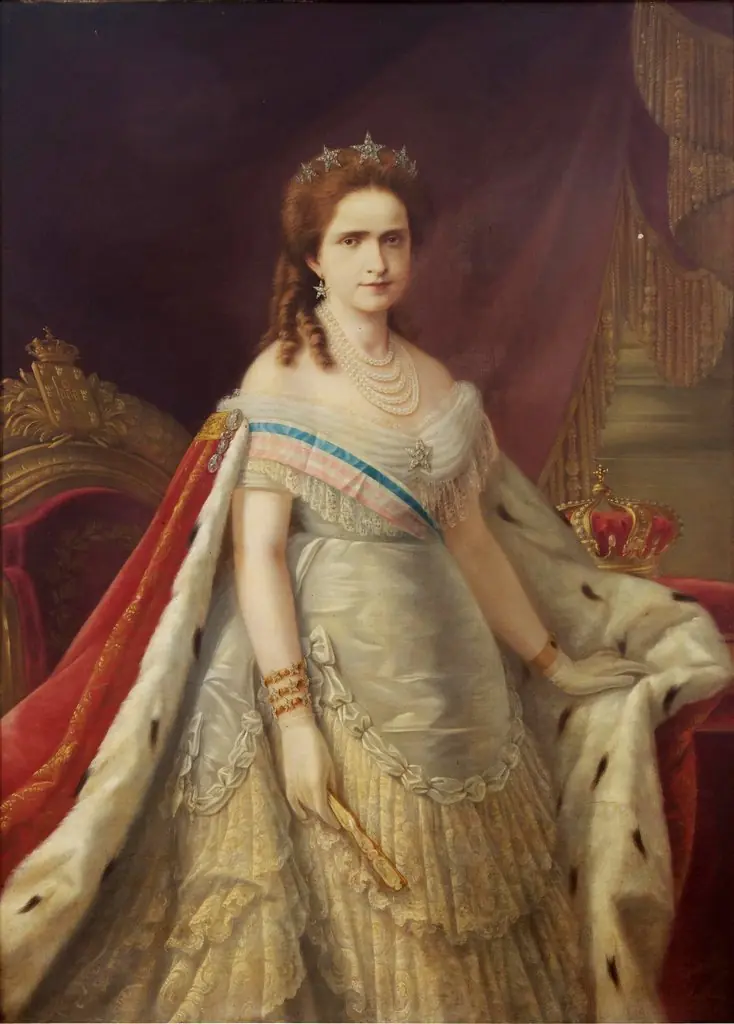 María Pía de Saboya reina de Portugal
 Portrait of Marie Thérèse of France, Duchess of Angoulême (1778-1851)