Artwork
Portrait of a thin-faced man
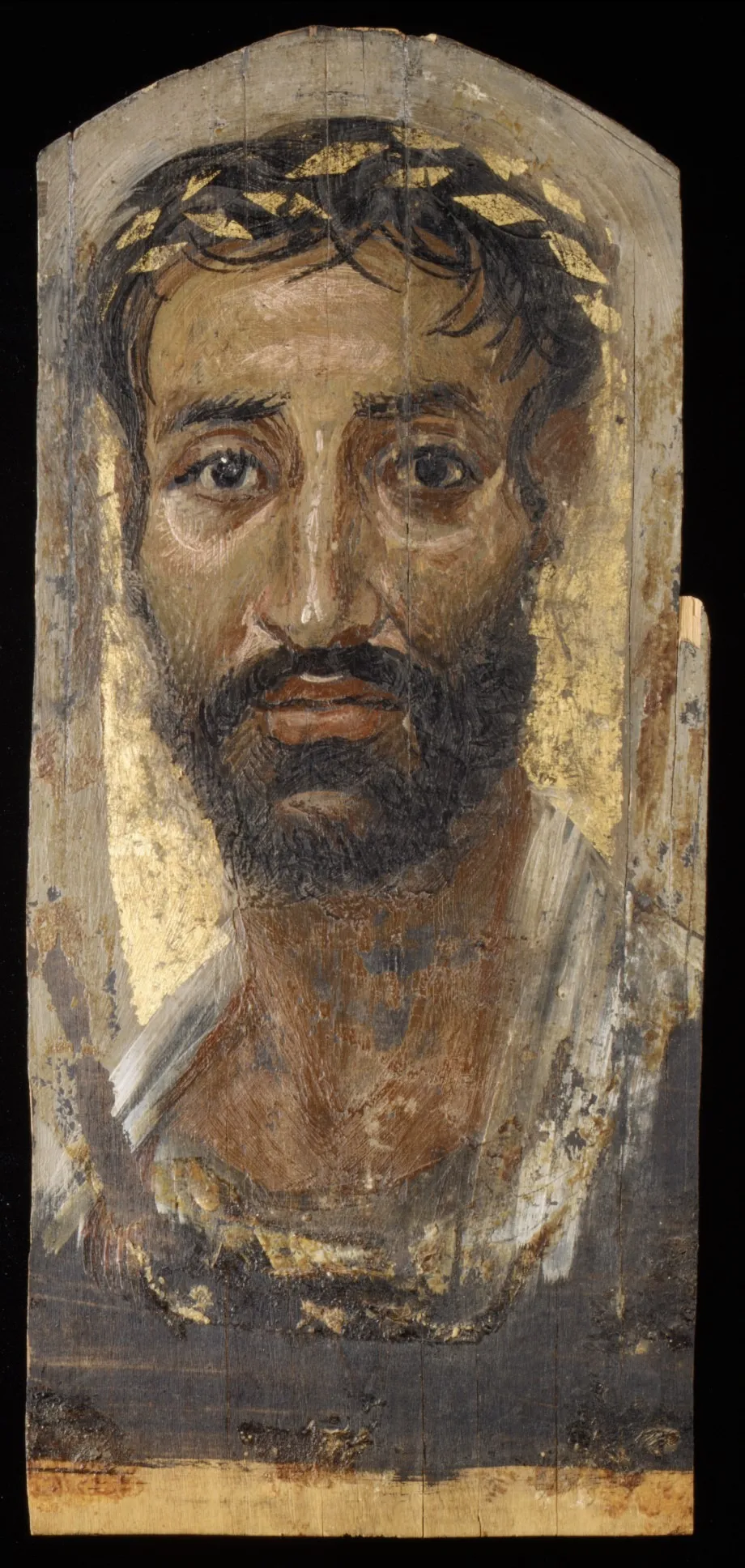
Portrait of a thin-faced man is an unspecified painting by Unknown. It dates from 1850 and is held in the collection of the Metropolitan Museum of Art. This portrait depicts a man with a slender face, dark hair, and a beard, dressed in a light draped garment.
About this work
Overview
This portrait depicts a man with a slender face, dark hair, and a beard, dressed in a light draped garment. The warm golden background contrasts subtly with his pale skin, drawing attention to his face. His downward gaze and still posture suggest inward reflection. The composition is tightly focused, eliminating distractions to emphasize the subject’s presence and mood.
Subject & Meaning
His attire, simple and unadorned, avoids indicators of status or profession, inviting interpretation as a study of inner life.
The man’s serious expression and averted eyes convey a sense of quiet contemplation rather than outward engagement. His attire, simple and unadorned, avoids indicators of status or profession, inviting interpretation as a study of inner life. The painting does not narrate a specific identity but instead captures a moment of private thought, common in portraits of the period that valued psychological depth.
Technique & Style
The face is rendered with careful gradations of tone, creating soft transitions between light and shadow. This subtle modeling, reminiscent of sfumato, avoids harsh lines and gives the skin a lifelike, atmospheric quality. The background is uniformly warm but not detailed, allowing the figure to emerge with quiet authority through tonal harmony rather than sharp contrast.
History & Provenance
The painting’s origin is undocumented in public records, and its creator remains unidentified. It lacks inscriptions or known collection histories prior to modern cataloging. Its style suggests a late Renaissance or early Baroque origin, possibly from Italy or the Low Countries, but no definitive attribution has been established.
Context
During the 16th and early 17th centuries, portraits increasingly emphasized psychological nuance over social display. Artists in Italy and Northern Europe experimented with lighting and expression to evoke inner states. This work aligns with that trend, reflecting a broader cultural interest in individual introspection beyond religious or aristocratic themes.
Legacy
Though not attributed to a major artist, the painting exemplifies a widespread artistic approach of its time: the quiet, intimate portrait as a vehicle for human presence. It contributes to the understanding of how non-elite subjects were rendered with dignity and psychological subtlety, influencing later traditions of character study in Western portraiture.
Artist & collection

 Domestic Scene
 Giacomo and Cardinal Marco, investing Andrea, Abbot of San Zeno, with his Benefice
 The Nymph of Fontainebleau
 Portrait of a Woman
 Madonna and Child with Saints in the Enclosed Garden
 Venus and Minerva
 Family Group of Four on Sofa
 Wall painting from Room H of the Villa of P. Fannius Synistor at Boscoreale
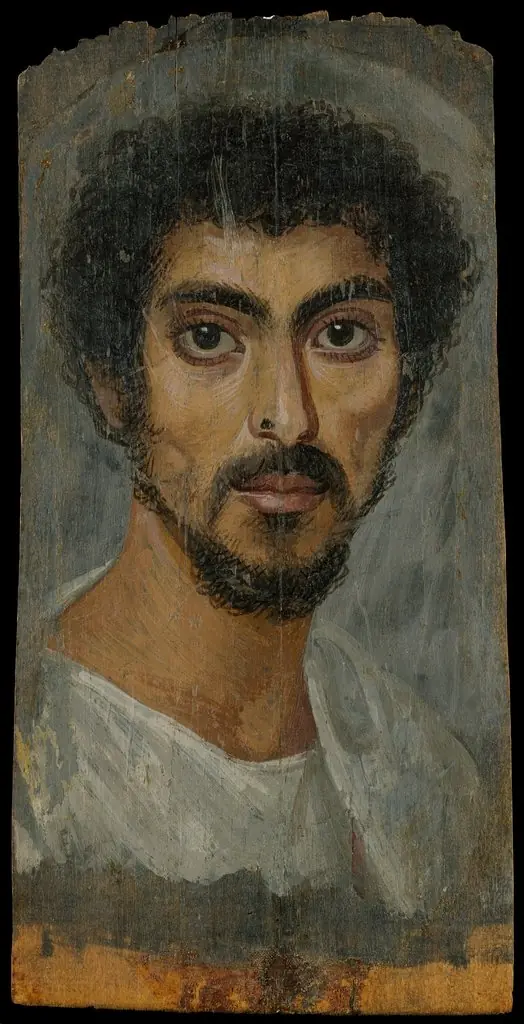 Portrait of a man with a mole on his nose
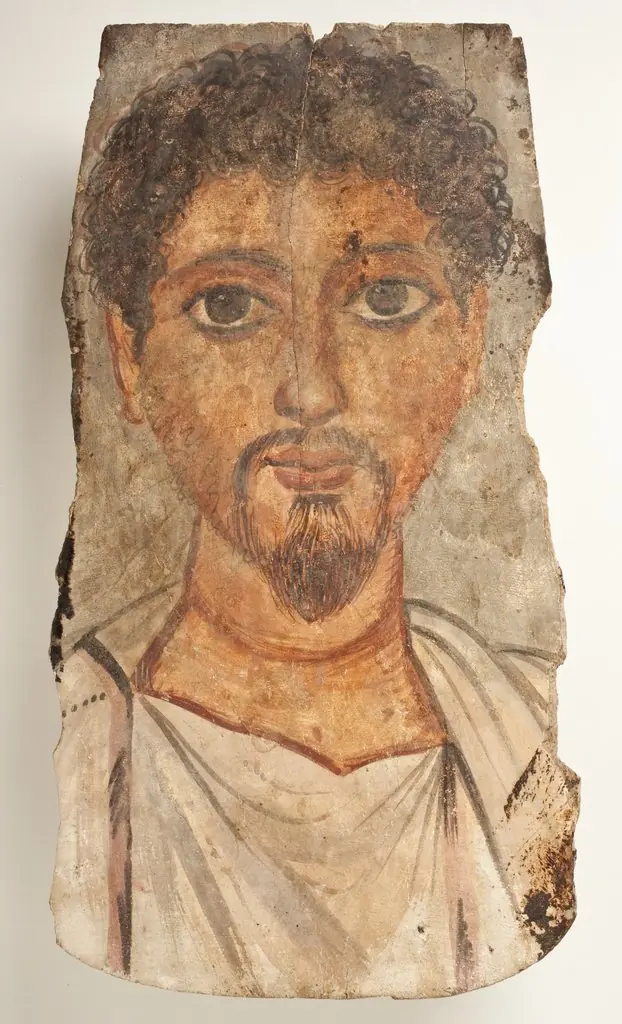 Funerary Portrait
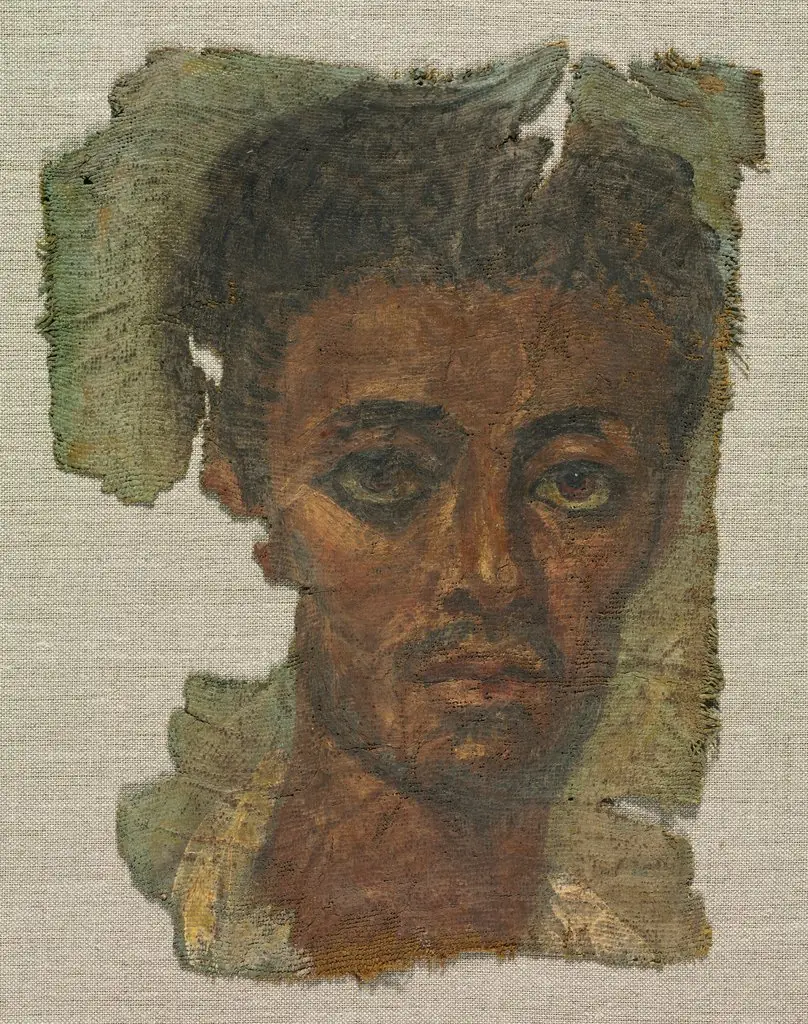 Funerary Panel of a Man
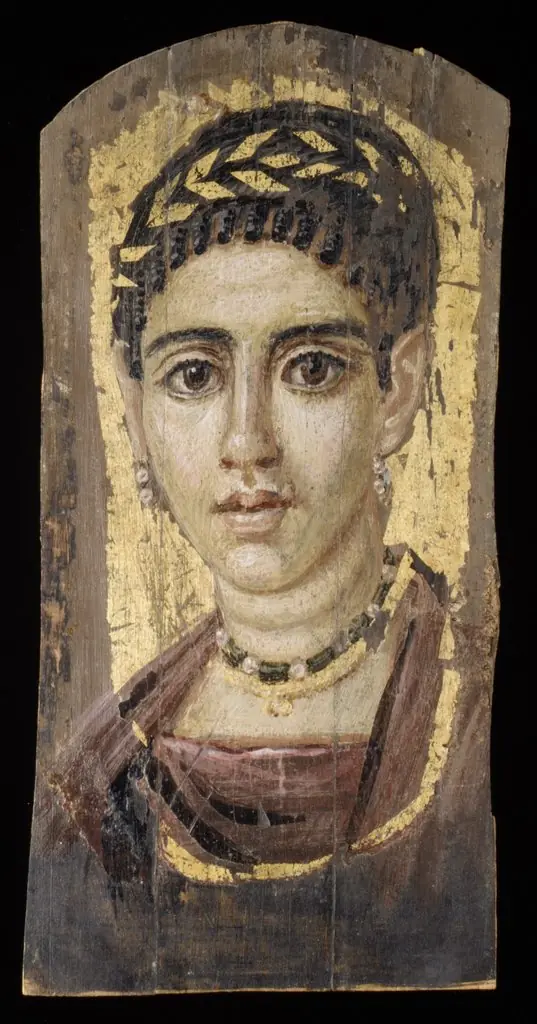 Portrait of a young woman with a gilded wreath
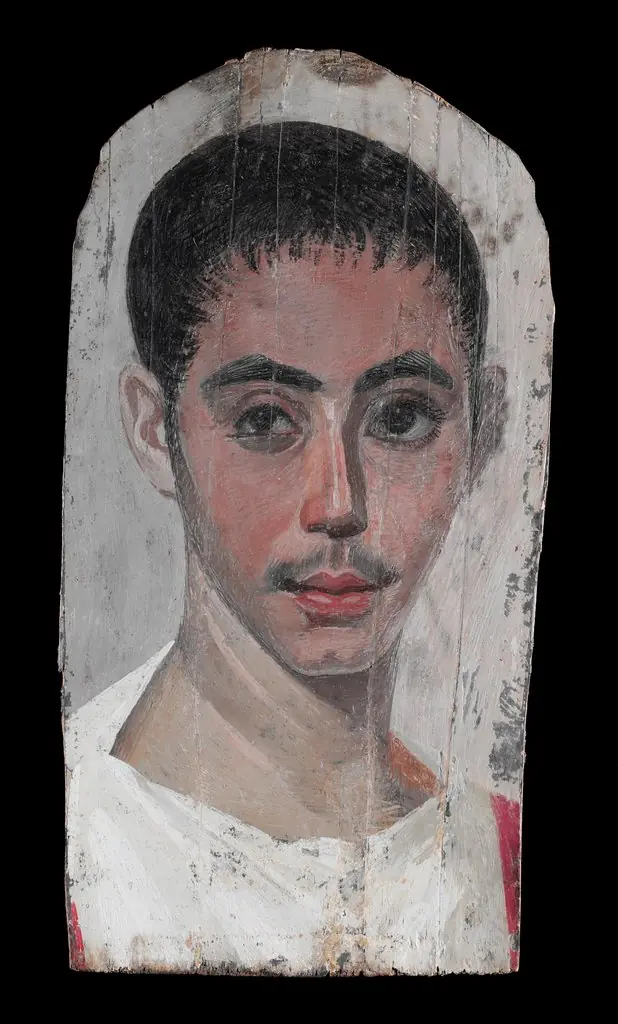 Portrait of a Youth with a Surgical Cut in one Eye
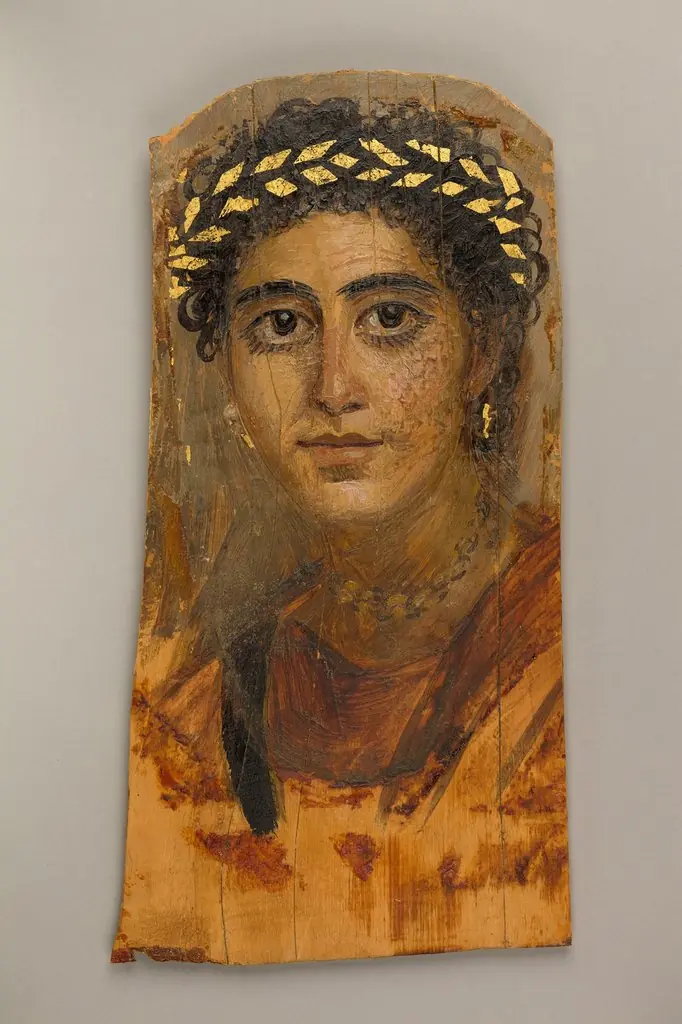 Portrait of a young woman in red
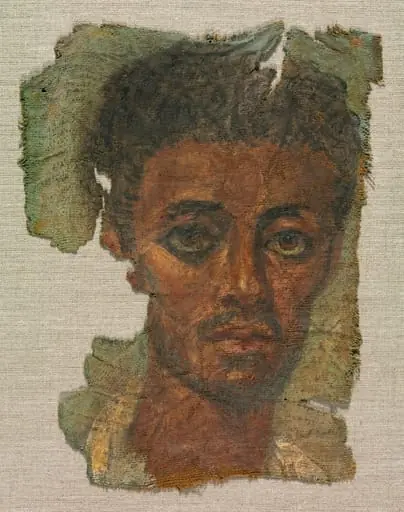 Funerary Panel of a Man
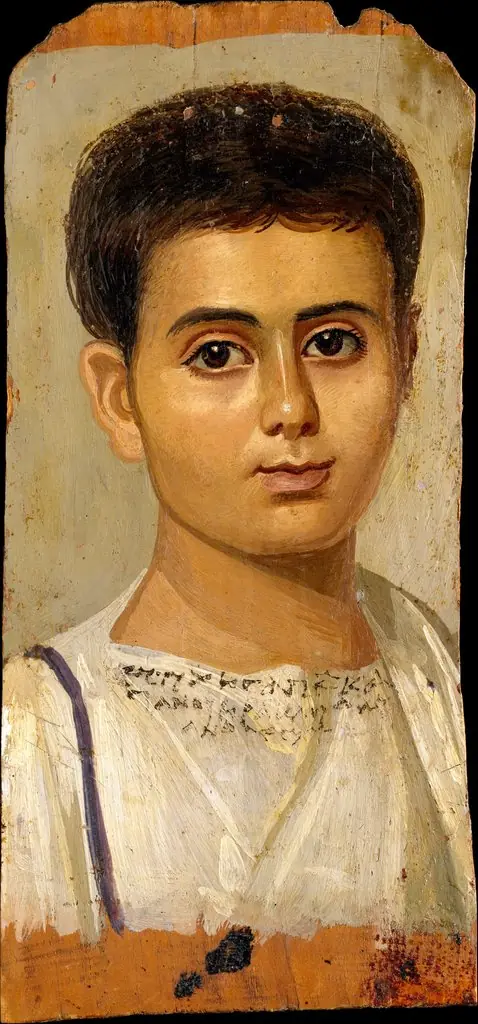 Portrait of the Boy Eutyches
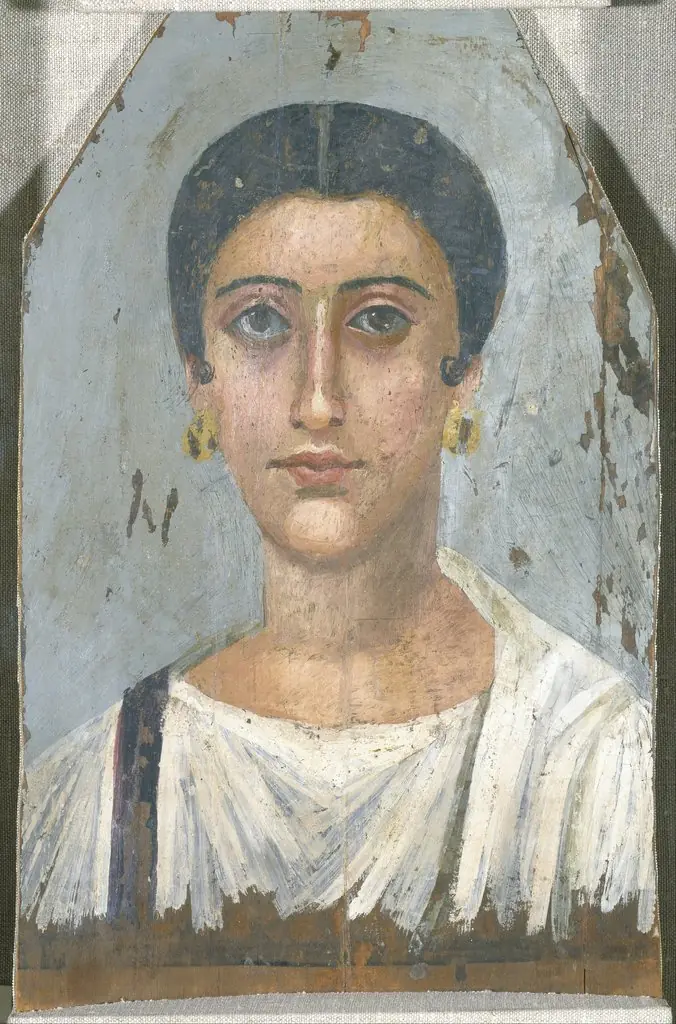 Portrait of a Noblewoman
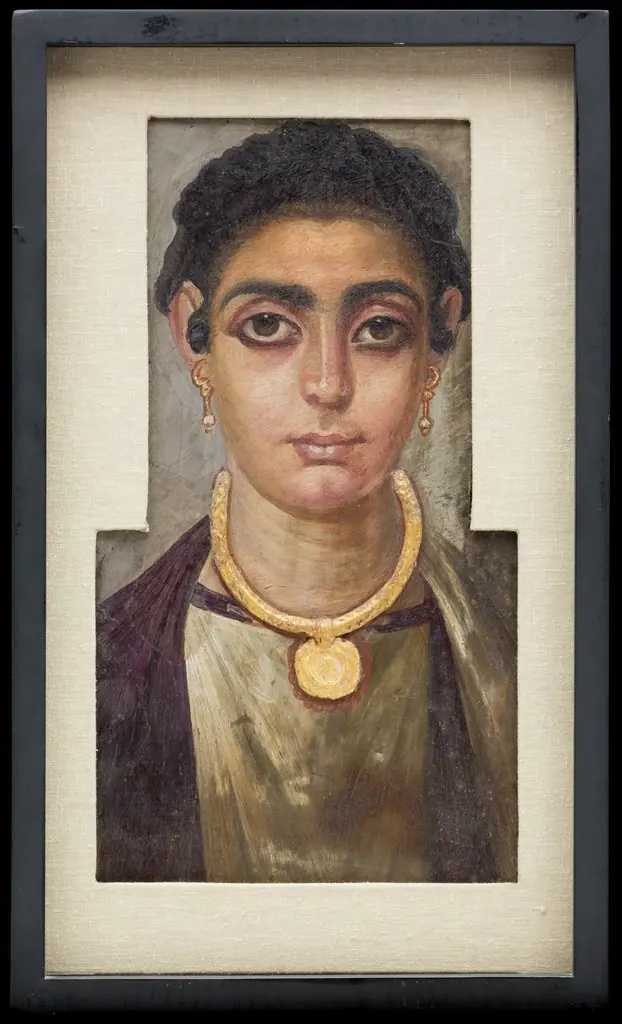 Head of a Woman
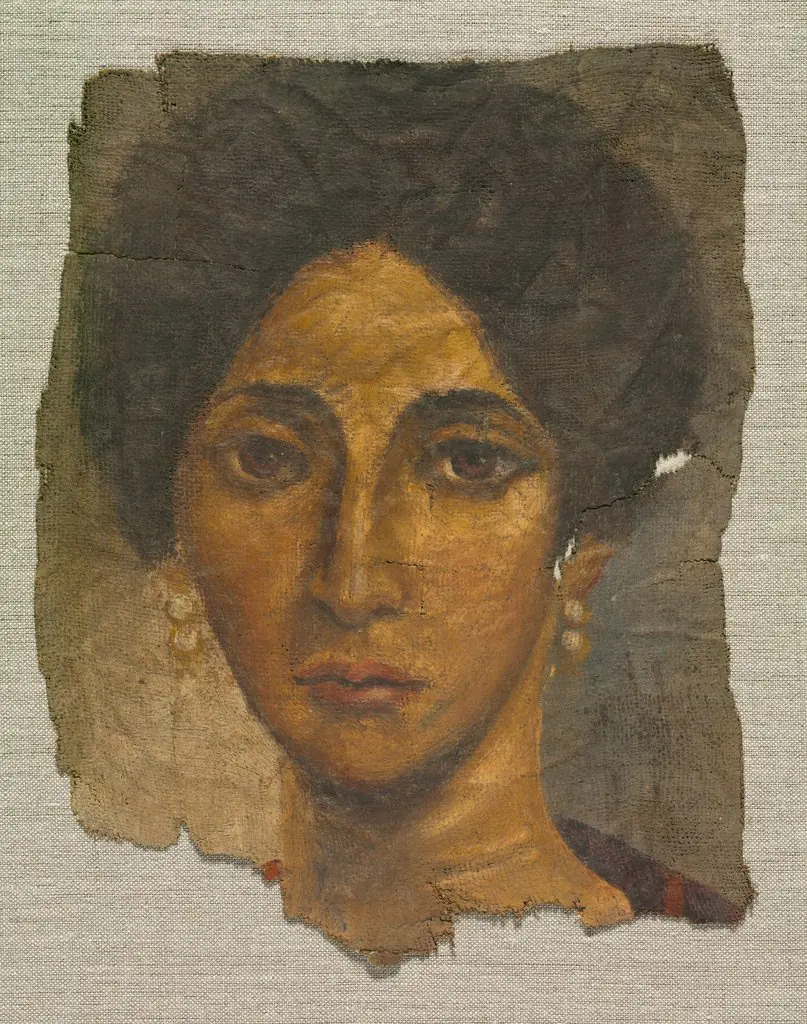 Funerary Portrait of a Woman
 Portrait of a Woman