Artwork
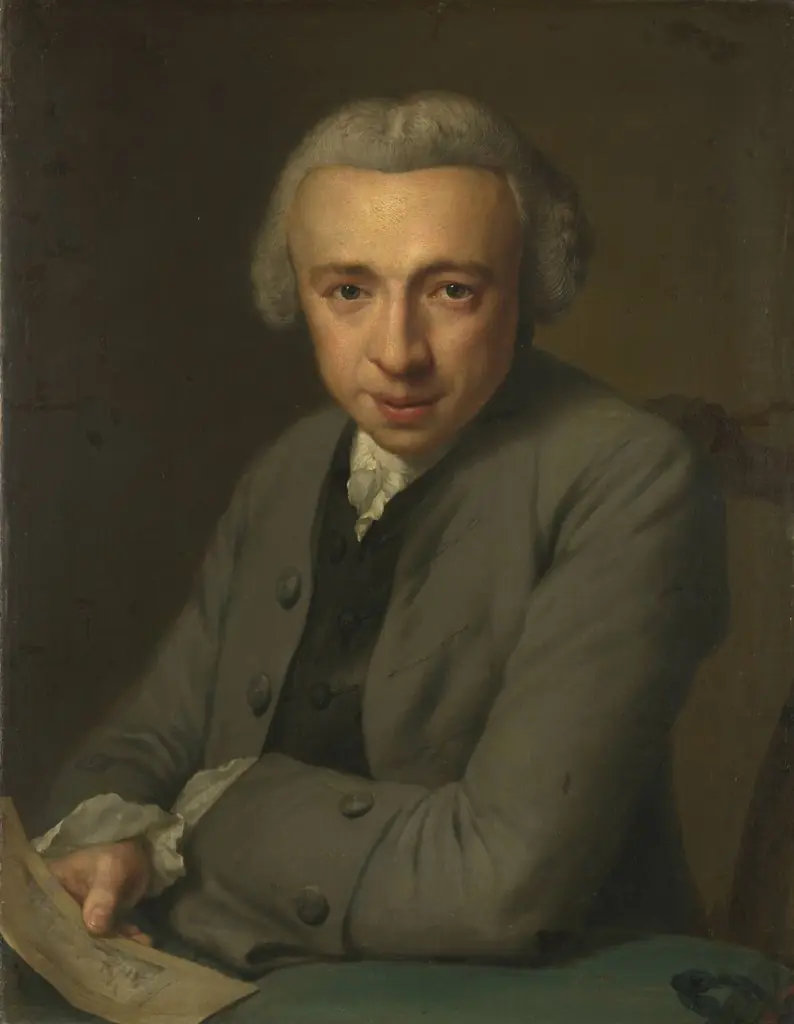
Portrait of Louis Métayer Phz., Goldsmith and Art Collector
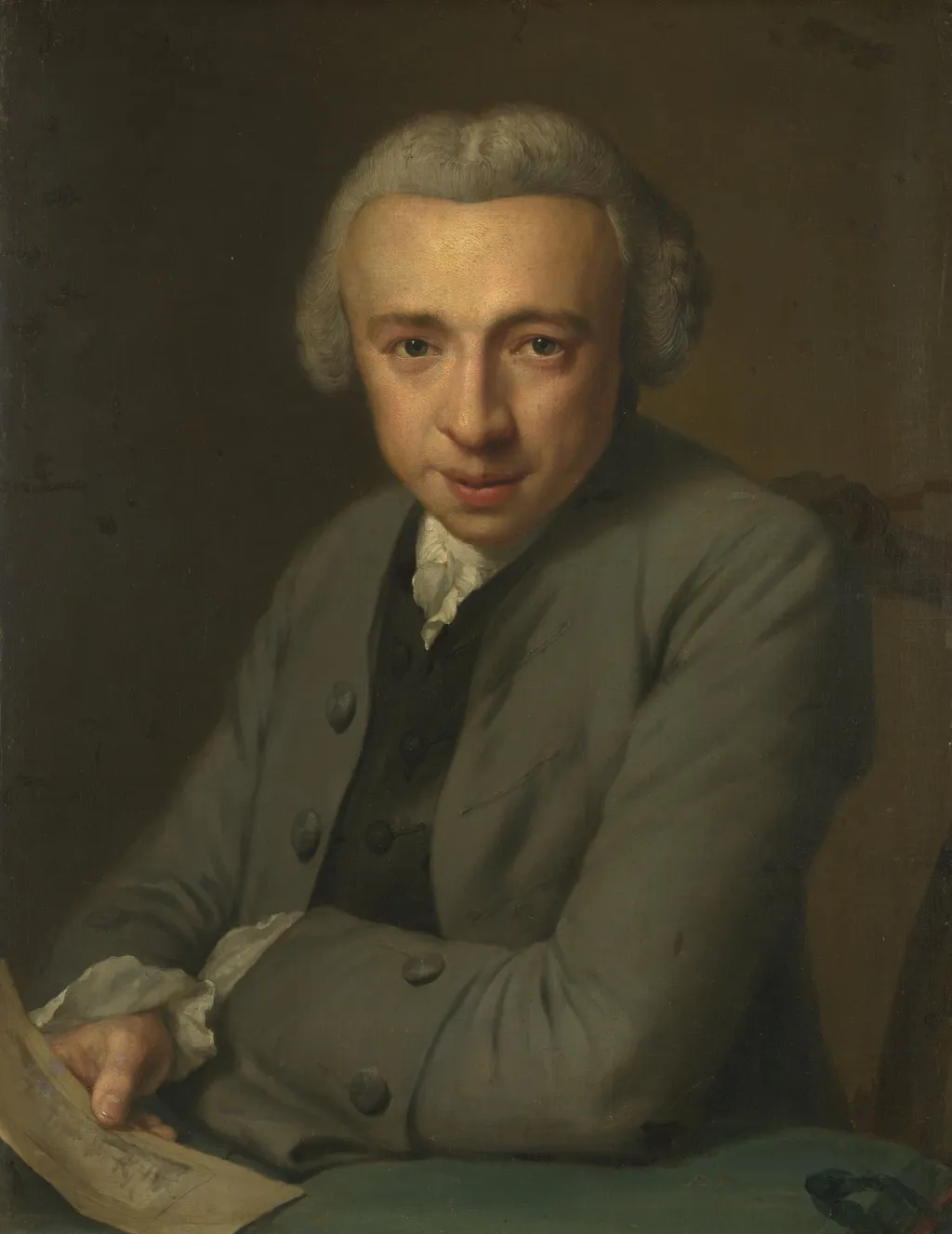
Portrait of Louis Métayer Phz., Goldsmith and Art Collector is an unspecified painting by the Rococo painting artist Unknown. It dates from 1759 and is held in the collection of the Rijksmuseum.
About this work
Overview
This portrait depicts Louis Métayer, an 18th-century Amsterdam goldsmith and art collector, seated at a table and holding a drawing in his right hand.
This portrait depicts Louis Métayer, an 18th-century Amsterdam goldsmith and art collector, seated at a table and holding a drawing in his right hand. Painted in a restrained, intimate style, it was designed as a pendant to another portrait now held in the same collection. The composition emphasizes stillness and quiet dignity, with minimal background detail to focus attention on the sitter’s presence and gesture.
Subject & Meaning
Louis Métayer is portrayed not as a nobleman but as a cultivated artisan and connoisseur. His hold on a drawing suggests intellectual engagement, aligning him with the world of art and design rather than mere wealth. The absence of ostentatious symbols—no tools, no trophies—points to a personal, introspective identity, reflecting the values of Amsterdam’s mercantile elite who prized discretion and refined taste.
Technique & Style
The painting employs subtle chiaroscuro to model the sitter’s face and hands, with soft light falling across his cravat and the drawn object he holds. Brushwork is precise yet unobtrusive, avoiding theatricality. The dark coat and muted tones contrast with the pale linen of his neckwear, grounding the figure in realism. The plain wall behind him eliminates distraction, reinforcing the portrait’s intimate, contemplative tone.
History & Provenance
The portrait was created as part of a pair, its companion now held in the Rijksmuseum’s collection. The artist remains unidentified, and no documentary records confirm the commission or the circumstances of its creation. Despite this, the work entered the museum’s holdings early in its history, suggesting it was recognized early on for its quiet authority and representational clarity.
Context
In early 18th-century Amsterdam, portraits of artisans and collectors were increasingly common, reflecting a society where merit and cultural taste held value alongside commerce. Unlike aristocratic portraits, these works avoided grandeur, instead emphasizing character and quiet accomplishment. Métayer’s image fits within this trend, embodying the civic pride of a class that shaped the city’s artistic landscape without seeking public acclaim.
Legacy
Though the artist’s identity is lost, the portrait endures as a representative example of Dutch civic portraiture from the period. Its understated realism and focus on personal dignity influenced later depictions of non-noble subjects. It remains a quiet testament to the cultural role of craftsmen and collectors in shaping Amsterdam’s artistic heritage.
Artist & collection

 Domestic Scene
 Giacomo and Cardinal Marco, investing Andrea, Abbot of San Zeno, with his Benefice
 The Nymph of Fontainebleau
 Portrait of a Woman
 Madonna and Child with Saints in the Enclosed Garden
 Venus and Minerva
 Family Group of Four on Sofa
 Wall painting from Room H of the Villa of P. Fannius Synistor at Boscoreale
 Self-Portrait
 Self-Portrait
 Portrait of a Man
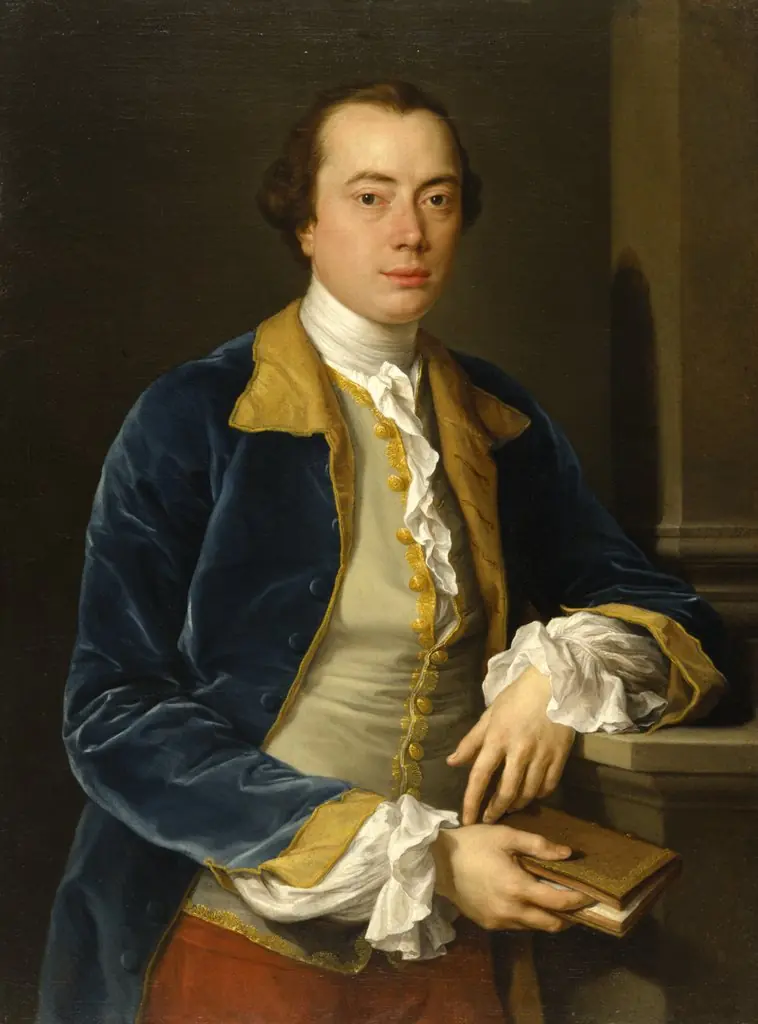 Portrait of Joseph Henry of Straffan
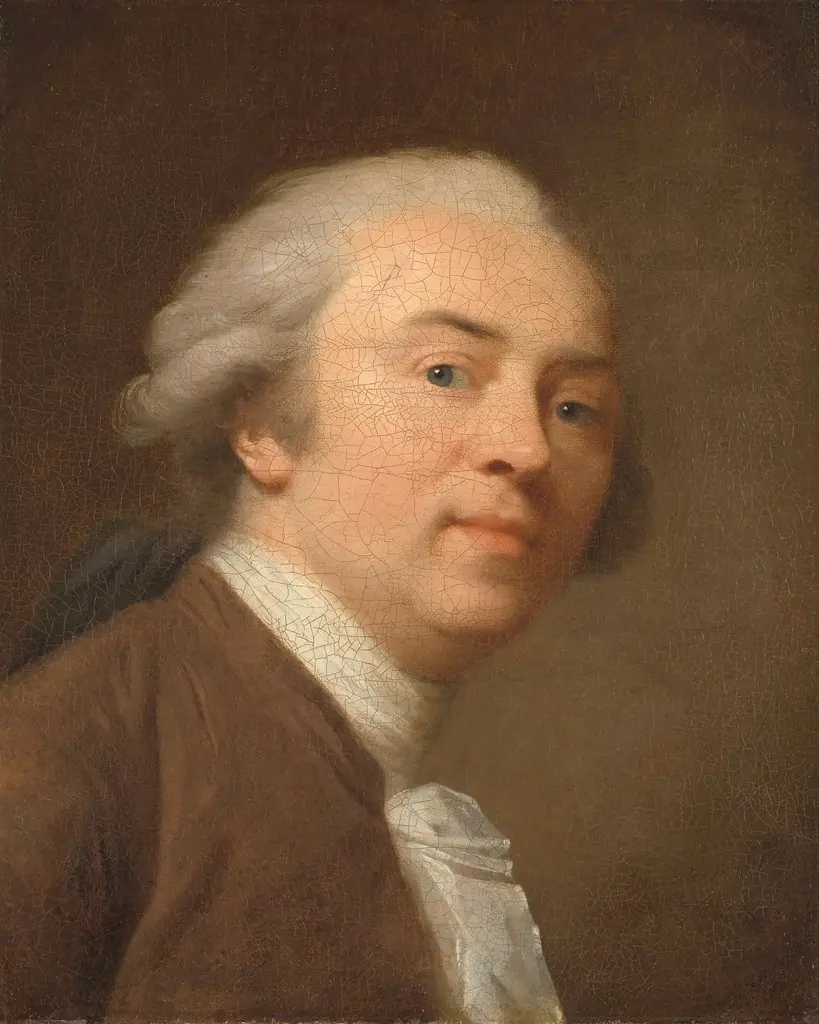 Self-portrait
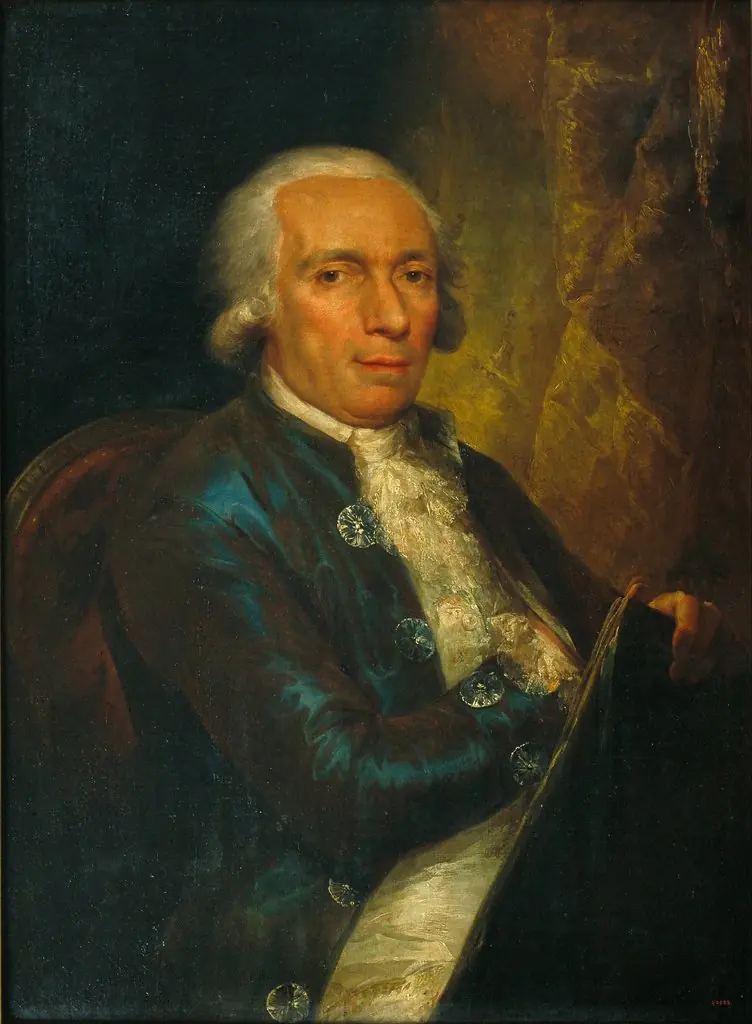 Portrait of the Engraver Pasqual Pere Moles, first director of the Escola de Llotja
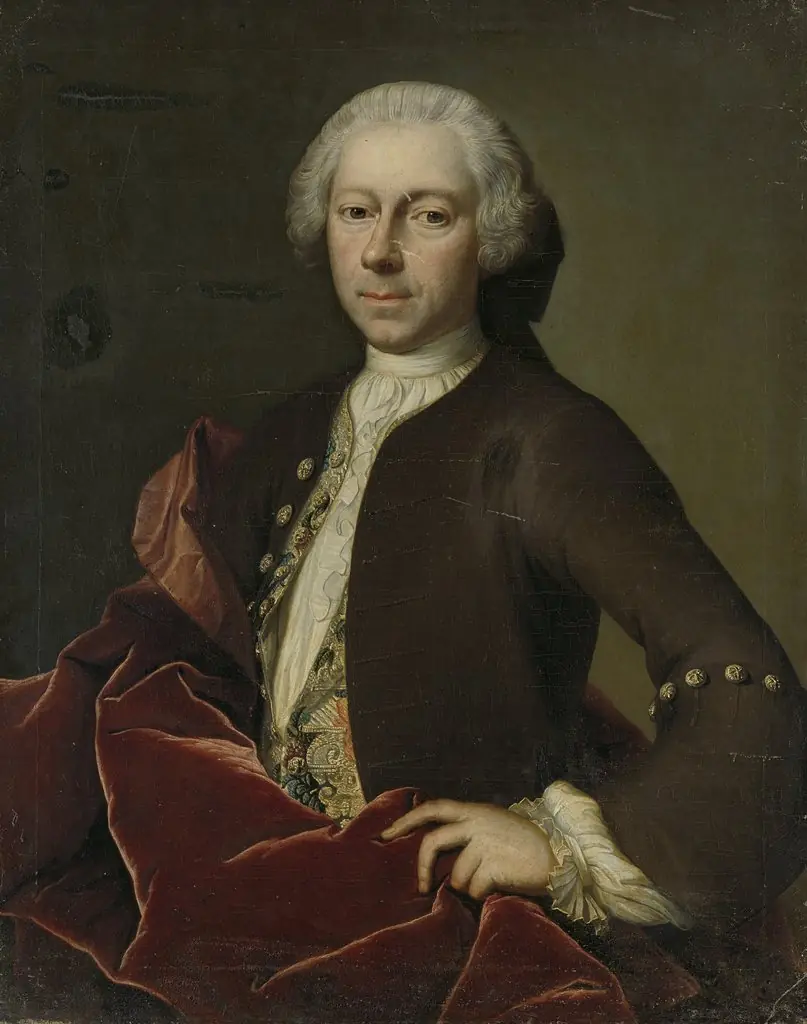 Portrait of Pieter Parker, Alderman, Burgomaster and Councilor of Goes
 Self-Portrait
 Sir James Gray, 2nd Bt.
 Portrait of Pieter Parker, Alderman, Burgomaster and Councilor of Goes
 Portrait of Grigory Teplov
 Portrait of Louis Métayer Phz., Goldsmith and Art Collector