Artwork
Portrait of Merchant S.P. Eliseev
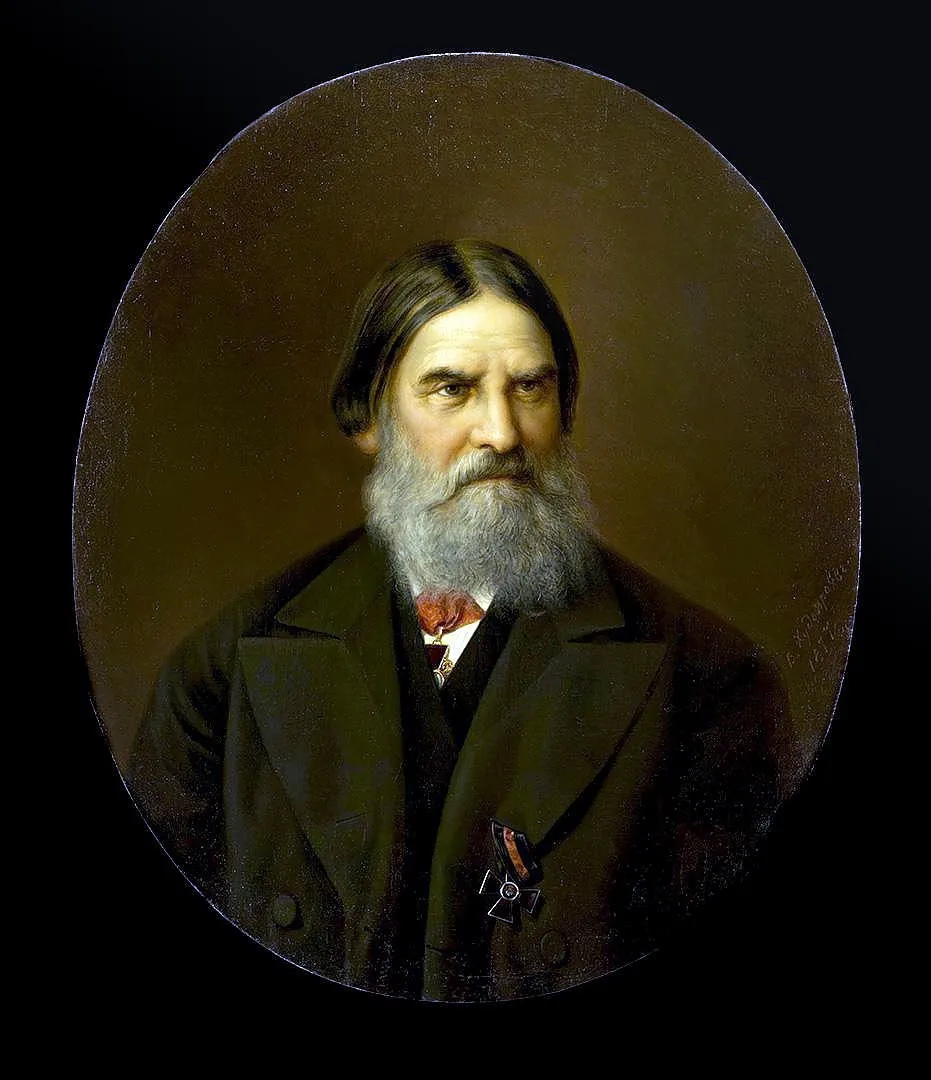
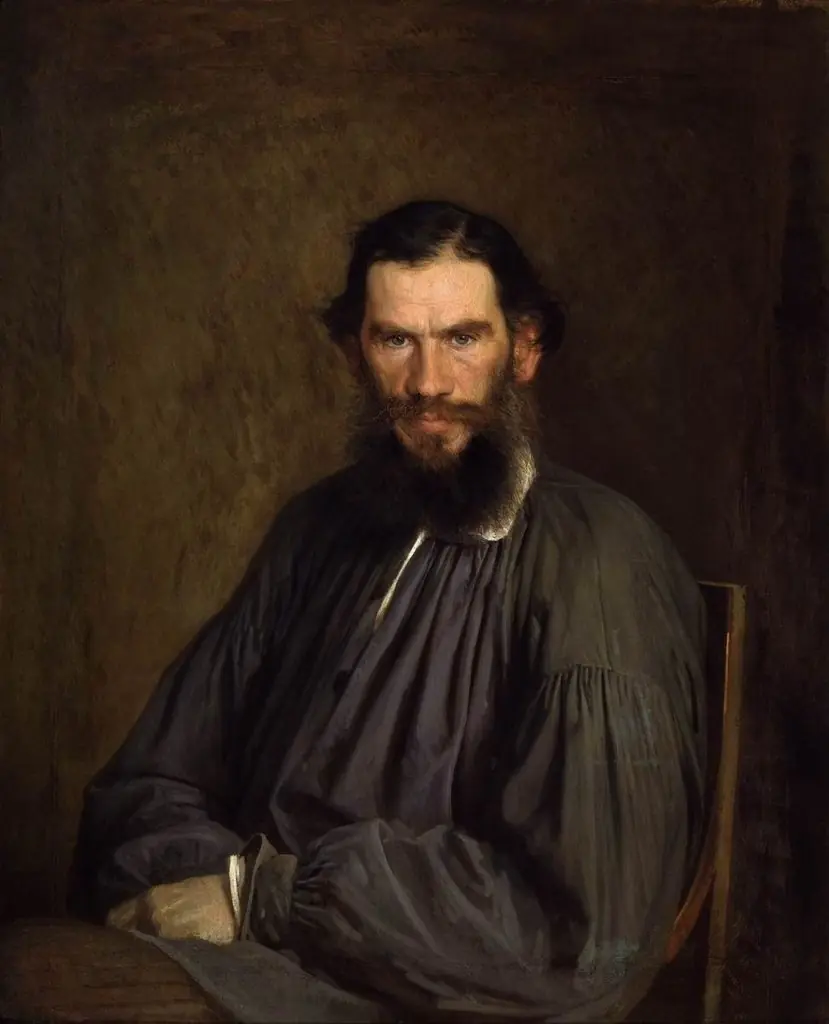
Portrait of Merchant S.P. Eliseev is an oil painting by Unknown. It dates from 1889 and is held in the collection of the Hermitage Museum. This oil painting depicts S.
About this work
Overview
This oil painting depicts S.P. Eliseev, a Russian merchant, rendered with careful attention to detail and atmospheric lighting. The subject is shown in formal attire, including a dark coat, vest, and a medal on his chest, indicating social or official recognition. The composition emphasizes his presence through controlled contrasts of light and shadow, drawing focus to his face and upper body.
Subject & Meaning
S.P. Eliseev is portrayed not as an aristocrat but as a man of commerce elevated by civic or economic achievement. The medal suggests state or institutional acknowledgment of his contributions. His direct yet reserved gaze to the right conveys quiet dignity rather than ostentation, reflecting the values of self-made success in late imperial Russia.
Technique & Style
The artist employs chiaroscuro to model the figure with tangible volume, using subtle gradations of light to define the contours of the face, beard, and clothing. The dark background isolates the subject, enhancing the three-dimensionality of his form. Brushwork is precise yet unobtrusive, prioritizing realism over decorative flourish.
History & Provenance
The portrait was commissioned during the late 19th or early 20th century, likely by Eliseev himself or his family, as was common among prosperous Russian merchants seeking to document their status. It remained in private hands until entering a public collection, where it now serves as a record of the merchant class’s cultural presence.
Context
In imperial Russia, wealthy merchants increasingly commissioned portraits to assert their social standing, often emulating aristocratic conventions. While not part of the nobility, figures like Eliseev held significant economic influence. This portrait reflects a broader trend of self-representation among the rising commercial elite during a period of social flux.
Legacy
The painting endures as a quiet testament to the visibility of non-noble elites in Russian visual culture. It contributes to the historical record of how wealth and achievement were visually codified outside traditional aristocratic frameworks, offering insight into the evolving identity of Russia’s urban bourgeoisie.
Artist & collection

 Domestic Scene
 Giacomo and Cardinal Marco, investing Andrea, Abbot of San Zeno, with his Benefice
 The Nymph of Fontainebleau
 Portrait of a Woman
 Madonna and Child with Saints in the Enclosed Garden
 Venus and Minerva
 Family Group of Four on Sofa
 Wall painting from Room H of the Villa of P. Fannius Synistor at Boscoreale
 Nicolae Popp, fratele pictorului Mișu Popp
 Edwin Edwards
 Autoportret
 Portrait of Bonifacy Krupski (1822–1903)
 Portrait of Prudente de Moraes
 Portrait of Lev Tolstoy
 Study of a Bearded Peasant
 Portretul lui C. A. Rosetti
 Portrait of José Prudencio Guerrico
 Portretul lui P. Lochmann
 Portrait of K.D. Kavelin
 Portrait of Leo Tolstoy