Artwork
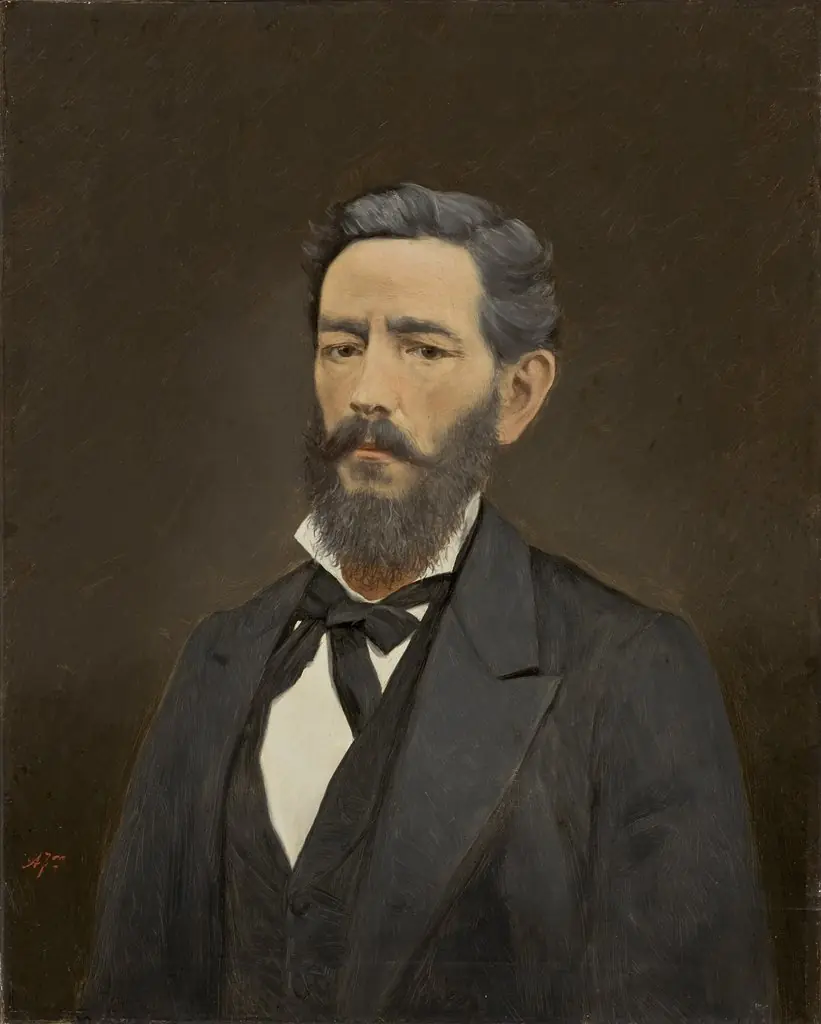
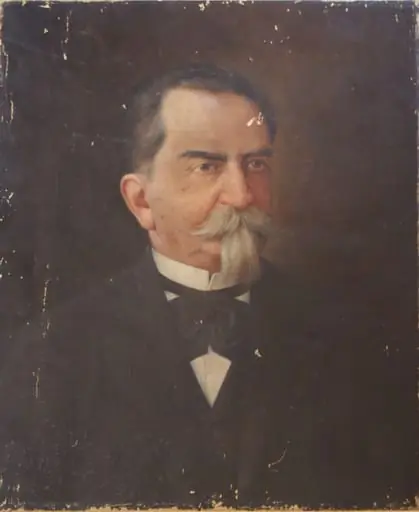
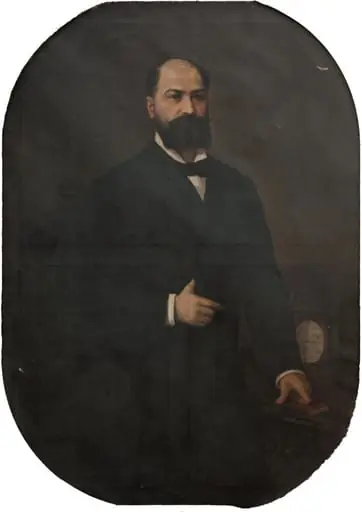
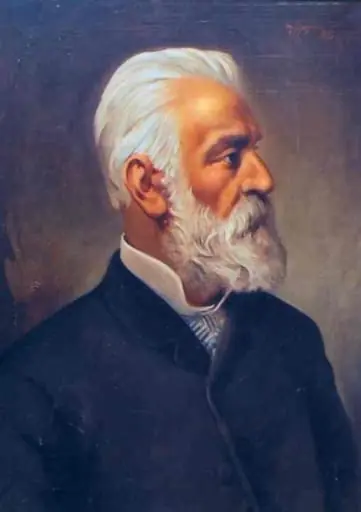
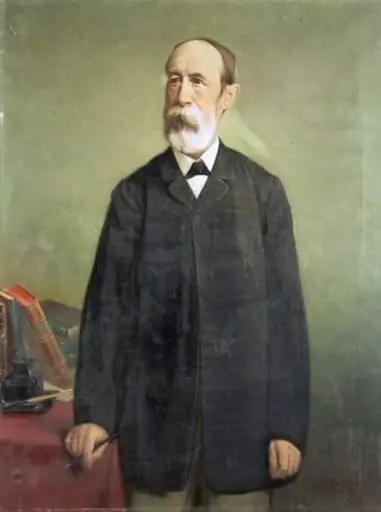
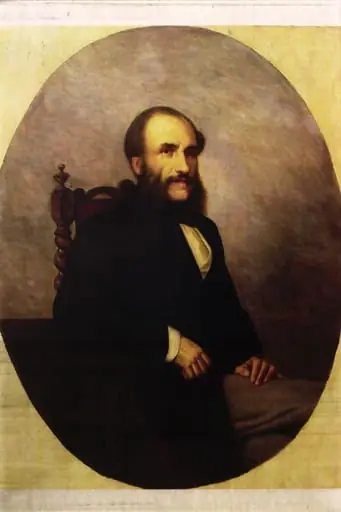
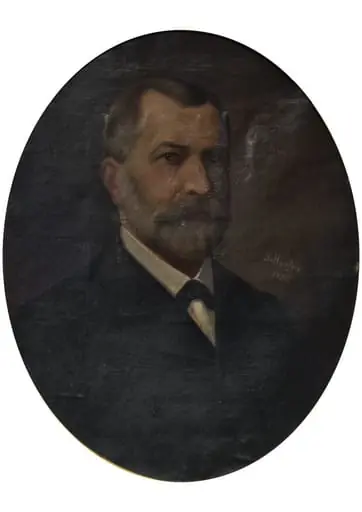
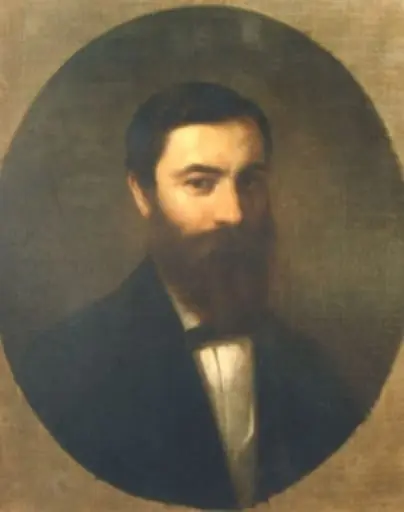
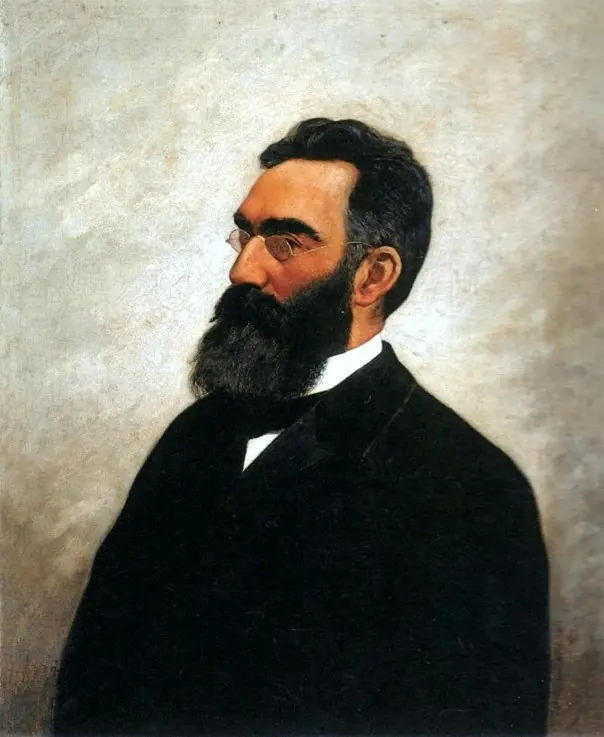
Portrait of Prudente de Moraes
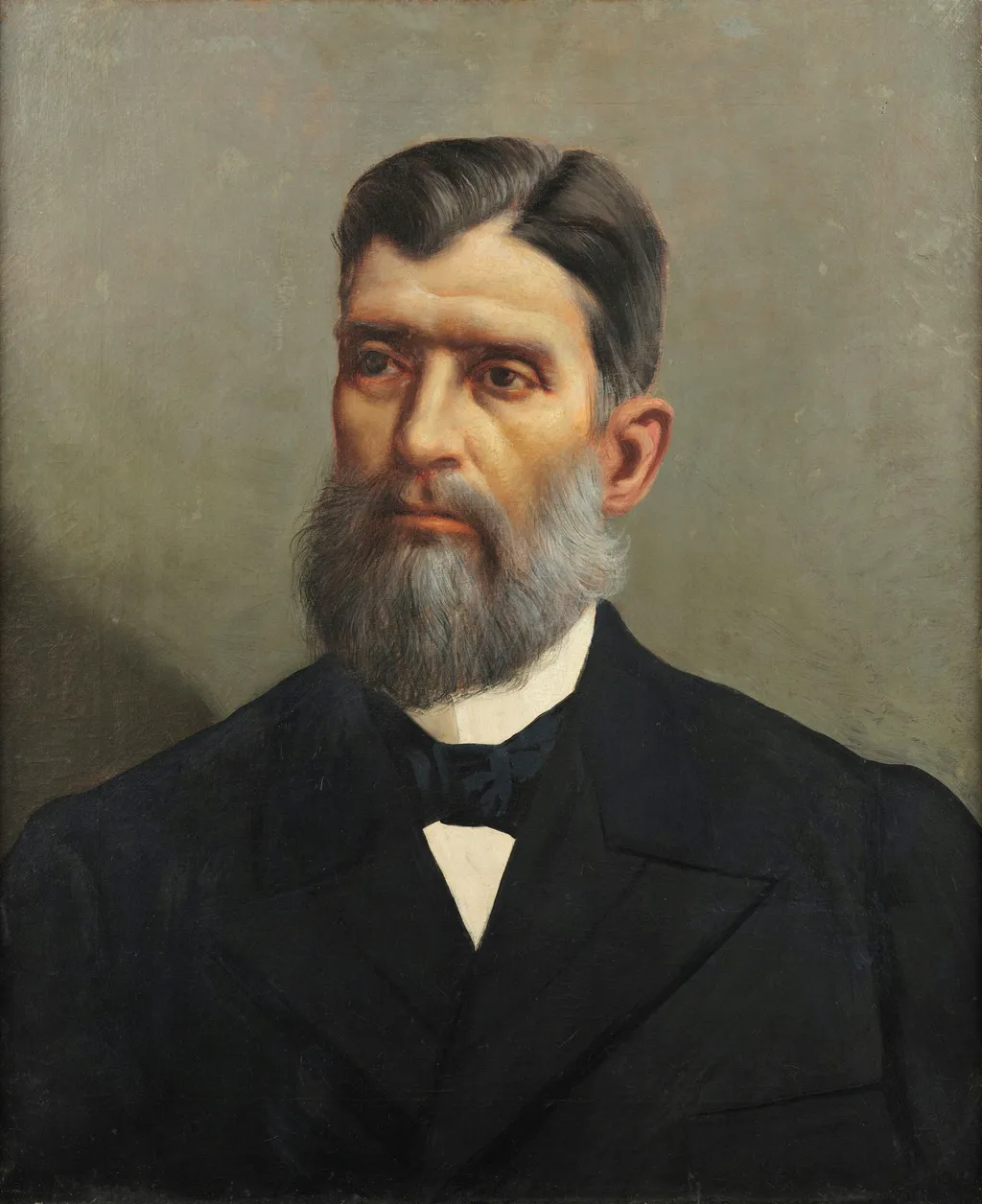
Portrait of Prudente de Moraes is an oil painting by the Realist artist José Ferraz de Almeida Júnior. It dates from 1884 and is held in the collection of the Pinacoteca de São Paulo.
About this work
Overview
Created circa 1884, this oil portrait presents Prudente de Moraes, a future Brazilian president, rendered by José Ferraz de Almeida Júnior. The canvas measures a modest size and is part of the Pinacoteca do Estado de São Paulo’s permanent collection, offering a glimpse of late‑19th‑century Brazilian portraiture.
Subject & Meaning
The sitter, a middle‑aged man with dark hair and a long gray beard, gazes pensively ahead, his expression suggesting contemplation and resolve. Dressed in a black jacket, white shirt, and bow tie, his attire underscores his professional stature, while the subdued background directs attention to his face as the focal point.
Technique & Style
Almeida Júnior employs a restrained Realist approach, emphasizing faithful observation over idealization. Light falls from the left, generating chiaroscuro that models the facial features and lends a three‑dimensional quality. The muted tonal palette and careful brushwork reflect the influence of European Realists such as Courbet and Millet.
History & Provenance
Born in 1850, Almeida Júnior was among Brazil’s early adopters of Realism, integrating European techniques into local subjects. The portrait entered the Pinacoteca’s holdings shortly after its creation, where it remains displayed as a representative work of the artist’s mature period and of Brazil’s political visual culture.
Own this work as a print
Artist & collection
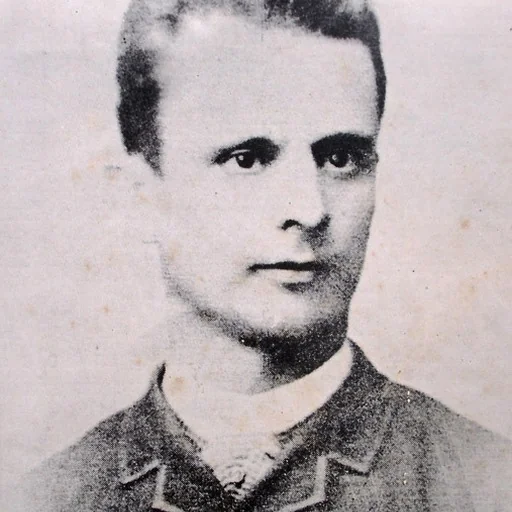
Artist
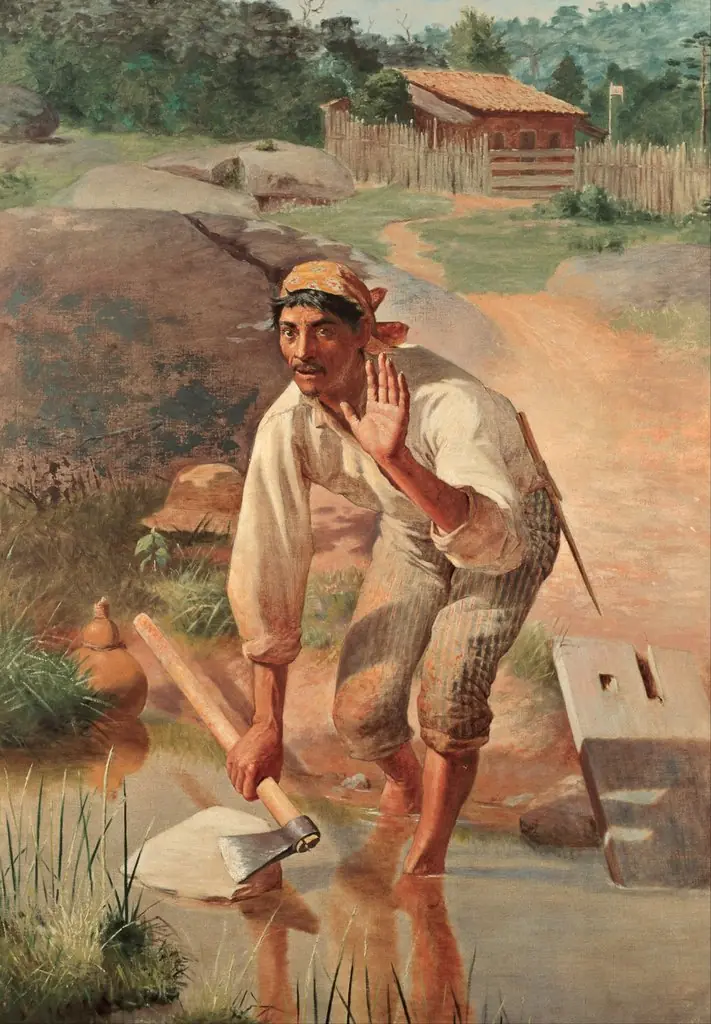
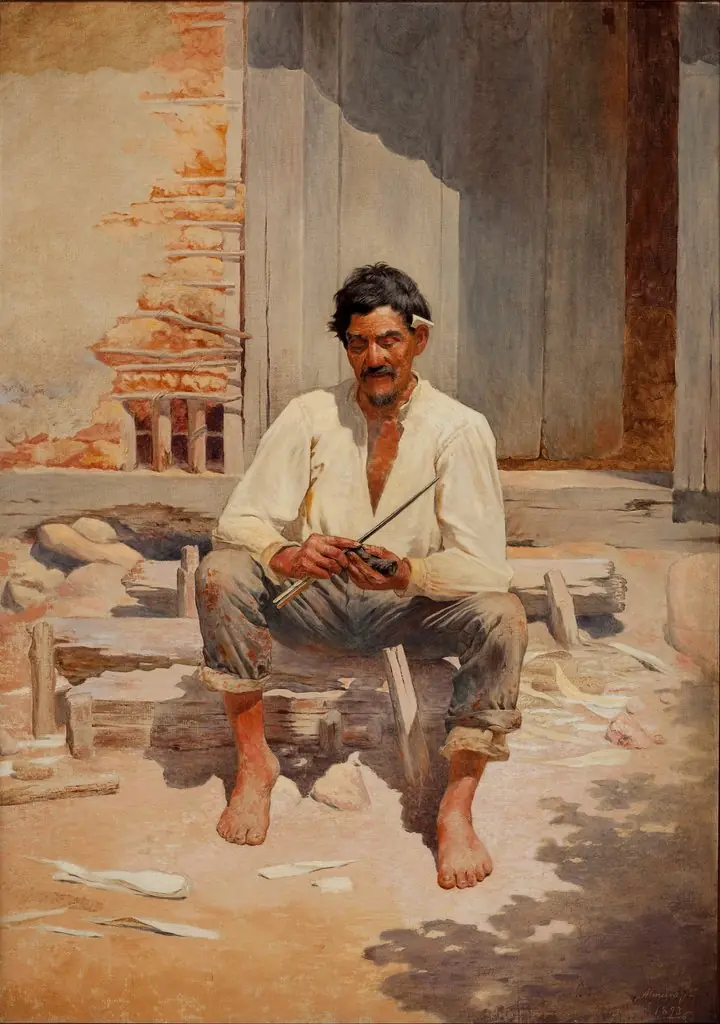
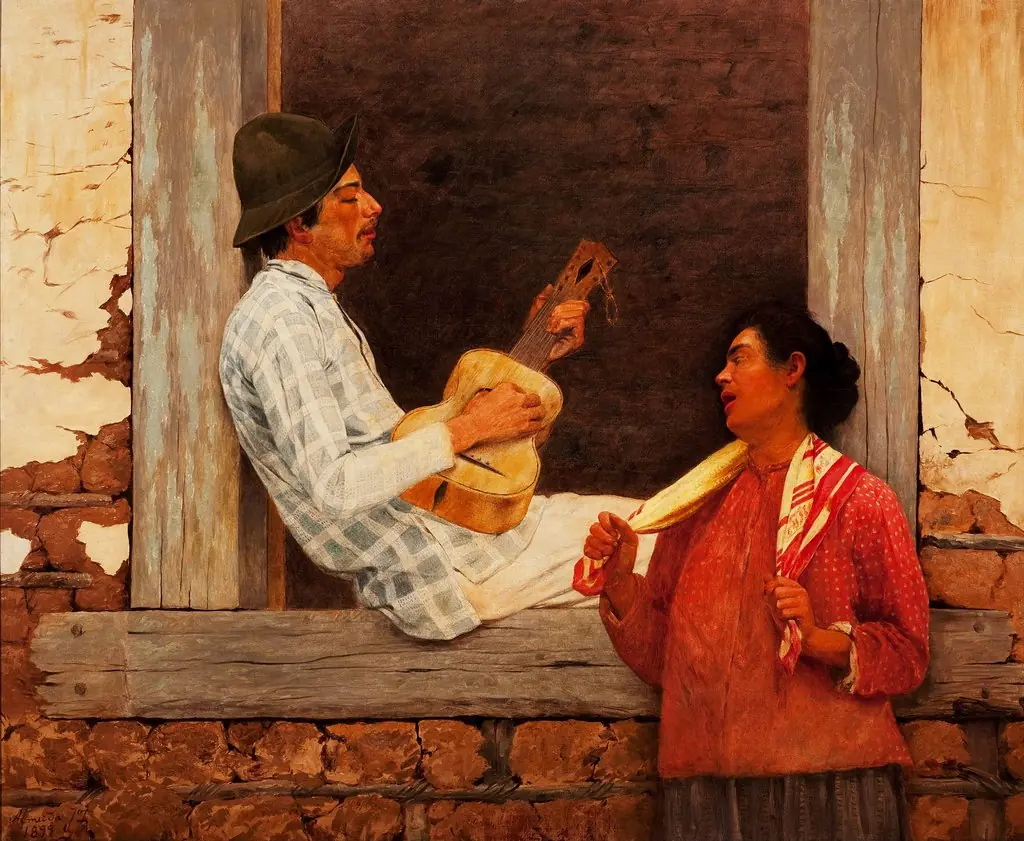
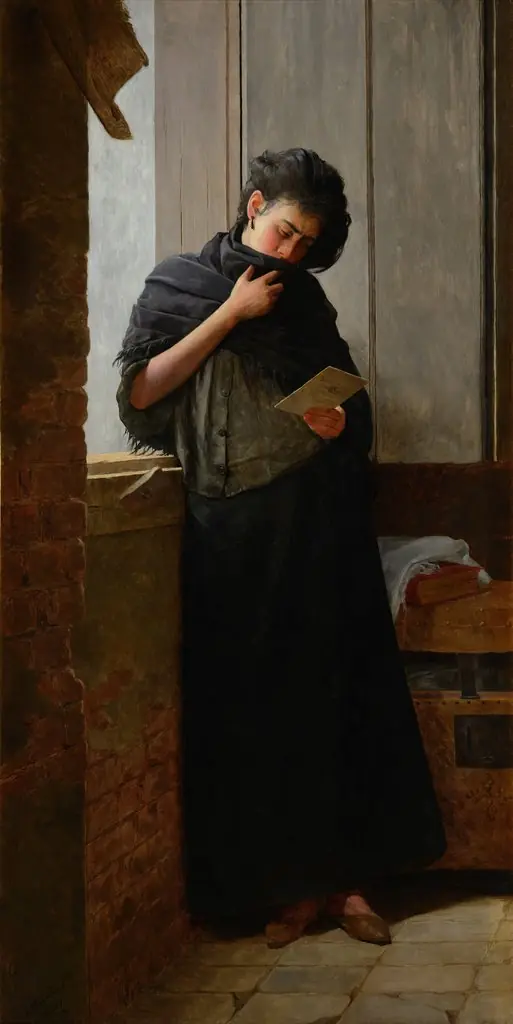
José Ferraz de Almeida Júnior (8 May 1850 – 13 November 1899) was a Brazilian artist and designer; one of the first there to paint in the Realistic tradition of Gustave Courbet and Jean-François Millet.