Artwork
Portrait of Philippe de Croy, Duke of Aerschot
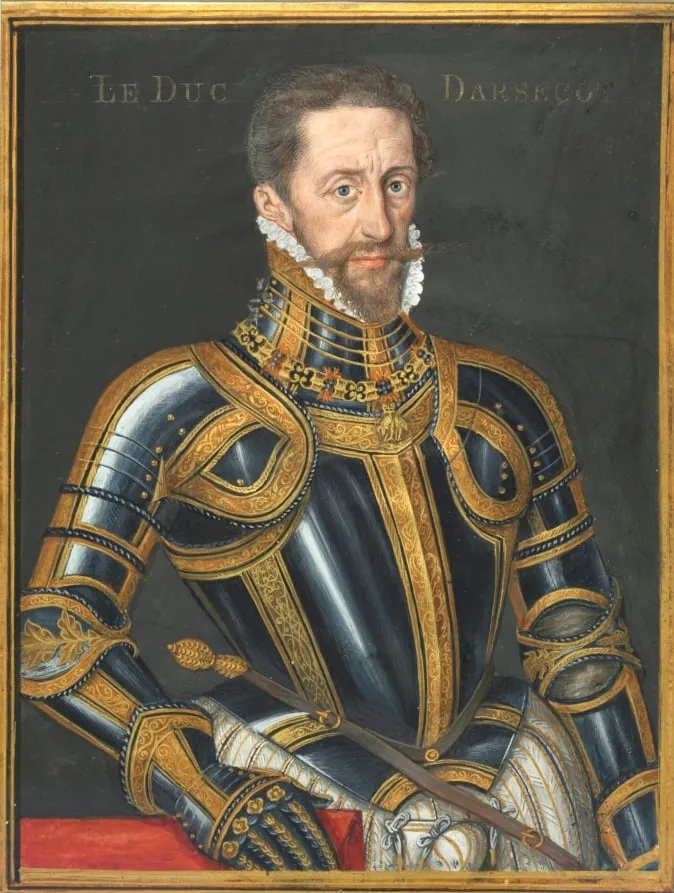
Portrait of Philippe de Croy, Duke of Aerschot is an unspecified portrait miniature by the Romanticist artist Unknown. It dates from 1804 and is held in the collection of the Cleveland Museum of Art. This miniature portrait depicts Philippe de Croy, Duke of Aerschot, rendered in fine detail on vellum.
About this work
Overview
Measuring roughly the size of a postcard, the work belongs to a tradition of intimate, portable portraiture favored by European nobility.
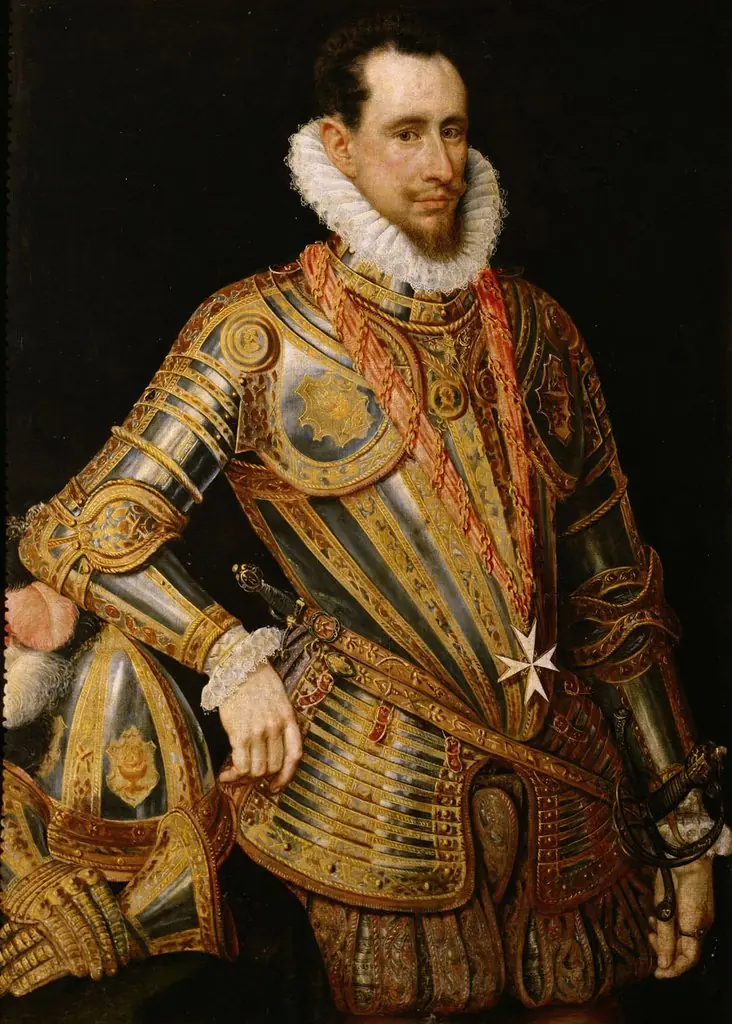
This miniature portrait depicts Philippe de Croy, Duke of Aerschot, rendered in fine detail on vellum. Measuring roughly the size of a postcard, the work belongs to a tradition of intimate, portable portraiture favored by European nobility. Executed with precision, it captures the subject in full ceremonial armor, suggesting its purpose as a formal representation of status rather than a casual likeness.
Subject & Meaning
As governor of Antwerp and governor-general of Flanders, Philippe de Croy was a key administrator for the Habsburg rulers Charles V and Philip II. The armor he wears signifies his military authority and loyalty to the empire. The red sash across his chest likely denotes his membership in the Order of the Golden Fleece, reinforcing his elite standing. The portrait functions as a visual assertion of power and lineage, intended for private display among peers.
Technique & Style
Painted on stretched animal skin, the miniature employs fine brushwork to render intricate details of the armor’s blued steel, etched patterns, and gilded accents. The dark background isolates the figure, heightening focus on texture and surface reflection. Despite its small scale, the artist achieved remarkable clarity—individual dents and tool marks on the armor are discernible, reflecting a commitment to realism and material accuracy typical of Flemish miniaturists.
History & Provenance
Created in the late 16th century, the portrait likely originated in the Southern Netherlands, possibly commissioned during or shortly after Croy’s lifetime. Its survival suggests it remained within family or court circles, valued as a personal relic. While its early ownership is undocumented, its preservation indicates continued recognition of Croy’s significance in Habsburg service, long after his death.
Context
In the 16th century, miniature portraiture served as both personal memento and political statement among aristocracy. Flemish artists, trained in detailed illumination and panel painting, adapted these skills to small-scale works for elite patrons. This portrait aligns with broader trends in Habsburg court culture, where armor and heraldry were used to project imperial authority and noble identity across territories.
Legacy
The portrait stands as a representative example of Flemish miniature art from the late Renaissance. It contributes to the understanding of how nobility used visual culture to sustain influence beyond their lifetimes. While not widely exhibited, it remains a key reference in studies of courtly portraiture and the material symbolism of armor in early modern Europe.
Artist & collection

 Domestic Scene
 Giacomo and Cardinal Marco, investing Andrea, Abbot of San Zeno, with his Benefice
 The Nymph of Fontainebleau
 Portrait of a Woman
 Madonna and Child with Saints in the Enclosed Garden
 Venus and Minerva
 Family Group of Four on Sofa
 Wall painting from Room H of the Villa of P. Fannius Synistor at Boscoreale
 Portrait of Fernando Alvarez de Toledo, duke of Alva
 Portrait of Thomas Butler, 10th Earl of Ormonde (1532-1614)
 Portrait of a knight
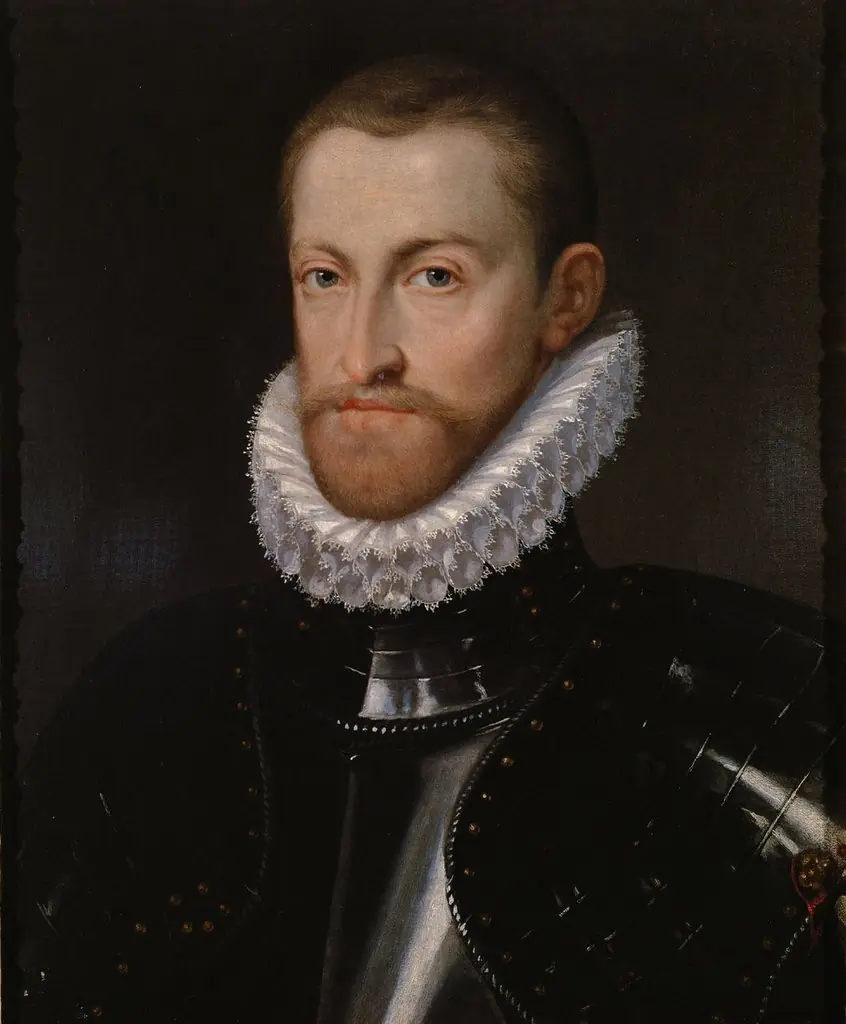 Emperor Rudolf II in Armour
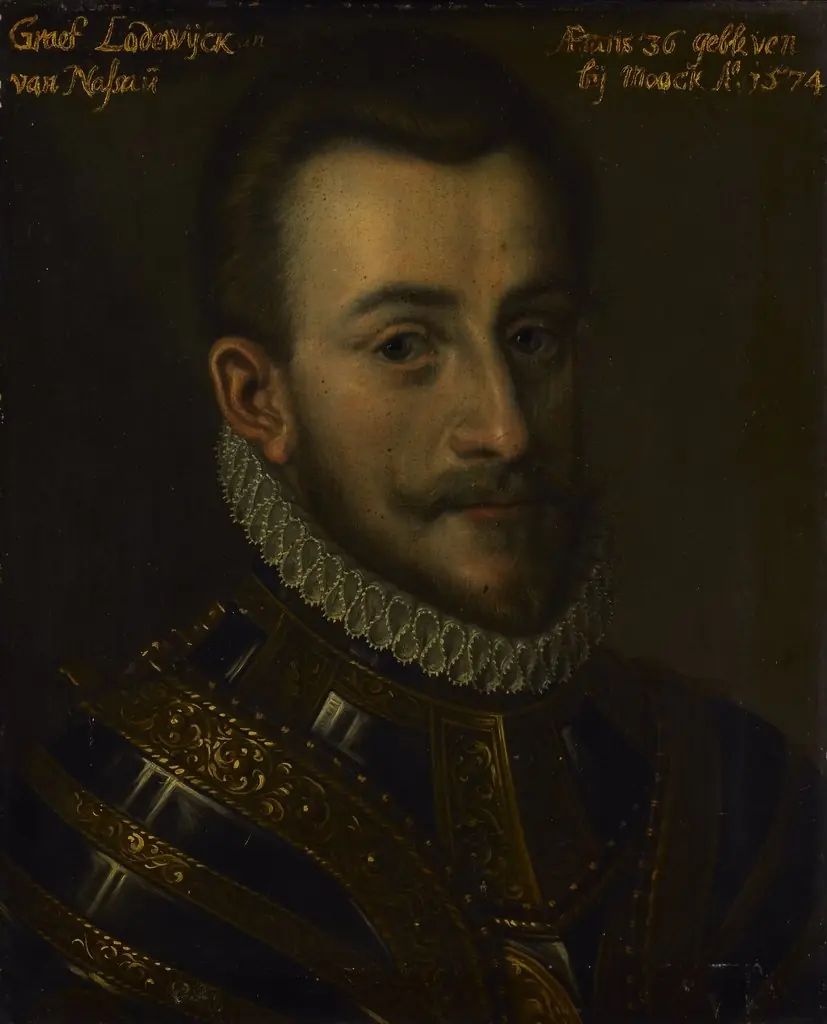 Portrait of Lodewijk (1538-74), Count of Nassau
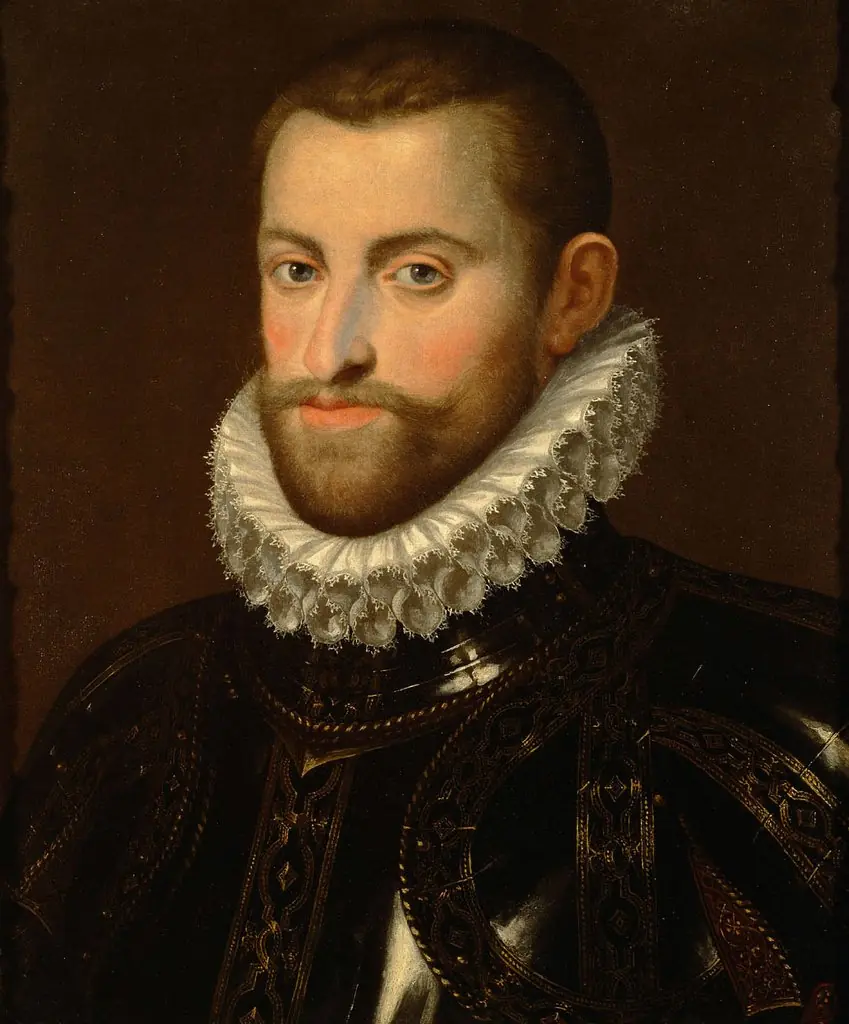 Erzherzog Ernst im Harnisch, Brustbild
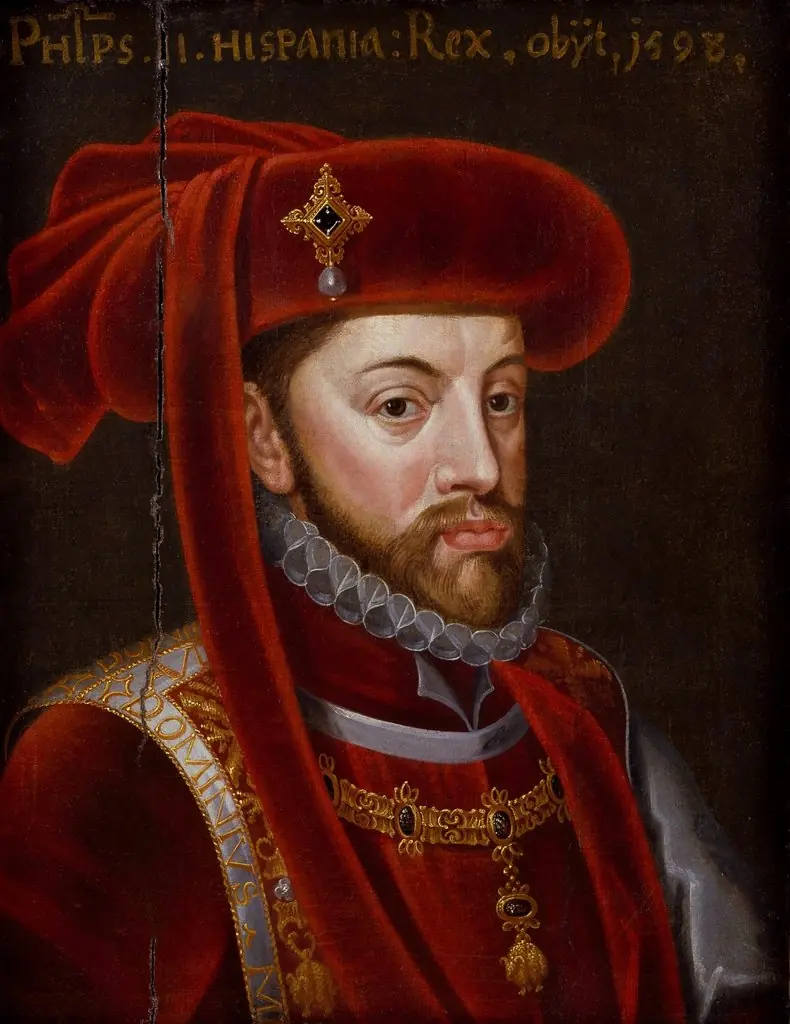 Philip II, King of Spain
 Bildnis eines Malteserritters
 Portrait of an unknown count or officer, possibly Jan the Elder (1535-1606), Count of Nassau