Artwork
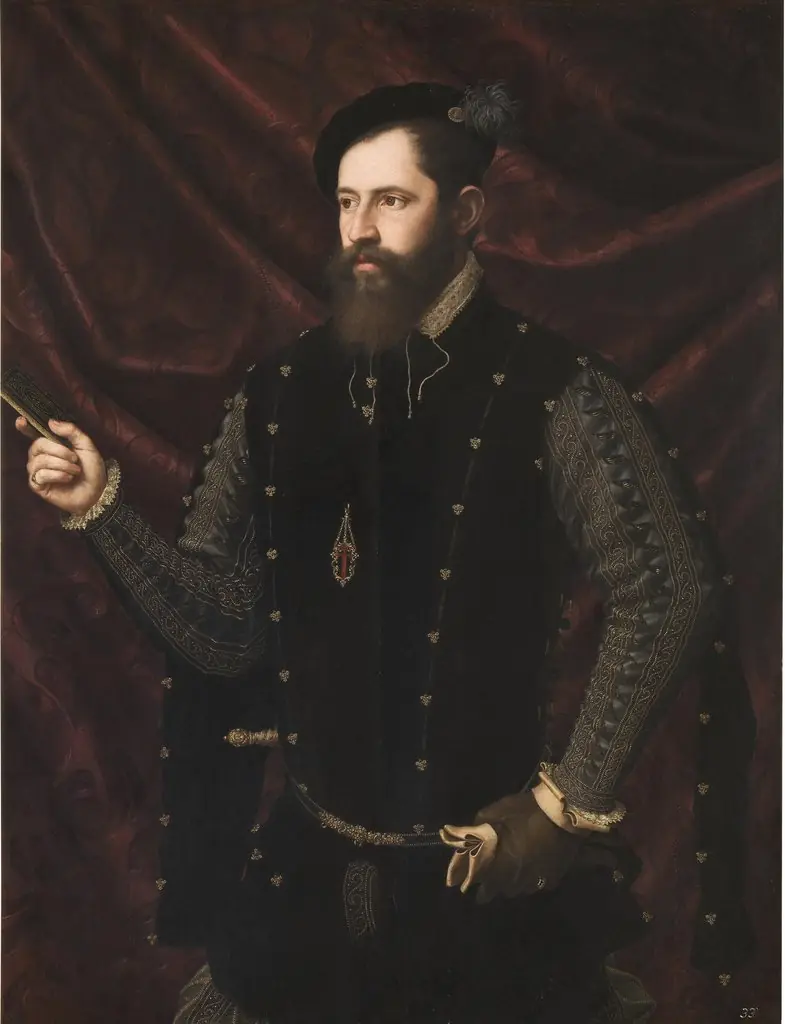
Portrait of a knight
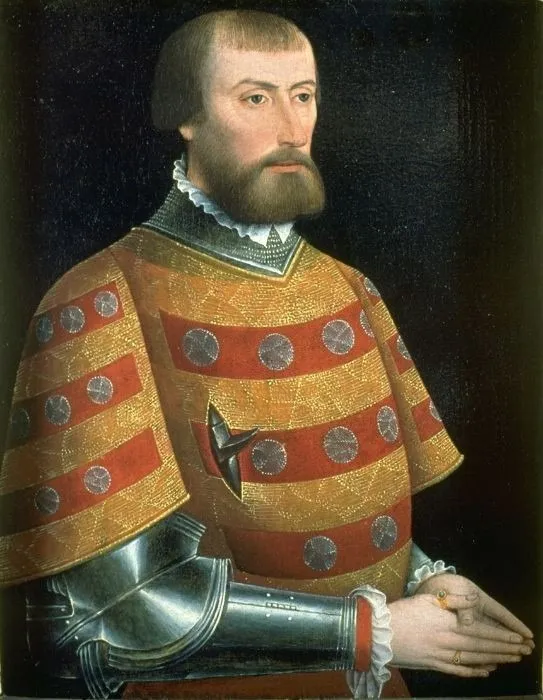
Portrait of a knight is an oil painting by the Northern Renaissance artist Master of the Legend of the Magdalene. It dates from 1508 and is held in the collection of the Gemäldegalerie Berlin.
About this work
Overview
Executed in oil on panel, the work is part of the Gemäldegalerie Berlin’s collection.
Painted in 1508, the Portrait of a Knight is attributed to the Master of the Legend of the Magdalene, an anonymous Early Netherlandish artist active between 1483 and 1527. Executed in oil on panel, the work is part of the Gemäldegalerie Berlin’s collection. It exemplifies the Northern Renaissance’s focus on precise detail and psychological presence, capturing a nobleman in formal attire against a void-like background that isolates and intensifies his figure.
Subject & Meaning
The subject is a knight, likely a member of the regional nobility, depicted in partial armor and ceremonial garments. His serious expression and composed posture suggest status and restraint rather than martial aggression. The combination of armor and ornate textiles—particularly the striped cape and ruffled collar—signals both military rank and civilian refinement, reflecting the dual identity of aristocratic men in early 16th-century Northern Europe.
Technique & Style
The artist employs fine brushwork to render textures with meticulous care: the metallic sheen of armor, the weave of fabric, and the softness of facial hair are all rendered with precision. The dark background eliminates spatial context, focusing attention on the figure’s form and attire. Silver accents on the cape and armor catch light subtly, enhancing realism without theatricality, characteristic of the Northern Renaissance’s quiet intensity.
History & Provenance
The painting has been held by the Gemäldegalerie Berlin since at least the 19th century, though its earlier ownership remains undocumented. It was identified as the work of the Master of the Legend of the Magdalene based on stylistic parallels to a known polyptych of Mary Magdalene’s life. The artist’s identity remains unknown, and this portrait is among the few secular works confidently linked to his hand.
Context
In early 16th-century the Low Countries, portraiture for the elite increasingly emphasized individual identity and material wealth. Religious themes still dominated, but secular commissions like this one reflected rising civic pride and the influence of humanist ideals. The knight’s attire, blending martial and courtly elements, mirrors the social transition from feudal warrior to Renaissance gentleman.
Legacy
Though the artist’s name is lost, this portrait remains a key reference for understanding the secular output of anonymous Northern Renaissance painters. Its technical refinement and psychological restraint influenced later portrait traditions in the region. The work continues to be studied for its insight into the visual language of status and identity among the nobility before the rise of named portraitists like Holbein.
Artist & collection
Artist
Master of the Legend of the Magdalene
The Master of the Legend of the Magdalen (sometimes called the Master of the Magdalen Legend) was an Early Netherlandish painter active from circa 1483 to 1527.

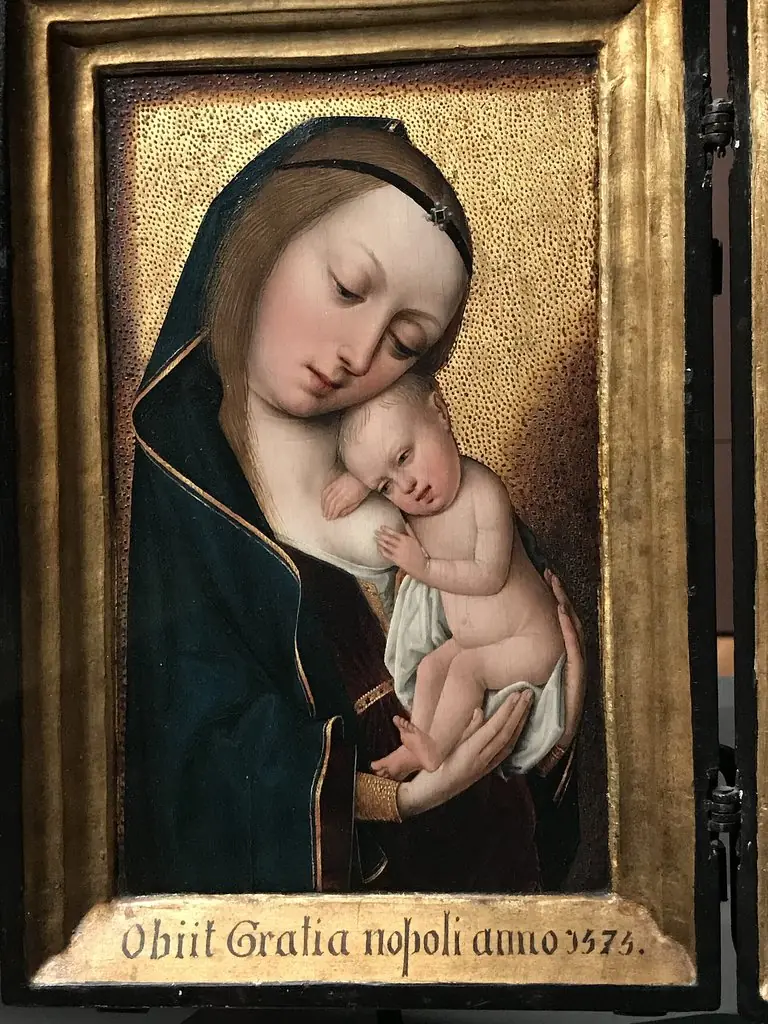 Madonna and Child
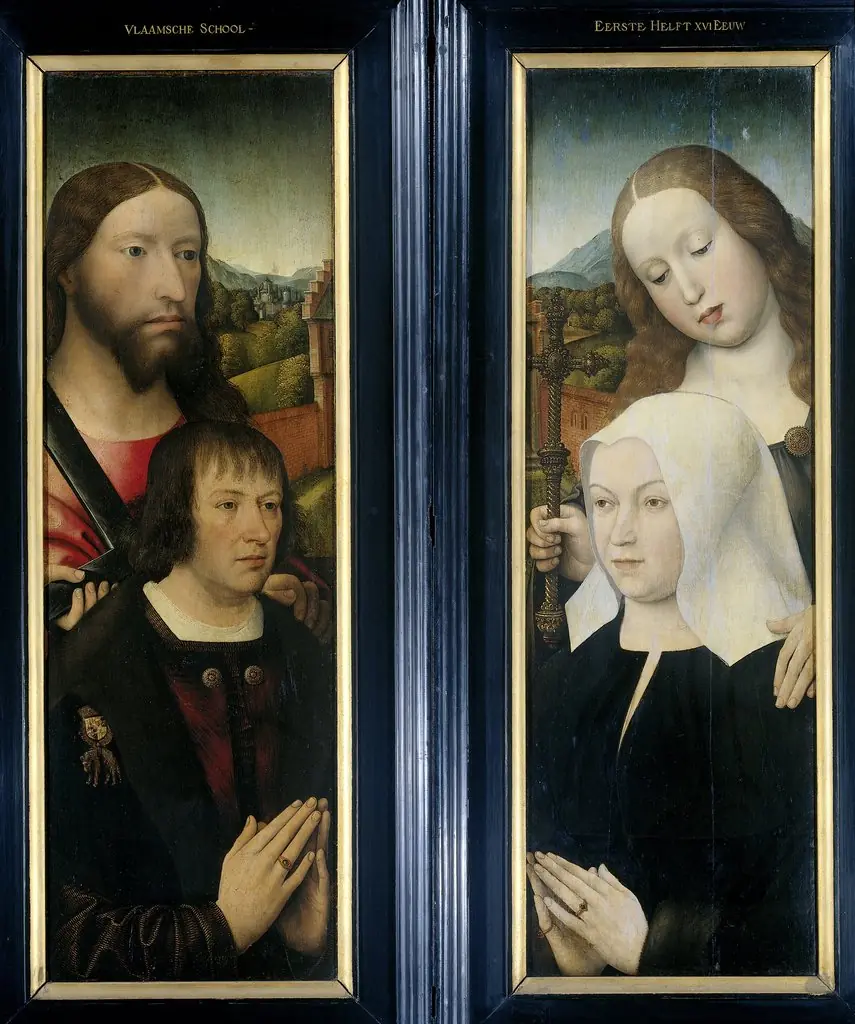 Two Wings of a Triptych with the Donor, Thomas Isaacq, accompanied by Saint Thomas (left, outer wing), and the Donor's Wife accompanied by Saint Margaret (right, outer wing)
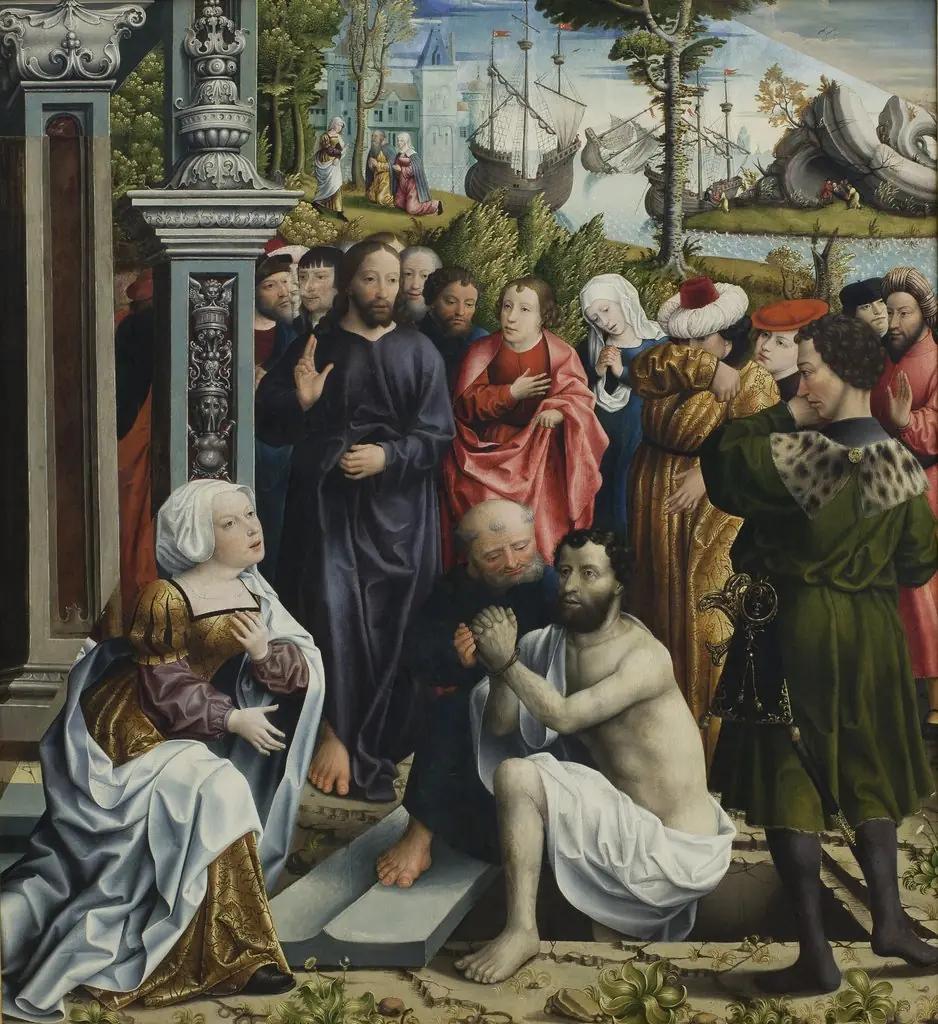 The Raising of Lazarus
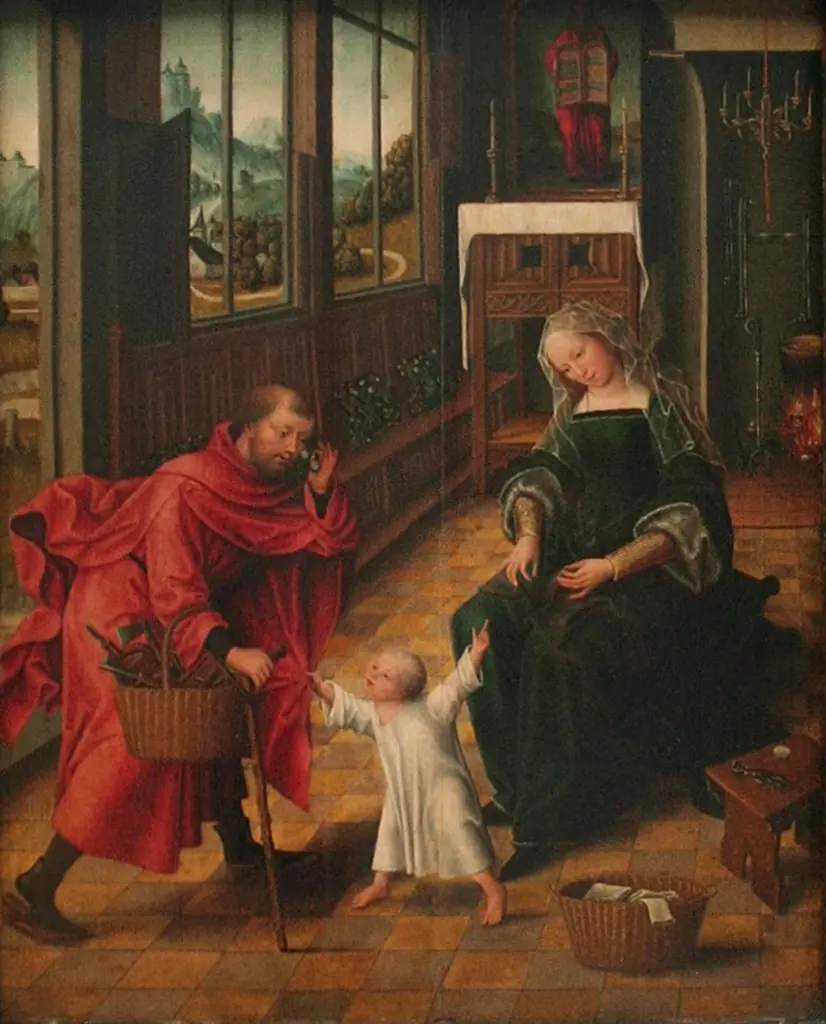 The Holy Family
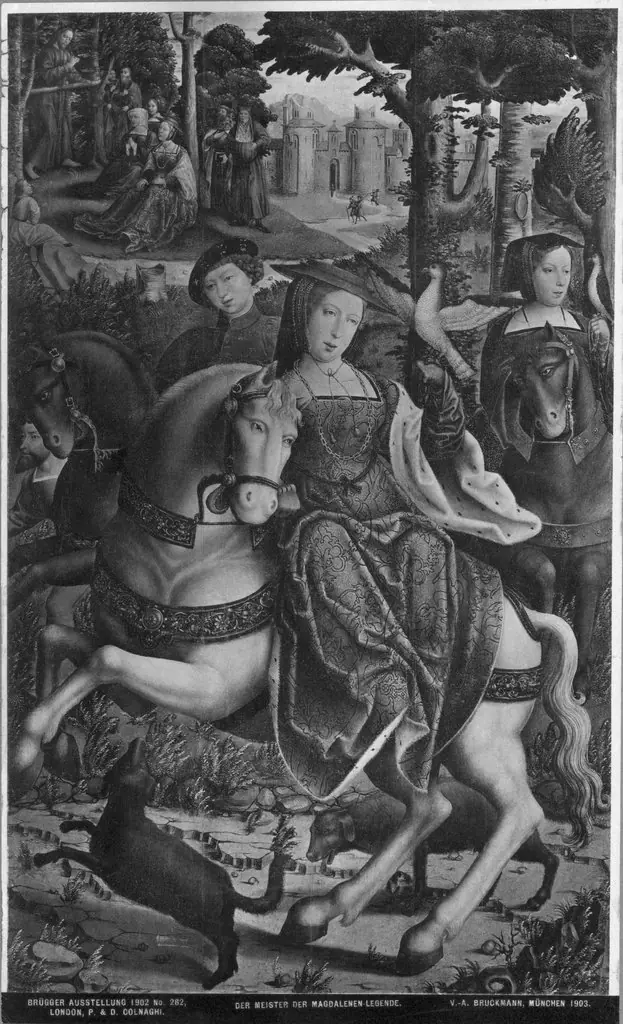 St. Mary Magdalene hunting before her conversion
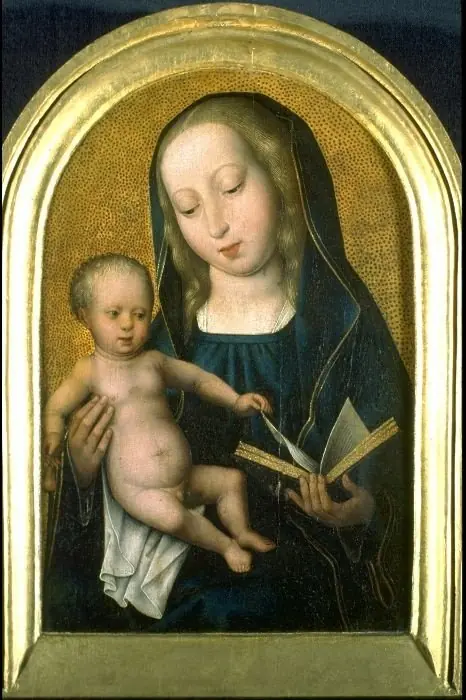 Maria met kind
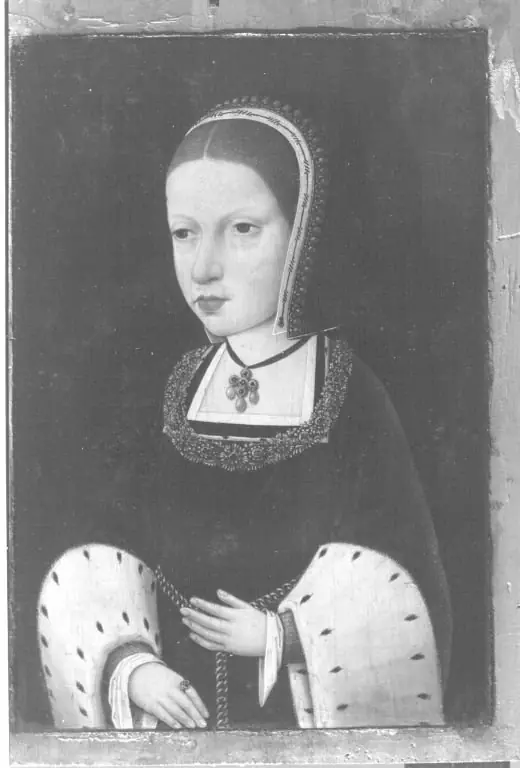 Bildnis einer jugendlichen Fürstin
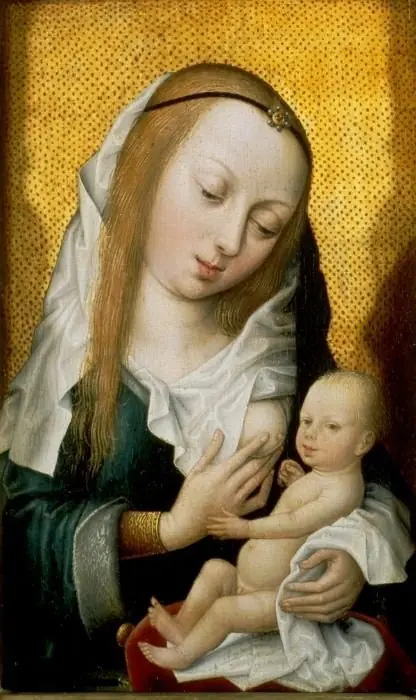 Maria mit dem Kind
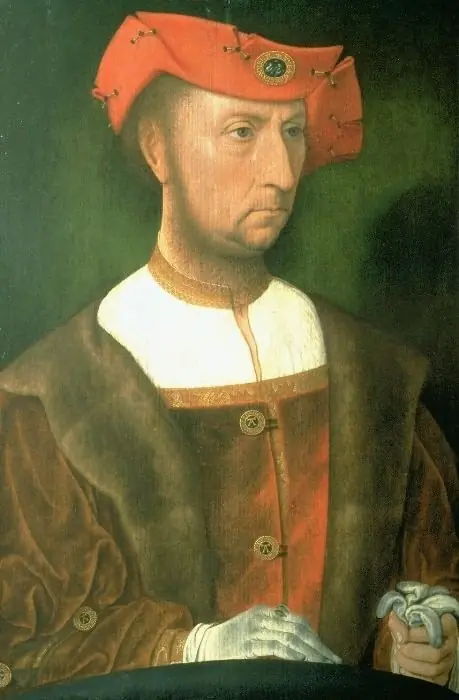 Portrait of a Man
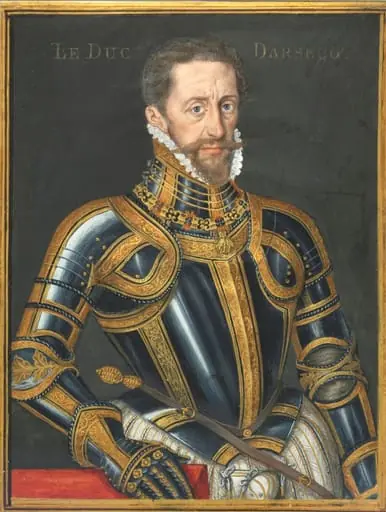 Portrait of Philippe de Croy, Duke of Aerschot
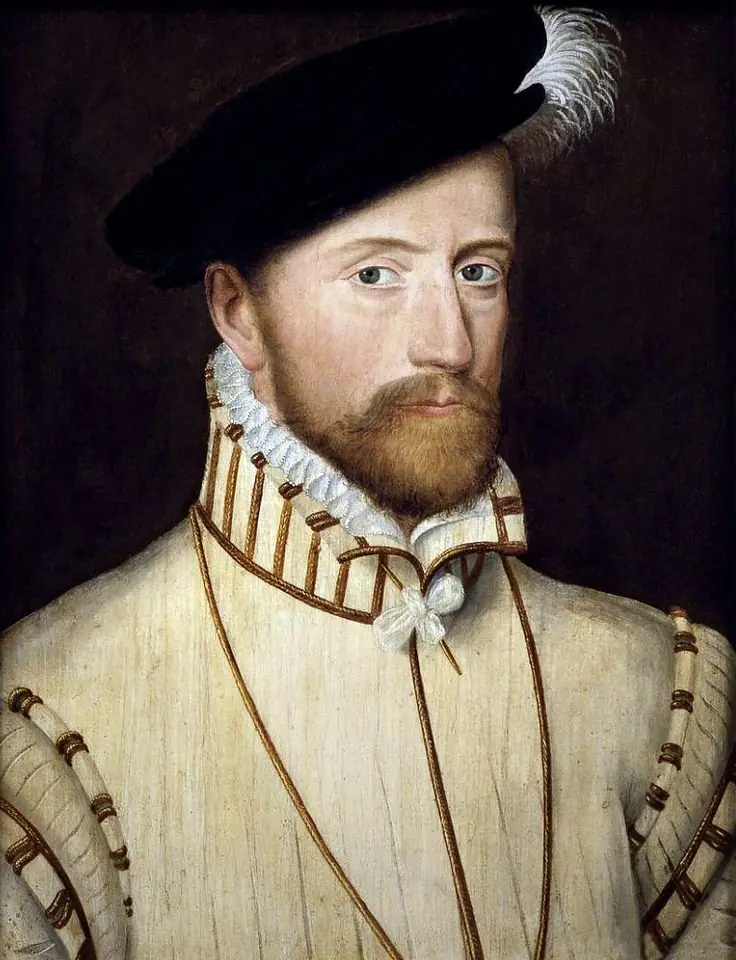 Jacques d'Albon, seigneur de Saint-André (ca. 1505-1562), Marschall von Frankreich
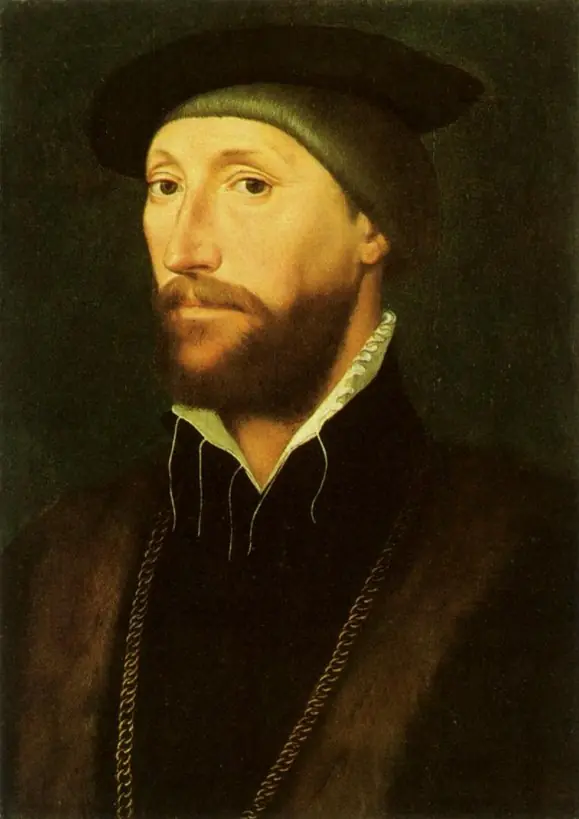 Portrait of Sir Thomas Le Strange
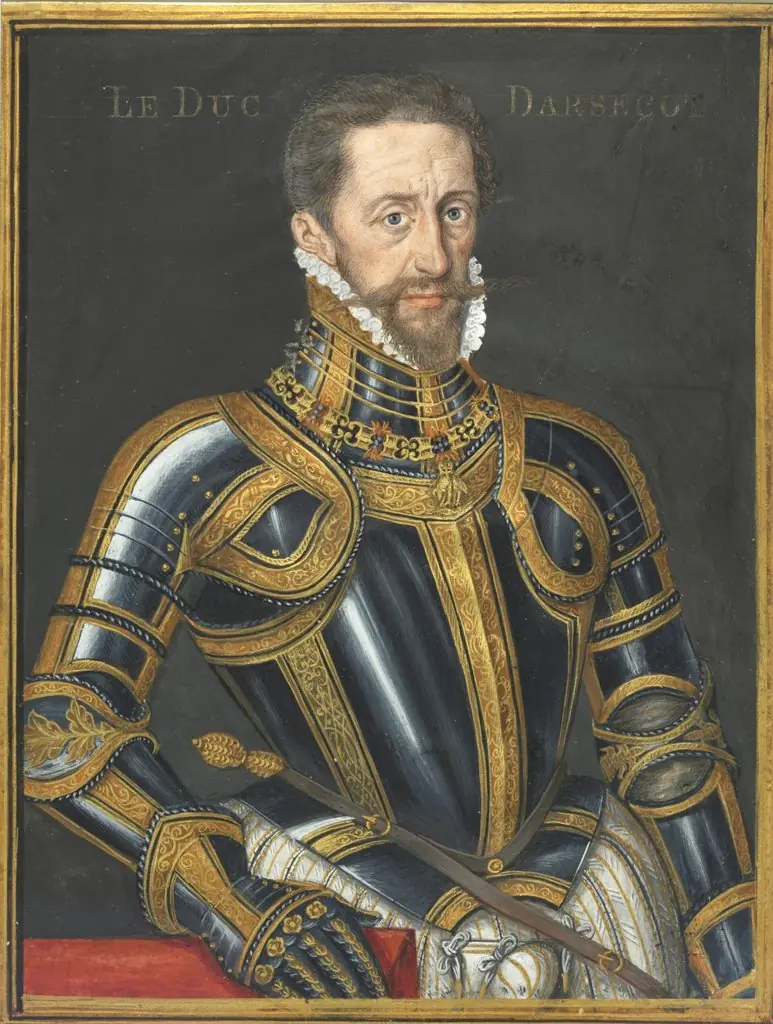 Portrait of Philippe de Croy, Duke of Aerschot
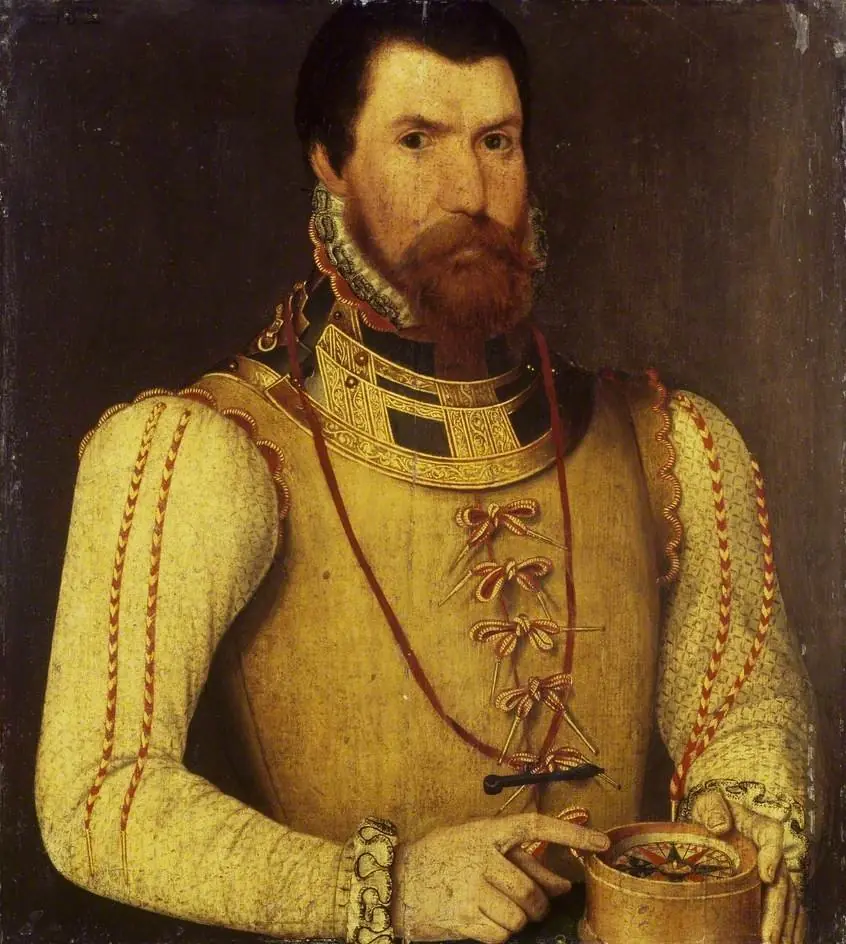 Edward Fiennes de Clinton, Later 1st Earl of Lincoln
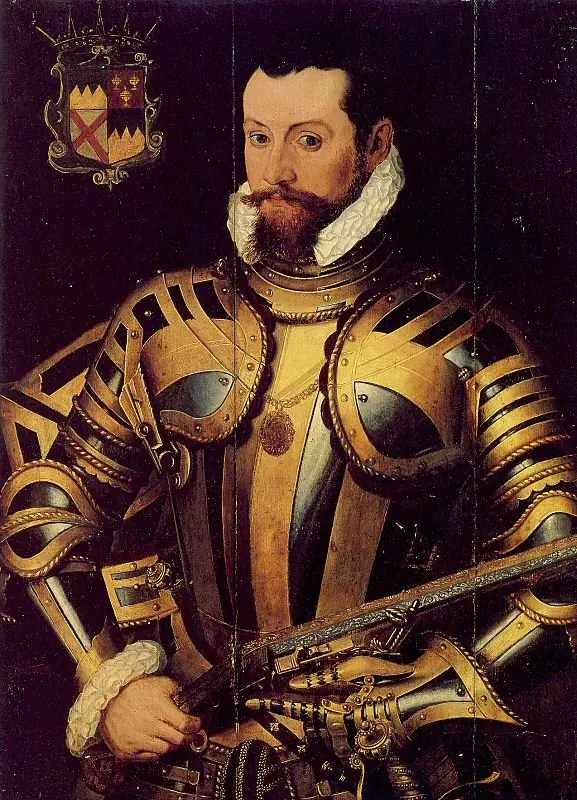 Portrait of Thomas Butler, 10th Earl of Ormonde (1532-1614)
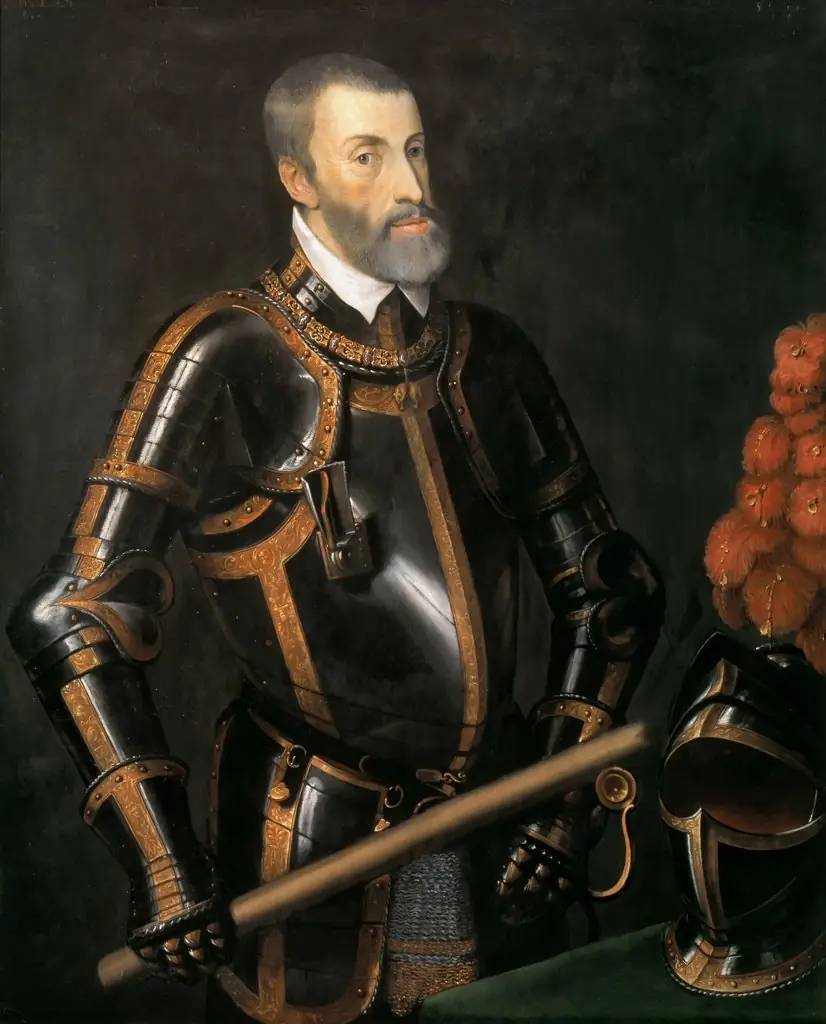 Emperor Charles V in armour
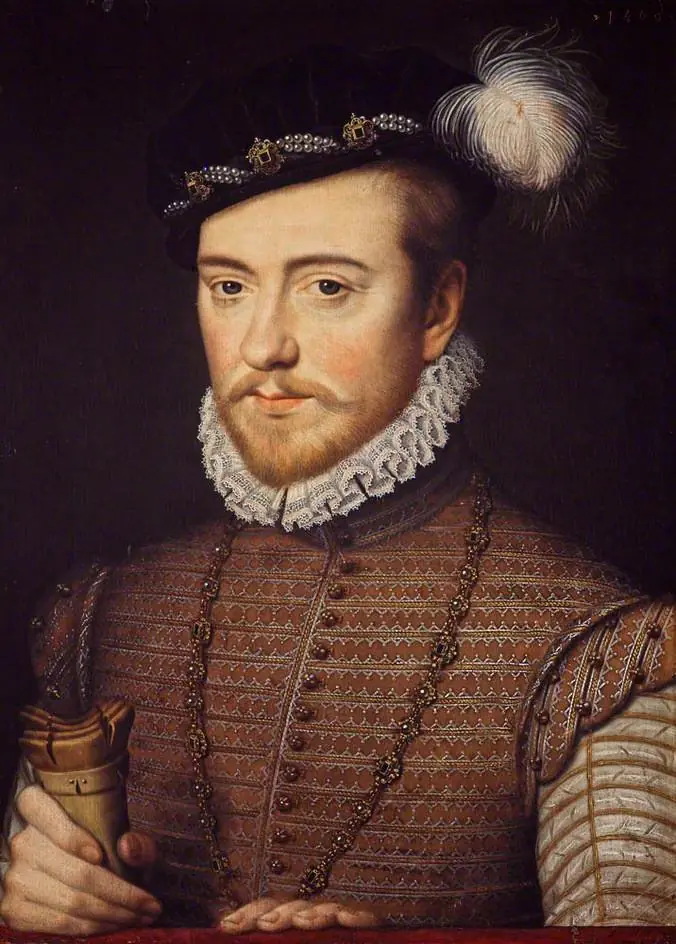 Portrait of a Man, called the Duc d'Alençon
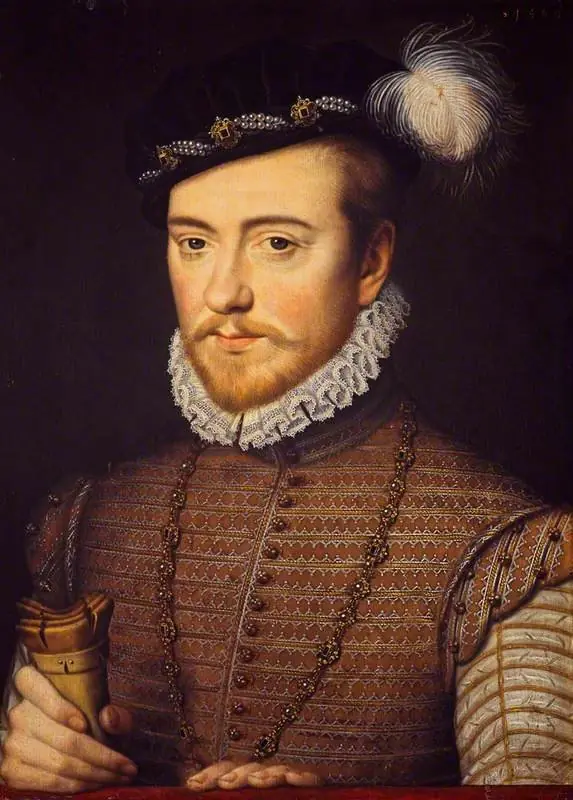 Portrait of a Man (said to be the Duc d'Alençon)
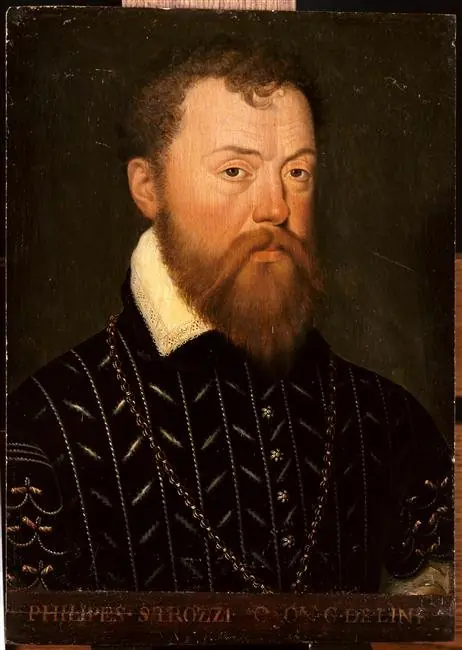 Pierre Strozzi, maréchal de France
 Portrait of a Knight of the Order of Santiago