Artwork
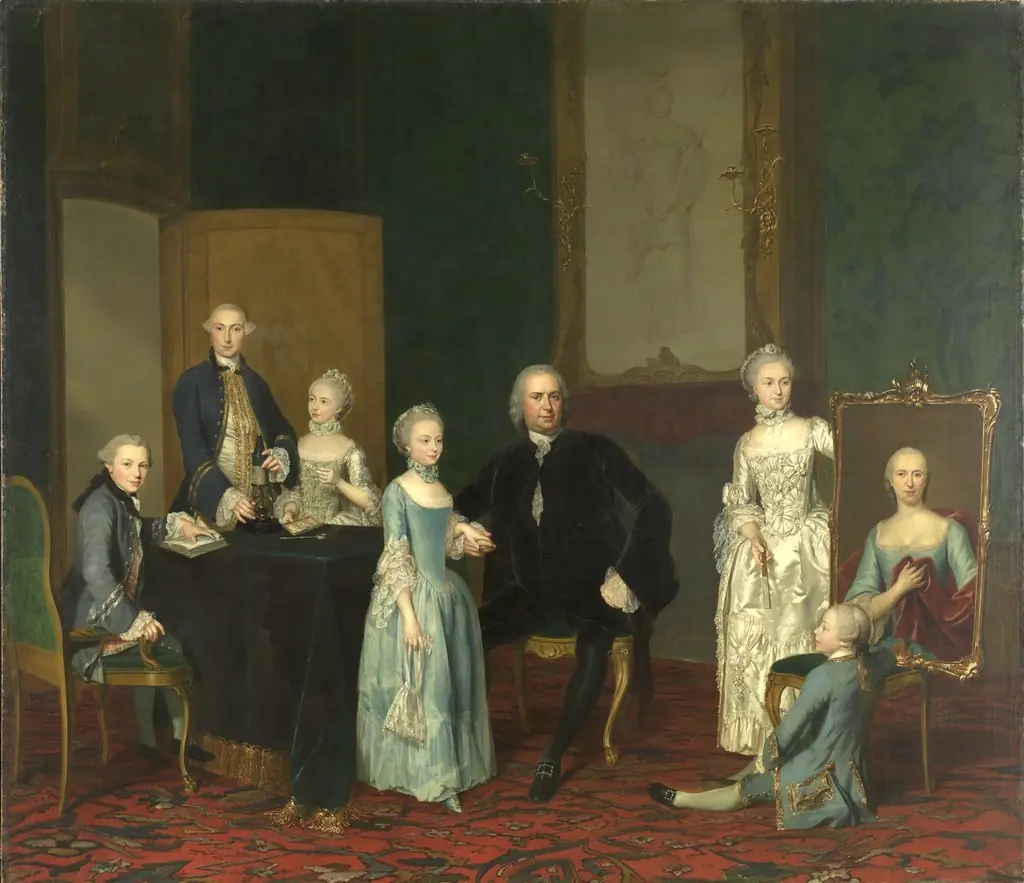
Portrait of Pieter Cornelis Hasselaer, Adviser to the Dutch East India Company and Burgomaster of Amsterdam, with his Family
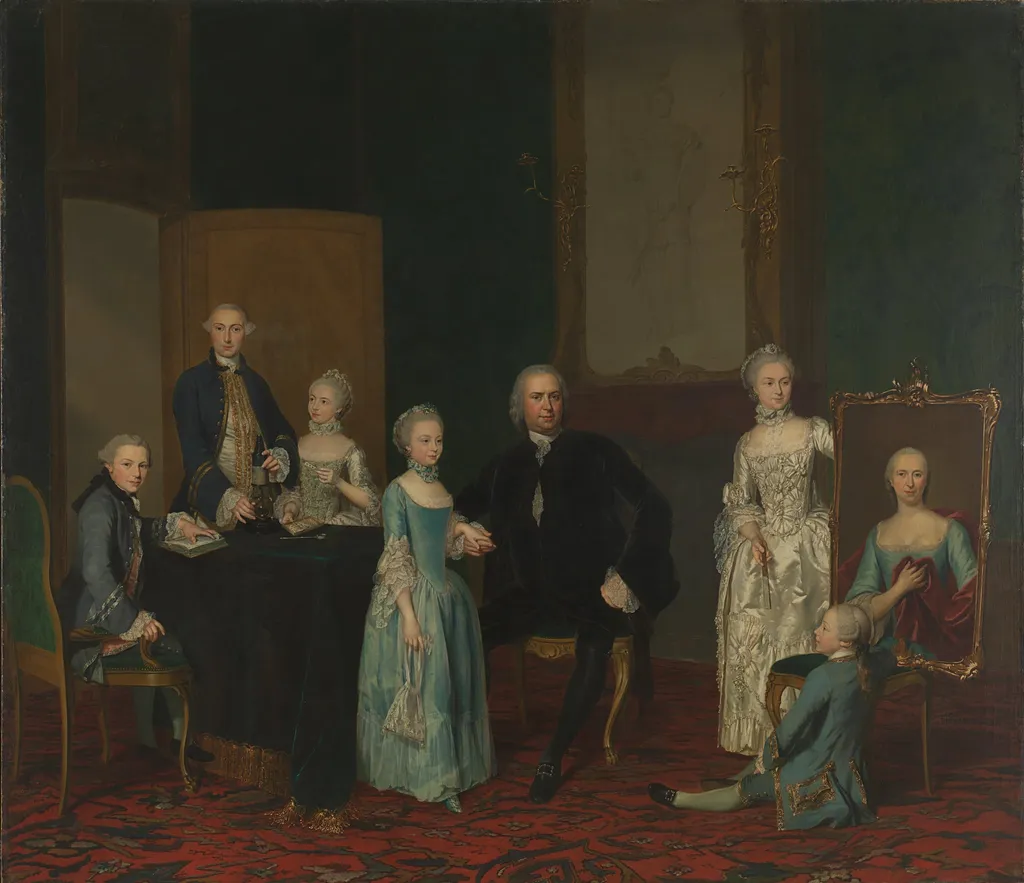
Portrait of Pieter Cornelis Hasselaer, Adviser to the Dutch East India Company and Burgomaster of Amsterdam, with his Family is an unspecified painting by the Rococo painting artist Unknown. It dates from 1763 and is held in the collection of the Rijksmuseum.
About this work
Overview
The work portrays Pieter Cornelis Hasselaer, a senior official of the Dutch East India Company and former mayor of Amsterdam, together with his immediate family. Arranged within an opulently appointed interior, the group consists of seven figures—Hasselaer centrally positioned, his wife and daughters in light‑toned gowns, and two sons, one kneeling with a small chair and the other seated with a book.
Subject & Meaning
The central figure’s dark coat and upright stance convey gravitas, while the delicate lacework of the women’s dresses signals wealth and refinement.
The composition emphasizes the patriarch’s authority and the family’s social standing. The central figure’s dark coat and upright stance convey gravitas, while the delicate lacework of the women’s dresses signals wealth and refinement. The inclusion of a book and a kneeling child suggests education and continuity of lineage, typical of 17th‑century Dutch portraiture that linked personal virtue with civic prestige.
Technique & Style
The painter employs chiaroscuro, contrasting illuminated faces with deeper shadows to model forms and create spatial depth. Fine details—such as the gold‑framed mirrors, ornate chairs, and the patterned red rug—are rendered with meticulous brushwork, reflecting the Dutch Golden Age’s interest in realism and material texture.
History & Provenance
The portrait was likely commissioned in the mid‑1600s, a period when Amsterdam’s mercantile elite frequently documented their status through family paintings. It has remained in private collections before entering a museum inventory, where it serves as a visual record of Hasselaer’s civic role and the domestic aesthetics of his era.
Context
During the Dutch Golden Age, portraiture functioned as both personal commemoration and public affirmation of civic duty. Hasselaer’s dual roles—as a director of the VOC and as burgomaster—placed him among the city’s governing class, whose wealth enabled the commissioning of elaborate group portraits that highlighted familial harmony and social hierarchy.
Artist & collection

 Domestic Scene
 Giacomo and Cardinal Marco, investing Andrea, Abbot of San Zeno, with his Benefice
 The Nymph of Fontainebleau
 Portrait of a Woman
 Madonna and Child with Saints in the Enclosed Garden
 Venus and Minerva
 Family Group of Four on Sofa
 Wall painting from Room H of the Villa of P. Fannius Synistor at Boscoreale
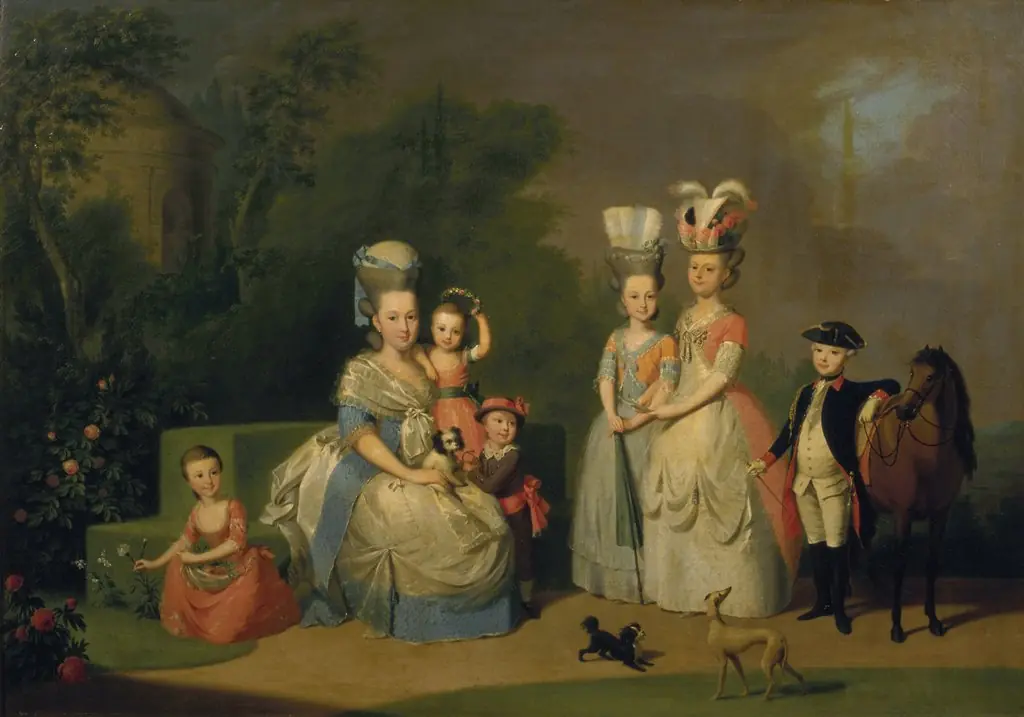 Portrait of Carolina Wilhelmina of Orange (1743-1787) and her Children
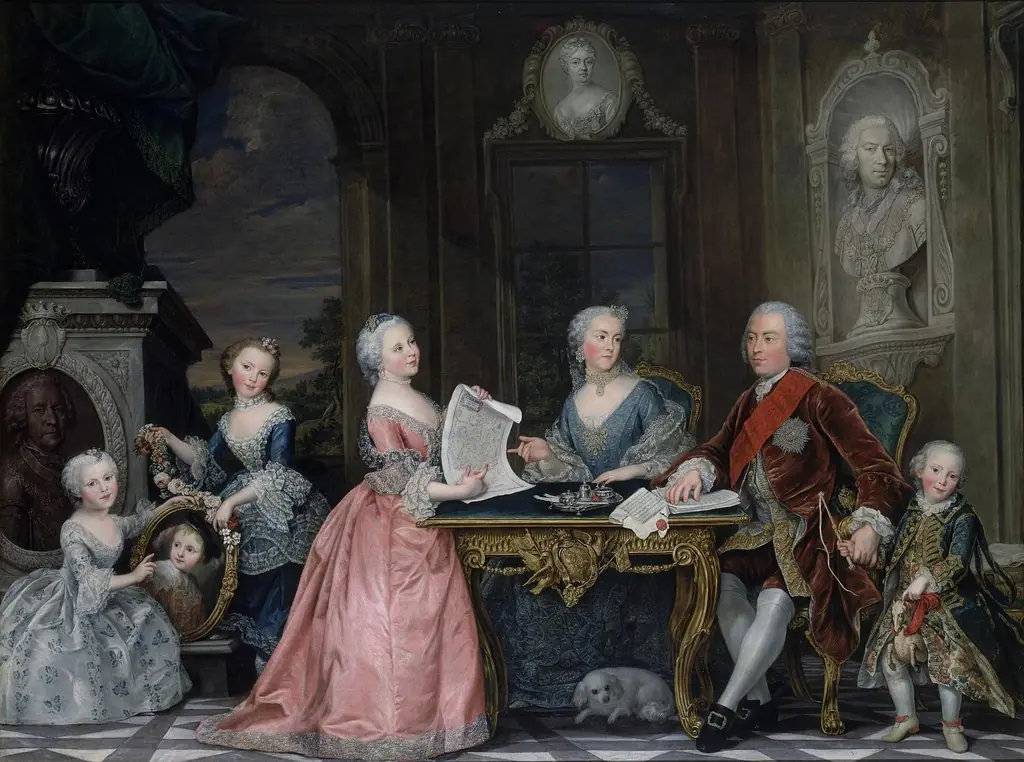 Portrait of Ambassador P.G. Chernyshev with Family
 The Souchay Family
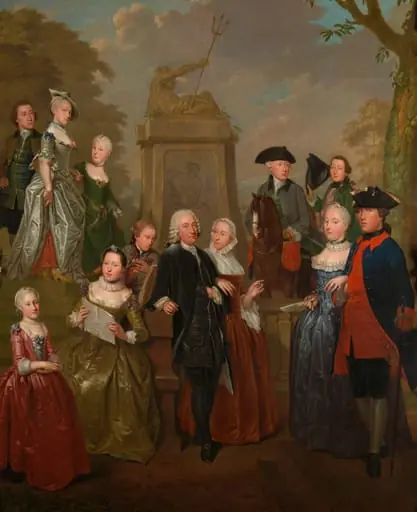 Portrait of Theodorus Bisdom van Vliet and his Family
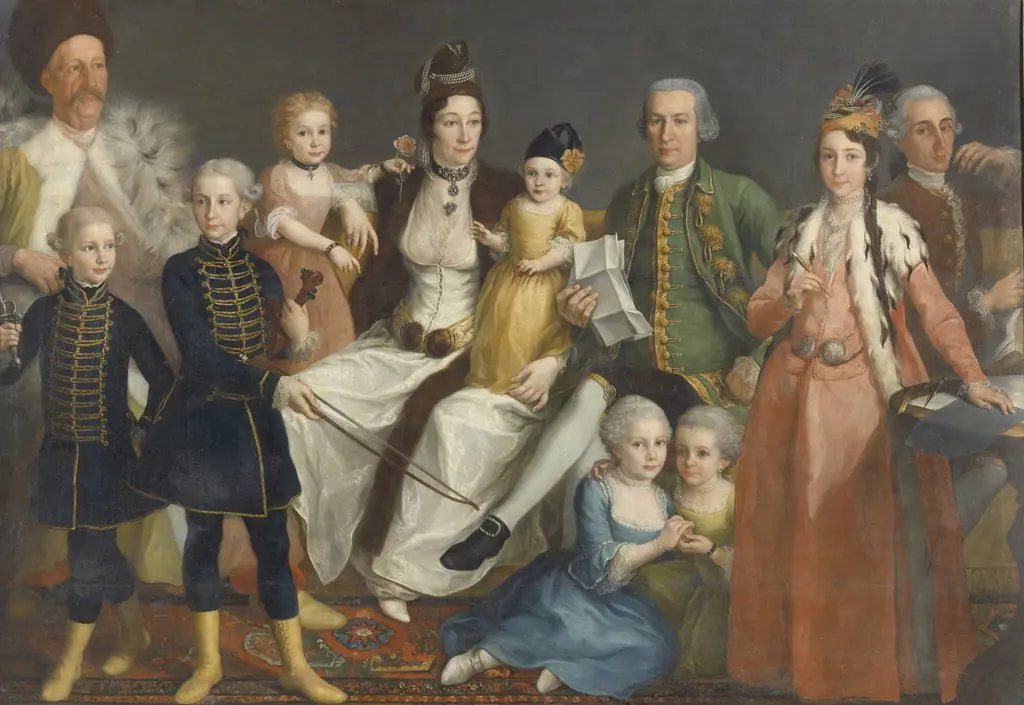 Portrait of David George van Lennep, Chief Merchant of the Dutch Factory at Smyrna (Izmir) and his Wife and Children
 Portrait of the Van Lennep Family, a Merchant Family in Izmir
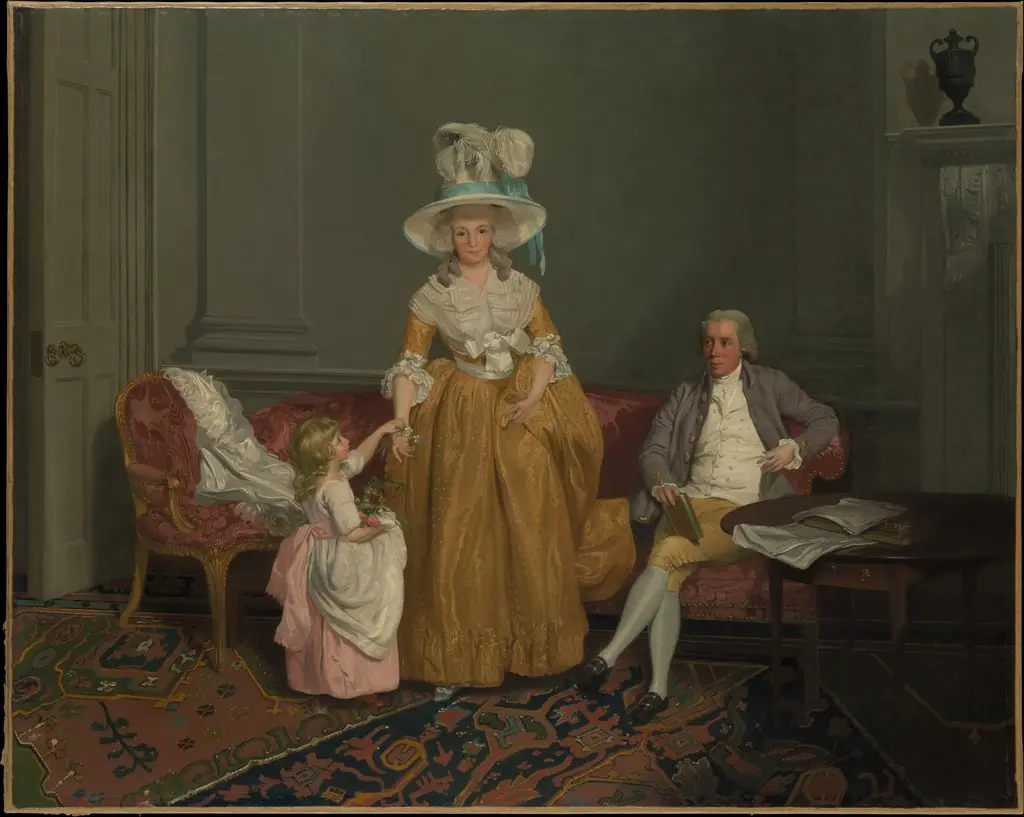 The Saithwaite Family
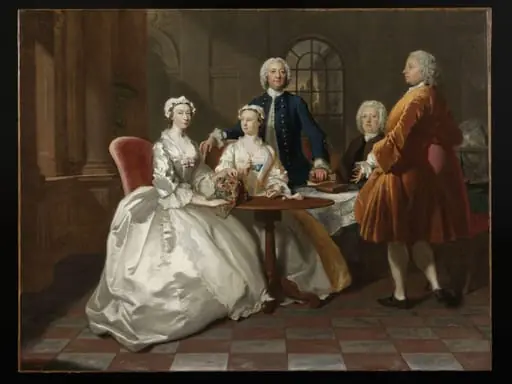 A portrait of the Vigor Family: Jane Vigor, Joseph Vigor, Ann Vigor, William Vigor and probably John Penn
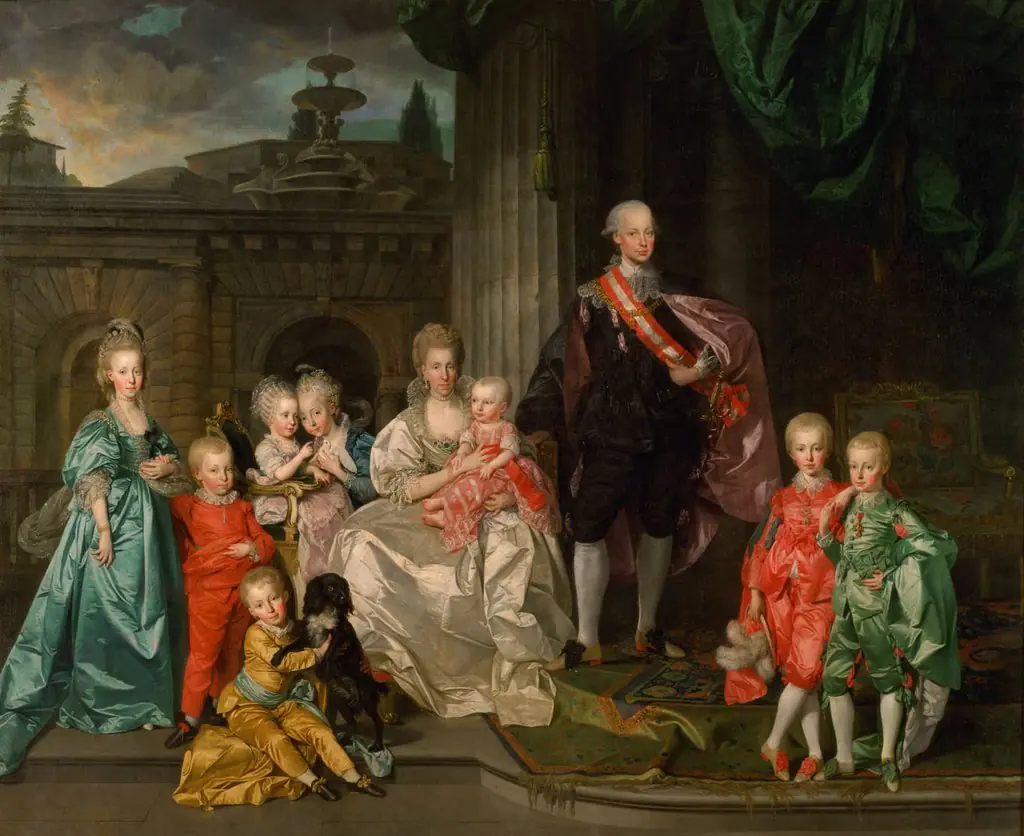 Leopold I, Grand Duke of Tuscany with his wife Maria Luisa and their children
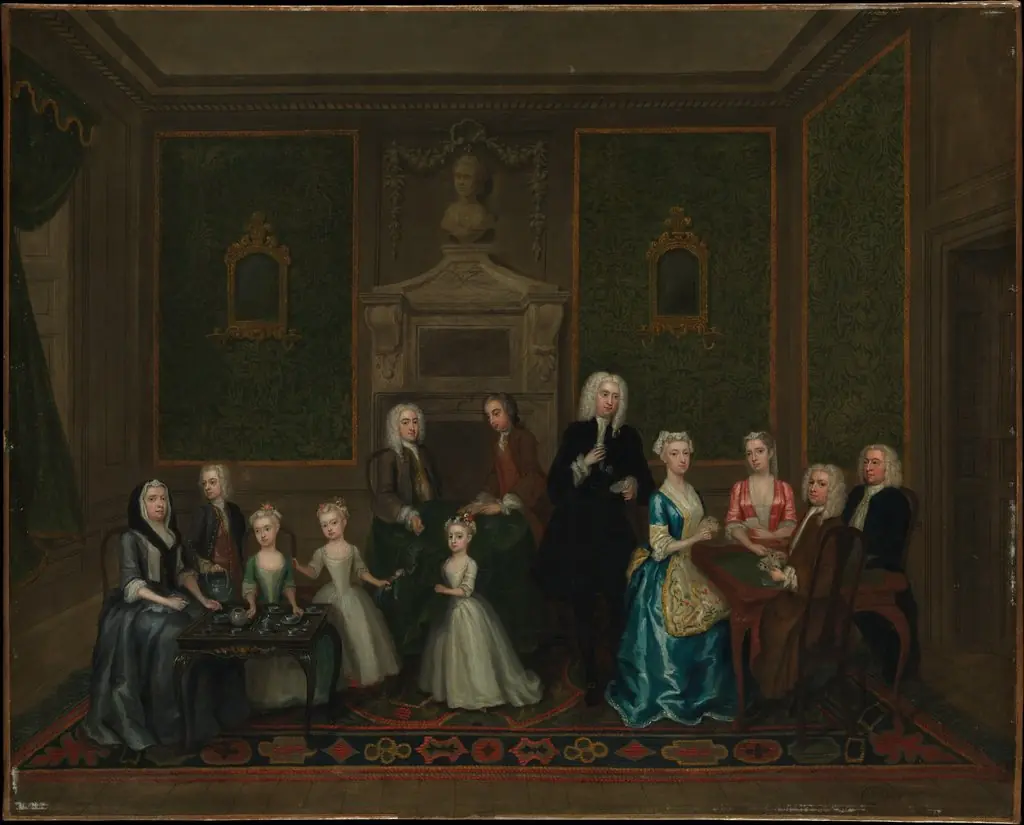 The Strong Family
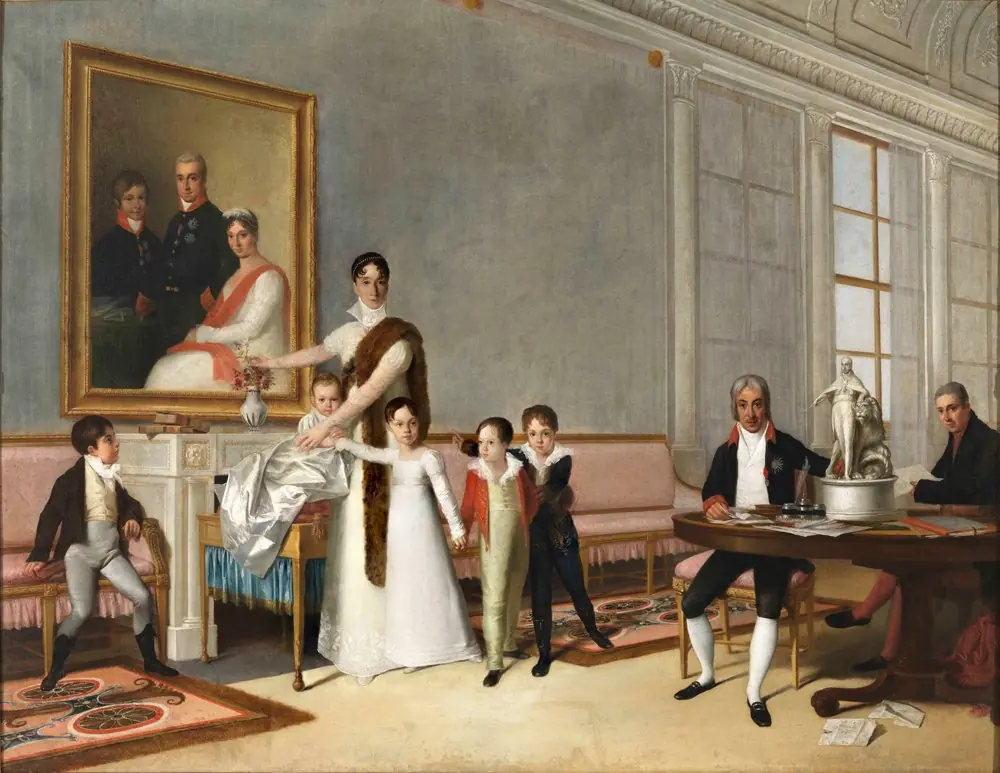 Portrait of the Family of the 1st Viscount of Santarém
 Portrait of Pieter Cornelis Hasselaer (1720–1797) and his Children