Artwork
Bildnis einer älteren Frau
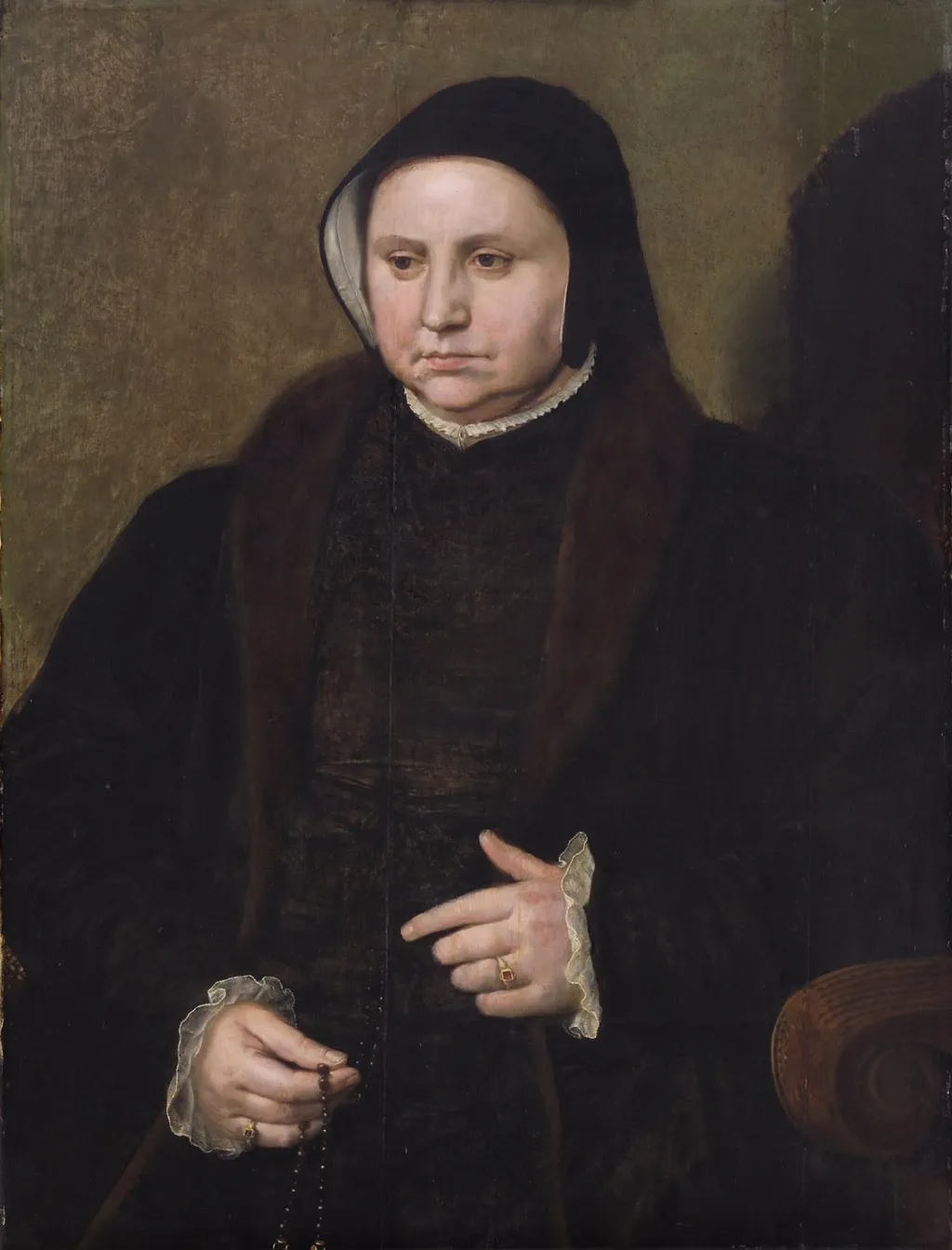
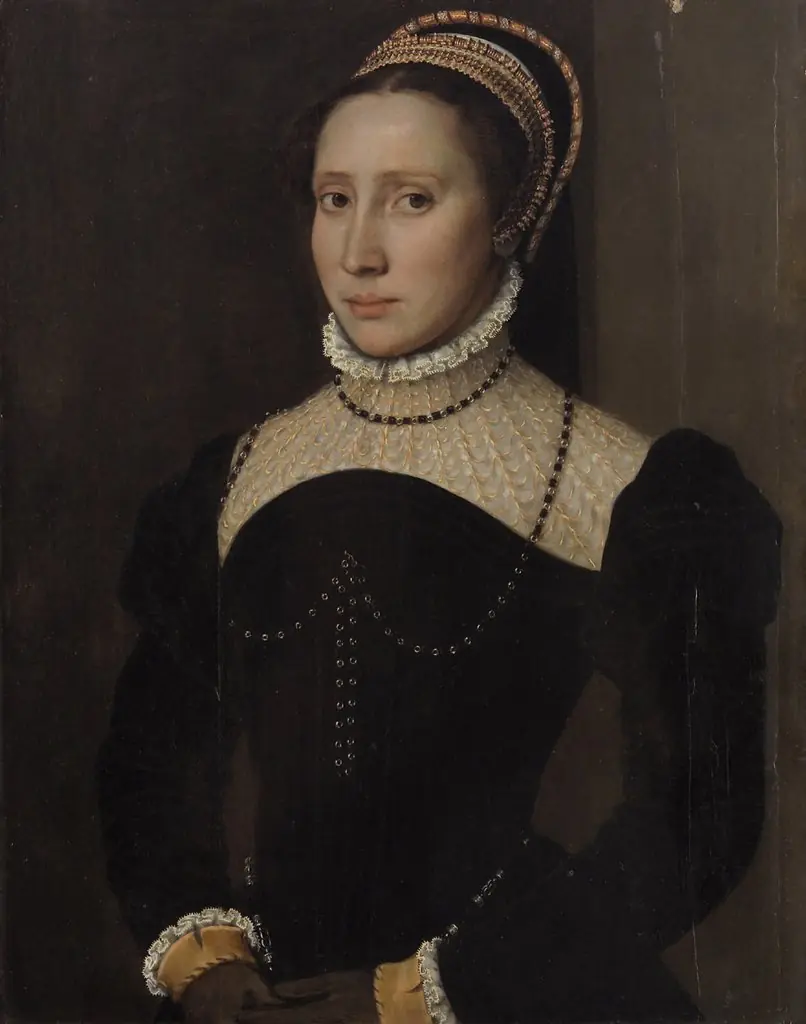
Bildnis einer älteren Frau is an unspecified painting by the Mannerist artist Unknown. It dates from 1550 and is held in the collection of the Kunsthistorisches Museum. This oil painting depicts an elderly woman in somber, modest attire, rendered with quiet precision.
About this work
Overview
This oil painting depicts an elderly woman in somber, modest attire, rendered with quiet precision.
This oil painting depicts an elderly woman in somber, modest attire, rendered with quiet precision. Her dark dress, white lace collar, and head covering frame a composed, introspective gaze. In her hands, she holds a rosary, reinforcing a devotional context. The muted brown background isolates her figure, enhancing the contemplative tone. No signature or date is present, and the artist remains unidentified.
Subject & Meaning
The woman’s attire and the rosary indicate a life of religious devotion, likely within a Catholic tradition. Her age and solemn expression suggest reflection, perhaps on mortality or spiritual endurance. The ring on her right hand may signify marital status or personal significance. The absence of ornate surroundings directs focus to her inner state, emphasizing piety over social status.
Technique & Style
The painter employs a restrained palette dominated by deep browns and blacks, with subtle contrasts in the white lace to draw attention to the face and hands. Brushwork is precise but unadorned, avoiding theatricality. Light falls gently on the features and rosary, modeling form without dramatic chiaroscuro. The composition is tightly framed, reinforcing intimacy and restraint.
History & Provenance
The painting’s origin and early ownership are undocumented. It lacks inscriptions, seals, or archival records linking it to a known collection or artist. Its survival suggests it was privately held, possibly within a religious household or regional collector’s circle. No exhibition history or scholarly attribution has been established to date.
Context
This portrait aligns with 17th-century Northern European devotional portraiture, where modest dress and religious objects signaled moral character. Similar works by anonymous artists reflect a broader trend of depicting ordinary individuals with dignity, particularly among middle-class or clerical communities. The style diverges from aristocratic grandeur, favoring quiet authenticity.
Legacy
Though unattributed, the painting contributes to the understated tradition of religious portraiture in early modern Europe. It offers insight into how personal faith was visually encoded outside elite circles. Its preservation underscores the value placed on quiet, private devotion, even when the artist’s identity was not deemed worthy of record.
Artist & collection

 Domestic Scene
 Giacomo and Cardinal Marco, investing Andrea, Abbot of San Zeno, with his Benefice
 The Nymph of Fontainebleau
 Portrait of a Woman
 Madonna and Child with Saints in the Enclosed Garden
 Venus and Minerva
 Family Group of Four on Sofa
 Wall painting from Room H of the Villa of P. Fannius Synistor at Boscoreale
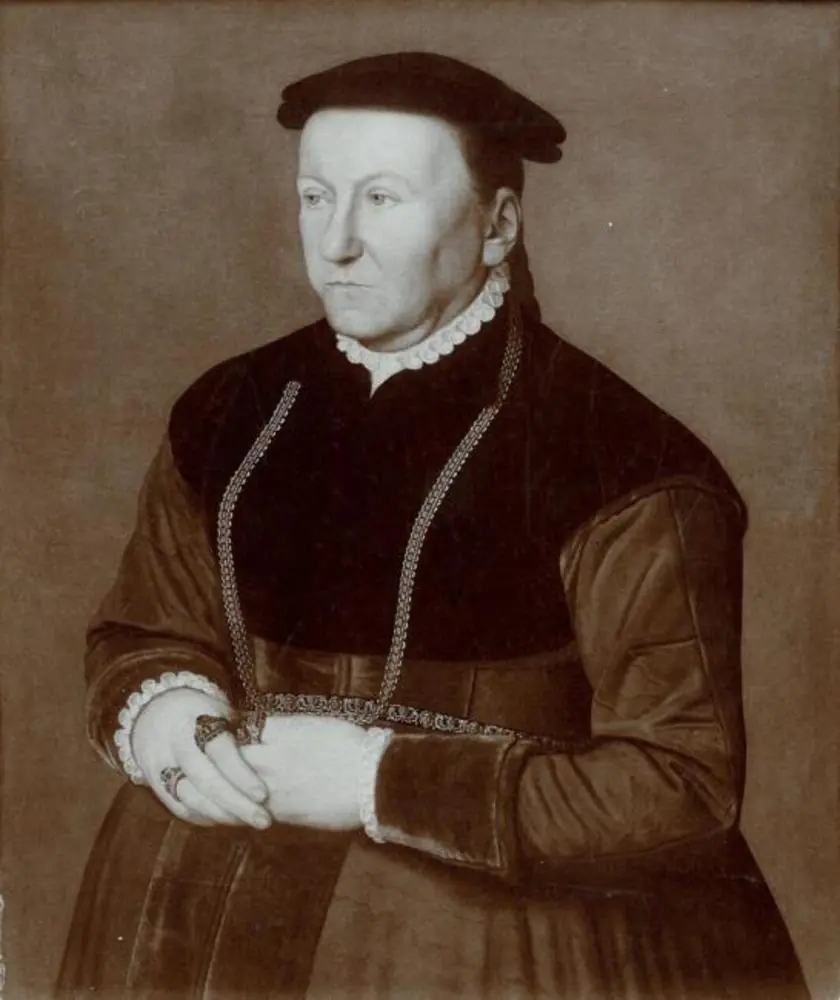 Portrait of an unknown woman
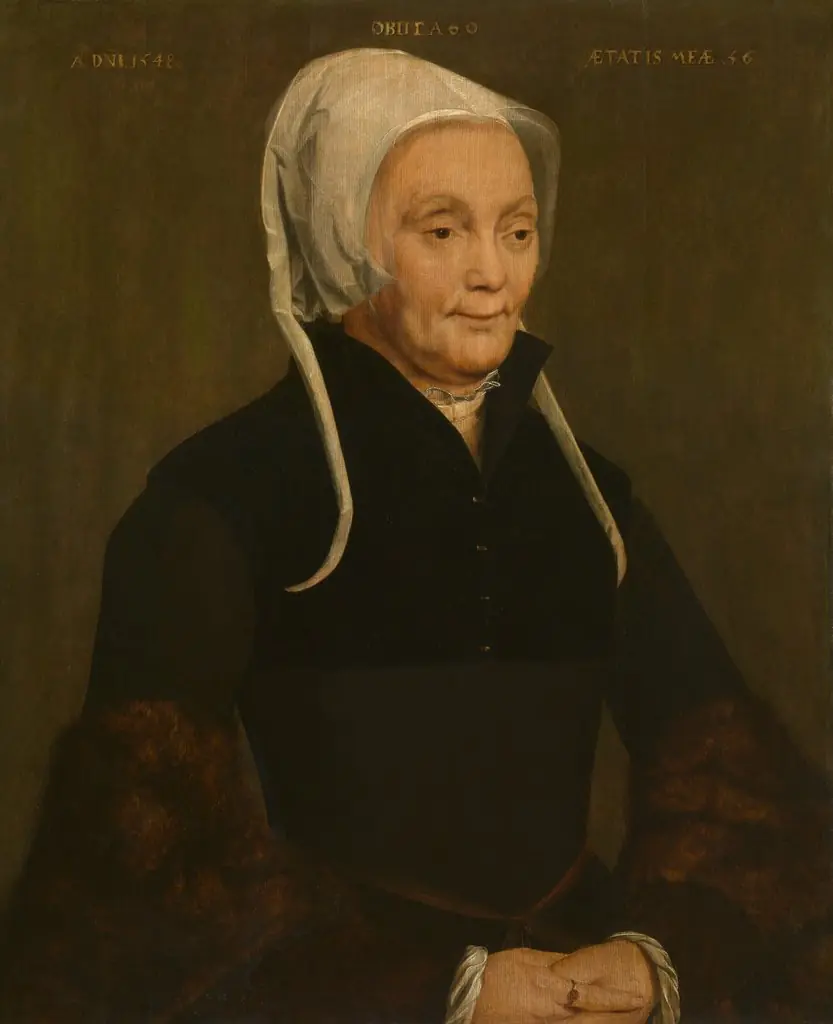 Portrait of a Woman
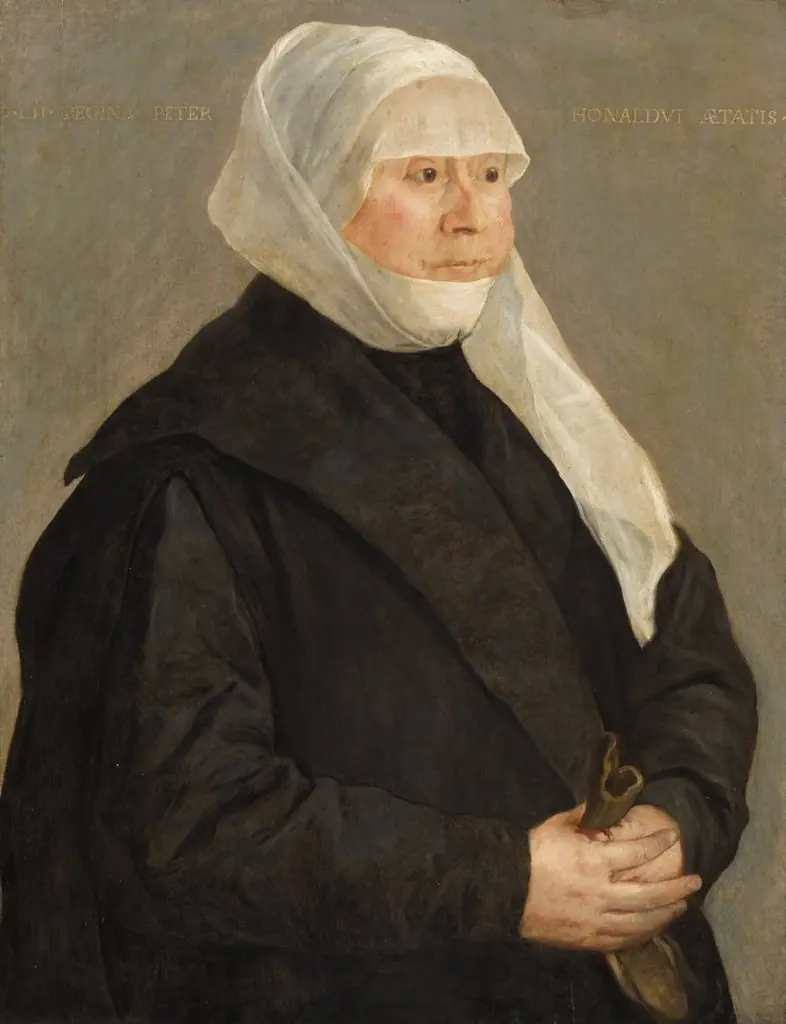 Regina von Stetten (1499-1562), Gemahlin des Peter Honold
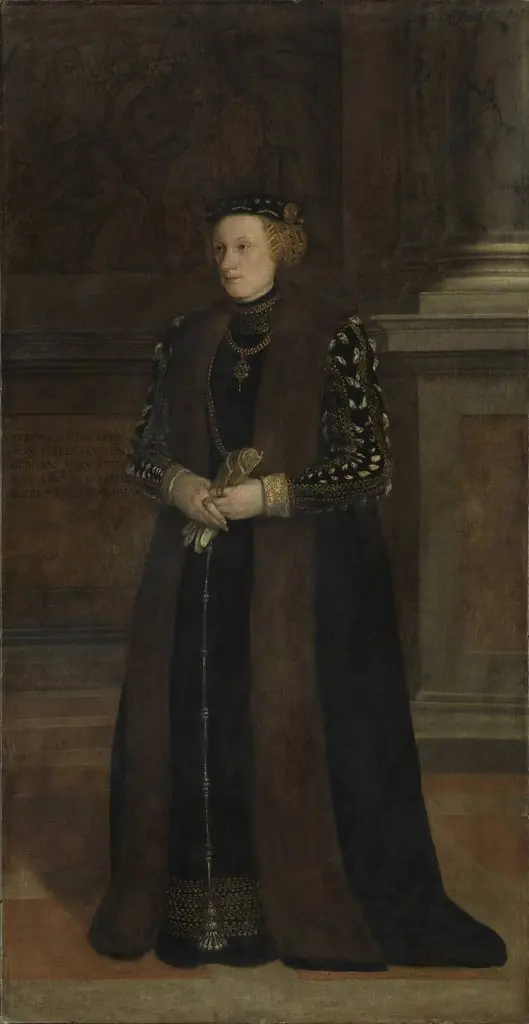 Veronika Vöhlin, geb. von Freyberg zum Eisenberg, Hallenwang und Neidlingen (1523-1582)
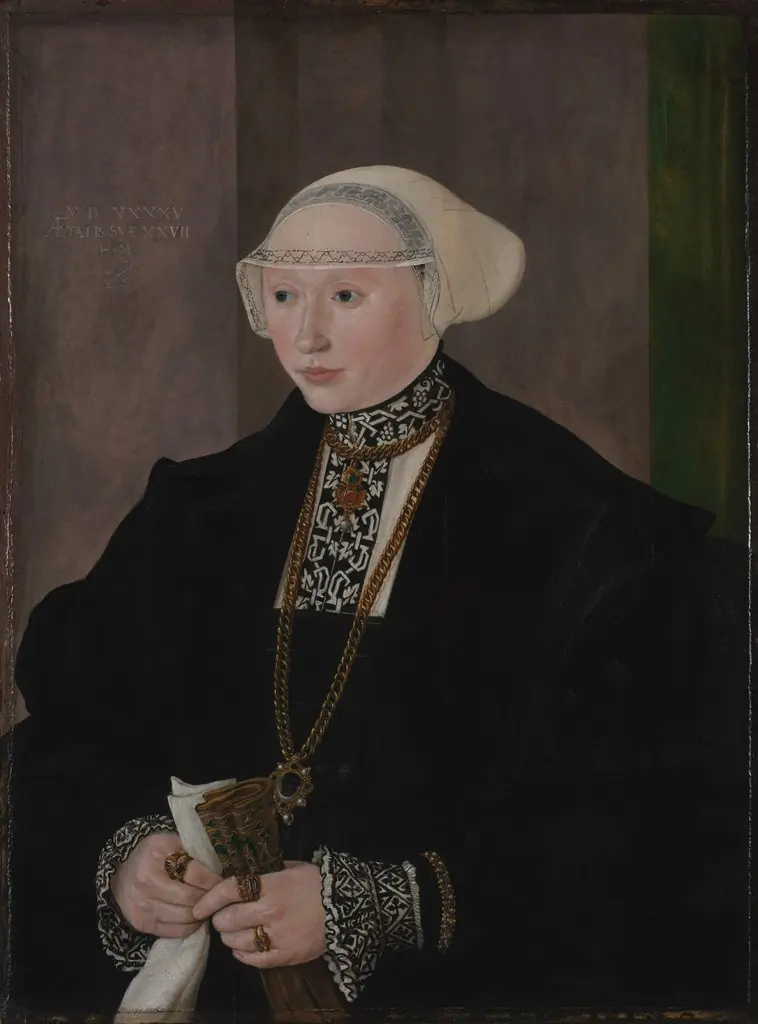 Portrait of Maria Kitscher, Frau von Freyberg
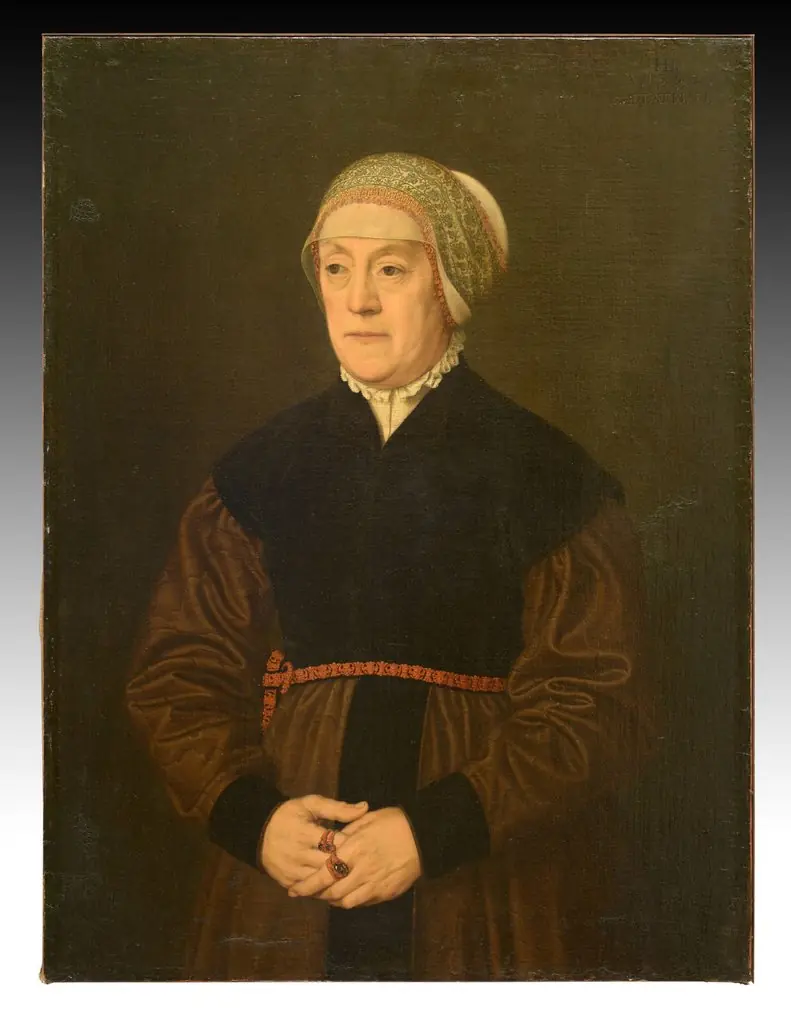 Portrait of an Elderly Woman
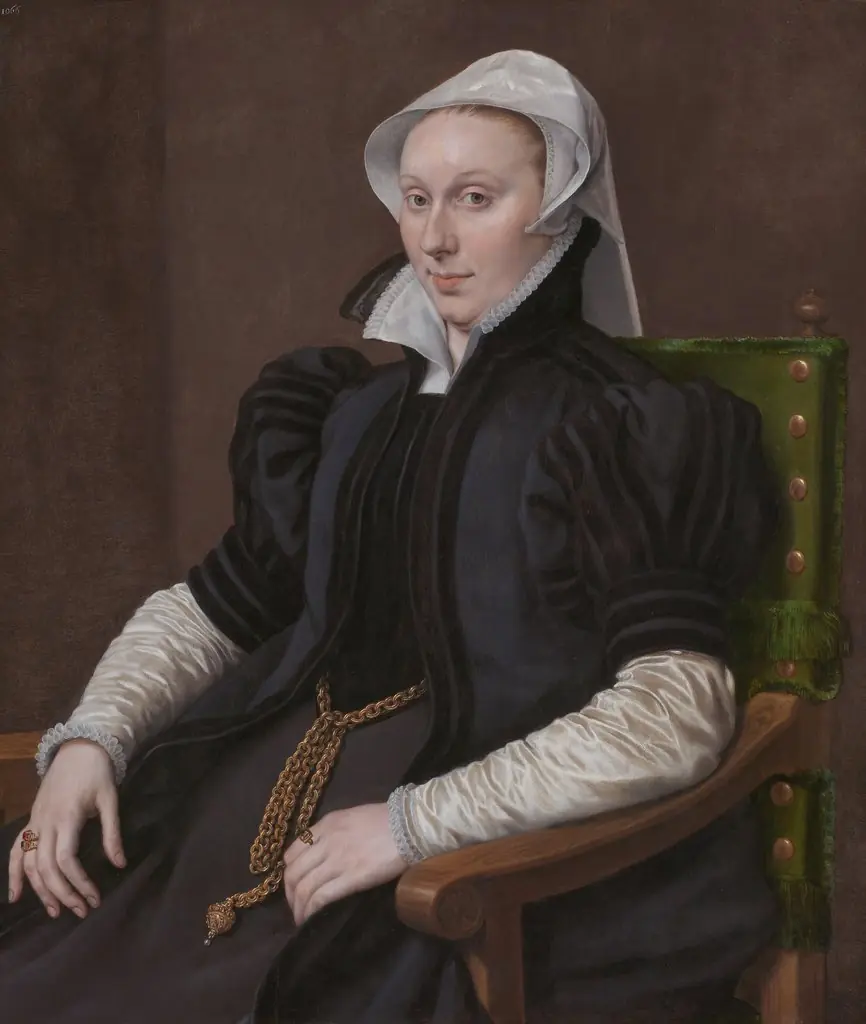 Portrait of Anne Fernely, pendant to Sir Thomas Gresham
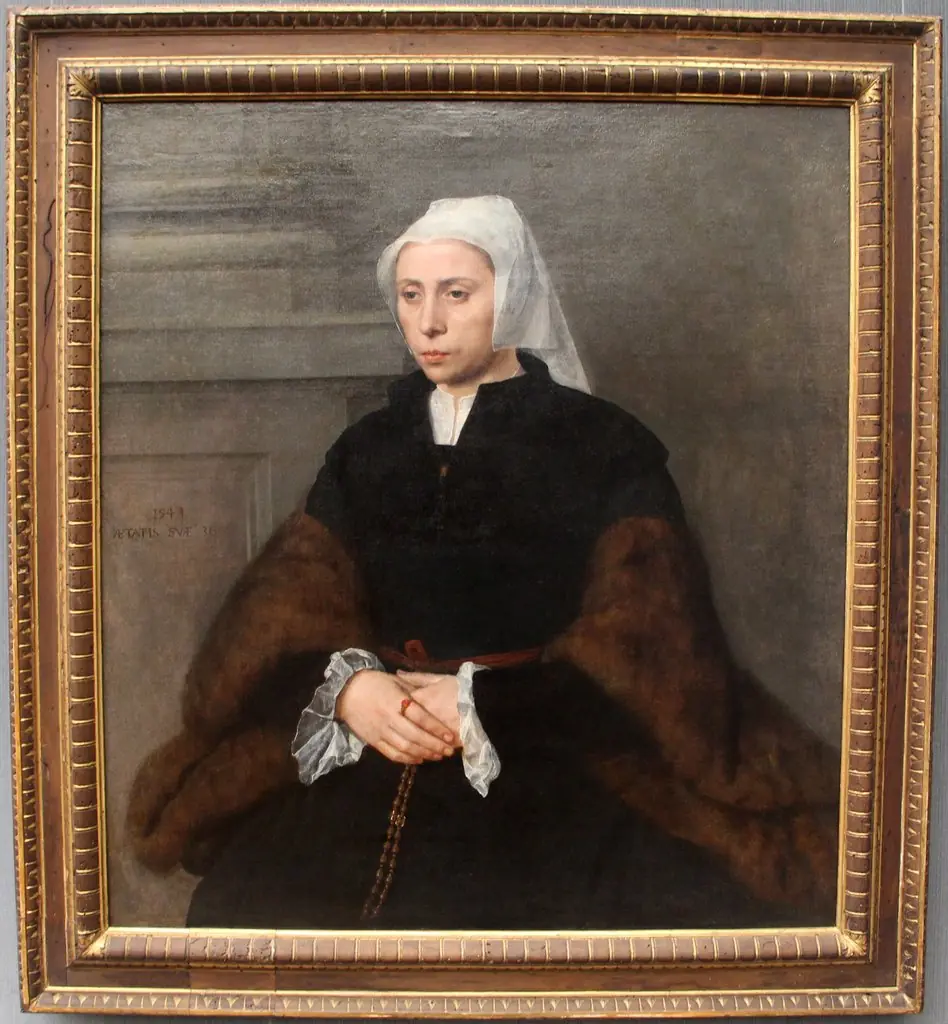 Portrait of a 36-year-old woman
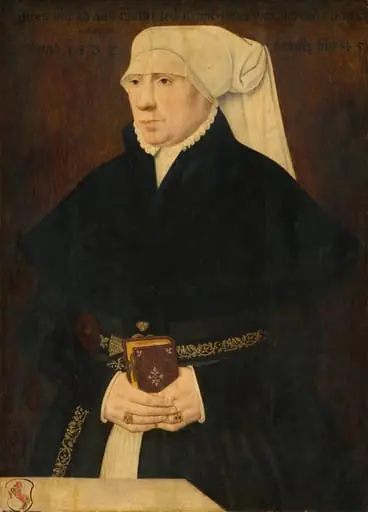 Portrait of a Lady
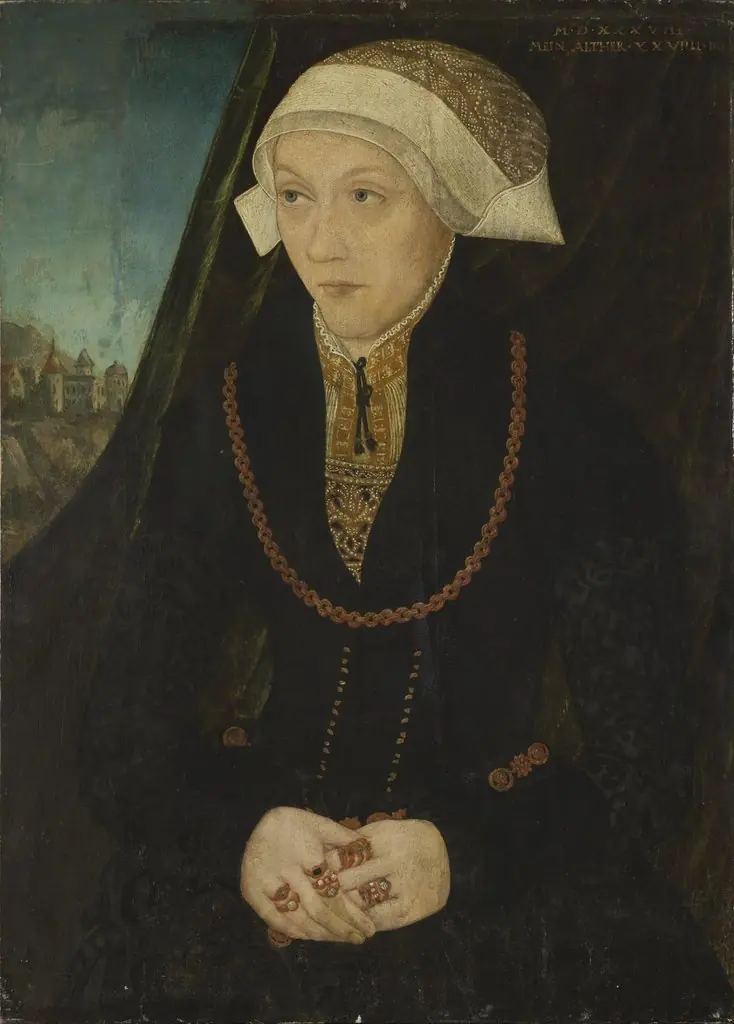 Portrait of a woman
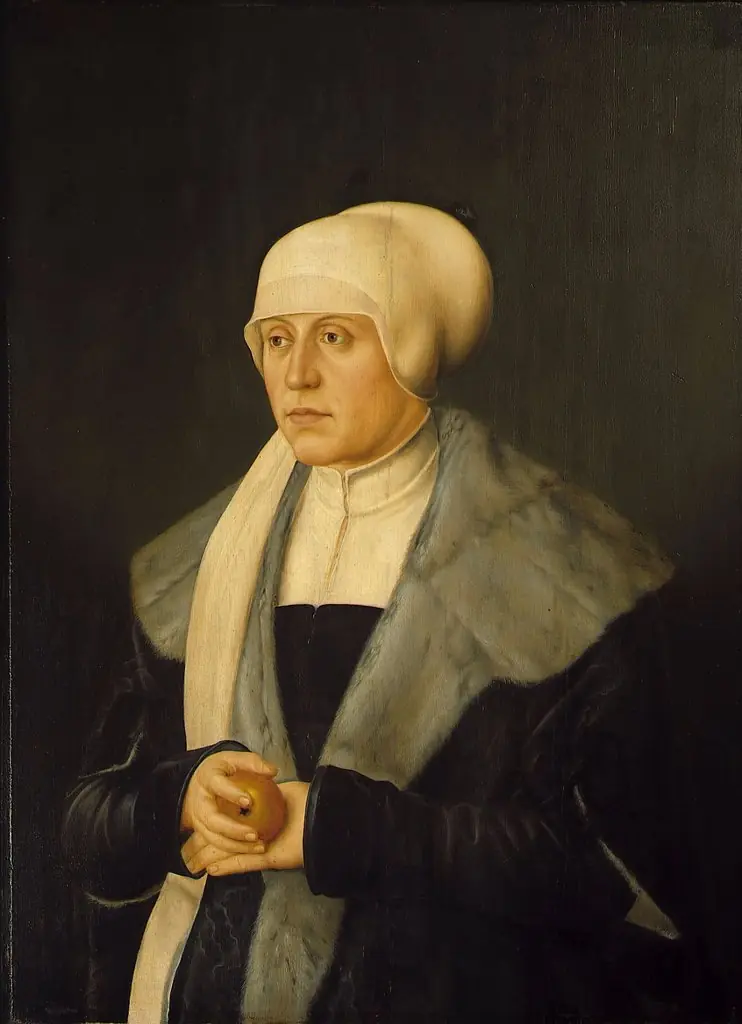 Kunigunde of Austria, wife of Duke Albrecht IV of Bavaria
 Weibliches Bildnis