Artwork
Ras Morbut Fort and Little Aden
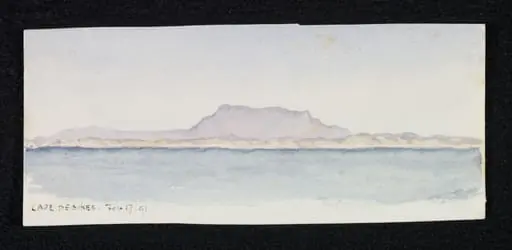
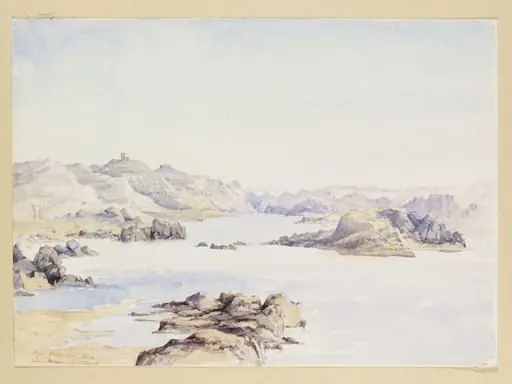
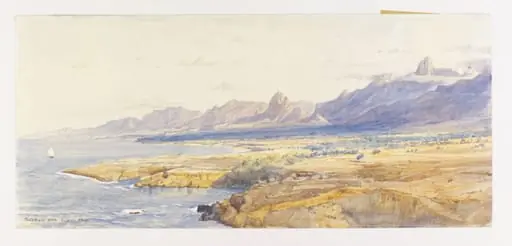
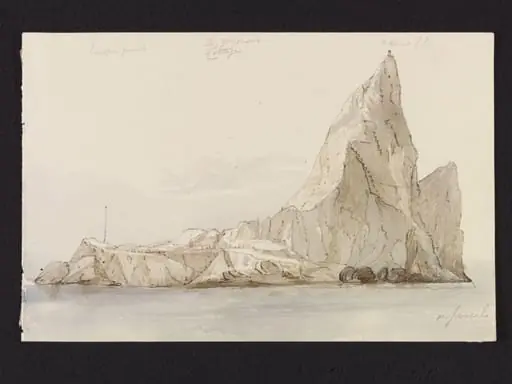
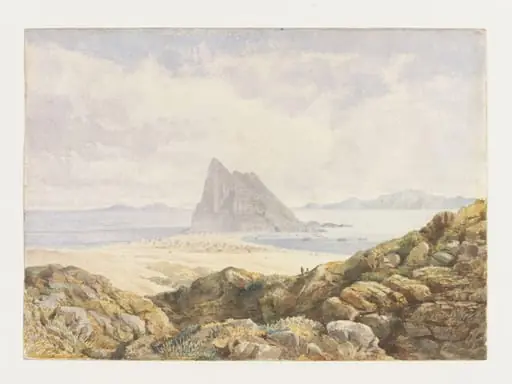
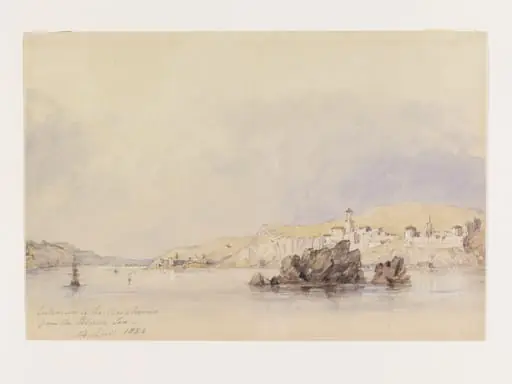
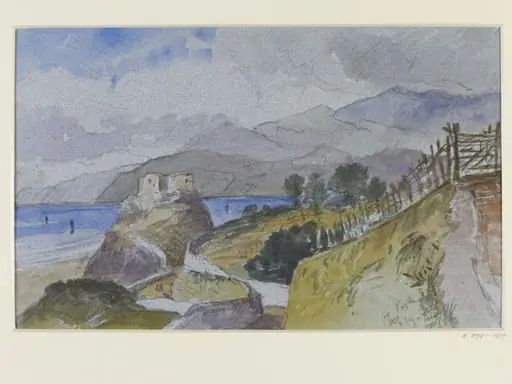
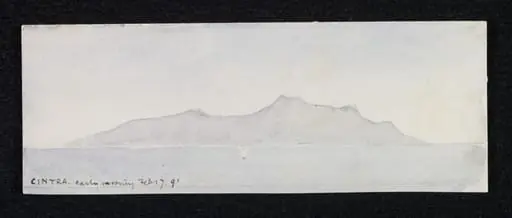
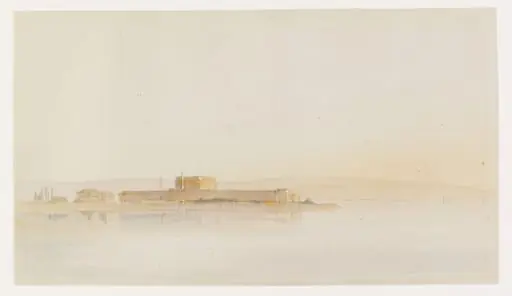
Ras Morbut Fort and Little Aden is a watercolor work on paper by the Impressionist artist Unknown. It dates from 1870 and is held in the collection of the Victoria and Albert Museum. This watercolour, dated 1870, portrays Ras Morbut Fort and the adjacent coastal terrain of Little Aden.
About this work
Overview
Rosenthal alongside a companion piece, for a modest sum of £5, reflecting its modest market status at the time of entry into the collection.
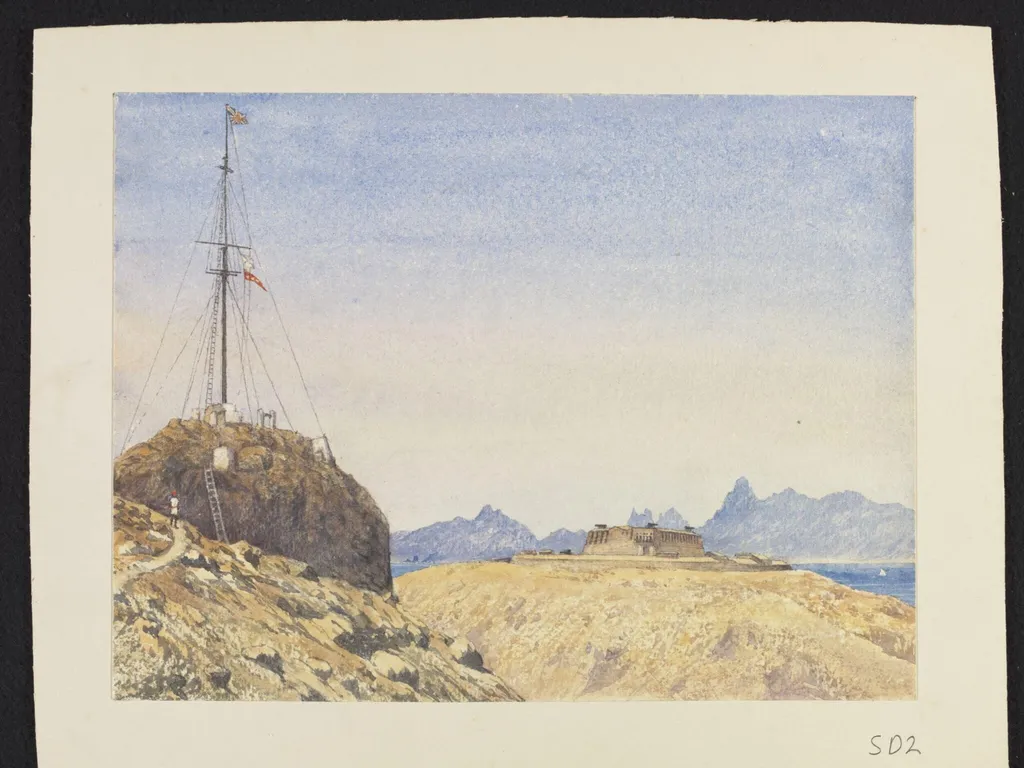
This watercolour, dated 1870, portrays Ras Morbut Fort and the adjacent coastal terrain of Little Aden. Executed with restrained tonality and fine brushwork, the scene captures a quiet moment along the southern Arabian coast. The work was acquired in 1971 from A. Rosenthal alongside a companion piece, for a modest sum of £5, reflecting its modest market status at the time of entry into the collection.
Subject & Meaning
The composition centers on a rocky promontory crowned by a military fort, with a lone mast bearing a flag rising from the cliff’s edge. A small figure stands near the base of the mast, suggesting human presence without narrative emphasis. The calm sea and distant mountains frame the scene as a quiet observation of place, likely intended as a topographical record rather than a dramatic statement.
Technique & Style
The artist employed translucent watercolour washes to suggest atmospheric depth, with soft gradations between sky, sea, and land. Delicate, controlled brushstrokes define rock formations and architectural details without heavy outline, reinforcing the scene’s stillness. The palette remains muted, avoiding bold contrasts to preserve a sense of serene, early morning light.
History & Provenance
Created in 1870, the watercolour entered a public collection in October 1971 through acquisition from A. Rosenthal, who had held it alongside another work. No earlier provenance is documented, and the artist’s identity remains unrecorded. Its low purchase price suggests it was regarded as a minor, perhaps amateur, work at the time of acquisition.
Context
In the late 19th century, British military and colonial personnel often produced watercolours of strategic coastal sites in southern Arabia. Ras Morbut Fort, part of a network of defensive positions, would have been a familiar subject. These works served as visual records, documenting terrain and installations for administrative or personal use rather than artistic display.
Legacy
Though unsigned and unattributed, the painting contributes to a broader archive of 19th-century topographical watercolours from the Arabian Peninsula. Its quiet realism offers insight into how distant outposts were visually perceived and recorded by observers, preserving a subtle record of colonial-era geography without embellishment or grandeur.
Artist & collection

 Domestic Scene
 Giacomo and Cardinal Marco, investing Andrea, Abbot of San Zeno, with his Benefice
 The Nymph of Fontainebleau
 Portrait of a Woman
 Madonna and Child with Saints in the Enclosed Garden
 Venus and Minerva
 Family Group of Four on Sofa
 Wall painting from Room H of the Villa of P. Fannius Synistor at Boscoreale