Artwork
Recipient de formă tronconică, adâncit, cu buza evazată. Smălțuit în interior și la exterior (buza). Pe fund are o marcă în formă de ”X” de culoare albă. Cromatică: cărămiziu, alb.
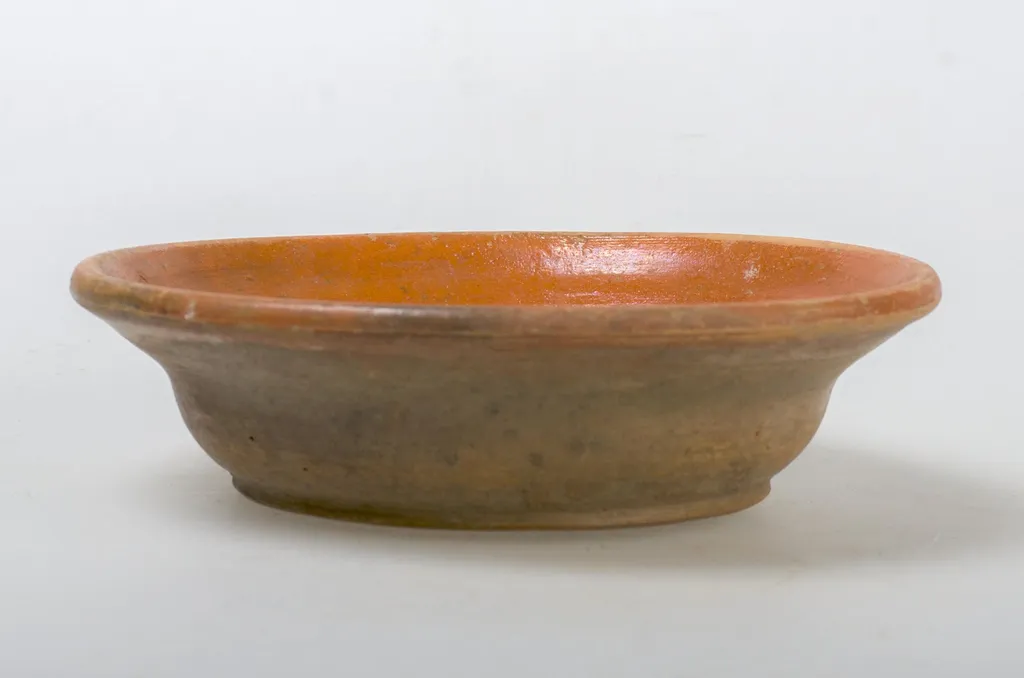
Recipient de formă tronconică, adâncit, cu buza evazată. Smălțuit în interior și la exterior (buza). Pe fund are o marcă în formă de ”X” de culoare albă. Cromatică: cărămiziu, alb. is a print by Unknown. It dates from 1850 and is held in the collection of the ASTRA National Museum Complex. A small, shallow ceramic vessel with a conical form, widened at the rim and narrowing toward the base.
About this work
Overview
A small, shallow ceramic vessel with a conical form, widened at the rim and narrowing toward the base.
A small, shallow ceramic vessel with a conical form, widened at the rim and narrowing toward the base. The exterior and interior surfaces are glazed, with the glaze concentrated along the lip. The clay body exhibits a reddish-brown hue, while the interior appears lighter. A distinct white 'X' mark is impressed on the base, likely a maker’s or ownership symbol. The piece suggests utilitarian use, possibly for serving or storage.
Subject & Meaning
No figurative or symbolic decoration is present; the vessel’s significance lies in its form and finish. The glazed interior implies function requiring liquid containment or cleanliness, while the unadorned exterior points to practicality over ornamentation. The 'X' mark may denote production batch, owner, or workshop identity, reflecting systems of accountability in its cultural context.
Technique & Style
Hand-formed from coarse clay, the vessel was fired and coated with a thin, glossy glaze applied to both interior and rim. The glaze technique suggests knowledge of temperature control and surface sealing. The simple conical shape with a flared lip is typical of utilitarian wares, emphasizing function over decoration. The white 'X' was likely applied before firing, possibly with a slip or pigment.
History & Provenance
The object lacks documented excavation or collection history. Its form and glazing align with regional ceramic traditions from areas where low-fired, glazed tableware was common in domestic settings. The white 'X' mark resembles identifiers found on folk or workshop-produced ceramics in Southeastern Europe, though its exact origin remains unverified.
Context
This vessel likely belonged to a household or small-scale production environment where ceramics were made for daily use. Similar forms appear in rural or non-elite contexts across Eastern Europe, where glazed surfaces improved hygiene and durability. Its modest size and lack of ornamentation suggest it was not ceremonial, but part of routine domestic life.
Legacy
Though unattributed to a specific culture or artisan, the piece contributes to understanding vernacular ceramic practices in pre-industrial communities. Its preservation highlights the value placed on functional, durable objects in everyday life. Comparable examples in ethnographic collections help trace the spread of simple glazing techniques across rural Europe.
Artist & collection

 Domestic Scene
 Giacomo and Cardinal Marco, investing Andrea, Abbot of San Zeno, with his Benefice
 The Nymph of Fontainebleau
 Portrait of a Woman
 Madonna and Child with Saints in the Enclosed Garden
 Venus and Minerva
 Family Group of Four on Sofa
 Wall painting from Room H of the Villa of P. Fannius Synistor at Boscoreale
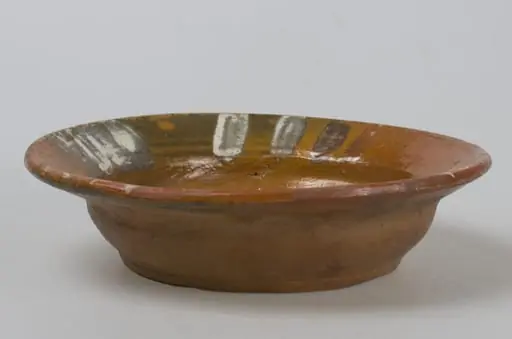 Blid de formă tronconică, adâncită, cu buza evazată, smălțuit în interior și la exterior (buza). Decorul este prezent în zona buzei și este compus din motive geometrice dispuse în patru registre, două a câte trei linii albe, iar celelalte două au câte patru linii. Cromatică: cărămiziu, verde, alb.
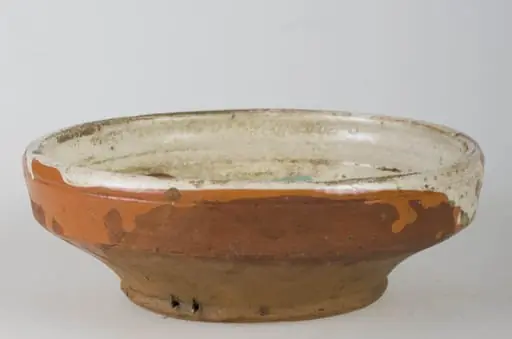 Blidul de formă tronconică este adânc, smălțuit la interior. Acesta este ornamentat cu motive florale, având cu buza înaltă. Totuși, este neornamentat la exterior, fiind smălțuit (la exterior) doar pe buză. Pe exteriorul buzei este incizată o linie. Fundul obiectului are formă circulară, fiind prevăzut cu două orificii pentru prindere. Cromatică: fond: cărămiziu (exterior); alb (interior); decor: verde; albastru; cărămiziu.
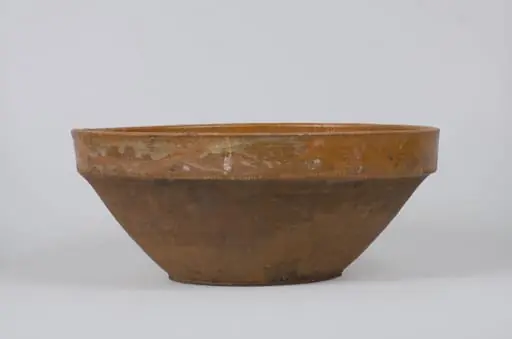 Vas de formă tronconică, foarte adâncită, cu buza înălțată. Este smălțuit în interior și exterior. În zona mediană interioară a vasului se identifică un registru decorativ alcătuit din motive florale și vegetale stilizate, geometrice (punctul și cercul) iar pe fundul vasului se identifică un cerc realizat din puncte. Motivele decorative sunt realizate prin pictare, foarte șterse. Cromatică: fond cărămiziu; verde; galben.
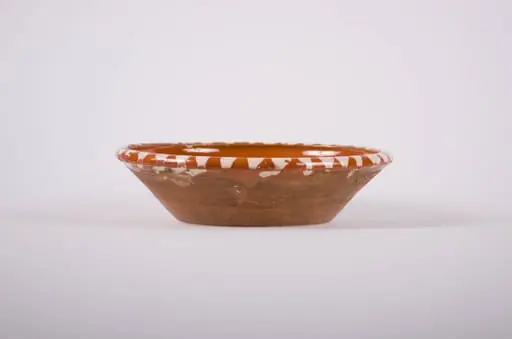 Vas de formă tronconică, adâncit; pe fund are găuri pentru agățare, Este smălțuit interior și exterior (buza). Decorat cu motive geometrice: linie, punct; motive avimorfe: păun. Cromatică: fond: maro; motive: alb; negru; verde.
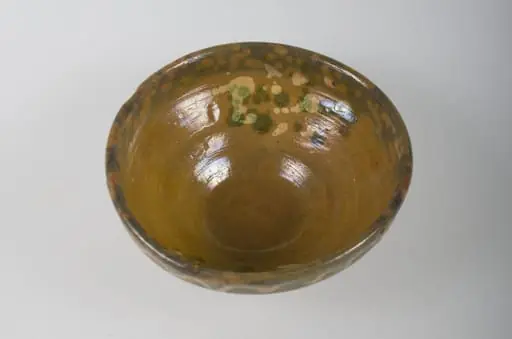 Vas de formă tronconică, cu pereții oblici și buza înaltă, lucrat neîngrijit. Este smălțuit în interior și exterior (parțial). Este decorat pe interior cu un mănunchi de puncte albe și verzi. Buza este decorată în exterior cu motive geometrice: linie în val. Cromatică: motive: fond: maro; motive: alb; verde.
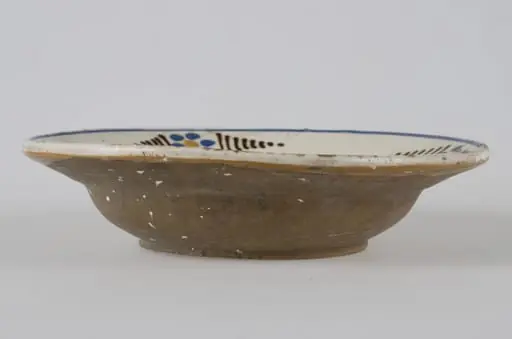 Vas adânc din lut, de formă tronconică, cu marginea evazată. Pe fundalul de culoare albă este decorat cu motive geometrice: linie circulară, linii curbe, puncte pe buza vasului; motive vegetale și florale, pe centrul vasului. Cromatică: fond: alb; motive: albastru; verde; maro; cărămiziu.
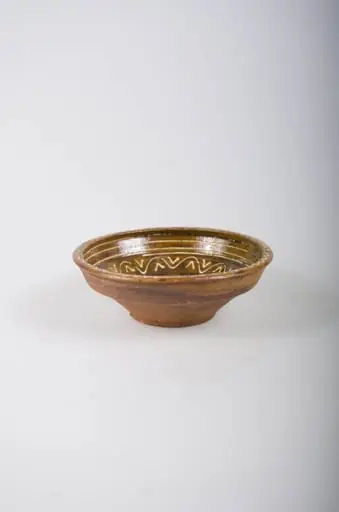 Recipient tronconic, cu gura mai largă decât baza, cu buza dreaptă și înaltă. Acesta este smălțuit doar la interior. Vasul este decorat prin pictare cu cornul, cu ornamente geometrice: spirală pe fund, linii circulare, linii vălurite și ”V”-uri înscrise pe pereți și decorații de tip val pe margine. Din punct de vedere al cromaticii, se observă un fond ocru la interior, cărămiziu la exterior, motivele fiind pictate cu alb.
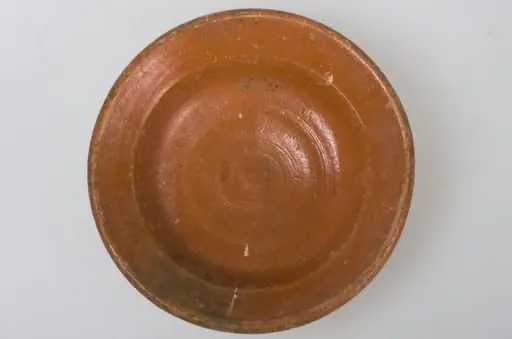 Farfurie de formă tronconică, adâncită, cu buza evazată, smălțuită în interior și la exterior (buza). Pe fund are o marcă în formă de ”X” de culoare albă. Cromatică: cărămiziu, alb.