Artwork
Sfântul Ioan Botezătorul și Maica Domnului cu Pruncul
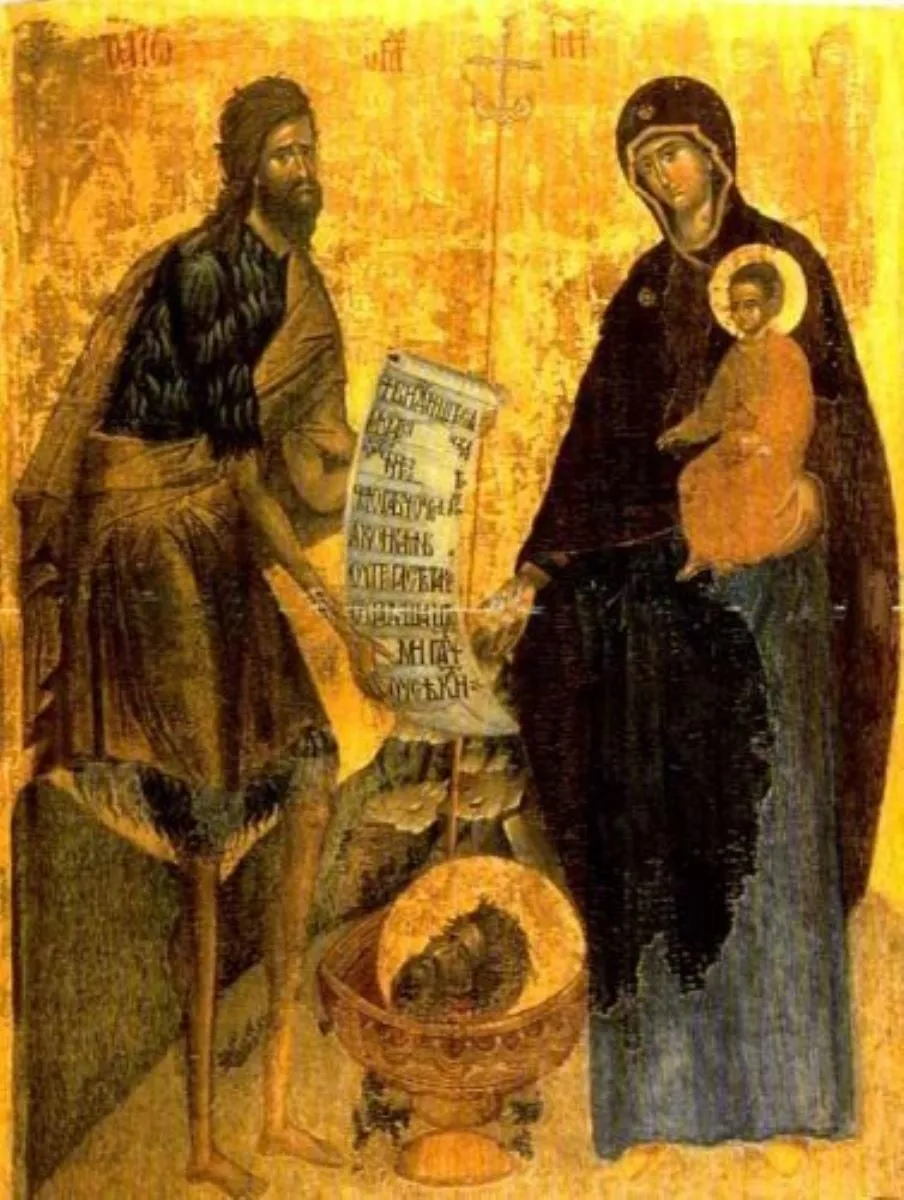
Sfântul Ioan Botezătorul și Maica Domnului cu Pruncul is a drawing by Unknown. It dates from 1850 and is held in the collection of the Luca Paul Communal Library in Domnesti. This image depicts a religious scene featuring two central figures: a man and a woman with a baby.
About this work
Overview
A basket containing a small animal is positioned before them, set against a predominantly earthy-toned palette with a golden background.
This image depicts a religious scene featuring two central figures: a man and a woman with a baby. The man, identified by his attire and scroll as Sfântul Ioan Botezătorul (Saint John the Baptist), stands alongside the Maica Domnului (Virgin Mary) cradling the Pruncul (Infant Jesus). A basket containing a small animal is positioned before them, set against a predominantly earthy-toned palette with a golden background.
Subject & Meaning
The subject is a devotional representation of Saint John the Baptist, the Virgin Mary, and the Infant Jesus. The scroll held by Saint John, inscribed with text in an archaic script, likely conveys a religious message, potentially a quote from scripture underscoring the scene's theological significance. The small animal in the basket may symbolize purity or an aspect of the figures' narratives.
Technique & Style
The image employs a technique suggested by the mention of 'cross-hatching' for shading, indicating the use of closely drawn parallel lines to achieve depth and dimension. The predominantly earthy tones contrast with the golden background, suggesting a blend of humility and divinity. The style aligns with traditional religious art, emphasizing symbolism over realism.
Context
Given the traditional subject matter and the artistic techniques implied, this image likely originates from a religious or devotional context, possibly created for a place of worship, a noble patron, or as a piece of personal devotion. The use of gold in the background further suggests a piece of some importance or value.
History & Provenance
Specific historical and provenance details about the image (date, artist, ownership history) are not provided, limiting detailed historical placement. However, the style and subject suggest it could fit within a broader tradition of European religious art, though the title's Romanian language hints at a possible Eastern European or specifically Romanian origin.
Legacy
Without specific information on the image's impact, exhibition history, or influence on later works, its legacy remains undefined in the provided context. However, as a representation of a universally recognized religious theme, it contributes to the broader cultural heritage of Christian art.
Artist & collection
Museum
Luca Paul Communal Library in Domnesti
Continue through works from the same source collection.
 Domestic Scene
 Giacomo and Cardinal Marco, investing Andrea, Abbot of San Zeno, with his Benefice
 The Nymph of Fontainebleau
 Portrait of a Woman
 Madonna and Child with Saints in the Enclosed Garden
 Venus and Minerva
 Family Group of Four on Sofa
 Wall painting from Room H of the Villa of P. Fannius Synistor at Boscoreale
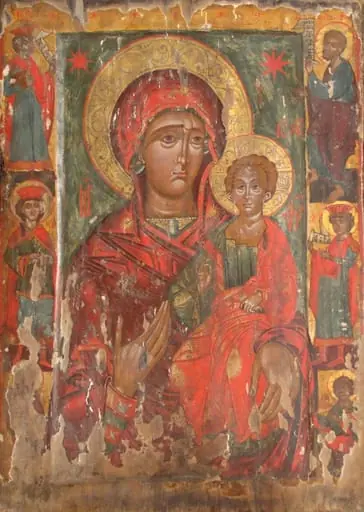 Maica Domnului cu Pruncul, flancată de prooroci
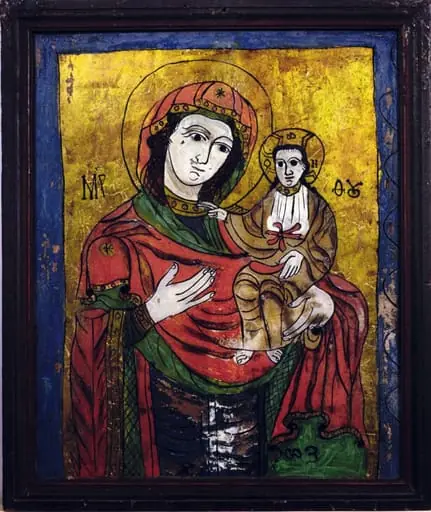 Maica Domnului cu Pruncul
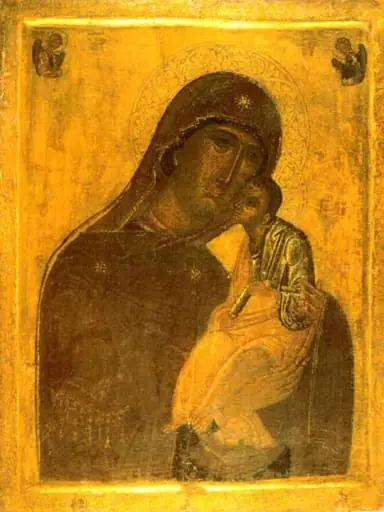 Maica Domnului cu Pruncul - Eleusa
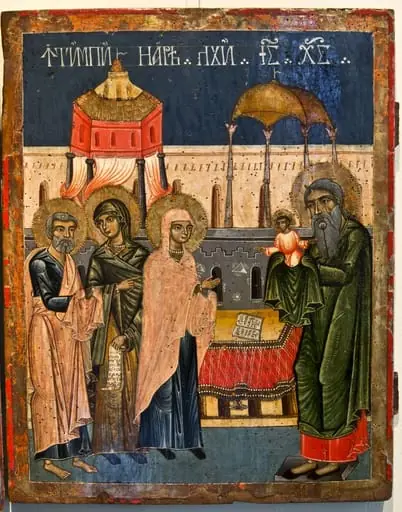 Întâmpinarea Domnului în biserică; Stretenia
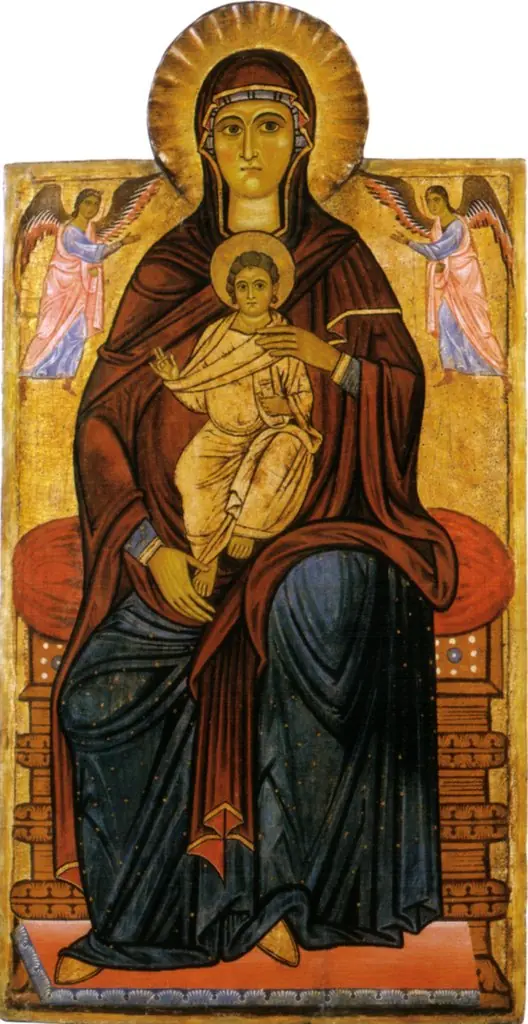 Madonna with Child enthroned with two Angels
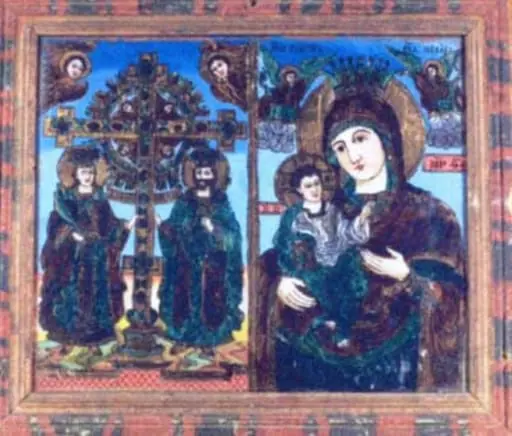 Sfinții Constantin și Elena; Maica cu Pruncul
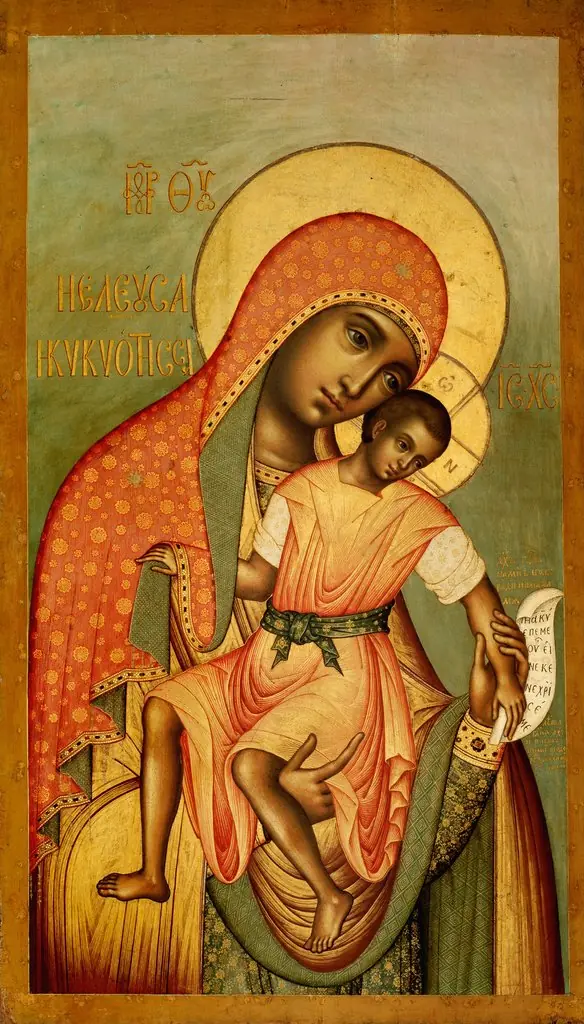 Virgin Eleousa of Kykkos
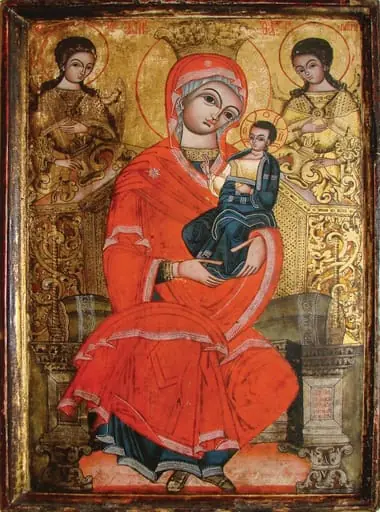 Maica Domnului cu Pruncul
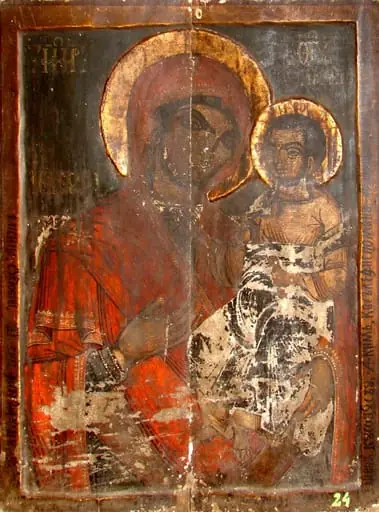 Maica Domnului cu Pruncul
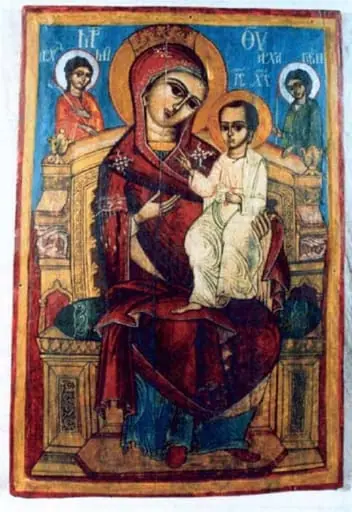 Maica cu Pruncul/Maica Împărăteasă-Doamnă