Artwork
Stamboul from the Cemetery of Pera. Constantinople
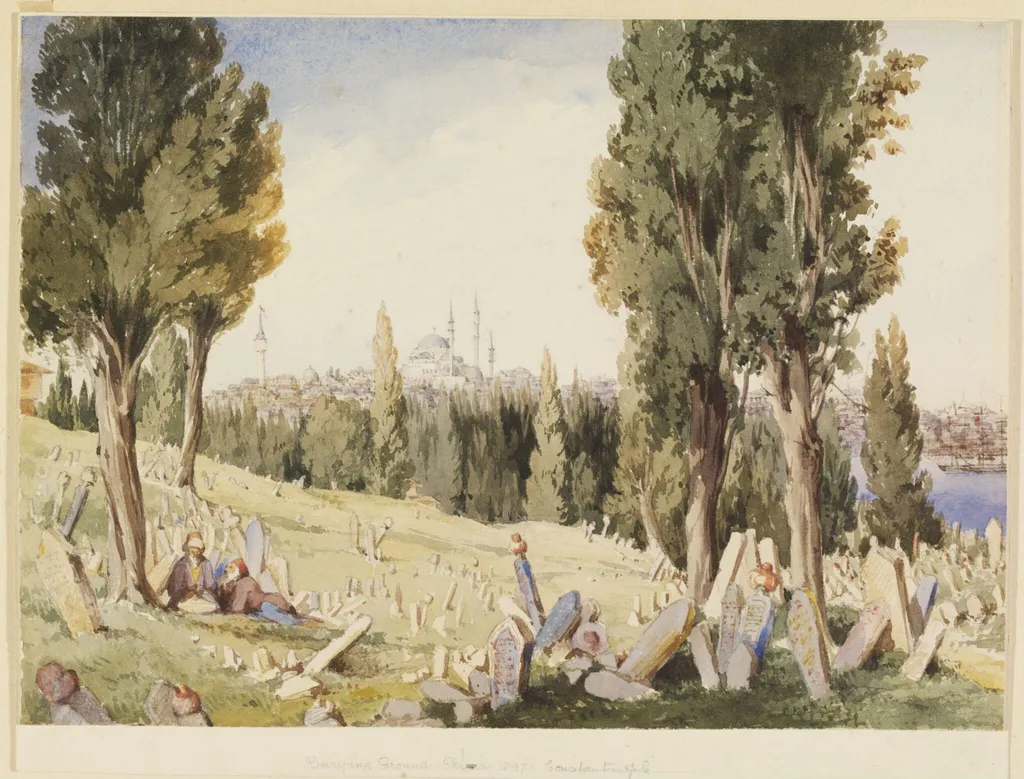
Stamboul from the Cemetery of Pera. Constantinople is a watercolor work on paper by the Orientalist artist Unknown. It dates from 1847 and is held in the collection of the Victoria and Albert Museum.
About this work
Overview
Stamboul from the Cemetery of Pera, Constantinople is a watercolour created in 1847, capturing a serene view of Istanbul's Stamboul from a hillside cemetery in Pera. The artwork is one of eight documenting Turkey and Egypt, possibly by multiple artists, unified by consistent inscriptions and mounting.
Subject & Meaning
The scene contrasts a tranquil, rustic cemetery in the foreground—featuring scattered, tilted gravestones under bare trees and a few simply dressed individuals—with the bustling, domed cityscape of Stamboul and its waterfront in the background, juxtaposing solitude with urban vitality.
Technique & Style
The watercolour employs soft, watery brushstrokes to evoke light on graves and trees. A muted palette of greens and browns blends the landscape into the distance, characteristic of a subdued, observational approach.
History & Provenance
Originally part of an album or portfolio, the work shows evidence of removal, with some mounts bearing offsets from facing pages. It shares stylistic connections with another set of drawings (SD.1316), suggesting a shared artistic journey or influence.
Context
Created during the Romantic era, this piece reflects the movement's emphasis on capturing light, atmosphere, and the contrast between nature (the cemetery) and human-made landscapes (the city), inviting contemplation on the interplay between solitude and urban life.
Artist & collection

 Domestic Scene
 Giacomo and Cardinal Marco, investing Andrea, Abbot of San Zeno, with his Benefice
 The Nymph of Fontainebleau
 Portrait of a Woman
 Madonna and Child with Saints in the Enclosed Garden
 Venus and Minerva
 Family Group of Four on Sofa
 Wall painting from Room H of the Villa of P. Fannius Synistor at Boscoreale
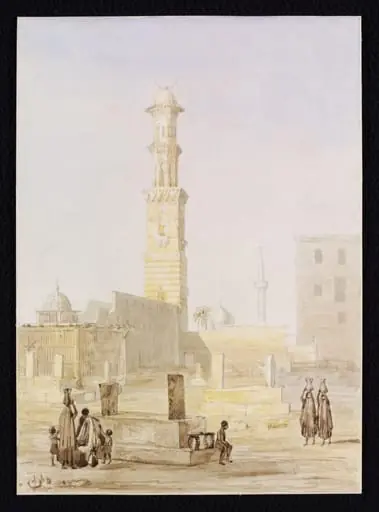 Tombs near Cairo
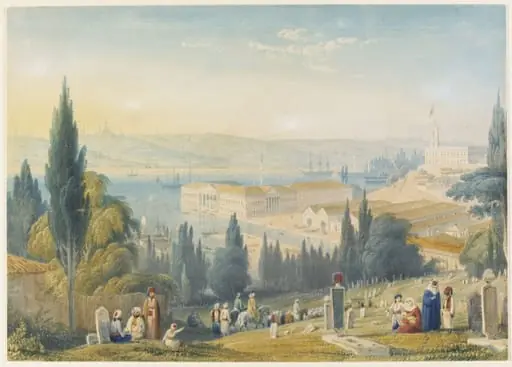 A view of the new Turkish Naval Buildings and Dockyards on the Golden Horn: Constantinople in the background
![Constantinople from Pera, looking across the Golden Horn to Seraglio Point, by Michel-François Préaulx [Préaux]](https://artifactworldgallery.com/img/michel-francois-preaulx-preaux--constantinople-from-pera-looking-across-the-golden-horn-to-s--cb81cecd6955bf28-w320.webp) Constantinople from Pera, looking across the Golden Horn to Seraglio Point
Constantinople from Pera, looking across the Golden Horn to Seraglio Point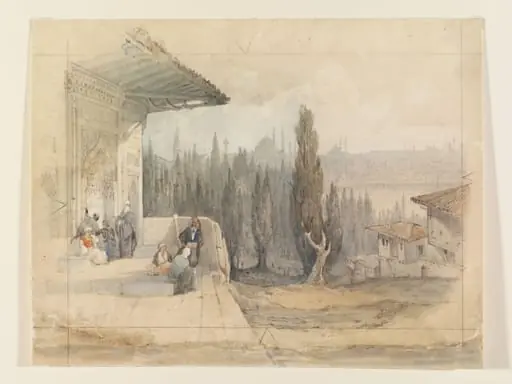 Pera
Pera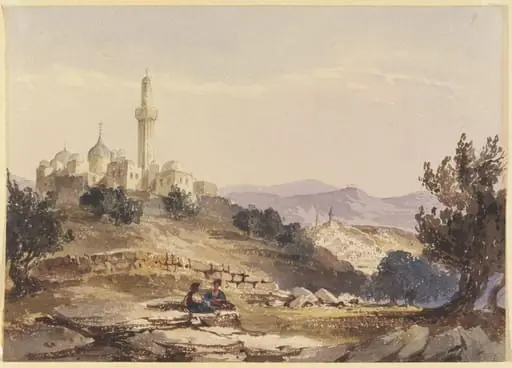 Mosque of the Ascension on the Mount of Olives
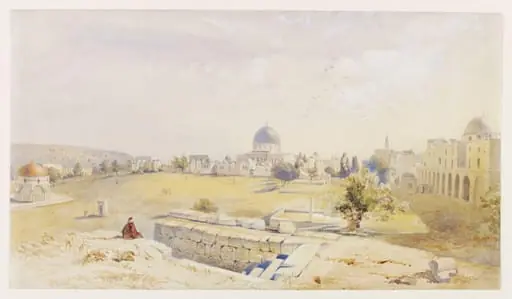 Jerusalem. Mount Moriah The Site Of The Temple now occupied by the Mosque of Omar
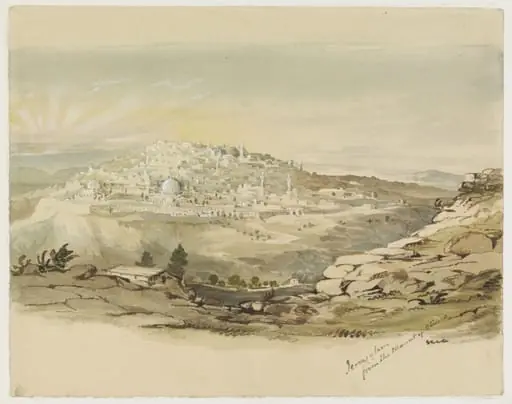 Jerusalem from the Mount of Olives