Artwork
Todi Ragini, from a Ragamala Series
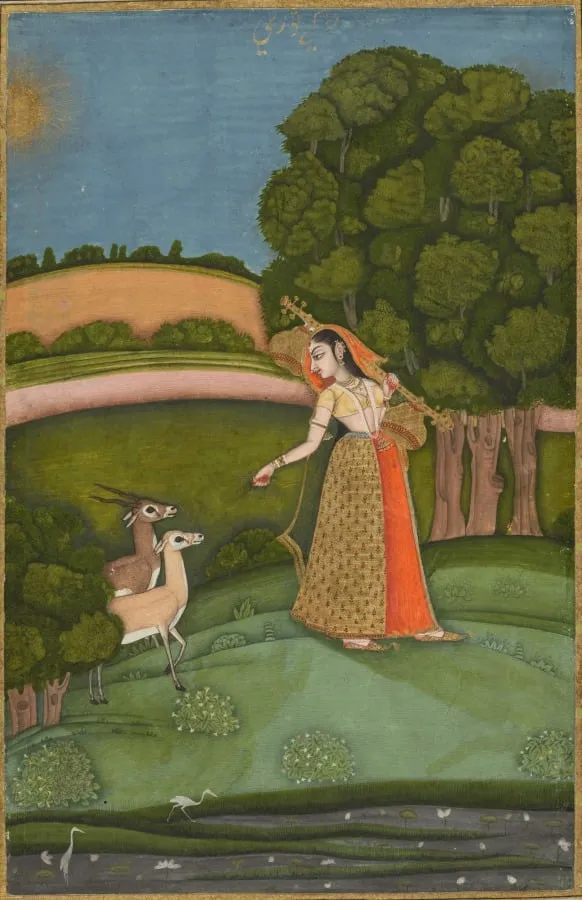
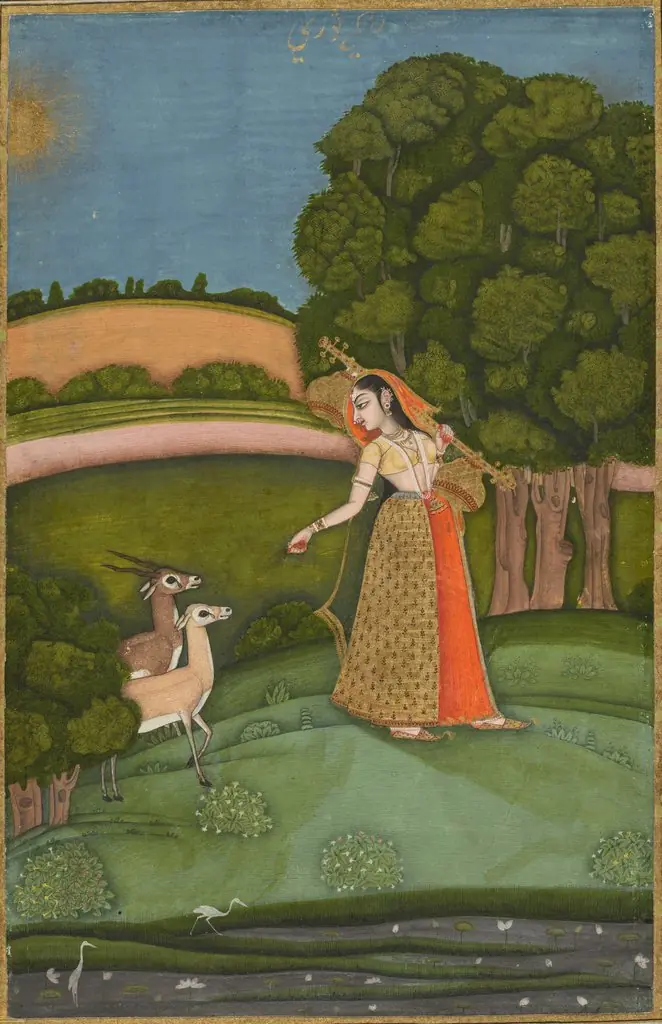
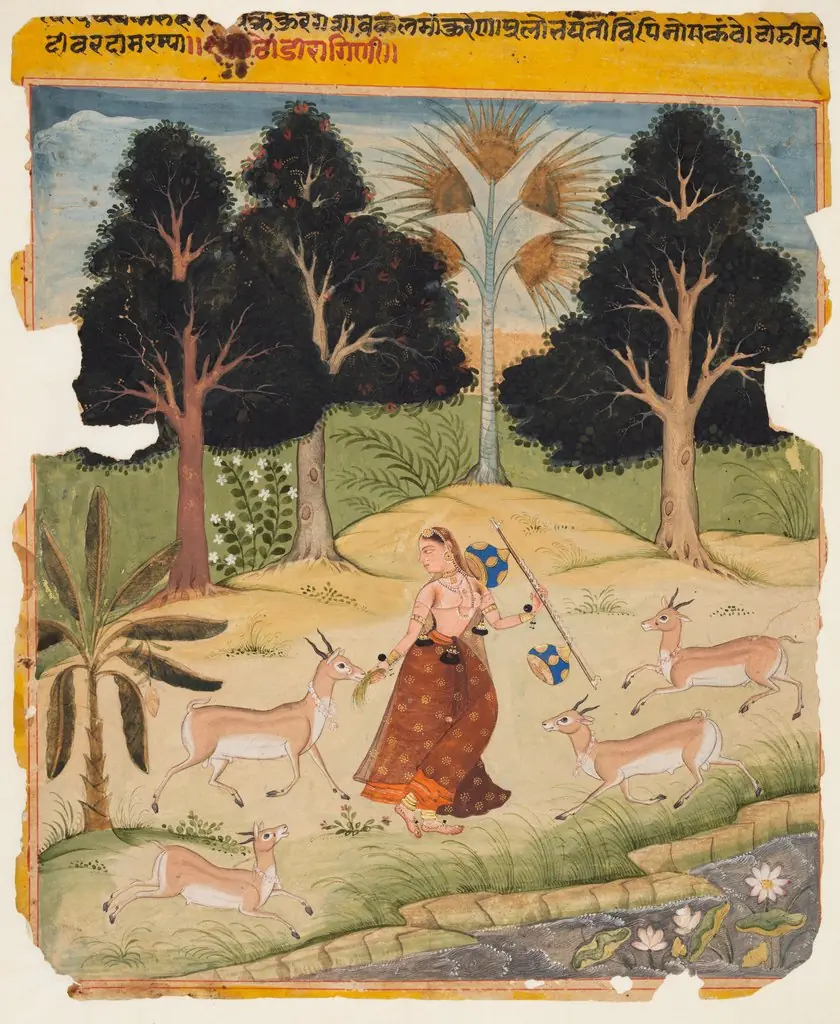
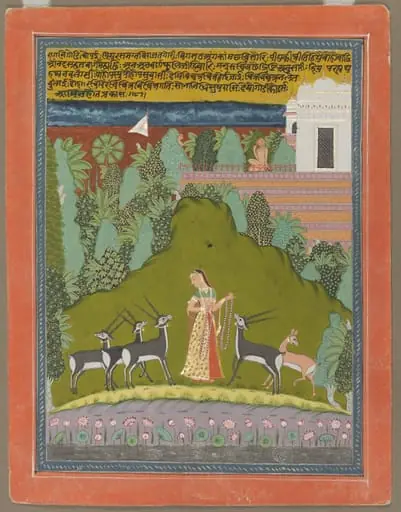
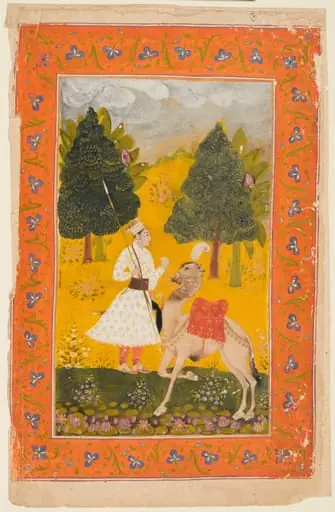
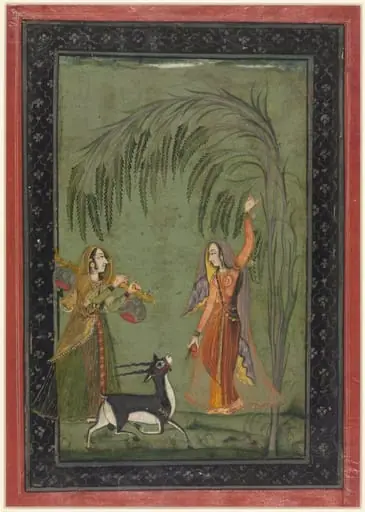
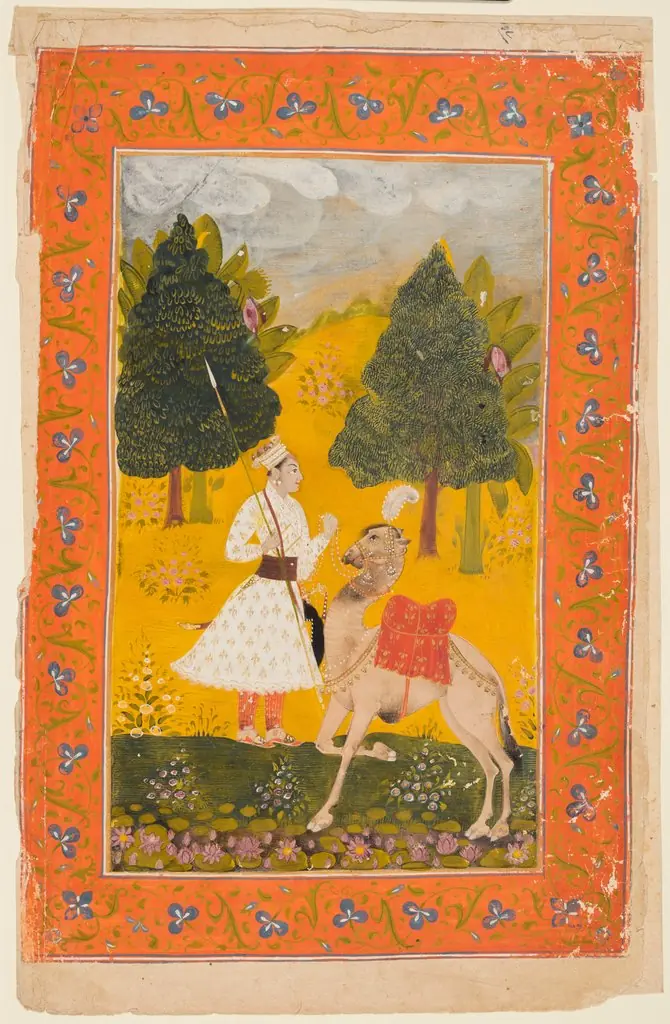
Todi Ragini, from a Ragamala Series is an unspecified painting by the Mughal Painting artist Unknown. It dates from 1755 and is held in the collection of the Cleveland Museum of Art. Todi Ragini belongs to a ragamala series, visual representations of musical modes linked to specific moods, seasons and times of day.
About this work
The scene is bright with greens, blues, and golds, and the trees and flowers look almost too perfect to be real.
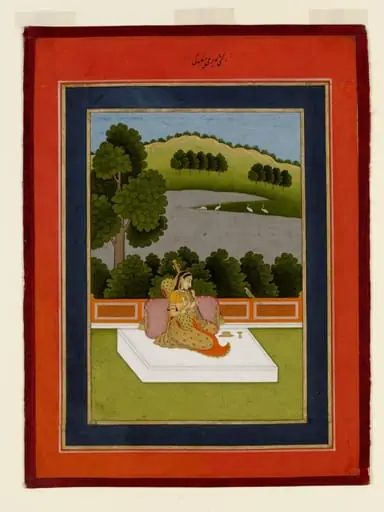
A woman in a red sari sits under a tree, playing a stringed instrument while deer gather around her. The scene is bright with greens, blues, and golds, and the trees and flowers look almost too perfect to be real.
This painting is part of a *Ragamala*—a series that pairs music with images. Each one matches a mood, a season, or a time of day. This one shows *Todi Ragini*, meant for late morning in spring. The artist followed styles from the Mughal court but made it their own in Bengal.
To see more like this, look up 18th century Indian art.
Overview
Todi Ragini belongs to a ragamala series, visual representations of musical modes linked to specific moods, seasons and times of day. This particular work depicts a spring late‑morning scene, where a young woman in a red sari plays a stringed instrument while deer gather around her, set against a lush, idealised landscape of trees and flowers rendered in vivid greens, blues and golds.
Subject & Meaning
The composition conveys a pastoral narrative: the musician’s melody charms the deer, preventing them from trampling nearby crops. This interaction reflects the ragamala tradition of associating a raga with a natural or emotional setting, here linking the Todi ragini to the gentle, harmonious atmosphere of early spring.
Technique & Style
Executed in the Mughal‑influenced court style that spread to regional workshops such as those in Murshidabad, the painting employs saturated pigments and a highly decorative treatment of foliage and architecture. The figures and animals are rendered with graceful elongation, while the overall scene is idealised rather than strictly naturalistic.
History & Provenance
An Arabic inscription at the top names the ragini "Todi," indicating the work was likely commissioned by a Muslim patron. Such ragamala series were popular among elite patrons in 18th‑century Bengal, who adapted Mughal aesthetic conventions to local tastes.
Context
Ragamala paintings functioned as visual analogues to musical performance, often displayed in courts and private collections as part of a broader cultural synthesis of music, poetry and painting. The series illustrates how Indian artistic traditions integrated courtly styles with regional devotional and secular themes.
Artist & collection

 Domestic Scene
 Giacomo and Cardinal Marco, investing Andrea, Abbot of San Zeno, with his Benefice
 The Nymph of Fontainebleau
 Portrait of a Woman
 Madonna and Child with Saints in the Enclosed Garden
 Venus and Minerva
 Family Group of Four on Sofa
 Wall painting from Room H of the Villa of P. Fannius Synistor at Boscoreale