Artwork
Top cover, from a Manuscript of the Perfection of Wisdom in Eight Thousand Lines (Ashtasahasrika Prajnaparamita-sutra)

Top cover, from a Manuscript of the Perfection of Wisdom in Eight Thousand Lines (Ashtasahasrika Prajnaparamita-sutra) is an unspecified painting by Unknown. It dates from 14 and is held in the collection of the Cleveland Museum of Art.
About this work
Overview
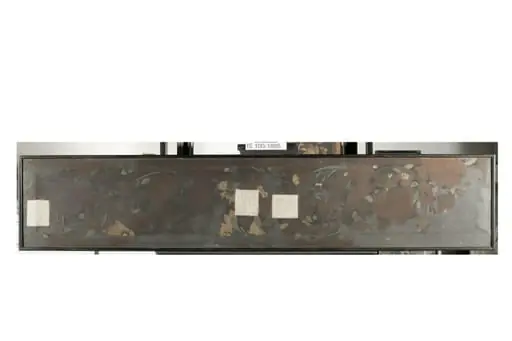
This wooden top cover, adorned with vibrant paintings, protected a fragile palm-leaf manuscript of the Ashtasahasrika Prajnaparamita-sutra, a key Buddhist text. Its decorative and functional design reflects both its role in preserving the manuscript and its significance in religious rituals.
Subject & Meaning
The cover features a central depiction of Buddha surrounded by smaller figures and intricate patterns, symbolizing the reverence for Buddhist teachings. Ritual additions of spices, vermilion powder, and sandalwood paste transformed the cover into a sacred object, embodying the veneration of the sutra's wisdom.
Technique & Style
Executed in bold reds, blues, and golds, the painting style is characteristic of Nepalese or Kathmandu Valley art, possibly influenced by its origins in eastern India. The wooden base, combined with these vibrant hues, showcases a blend of durability and aesthetic devotion.
History & Provenance
Originating from the Vikramashila Monastery in eastern India, the manuscript traveled north to the Kathmandu Valley in Nepal, highlighting the portability and esteemed value of such religious texts across regions.
Context
The cover's design and the manuscript it protected reflect the importance of the Prajnaparamita sutras in Mahayana Buddhism, emphasizing wisdom and compassion. Its construction and veneration practices align with the religious and cultural practices of its time, blending functionality with spiritual significance.
Legacy
As a well-preserved example of its kind, this cover provides insight into the intersection of art, religion, and manuscript culture in South Asia. Its wear and ritual additions testify to its active role in religious practices, offering a tangible link to the past.
Artist & collection

 Domestic Scene
 Giacomo and Cardinal Marco, investing Andrea, Abbot of San Zeno, with his Benefice
 The Nymph of Fontainebleau
 Portrait of a Woman
 Madonna and Child with Saints in the Enclosed Garden
 Venus and Minerva
 Family Group of Four on Sofa
 Wall painting from Room H of the Villa of P. Fannius Synistor at Boscoreale
 Rafter with geometrical, plant, animal and heraldic motifs
 A Gondola
 Icoana de factură catolică îl reprezintă pe sfântul Teodor Tiron (306 d. Hr) sărbătorit pe 17 februarie.Sf. Teodor înveșmântat ca oștean: coif cu pene, armura și mantie roșie. În dreapta ține un coif cu stânga sulița. În planul doi o biserică catolică. Pe fondul alb, de o parte și alta a sfântului câte tulpină cu o floare roșie. Cromatica: predomină roșul(inclusiv ca desen) albastru, bleu, negru, maro, auriu, verde deschis, verde închis, fond alb.Ramă îngustă, patru stinghiii îmbinate oblic la colțuri.
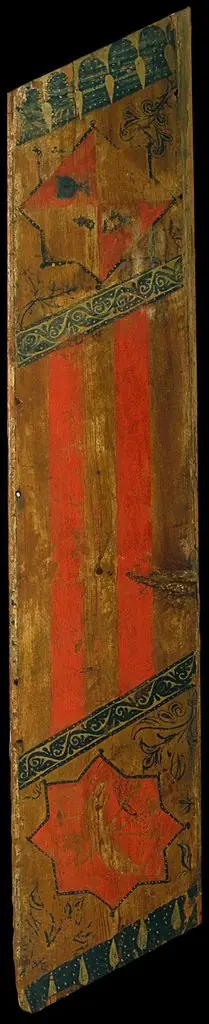 Coffered ceiling panel with the coats of arms of the Cardona family and of the Count of Empúries
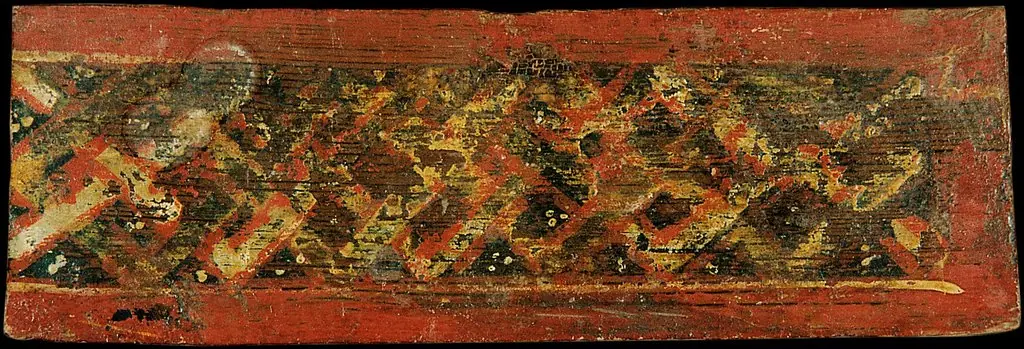 Coffered ceiling panel
 Icoana reprezintă un sfânt militar, din comparațiile efectuate s-a ajuns la concluzia că ar fi vorba de sf. Mare mucenic Teodor Stratilat, un mare general care cârmuia cetatea Heracleea, pe vremea împăratului Licinius(308-321). Sfântul este pictat din semiprofil,în picioare, până deasupra genunchilor. Este înveșmântat în costum de oștean medieval, cu armură și mantie lungă, roșie, prinsă pe umărul drept. În mâna dreaptă ține o cruce mică iar cu stânga, pe care o are lăsată în jos, sprijină un scut pe care se observă o figură antropomorfă în relief. Capul este descoperit, părul și barba scurte, luminate de razele aureolei. Trăsăturile bărbătești, ferme, sunt redate într-o manieră cu influențe academice, la fel ca și realizarea faldurilor. Proporțiile sunt respectate. În dreapta sfântului, în colțul de sus se distinge capul și aureola din raze ale unui înger. La momentul executării fotografiei, icoana era destul de deteriorată, statul pictral exfoliat grundul și suportul de lemn prezentau crăpături în partea de jos.
 Copy of painting inside the caves of Ajanta (cave 6)
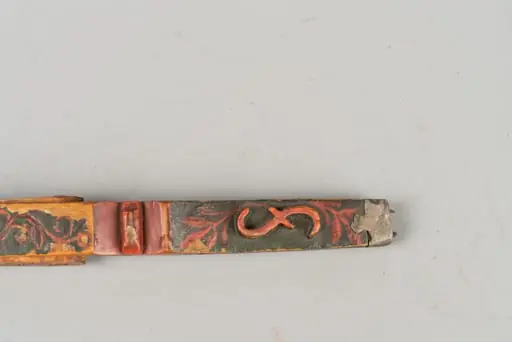 Obiect compozit din lemn de formă alungită, format din două stinghii articulate printr-o încastrare alungită paralelă care îi permite frângerea prin intermediul unui cui/pene din lemn, în vederea formării unei pârghii cu ajutorul căreia se răsucește țesătura pe sulul dinainte al războiului de țesut, pentru menținerea tensionată a acesteia. Obiectul prezintă la ambele capete canturi metalice cu câte două gheare care facilitează fixarea pârghiei pe sulul de lemn al războiului de țesut. Are suprafața decorată prin incizare și pictare cu pigmenți, cu motive vegetale. Pe una dintre fețele laterale piesa poartă înscris prin incizare anul confecționării acesteia, "A18 79". Cromatica: roșu, verde.