Artwork
白無垢美人図大津絵|Ōtsu-e of Courtesan in White
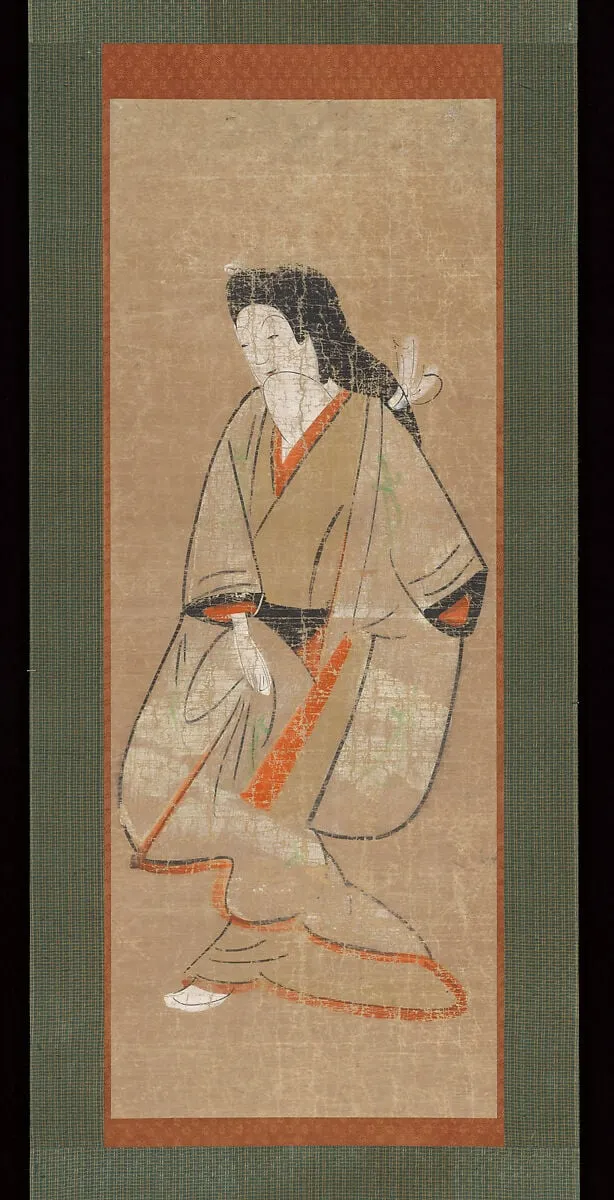
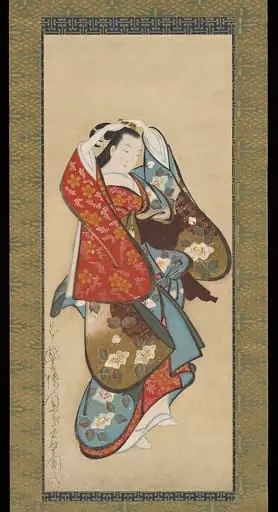
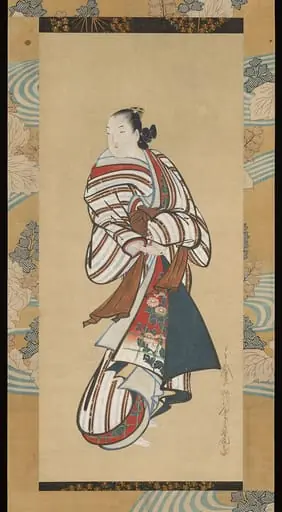
白無垢美人図大津絵|Ōtsu-e of Courtesan in White is an ink painting. It dates from 1834 and is held in the collection of the Metropolitan Museum of Art. This hanging scroll, executed in ink and color on paper, portrays a woman dressed in a white kimono.
About this work
Overview
This hanging scroll, executed in ink and color on paper, portrays a woman dressed in a white kimono. She is set against an unadorned backdrop, her complexion pale, lips painted red, and hair arranged in a simple up‑style. The composition is rendered with swift, confident lines that give the figure a sketch‑like immediacy.
Subject & Meaning
The central figure is a courtesan, a common motif in popular visual culture of the period, presented in an idealized yet approachable manner. The stark contrast between the white garment and the red lips emphasizes femininity and allure, while the plain background focuses attention solely on the individual.
Technique & Style
The work belongs to the Ōtsu‑e tradition, a genre of inexpensive, mass‑produced prints popular among travelers in the early 19th century. Its execution is deliberately rough, employing bold brushwork and simplified forms that resemble cartoonish illustration rather than refined court painting.
History & Provenance
Created by an unknown hand, the scroll was likely produced for commercial sale rather than for elite patronage. Ōtsu‑e pieces were typically sold at roadside stalls and inns, intended for quick purchase and casual enjoyment, and were not signed or documented in the same way as high‑status artworks.
Context
During the Edo period, the rise of domestic travel and increased literacy fostered a market for affordable visual souvenirs. Ōtsu‑e catered to this demand, offering vivid, accessible images of everyday life, folklore, and popular figures, reflecting the tastes of a broad, non‑elite audience.
Artist & collection