Artwork
Turkish sultans, sultanas and other historical figures
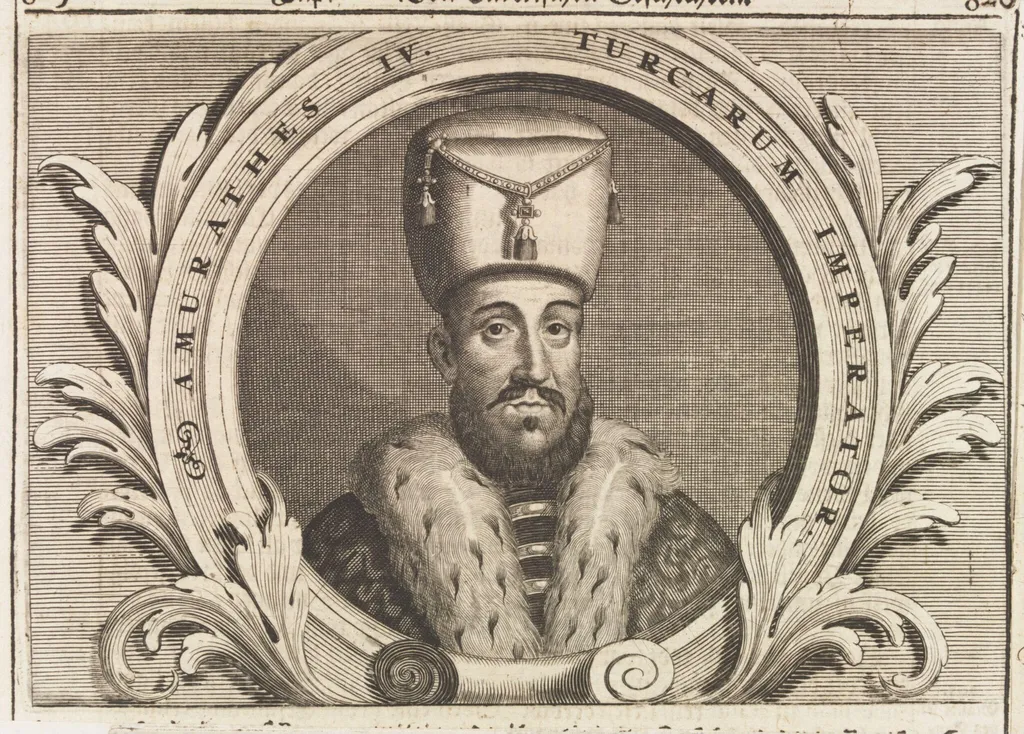
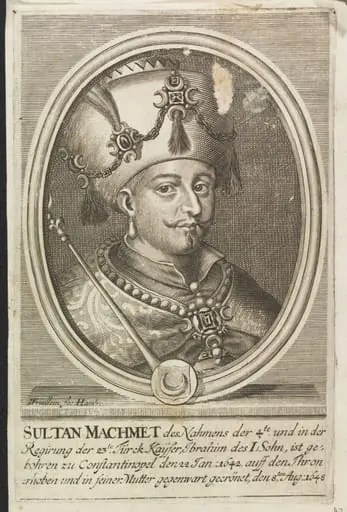
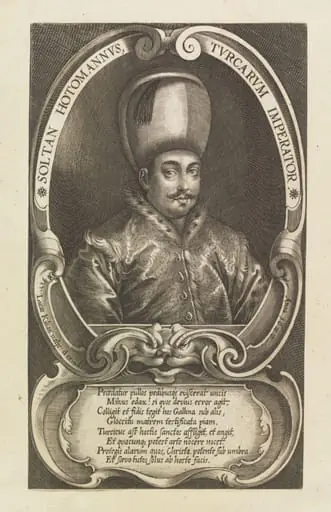
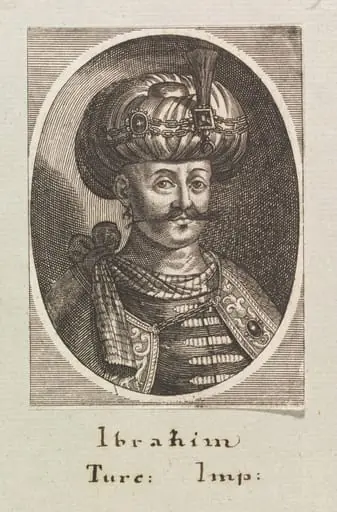
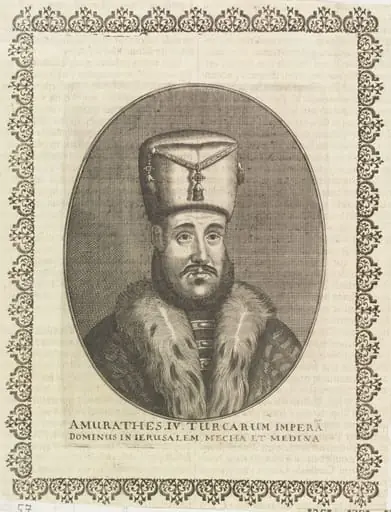
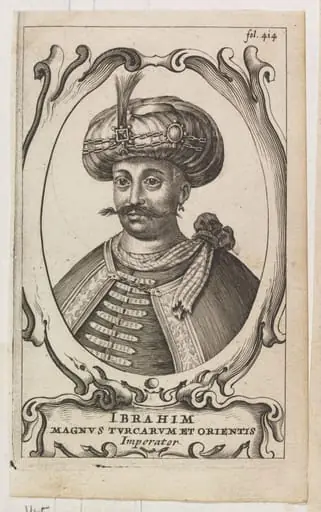
Turkish sultans, sultanas and other historical figures is a print by the Baroque artist Unknown. It dates from 1623 and is held in the collection of the Victoria and Albert Museum.
About this work
Overview
Created by an unidentified artist, the work combines portraiture with a decorative border bearing an inscription identifying its subjects as Turkish sultans.
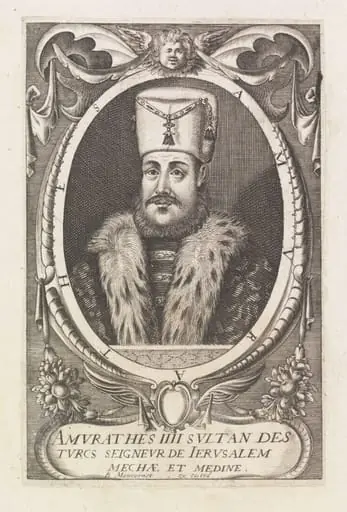
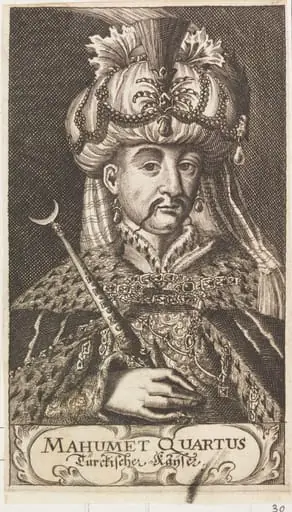
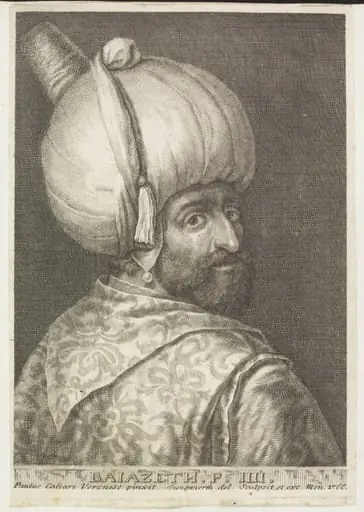
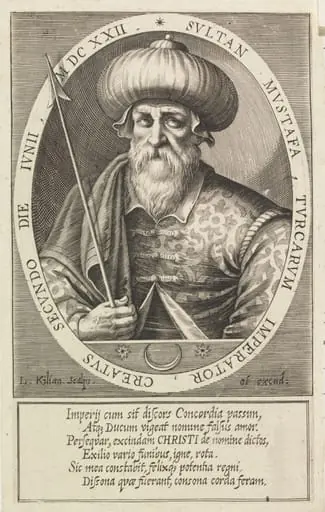
This 1623 print depicts a male figure believed to be Murad IV, the Ottoman sultan, alongside other members of the imperial family and historical figures. Created by an unidentified artist, the work combines portraiture with a decorative border bearing an inscription identifying its subjects as Turkish sultans. The composition is formal and restrained, emphasizing the authority of the figures through stark contrasts and minimal background detail.
Subject & Meaning
The central figure, identified by historical context as Murad IV, is rendered with solemn expression and regal attire, including a tall, fur-trimmed hat. Surrounding figures likely represent sultanas and predecessors, collectively affirming dynastic continuity. The inscription frames the group as a lineage of rulers, reinforcing the legitimacy and enduring power of the Ottoman house through visual genealogy.
Technique & Style
The print employs bold, incised lines and strong chiaroscuro to model the face and costume, creating a sense of volume against a flat background. The decorative border features intricate scrollwork and foliage, typical of early 17th-century European printmaking traditions. The style reflects a blend of Ottoman portraiture conventions with Western engraving techniques, resulting in a hybrid aesthetic suited to cross-cultural audiences.
History & Provenance
Produced in 1623, the print likely originated in a European center familiar with Ottoman affairs, possibly Venice or Amsterdam, where interest in Eastern courts was growing. Its survival suggests it was circulated among collectors or diplomats interested in the Ottoman Empire. No definitive record of its early ownership exists, but its preservation indicates perceived historical or exotic value at the time.
Context
In the early 1600s, European publishers frequently produced prints of foreign rulers to satisfy curiosity about distant empires. This work aligns with a broader trend of visual documentation of Ottoman leadership, often based on secondhand descriptions or sketches. While not a commissioned portrait, it reflects the era’s fascination with the sultanate as both political entity and cultural other.
Legacy
The print contributes to the visual archive of Ottoman rulers as interpreted through a European lens. It preserves a moment when Western print culture attempted to represent Eastern sovereignty, often blending fact with assumption. Though not widely known today, it remains a tangible artifact of early modern cross-cultural representation and the transmission of imperial imagery.
Artist & collection

 Domestic Scene
 Giacomo and Cardinal Marco, investing Andrea, Abbot of San Zeno, with his Benefice
 The Nymph of Fontainebleau
 Portrait of a Woman
 Madonna and Child with Saints in the Enclosed Garden
 Venus and Minerva
 Family Group of Four on Sofa
 Wall painting from Room H of the Villa of P. Fannius Synistor at Boscoreale
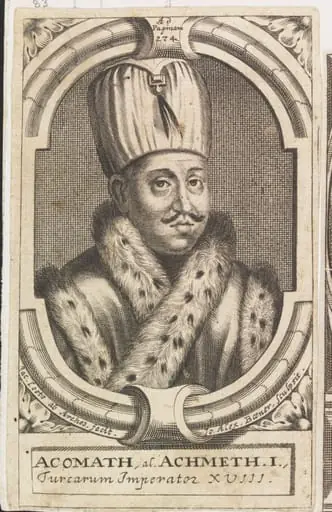 Turkish sultans, sultanas and other historical figures
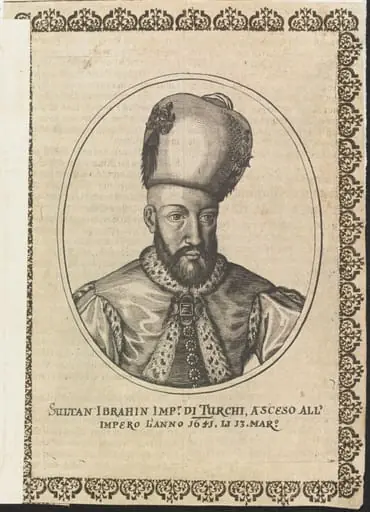 Turkish sultans, sultanas and other historical figures
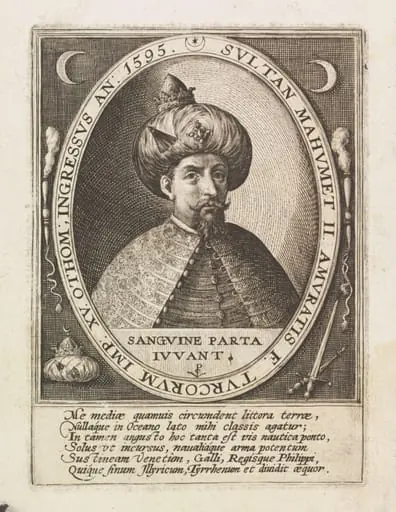 Turkish sultans, sultanas and other historical figures
 Turkish sultans, sultanas and other historical figures
 Turkish sultans, sultanas and other historical figures
 Turkish sultans, sultanas and other historical figures
 Turkish sultans, sultanas and other historical figures
 Turkish sultans, sultanas and other historical figures
 Turkish sultans, sultanas and other historical figures
 Turkish sultans, sultanas and other historical figures
 Turkish sultans, sultanas and other historical figures
 Turkish sultans, sultanas and other historical figures