Artwork
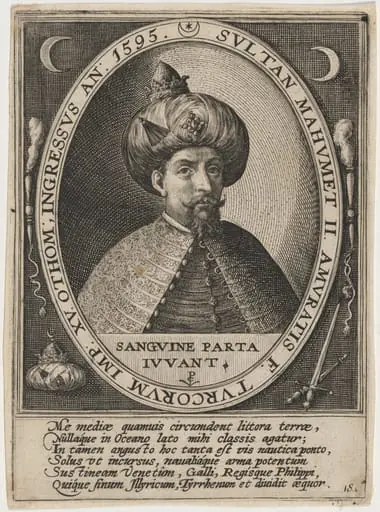
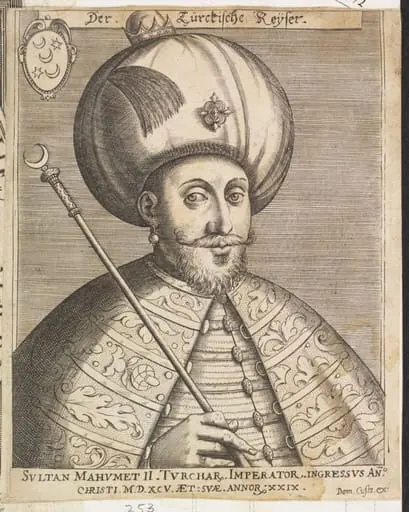
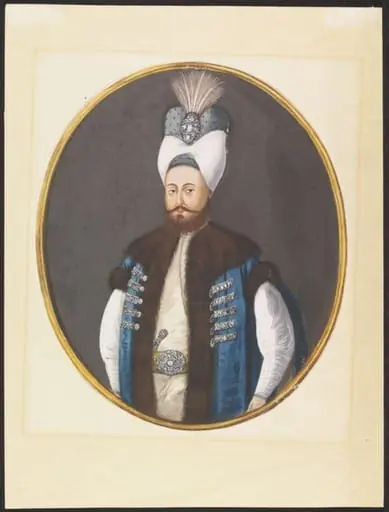
Turkish sultans, sultanas and other historical figures
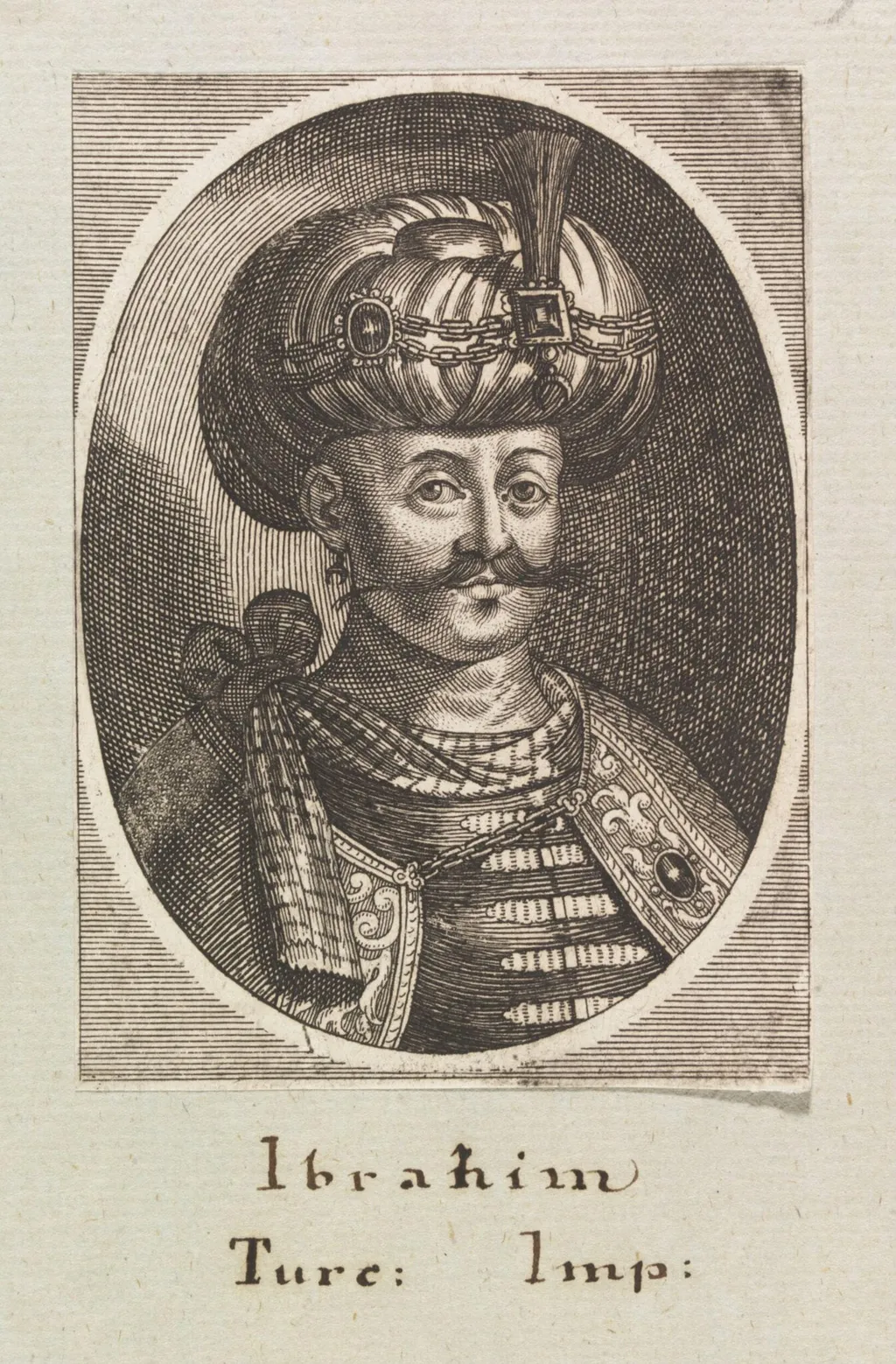
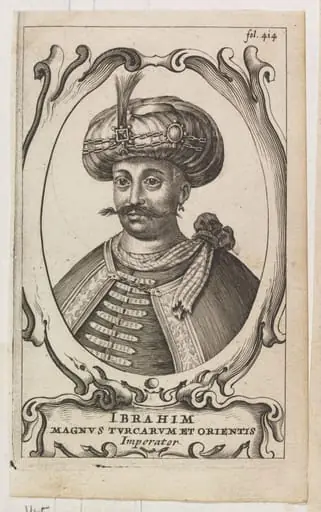
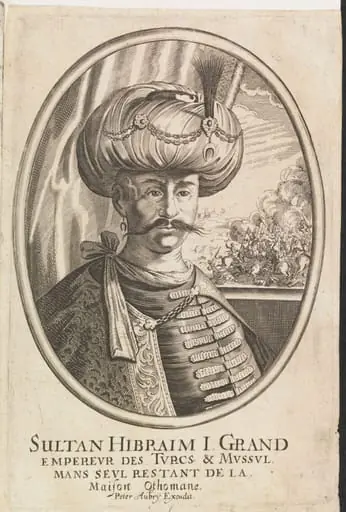
Turkish sultans, sultanas and other historical figures is a print by the Baroque artist Mathias van Somer. It dates from 1660 and is held in the collection of the Victoria and Albert Museum. This black-and-white print, dated 1660, portrays Ibrahim I, Sultan of the Ottoman Empire, surrounded by figures of courtly significance.
About this work
Overview
Attributed to Mathias van Somer, it belongs to a series of engraved portraits of Eastern rulers produced in Europe during the mid-seventeenth century.
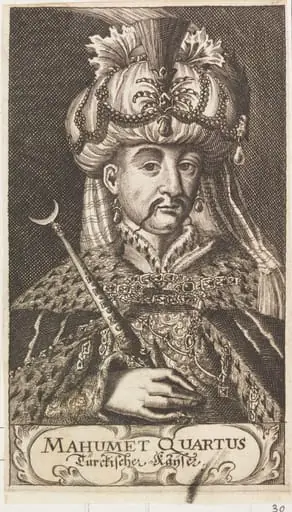
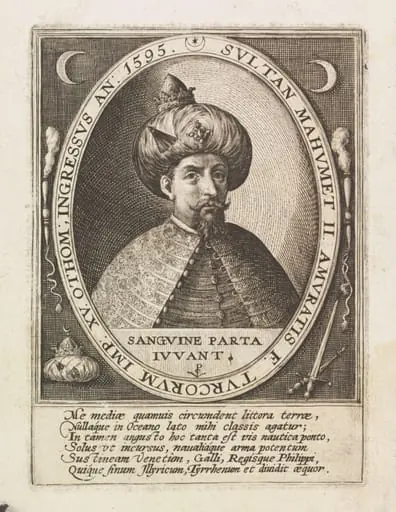
This black-and-white print, dated 1660, portrays Ibrahim I, Sultan of the Ottoman Empire, surrounded by figures of courtly significance. Attributed to Mathias van Somer, it belongs to a series of engraved portraits of Eastern rulers produced in Europe during the mid-seventeenth century. The composition emphasizes regal formality through precise linework and hierarchical arrangement, reflecting contemporary European interest in Ottoman leadership.
Subject & Meaning
Ibrahim I is depicted with the insignia of Ottoman sovereignty: a tall, jeweled headdress resembling a crown, adorned with a pendant ball and chain, and a richly detailed robe. His stern expression, thick mustache, and goatee align with contemporary European conceptions of Eastern rulers. The inscription 'Ibrahim Turc: Imp:' identifies him in Latinized terms, reinforcing the print’s function as a visual record for Western audiences unfamiliar with Ottoman titles.
Technique & Style
The portrait employs fine cross-hatching to render texture in fabric, fur, and metalwork, characteristic of Baroque printmaking. The artist uses dense, controlled lines to suggest volume and depth without color, relying on contrast and detail to convey status. The background is minimal, focusing attention on the figure’s elaborate attire and facial features, a technique common in engraved portraiture of the period.
History & Provenance
Created by Mathias van Somer, a Flemish engraver active in London, the print was likely produced for a European market fascinated by Ottoman court life. Van Somer specialized in portraits of foreign dignitaries, often based on earlier sketches or descriptions. This work may have been part of a broader collection of rulers intended to educate or impress patrons with the diversity of global power structures.
Context
In the 1660s, European interest in the Ottoman Empire remained high due to political alliances and military tensions. Portraits like this one served as both documentation and cultural interpretation, blending observation with stereotype. The emphasis on exoticized regalia reflects a Western tendency to frame Eastern rulers through visual symbols of otherness, even as they sought to represent them with apparent accuracy.
Legacy
The print contributes to a corpus of early modern European depictions of Ottoman elites, preserving a visual record shaped by both firsthand accounts and artistic convention. While not a contemporary Ottoman portrait, it reveals how Western artists interpreted and transmitted images of power across cultural boundaries, influencing later perceptions of the sultanate in European visual culture.
Artist & collection
Artist
Mathias van Somer spent his career drawing faces for money—ink on paper, quick and sharp, like a shopkeeper tallying coins.

 Turkish sultans, sultanas and other historical figures
 Turkish sultans, sultanas and other historical figures
 Turkish sultans, sultanas and other historical figures
 Turkish sultans, sultanas and other historical figures
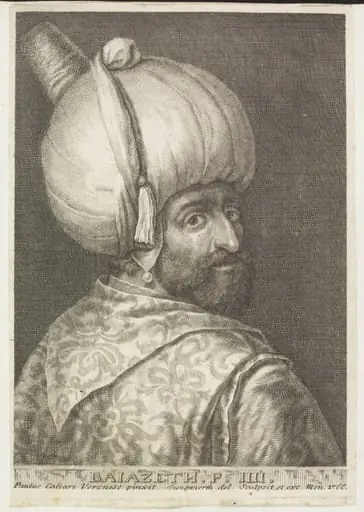 Turkish sultans, sultanas and other historical figures
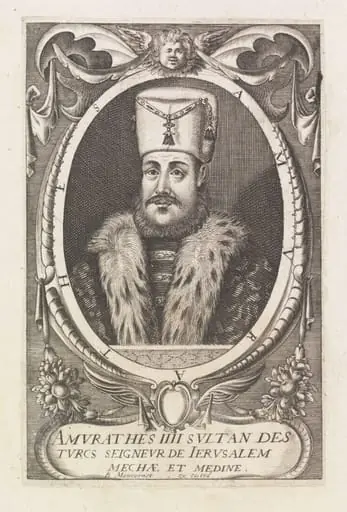 Turkish sultans, sultanas and other historical figures
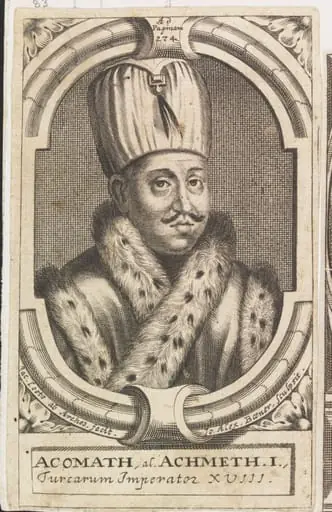 Turkish sultans, sultanas and other historical figures
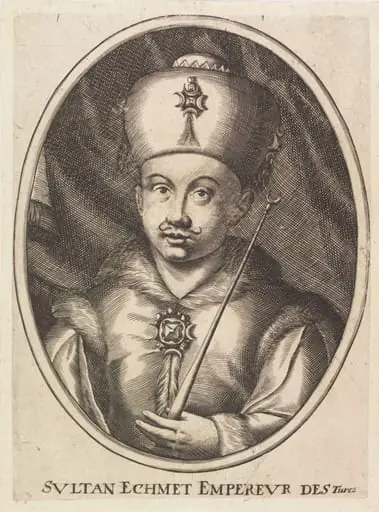 Turkish sultans, sultanas and other historical figures
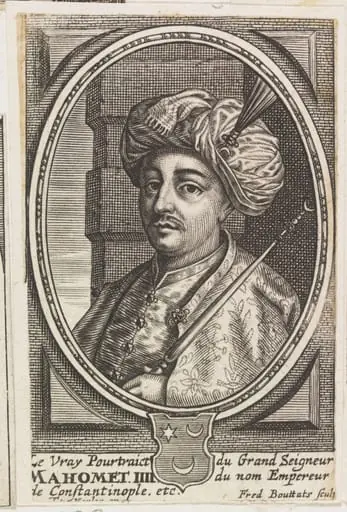 Turkish sultans, sultanas and other historical figures
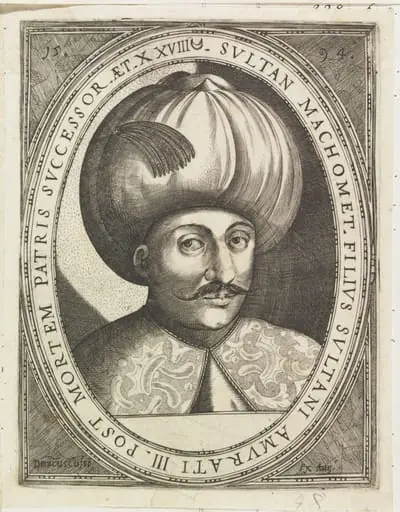 Turkish sultans, sultanas and other historical figures
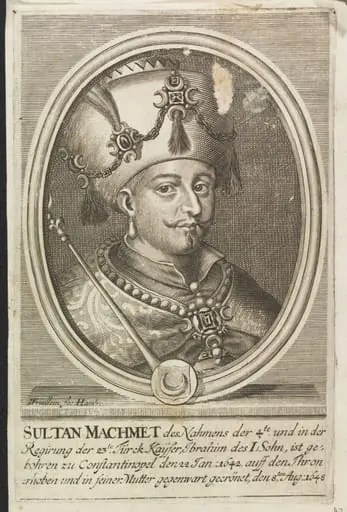 Turkish sultans, sultanas and other historical figures
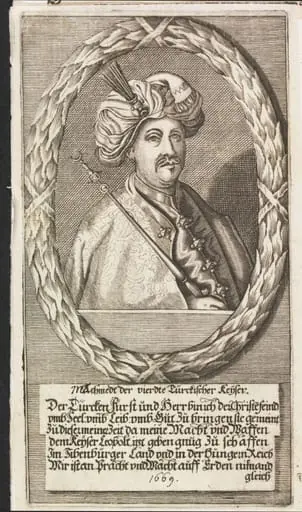 Turkish sultans, sultanas and other historical figures