Artwork
Tuti-Nama (Tales of a Parrot): Tale XIII
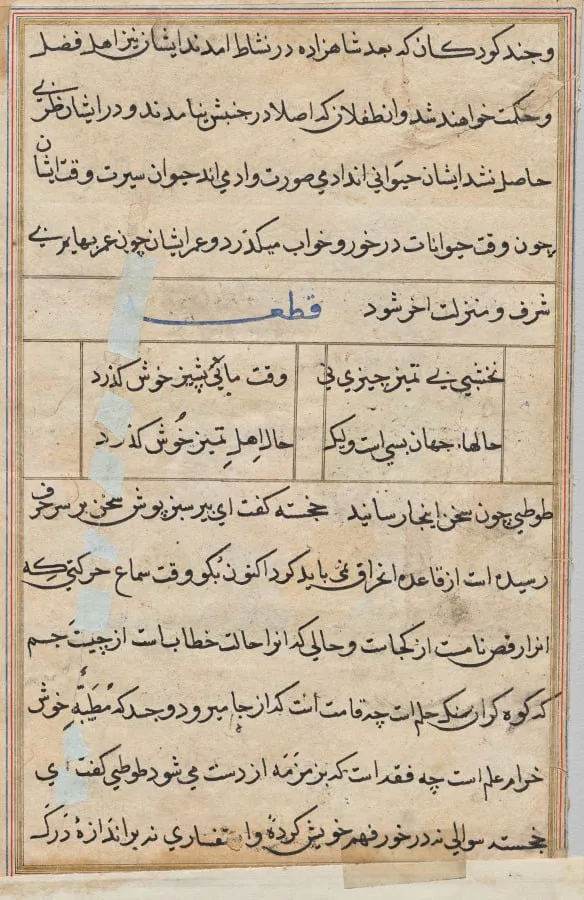
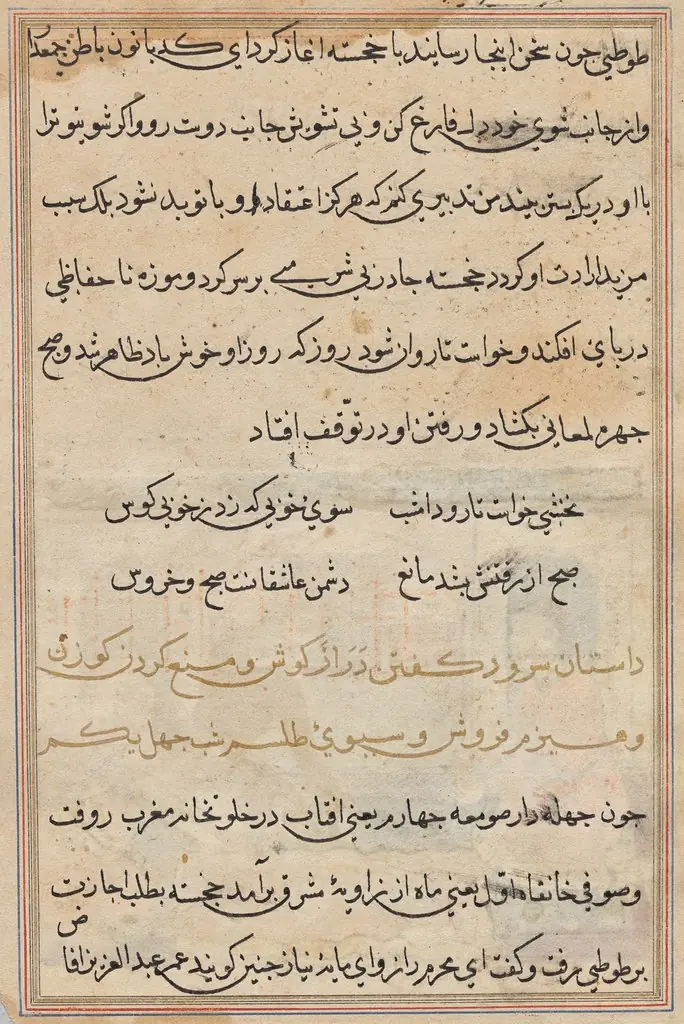
Tuti-Nama (Tales of a Parrot): Tale XIII is an unspecified painting by the Mughal Painting artist Unknown. It dates from 1560 and is held in the collection of the Cleveland Museum of Art.
About this work
Overview
This page originates from the Tuti-Nama, a medieval Indian manuscript compiling moral fables told by a parrot to delay its owner’s wife from infidelity.
This page originates from the Tuti-Nama, a medieval Indian manuscript compiling moral fables told by a parrot to delay its owner’s wife from infidelity. The surface is densely covered with calligraphic script in black ink, interspersed with faint pencil guidelines and occasional blue accents. Its composition reflects meticulous artisanal discipline, prioritizing textual clarity over pictorial representation, typical of illustrated manuscript traditions in 16th-century South Asia.
Subject & Meaning
Tale XIII recounts a parrot’s narrative designed to dissuade a woman from pursuing an illicit affair. The text, though in an unfamiliar script, carries ethical weight through allegory, common in Indo-Persian storytelling. The visual emphasis on legibility and structured layout reinforces the didactic purpose of the tale, positioning the written word as the primary vehicle of moral instruction rather than imagery.
Technique & Style
The page demonstrates precise calligraphic control, with ink applied in consistent strokes and deliberate spacing. Blue highlights, likely applied with mineral pigment, serve to mark key phrases, while pencil underdrawings reveal preparatory planning. The absence of illustration shifts focus to the materiality of writing, aligning with manuscript traditions where text itself was an object of aesthetic reverence.
History & Provenance
The Tuti-Nama was produced in the Mughal court during the mid-1500s, likely under Akbar’s patronage, as part of a broader effort to translate and illustrate Persian and Sanskrit literary works. This particular folio is one of many surviving pages from a larger illustrated manuscript, now dispersed across global collections. Its survival reflects the value placed on literary manuscripts in early modern Indian courts.
Context
While often misattributed to the European Renaissance, this work belongs to the Indo-Persian manuscript tradition, contemporaneous with but distinct from Renaissance Europe. Similar textual emphasis appears in Ottoman and Safavid manuscripts, where calligraphy and literary illustration flourished independently of Western artistic developments. The Tuti-Nama exemplifies a cosmopolitan court culture that valued multilingual storytelling and refined bookmaking.
Legacy
Fragments of the Tuti-Nama remain vital to the study of South Asian manuscript culture, illustrating the fusion of Persian literary forms with local artistic practices. Scholars continue to analyze its script, pigments, and layout to reconstruct production methods and patronage networks. Its preservation underscores the enduring significance of textual art in pre-colonial Indian intellectual life.
Artist & collection

 Domestic Scene
 Giacomo and Cardinal Marco, investing Andrea, Abbot of San Zeno, with his Benefice
 The Nymph of Fontainebleau
 Portrait of a Woman
 Madonna and Child with Saints in the Enclosed Garden
 Venus and Minerva
 Family Group of Four on Sofa
 Wall painting from Room H of the Villa of P. Fannius Synistor at Boscoreale
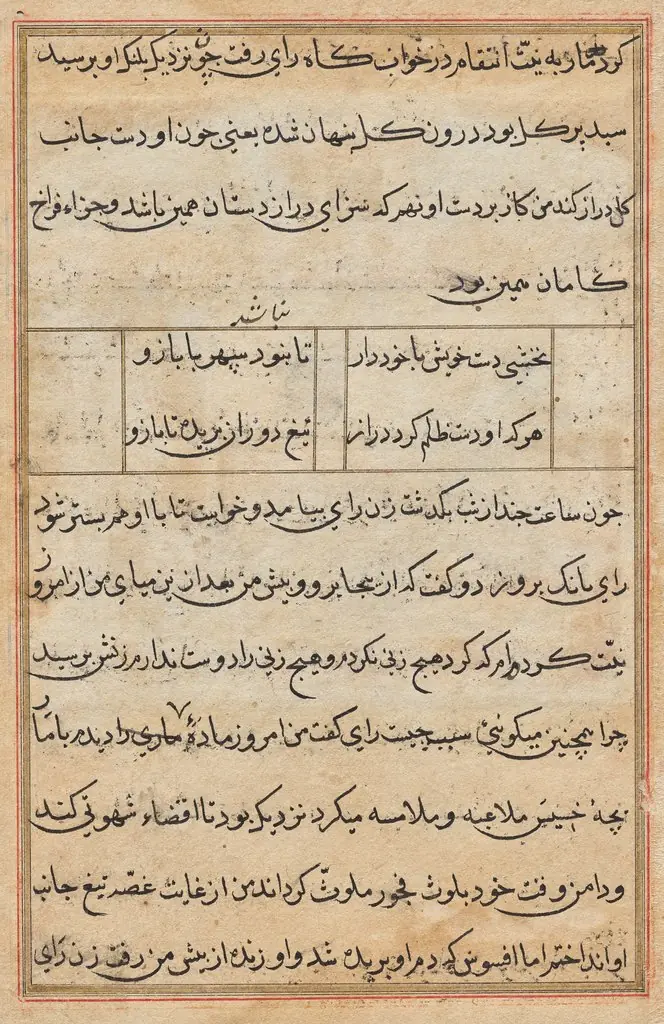 Page from Tales of a Parrot (Tuti-nama): text page
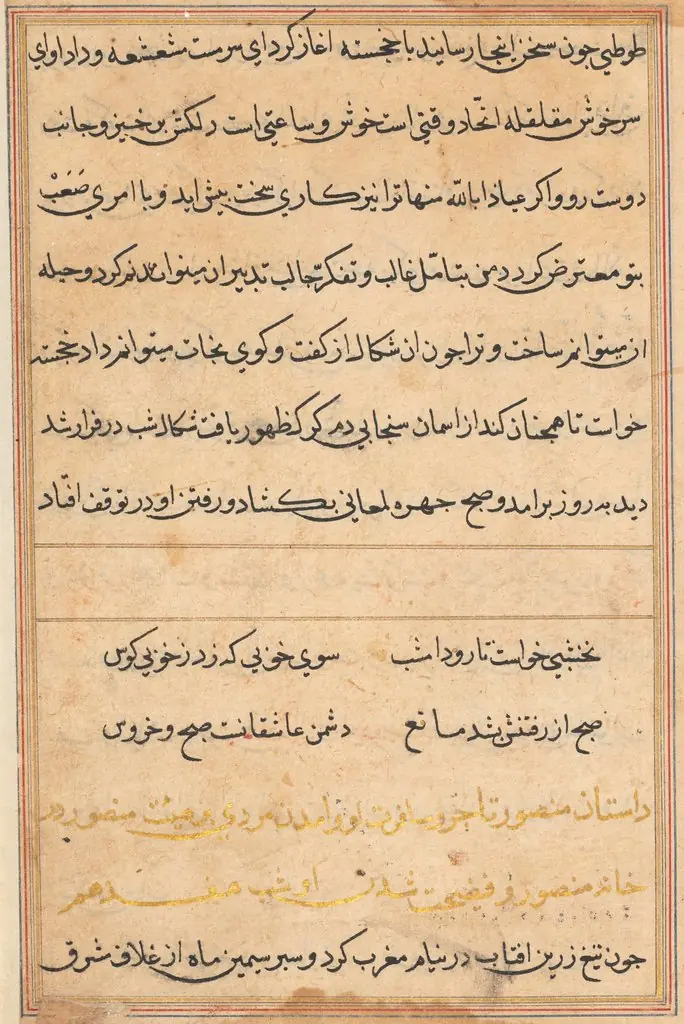 Page from Tales of a Parrot (Tuti-nama): text page
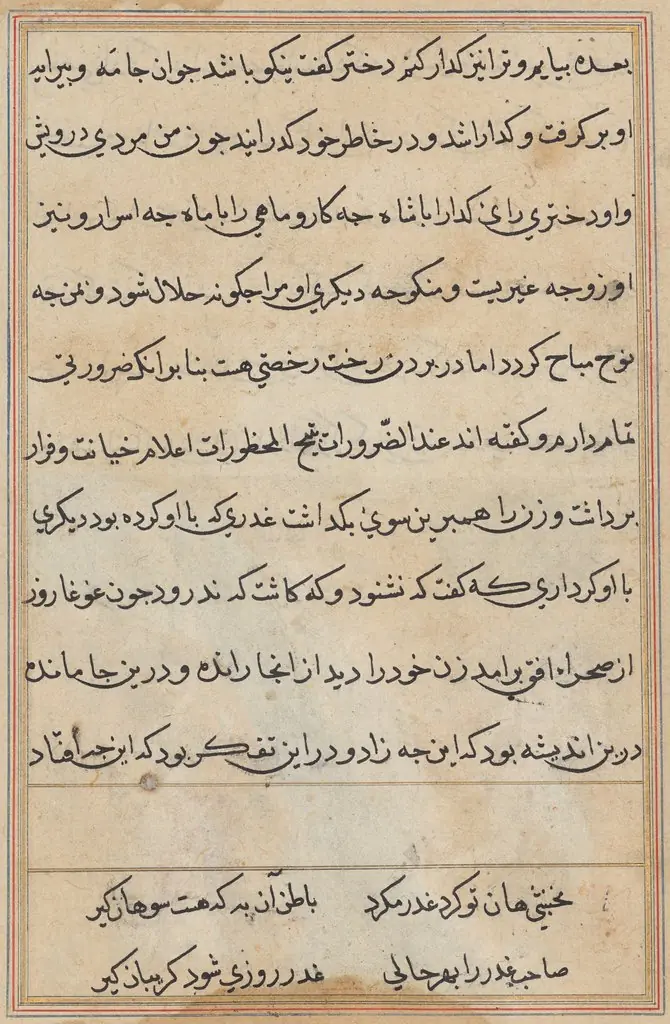 Page from Tales of a Parrot (Tuti-nama): text page
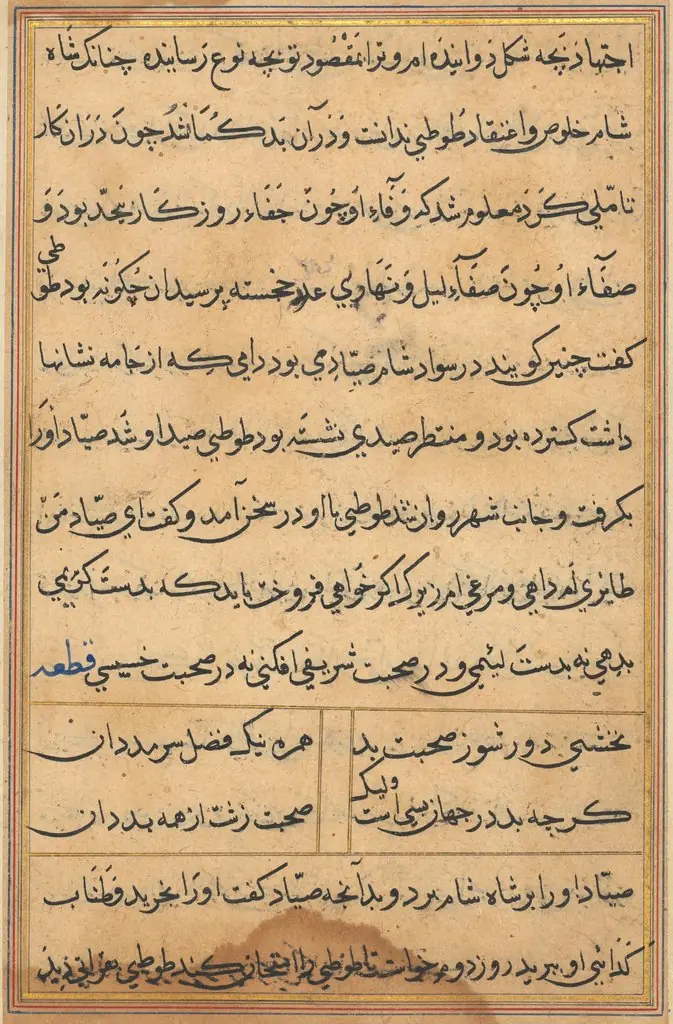 Page from Tales of a Parrot (Tuti-nama): text page
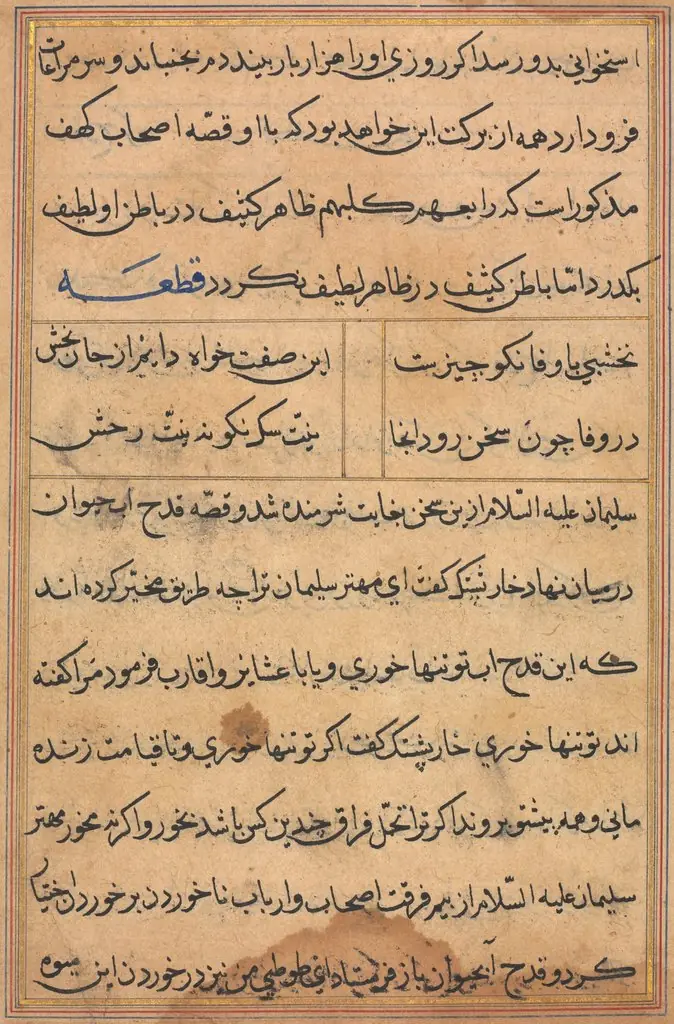 Page from Tales of a Parrot (Tuti-nama): text page
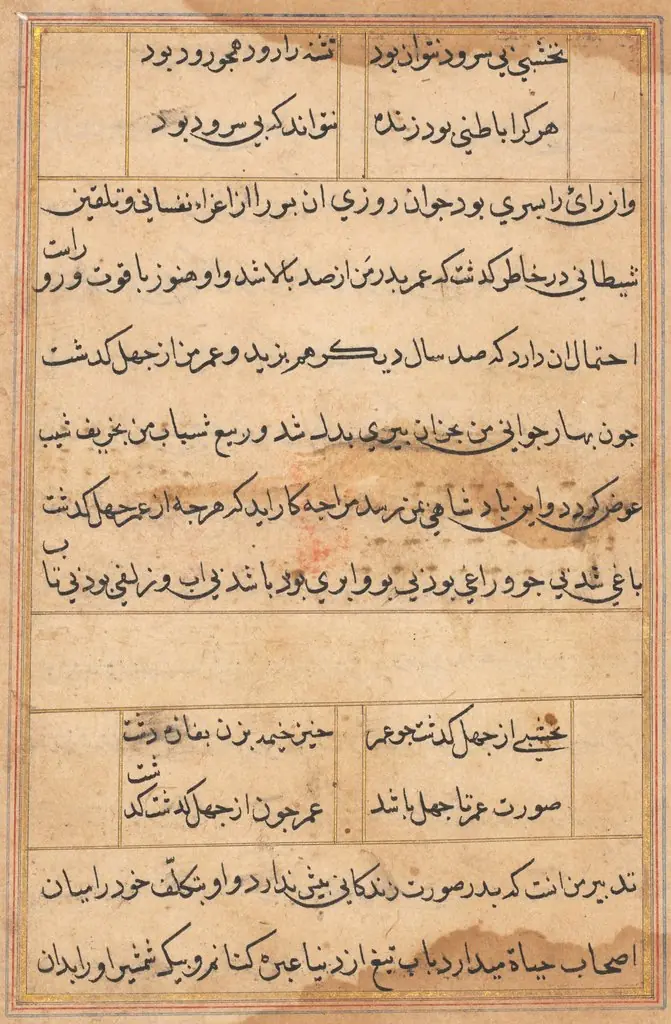 Page from Tales of a Parrot (Tuti-nama): text page
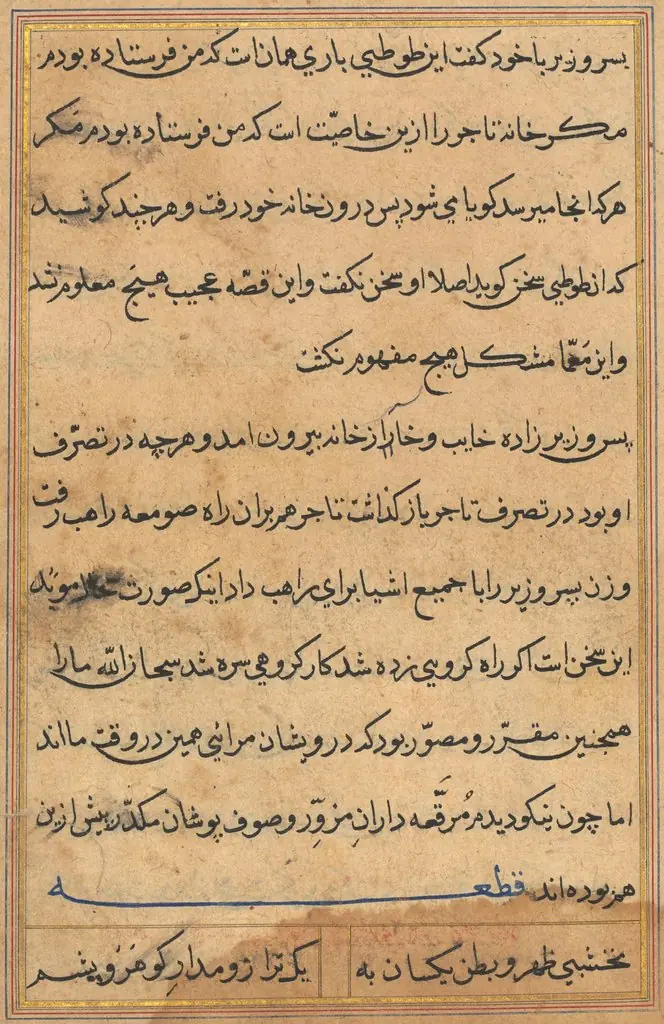 Page from Tales of a Parrot (Tuti-nama): text page
 Page from Tales of a Parrot (Tuti-nama): text page