Artwork
ulcior mic - pepene
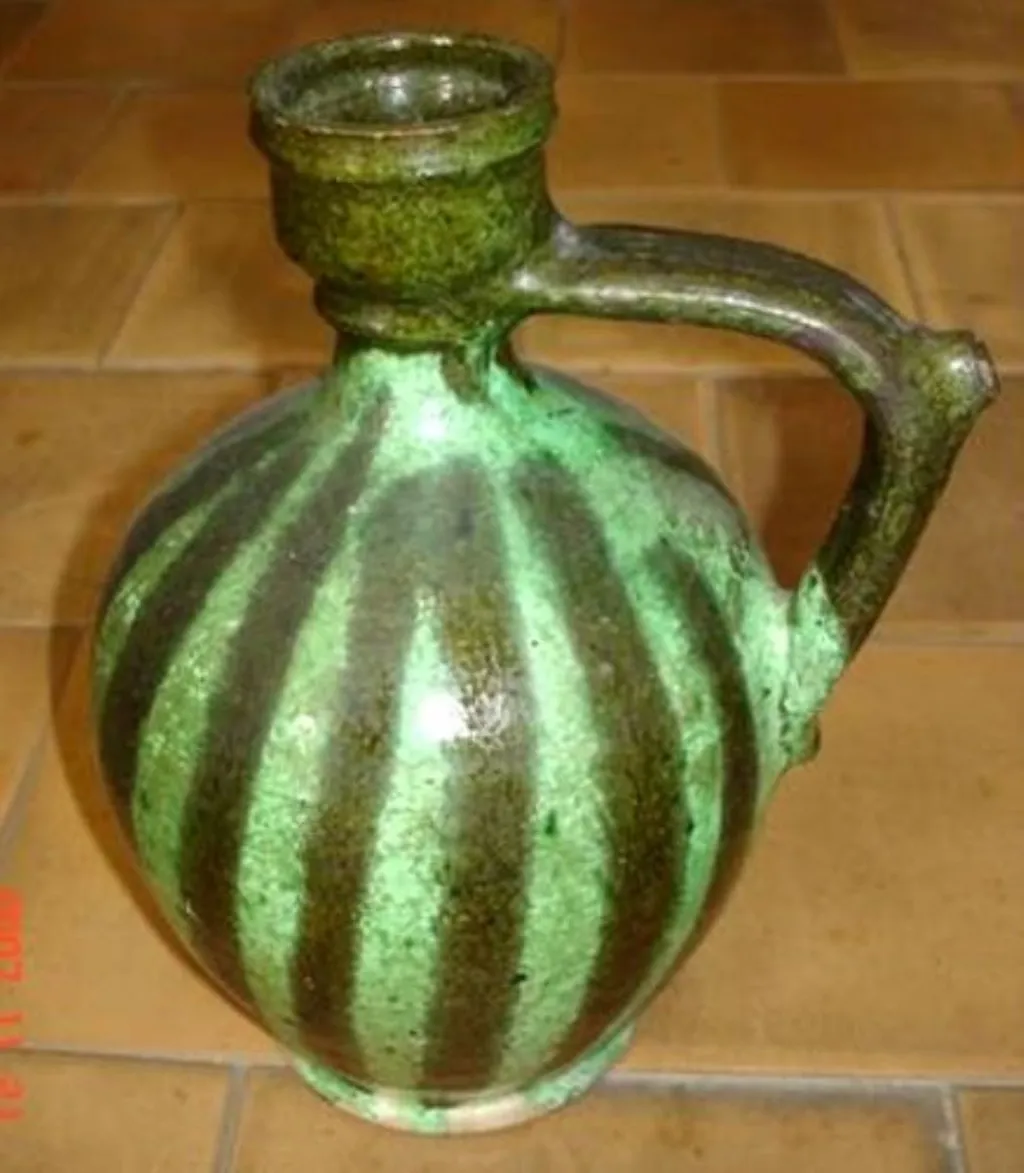
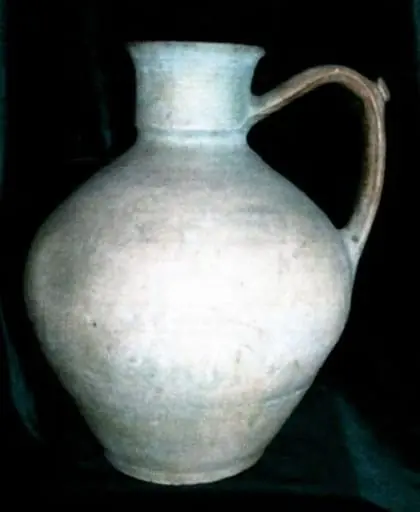
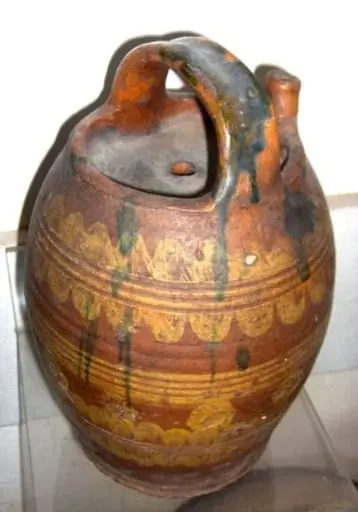
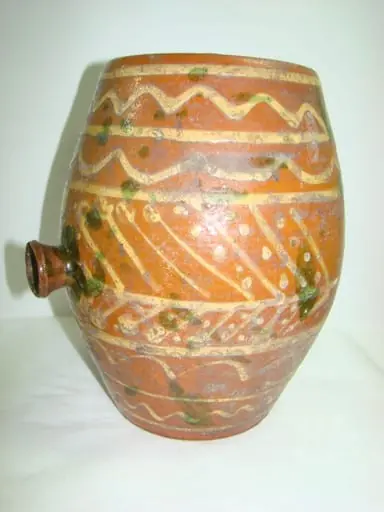
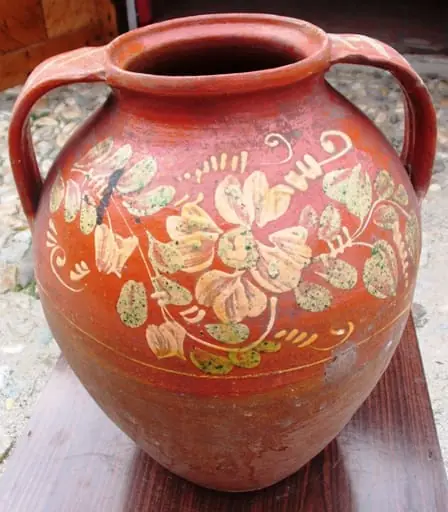
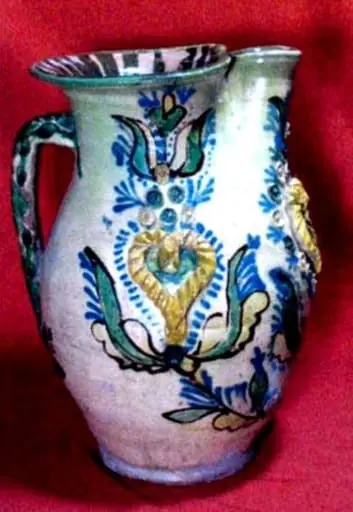
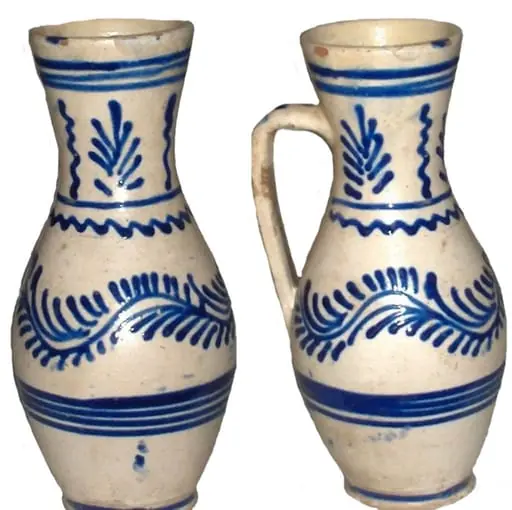
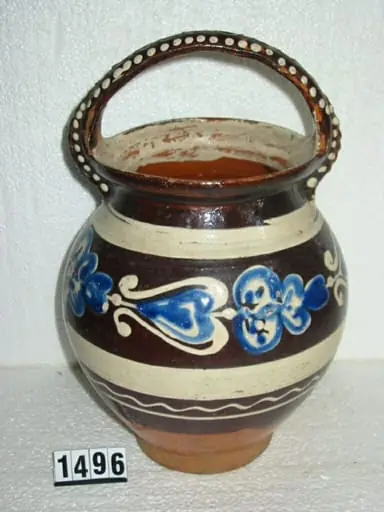
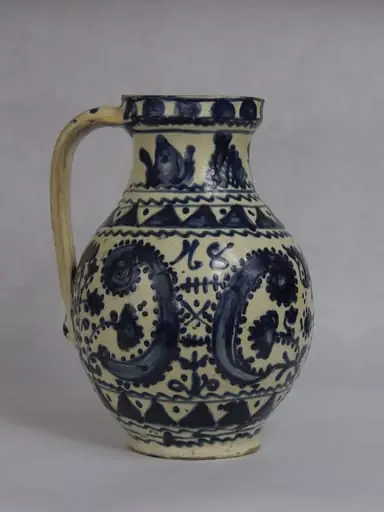
ulcior mic - pepene is a photography by Unknown. It dates from 1850 and is held in the collection of the Golești Viticulture and Pomiculture Museum. A black-and-white photograph captures a ceramic vessel with intricate carved decorations of leaves and fruit.
About this work
Overview
A black-and-white photograph captures a ceramic vessel with intricate carved decorations of leaves and fruit.
A black-and-white photograph captures a ceramic vessel with intricate carved decorations of leaves and fruit. The image emphasizes surface texture, with light accentuating the raised contours against the matte clay. The composition feels unposed, prioritizing tactile detail over formal presentation. The object appears aged and handcrafted, suggesting a pre-industrial origin. The photograph serves as a documentary record rather than an artistic interpretation.
Subject & Meaning
The vessel is adorned with botanical motifs—leaves and fruit—common in traditional ceramic decoration across many cultures. These patterns may reflect agricultural cycles, local flora, or symbolic associations with abundance and renewal. The absence of color and context leaves specific cultural attribution uncertain, but the choice of natural forms implies a connection to the environment and daily life.
Technique & Style
The carving technique reveals precise, hand-guided tool work, with each leaf and fruit form subtly modeled in relief. The photograph’s lighting highlights the three-dimensionality of the incised patterns, enhancing the contrast between raised and recessed areas. The monochrome medium strips away distraction, focusing attention on the craftsmanship of the surface and the rhythm of the carved motifs.
History & Provenance
The object likely originates from a region with a long tradition of hand-thrown ceramics, possibly Eastern Europe or the Balkans, given its association with the Museum of Ethnography. Its age and handmade quality suggest it was produced for domestic or ritual use before the 20th century. The photograph, taken for archival purposes, preserves its form without contextual documentation.
Context
Such vessels were typically made by local artisans using earthenware and fired in simple kilns. Decorative carving was often a functional embellishment, reinforcing structural integrity while expressing cultural identity. The photograph’s clinical framing aligns with early ethnographic practices that sought to classify and preserve material culture without romanticizing its origins.
Legacy
The image contributes to a broader archive of vernacular craftsmanship, offering scholars a visual reference for studying regional ceramic traditions. Its unembellished style reflects a documentary ethic common in early 20th-century ethnography. Though the vessel’s maker and exact origin remain unknown, the photograph ensures its form endures as part of material heritage.
Artist & collection
Museum
Golești Viticulture and Pomiculture Museum
Continue through works from the same source collection.
 Domestic Scene
 Giacomo and Cardinal Marco, investing Andrea, Abbot of San Zeno, with his Benefice
 The Nymph of Fontainebleau
 Portrait of a Woman
 Madonna and Child with Saints in the Enclosed Garden
 Venus and Minerva
 Family Group of Four on Sofa
 Wall painting from Room H of the Villa of P. Fannius Synistor at Boscoreale