Artwork
Untitled
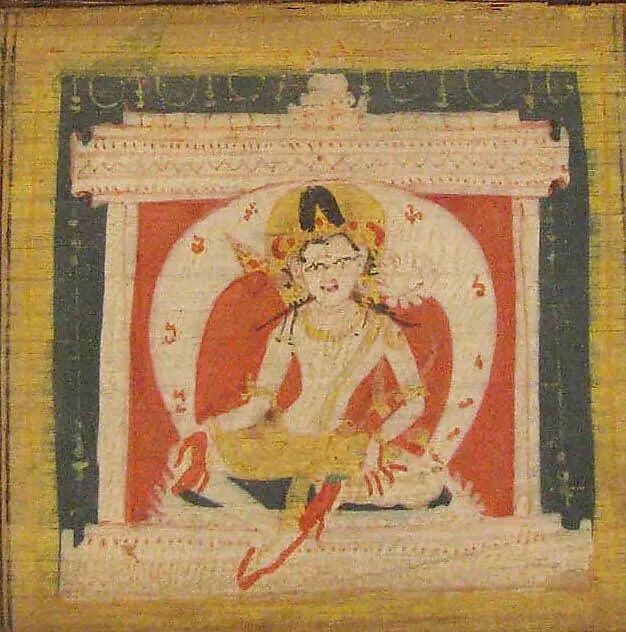
Untitled is a watercolor painting. It dates from 1090 and is held in the collection of the Metropolitan Museum of Art.
About this work
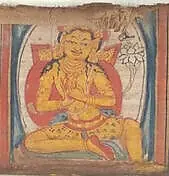
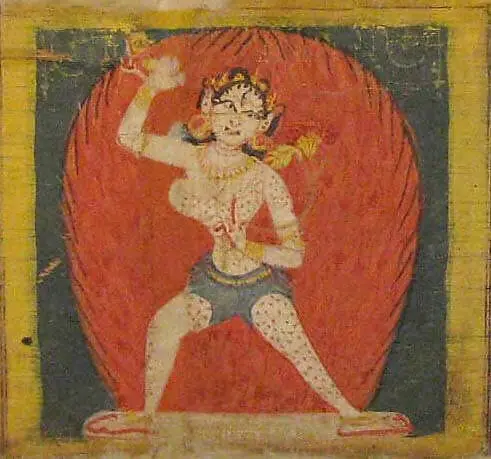
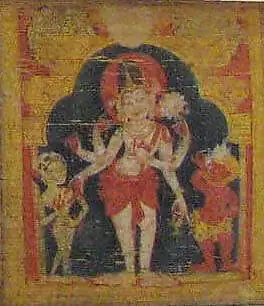
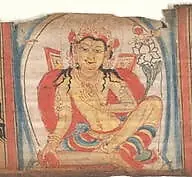
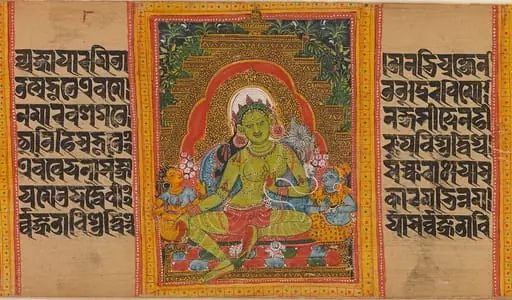
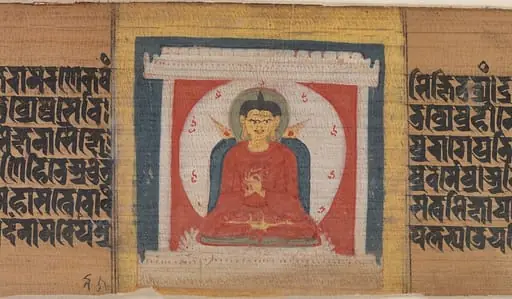
You see a small, bright painting on a palm leaf—golden figures, a red-robed monk, and a tree with curling branches.
You see a small, bright painting on a palm leaf—golden figures, a red-robed monk, and a tree with curling branches.
This was made around 1090 in Bengal, long before paper was common. Artists used palm leaves like pages in a book, painting scenes from Buddhist stories. The colors are still vivid because they used minerals and plant dyes that don’t fade.
If you like this, look up *Buddhism* to see more palm-leaf paintings from the same time.
Overview
This untitled painting, executed in opaque watercolor on a palm leaf, originates from Bengal around 1090. The small, vibrant composition features golden figures alongside a monk clad in red robes, set against a tree with distinctively curling branches. It represents an early form of manuscript illustration, predating the widespread use of paper in the region.
Technique & Style
The artwork's enduring vibrancy is a testament to the materials employed. Artists in Bengal utilized opaque watercolors, derived from mineral pigments and plant-based dyes, which possess remarkable lightfastness. The choice of palm leaf as a support, rather than a canvas or paper, reflects the available resources and artistic traditions of the period.
Subject & Meaning
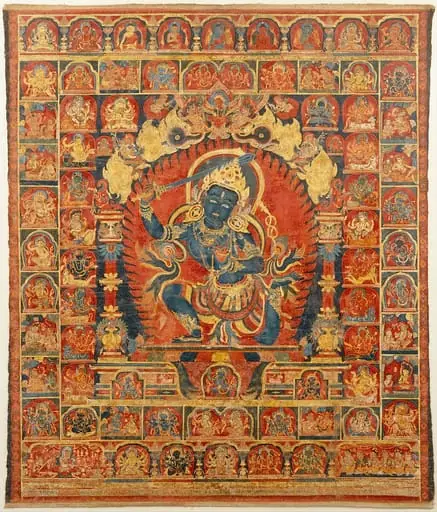
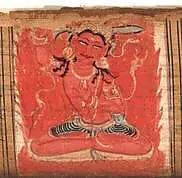
This painting illustrates a narrative from Buddhist lore, a common theme for artworks of this era. The depiction includes golden figures, possibly deities or enlightened beings, interacting with a red-robed monk, a central figure in Buddhist practice. Such imagery served to convey religious teachings and stories, often forming part of larger illustrated manuscripts.
Context
Created in Bengal around 1090, this piece exemplifies a period when palm leaves served as the primary surface for written and illustrated works. Before paper became widely accessible, artists and scribes meticulously prepared and painted on these leaves, assembling them into book-like formats. This practice was integral to the dissemination of religious texts and visual narratives.
Artist & collection