Artwork
Untitled
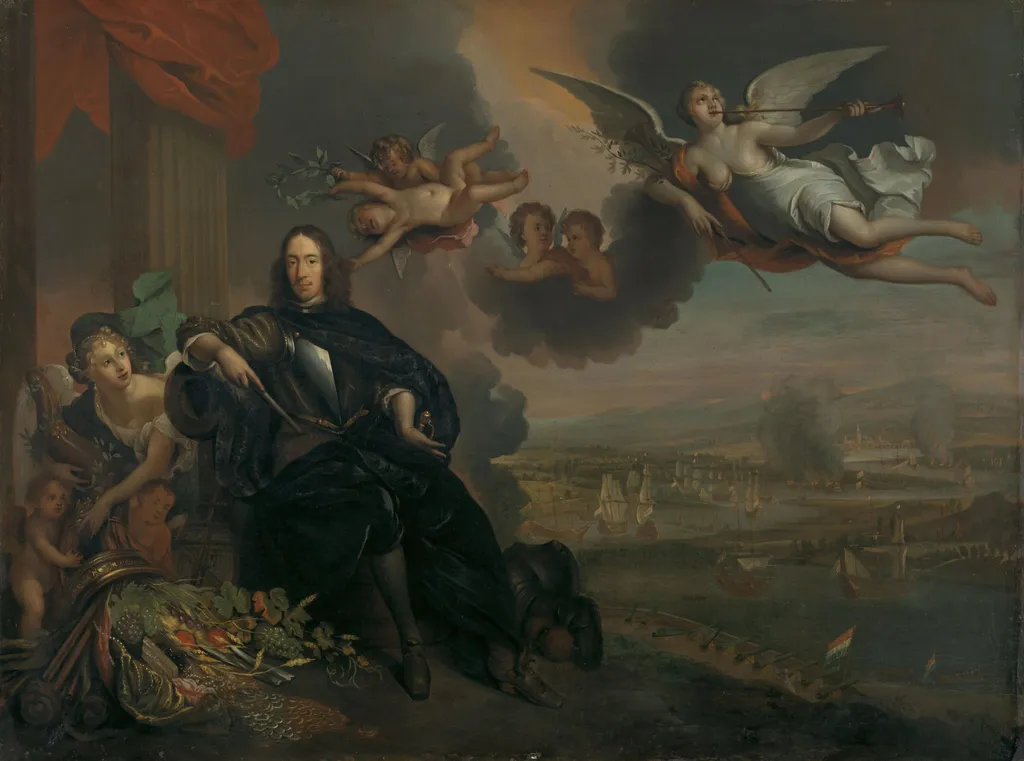
Untitled is an unspecified painting by the Dutch Golden Age artist Unknown. It dates from 1684 and is held in the collection of the Rijksmuseum. Created around 1668 by J.
About this work
The man, Cornelis de Witt, wasn’t actually a soldier—he was a politician on the ship.
A man in fancy fake armor stands on a ship deck. Behind him, tiny boats fight on a choppy sea. A cannon, a helmet, and a cornucopia spill fruit at his feet.
This painting was made to celebrate a Dutch naval win in 1667. The man, Cornelis de Witt, wasn’t actually a soldier—he was a politician on the ship. The artist dressed him like a hero anyway, mixing real history with made-up glory.
Look up more Dutch Golden Age battle scenes at the Rijksmuseum.
Overview
Created around 1668 by J. de Baen, this small oil painting commemorates the Dutch fleet’s successful raid on the English anchorage at Chatham in June 1667. It is a reduced copy of a larger work that once hung in the town hall of Dordrecht, the city where Cornelis de Witt served as burgomaster. The original was lost in the turmoil of 1672.
Subject & Meaning
The central figure is Cornelis de Witt, a statesman rather than a soldier, shown in elaborate, imagined armor on the deck of a ship. Around him lie symbols of martial triumph—a cannon, a suit of armor, and a cornucopia spilling fruit—while an angel crowns his head with a victory wreath and the allegorical figure of Fame sounds a trumpet, underscoring his celebrated role in the naval action.
Technique & Style
De Baen employs a theatrical composition, placing the hero in the foreground against a distant, bustling sea battle rendered in smaller scale. The painted frame is richly ornamented with a variety of weapons, echoing the martial theme. The work balances realistic details of the ships and artillery with idealised, allegorical elements.
History & Provenance
The painting was produced as a commemorative piece for the city of Dordrecht, its upper border bearing Dordrecht’s civic arms and the lower border the De Witt family coat of arms. After the destruction of the original in 1672, this replica survived and entered the museum collection, where it remains a testament to 17th‑century civic propaganda.
Context
The work reflects the Dutch Golden Age practice of celebrating naval victories through allegorical portraiture, merging political figures with heroic iconography. By portraying de Witt in martial garb, the painting links his political leadership to the collective military success of the Republic during the Second Anglo‑Dutch War.
Artist & collection

 Domestic Scene
 Giacomo and Cardinal Marco, investing Andrea, Abbot of San Zeno, with his Benefice
 The Nymph of Fontainebleau
 Portrait of a Woman
 Madonna and Child with Saints in the Enclosed Garden
 Venus and Minerva
 Family Group of Four on Sofa
 Wall painting from Room H of the Villa of P. Fannius Synistor at Boscoreale
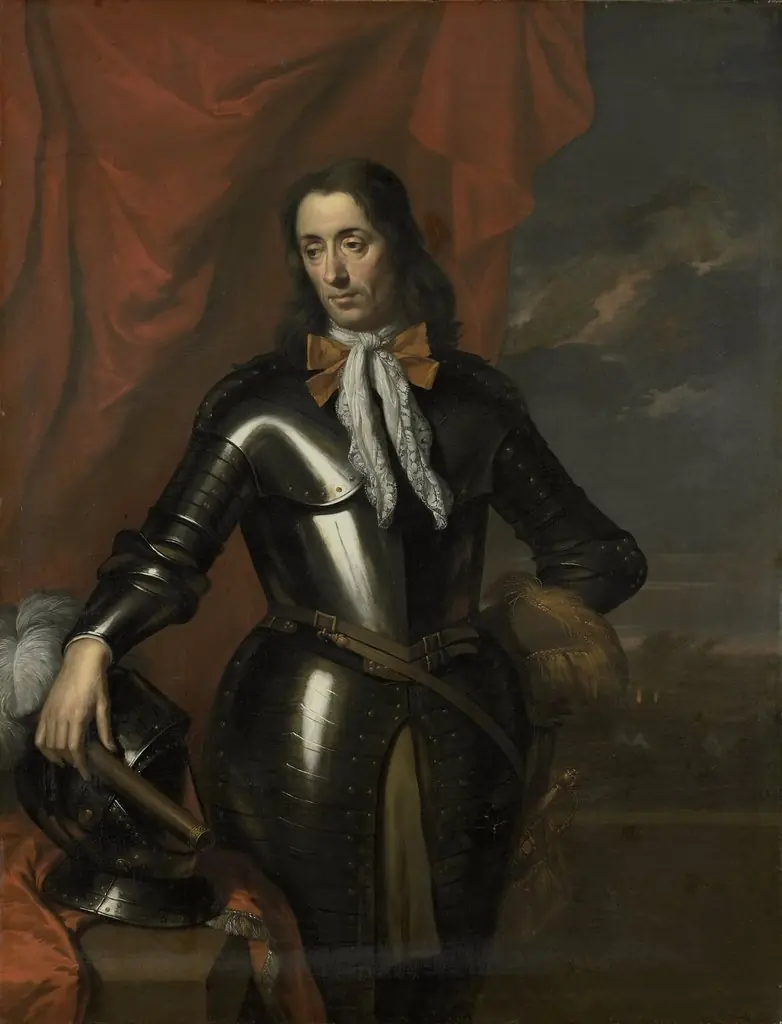 Portrait of Isaac de l'Ostal de Saint-Martin (ca 1629-96), governor of the Dutch East Indies and commander of the garrison at Batavia
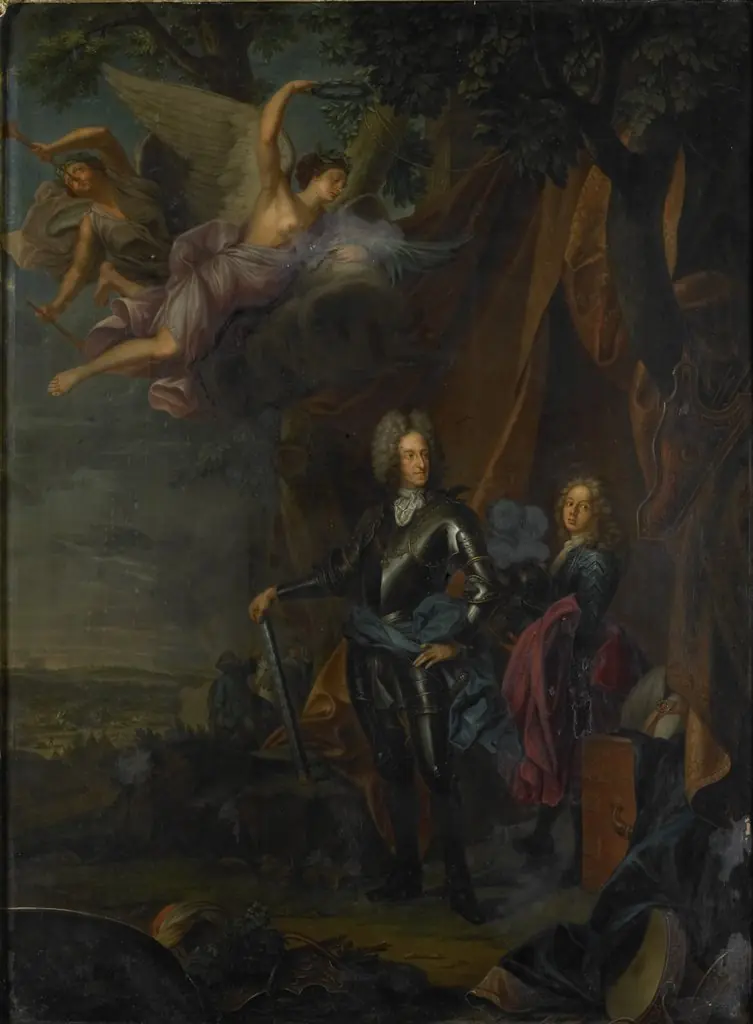 Portrait of Maximilian II, Elector of Bavaria, at the Battle of Mohács against the Turks
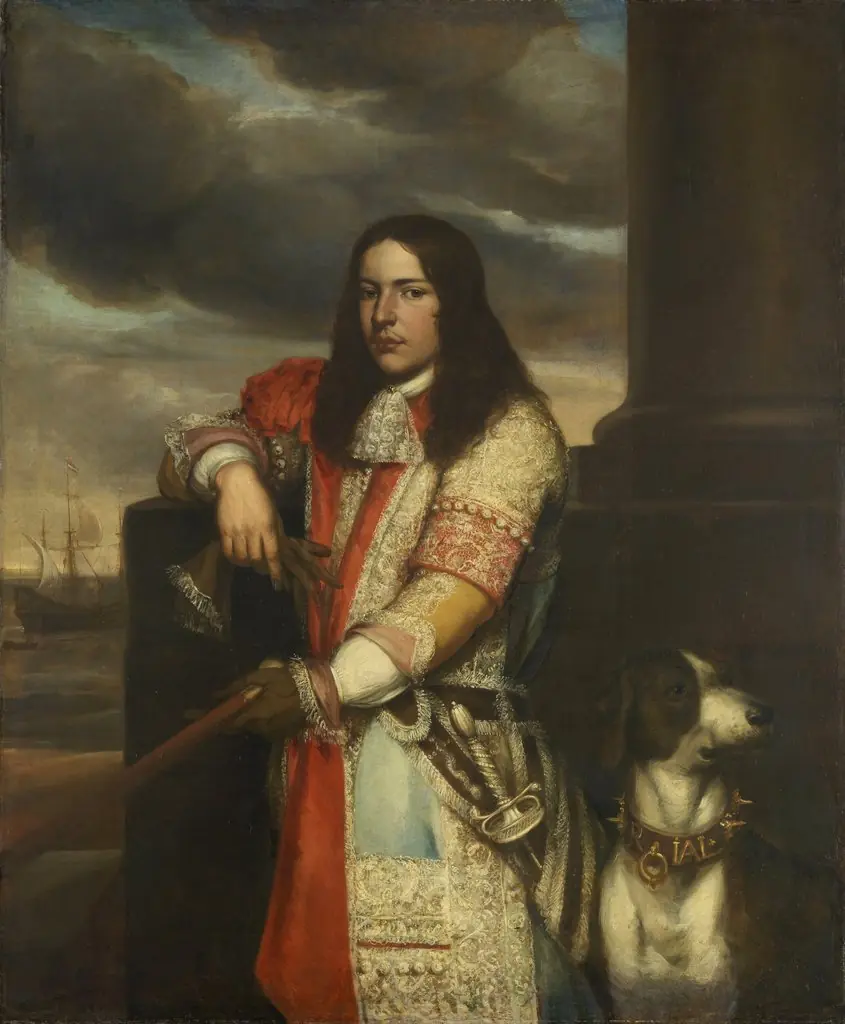 Portrait of Engel de Ruyter (1649-83), Vice-admiral and son of Michiel Adriaensz de Ruyter
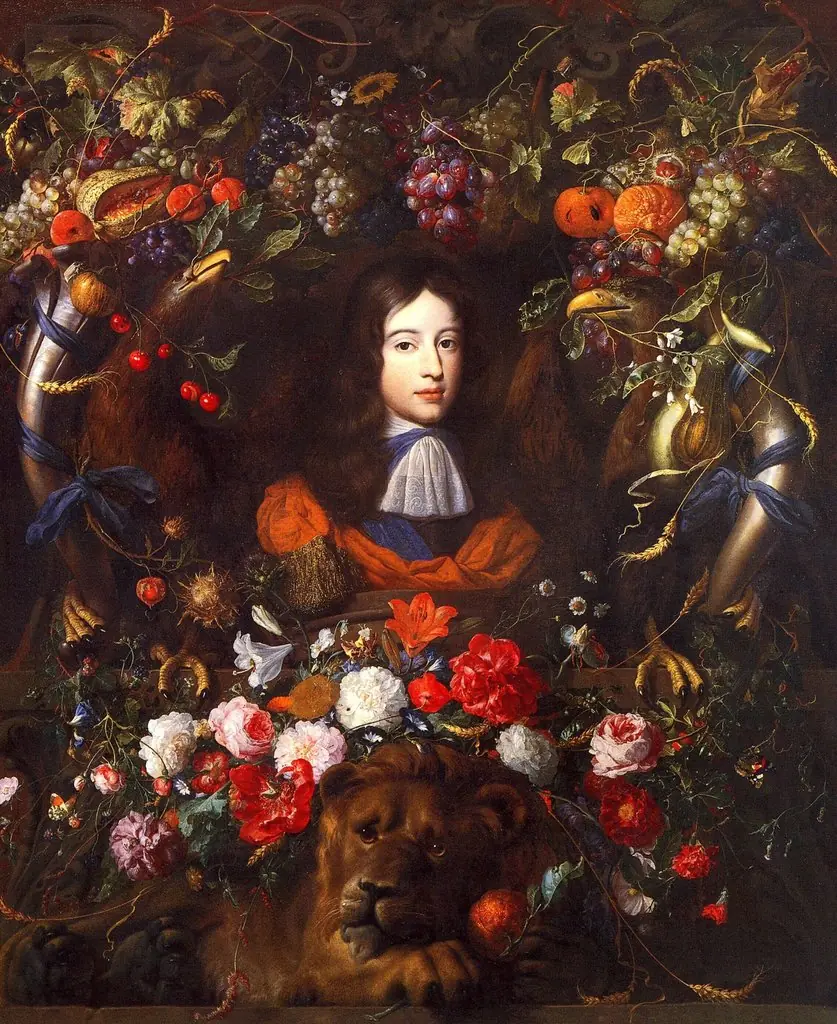 Flower garland with portrait of William III of Orange, aged 10
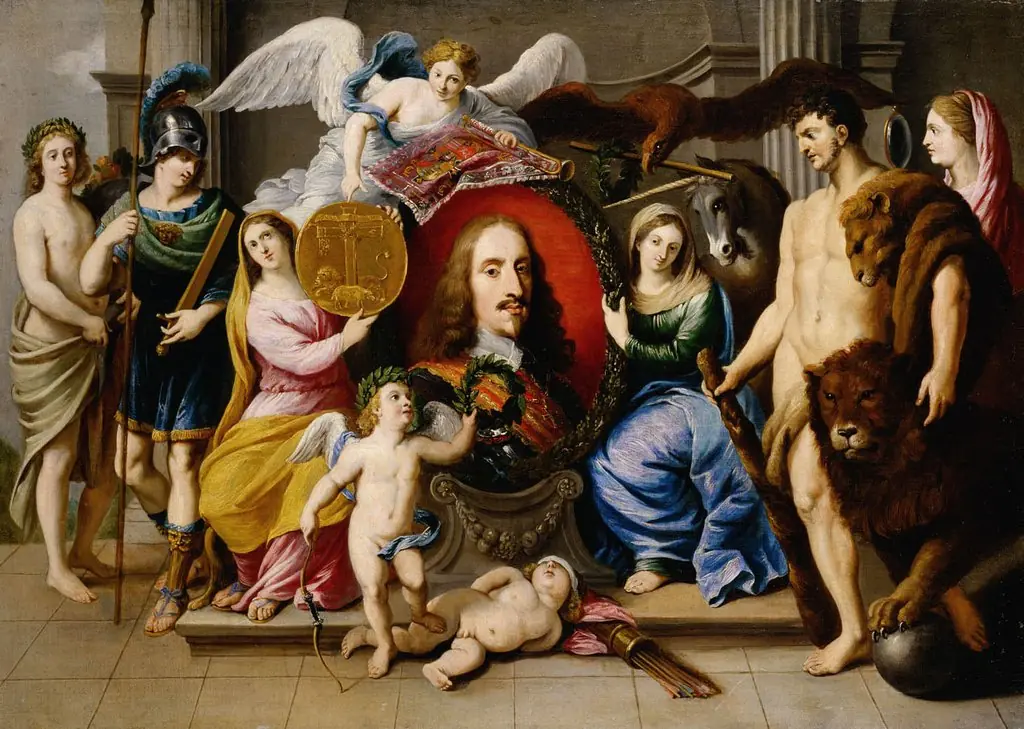 Allegory on Archduke Leopold Wilhelm (1614-1662)
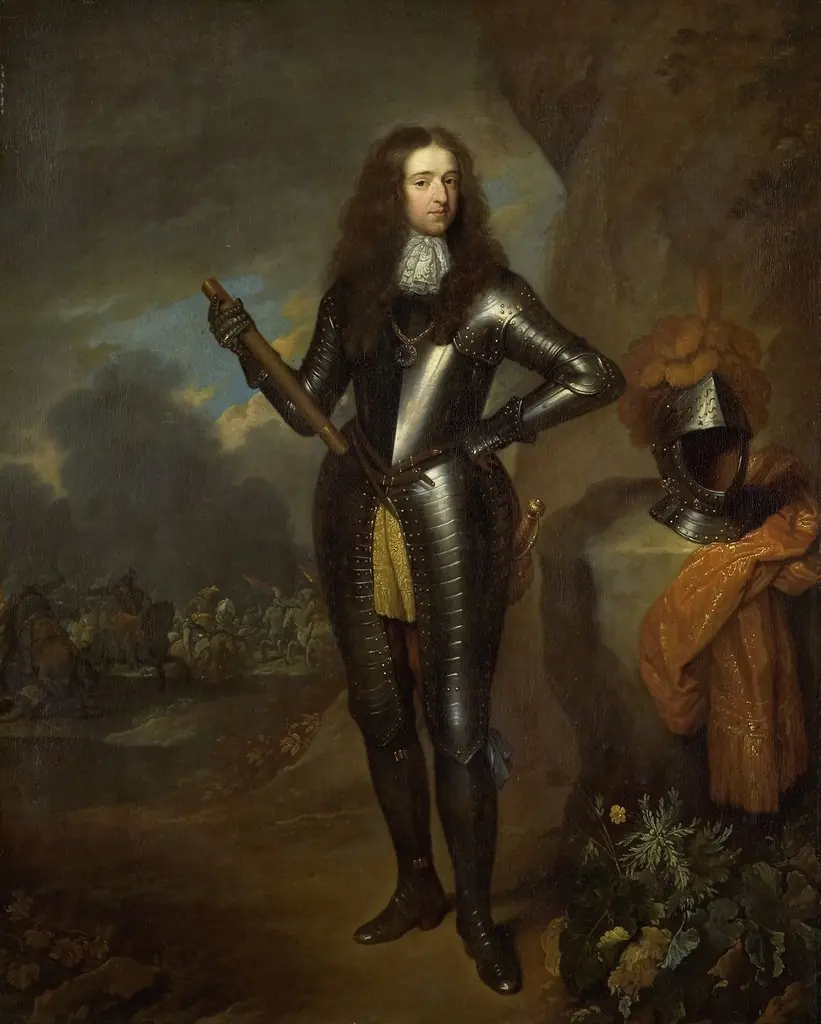 William III (1650-1702), Prince of Orange and since 1689, King of England
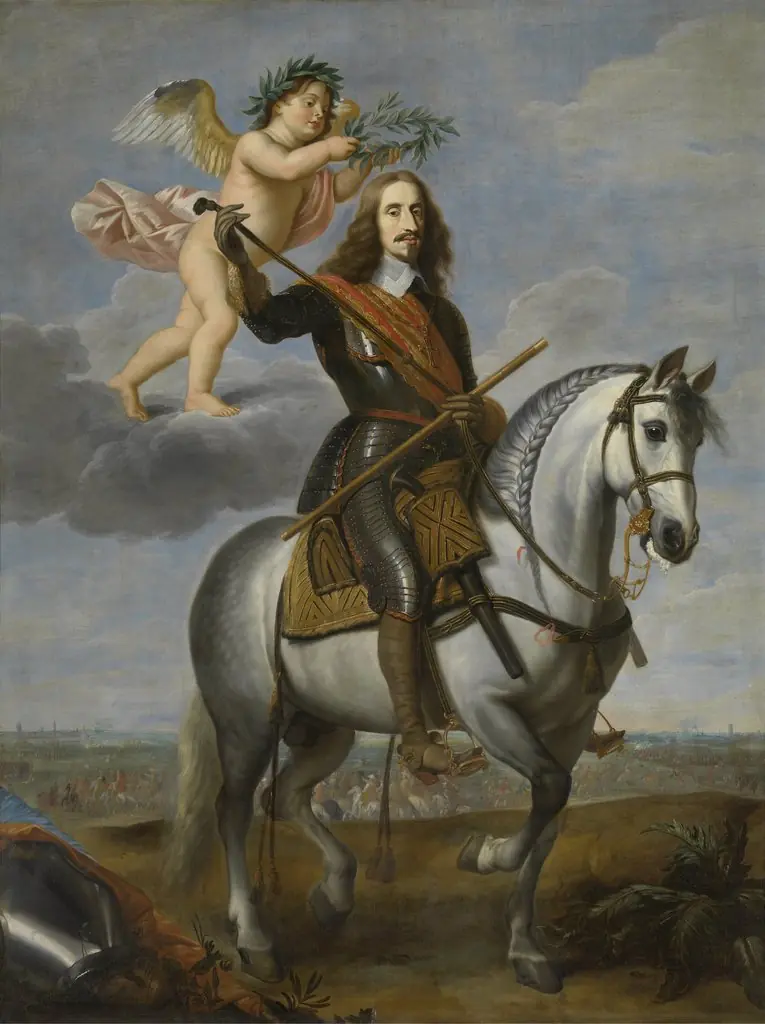 Equestrian portrait of Archduke Leopold Wilhelm
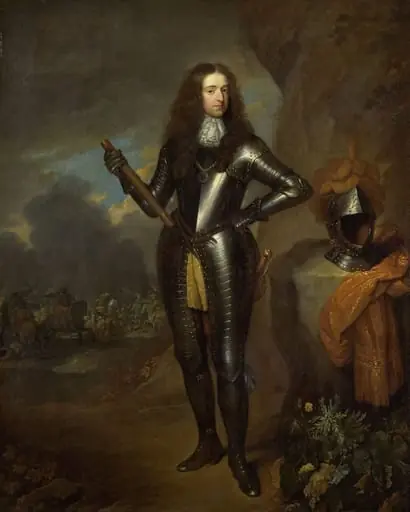 William III (1650-1702), Prince of Orange and since 1689, King of England