Artwork
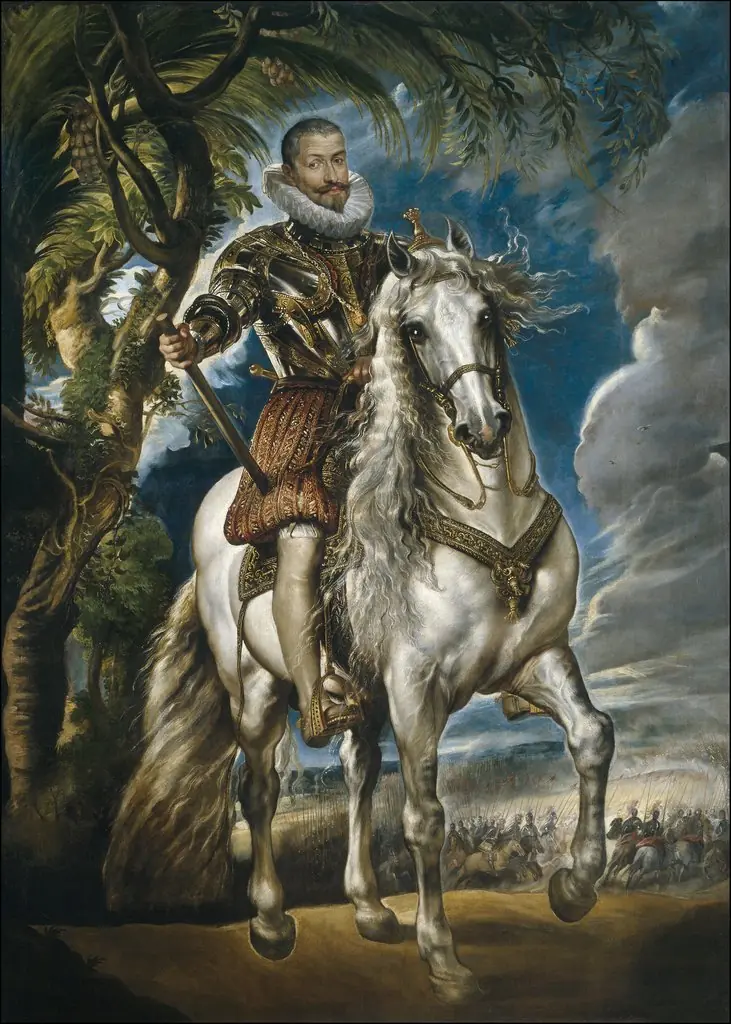
Equestrian portrait of Archduke Leopold Wilhelm
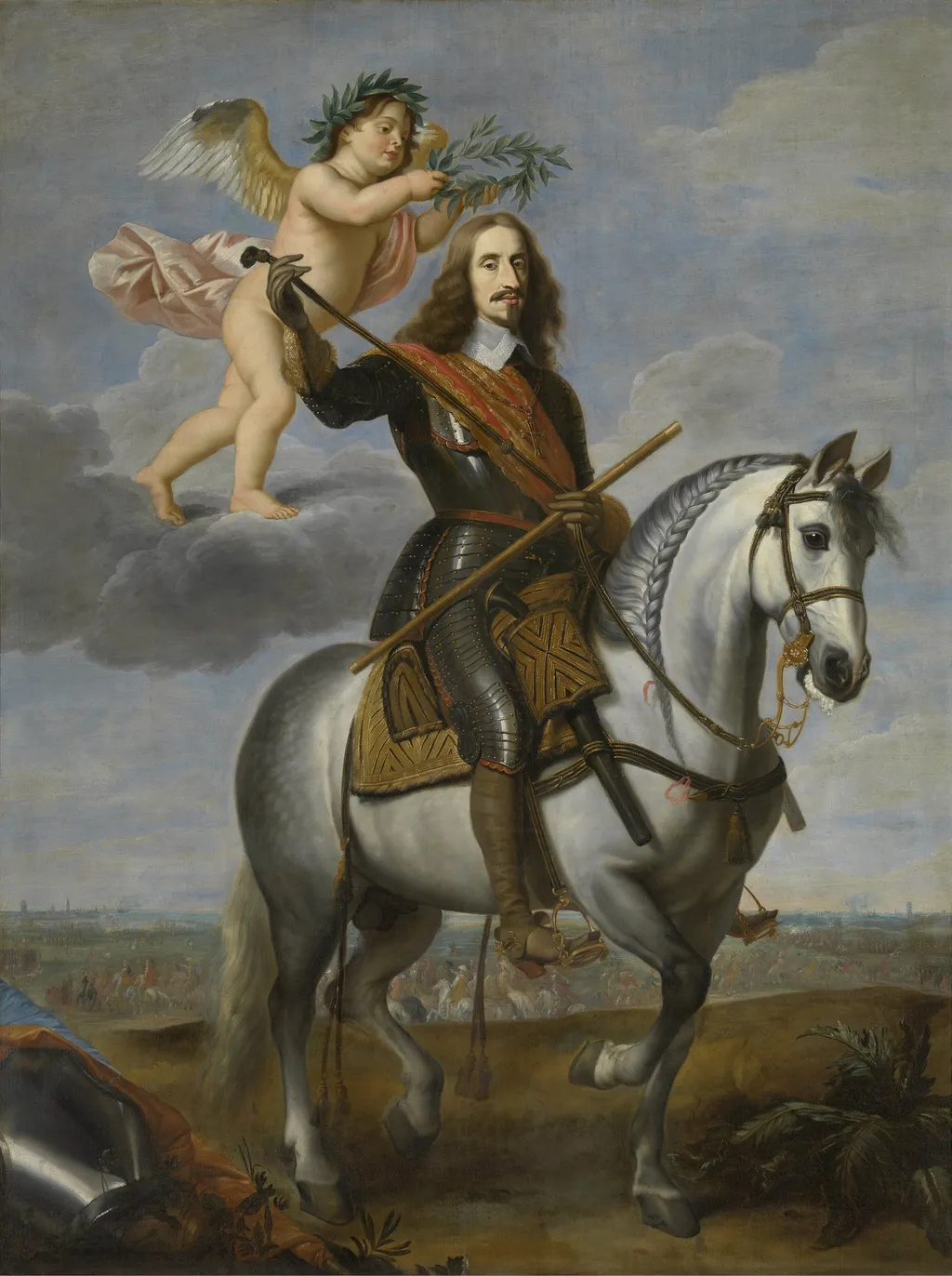
Equestrian portrait of Archduke Leopold Wilhelm is an oil painting by the Flemish Baroque painting artist Unknown. It dates from 1650 and is held in the collection of the Groeningemuseum.
About this work
Overview
This oil painting depicts Archduke Leopold Wilhelm of Austria mounted on a caparisoned horse, dressed in ornate armor and rich red-and-gold attire.
This oil painting depicts Archduke Leopold Wilhelm of Austria mounted on a caparisoned horse, dressed in ornate armor and rich red-and-gold attire. The scene is set against a hazy, cloud-dappled sky, with a bustling camp below. A winged figure hovers above, offering a laurel wreath, suggesting honor or victory. The composition blends realism with symbolic elements, characteristic of courtly portraiture in the mid-17th century.
Subject & Meaning
The portrait presents the archduke as a noble military leader, elevated by the presence of an angelic figure bearing a laurel branch—a classical symbol of triumph. The crowded landscape behind him implies his authority over a vast domain or campaign. The angel’s ethereal form and bare feet on a cloud introduce a divine endorsement, reinforcing the idea of divinely sanctioned rule common in Habsburg propaganda.
Technique & Style
The artist employs subtle chiaroscuro to model the archduke’s armor and the horse’s musculature, enhancing volume without harsh contrasts. The sky is rendered with soft, blended tones, contrasting with the detailed activity of the encampment below. Delicate brushwork defines the angel’s wings and the star-patterned horse trappings, while the vivid red and gold of the archduke’s garments draw immediate visual focus.
History & Provenance
Commissioned during Leopold Wilhelm’s tenure as Governor of the Spanish Netherlands, the portrait likely originated in Brussels or Vienna around the 1640s–1650s. It was part of a broader effort to visually assert Habsburg power across Europe. The painting entered the collection of the Kunsthistorisches Museum in Vienna, where it remains today, preserved as a key example of courtly portraiture from the period.
Context
Created during the Thirty Years’ War, the portrait reflects the Habsburgs’ use of imagery to project stability and divine favor amid political turmoil. Equestrian portraits were traditional symbols of leadership, but the inclusion of a celestial figure marks a shift toward more allegorical representations. The detailed background, showing soldiers and tents, alludes to the archduke’s military responsibilities without depicting active combat.
Legacy
The painting exemplifies how Baroque portraiture merged realism with allegory to serve political ends. While not widely reproduced, it influenced later court portraits in Central Europe, particularly in the use of celestial attendants to signify legitimacy. Its preservation in Vienna underscores its role as a historical document of Habsburg identity and the visual language of power in early modern Europe.
Artist & collection

 Domestic Scene
 Giacomo and Cardinal Marco, investing Andrea, Abbot of San Zeno, with his Benefice
 The Nymph of Fontainebleau
 Portrait of a Woman
 Madonna and Child with Saints in the Enclosed Garden
 Venus and Minerva
 Family Group of Four on Sofa
 Wall painting from Room H of the Villa of P. Fannius Synistor at Boscoreale
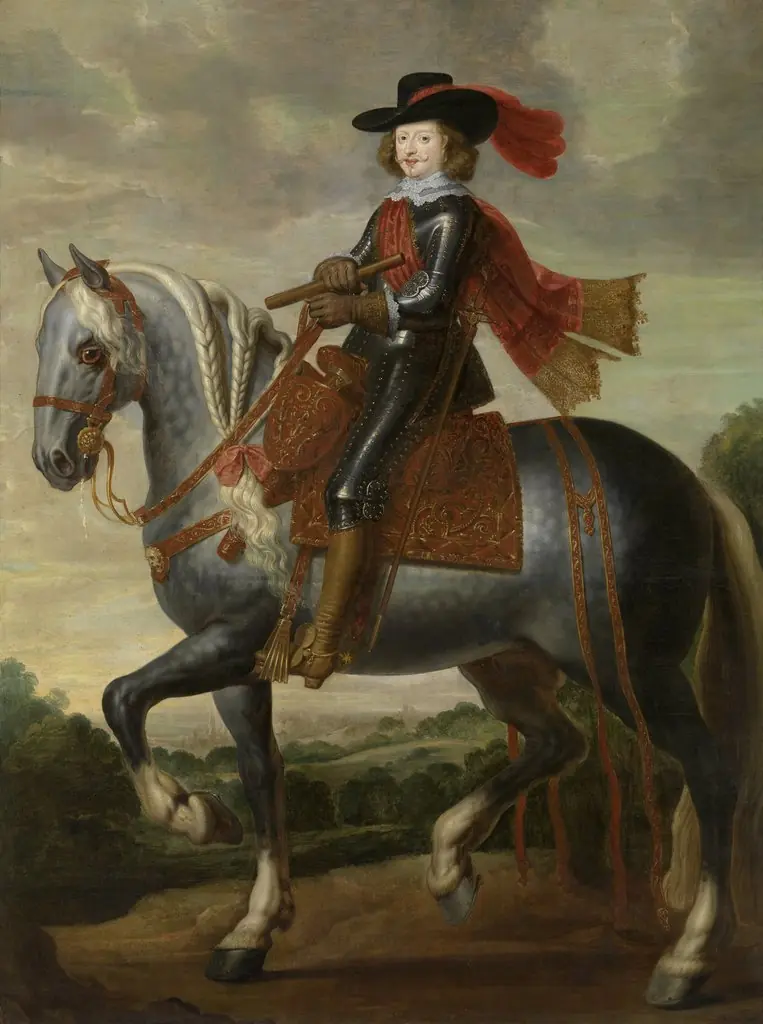 Equestrian portrait of Cardinal-Infante Ferdinand of Austria
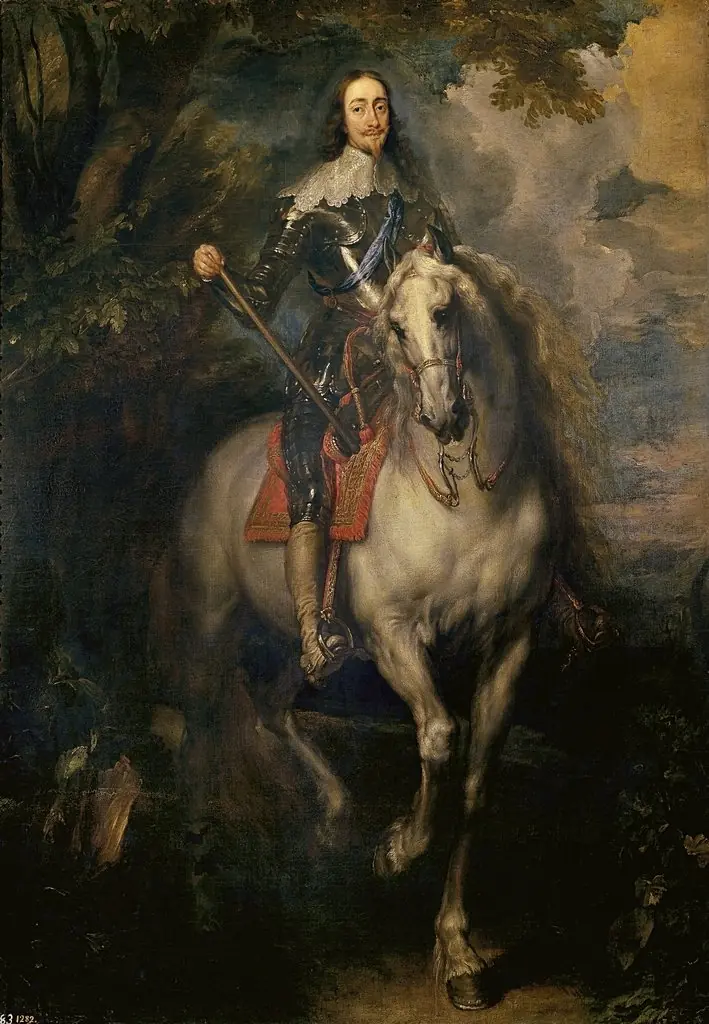 Equestrian portrait of Charles I of England
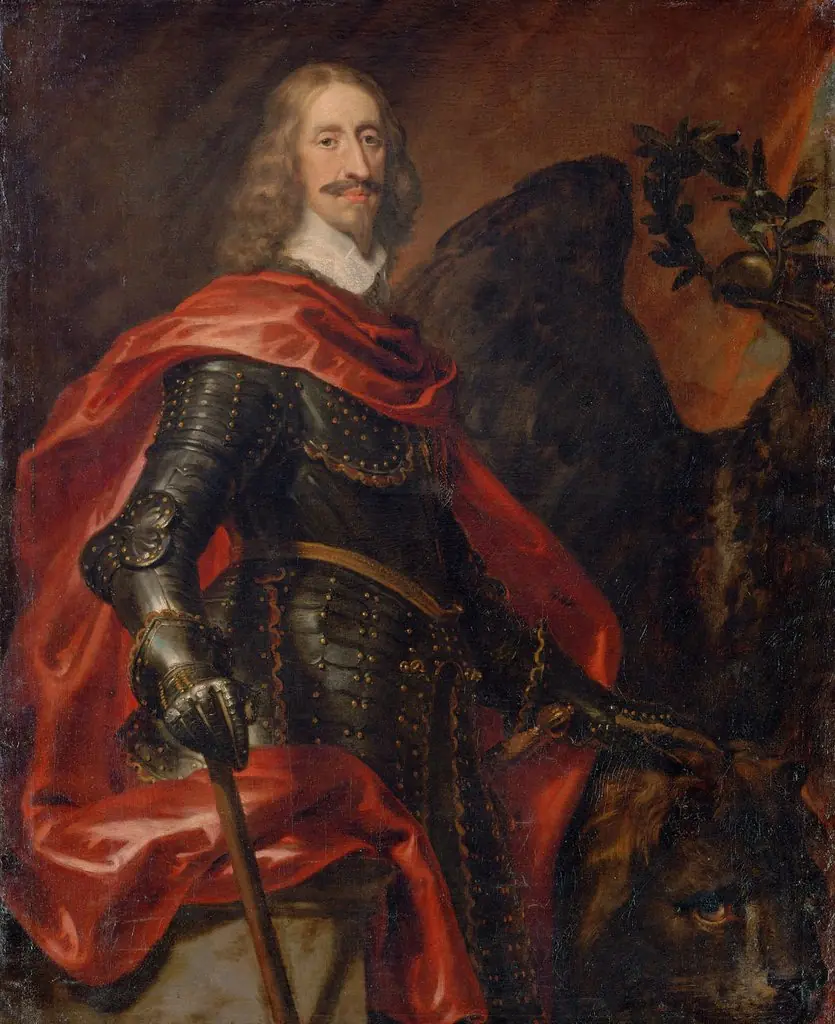 Portrait of Archduke Leopold Wilhelm of Austria
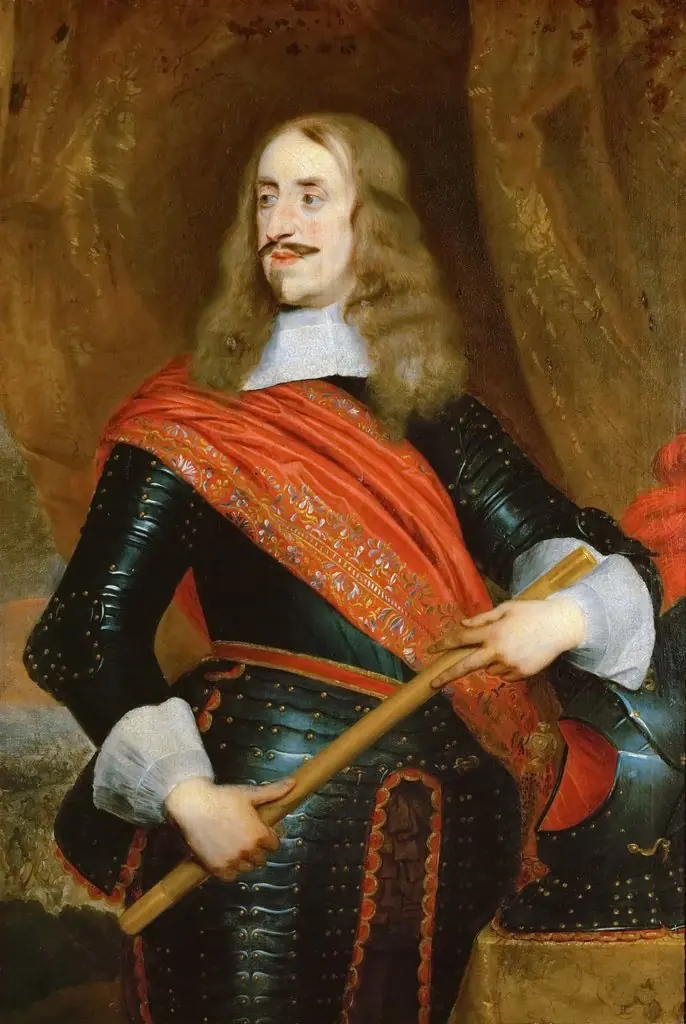 Portrait of Archduke Leopold Wilhelm (1614-1662)
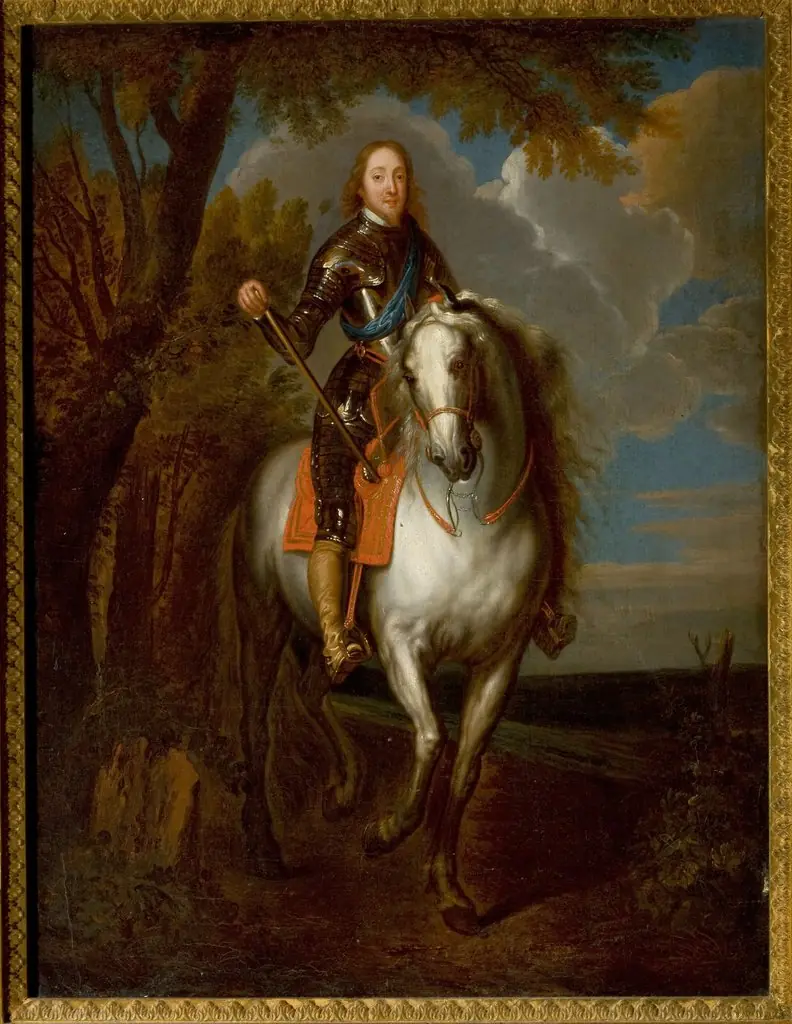 Equestrian Portrait of a Man in Armour
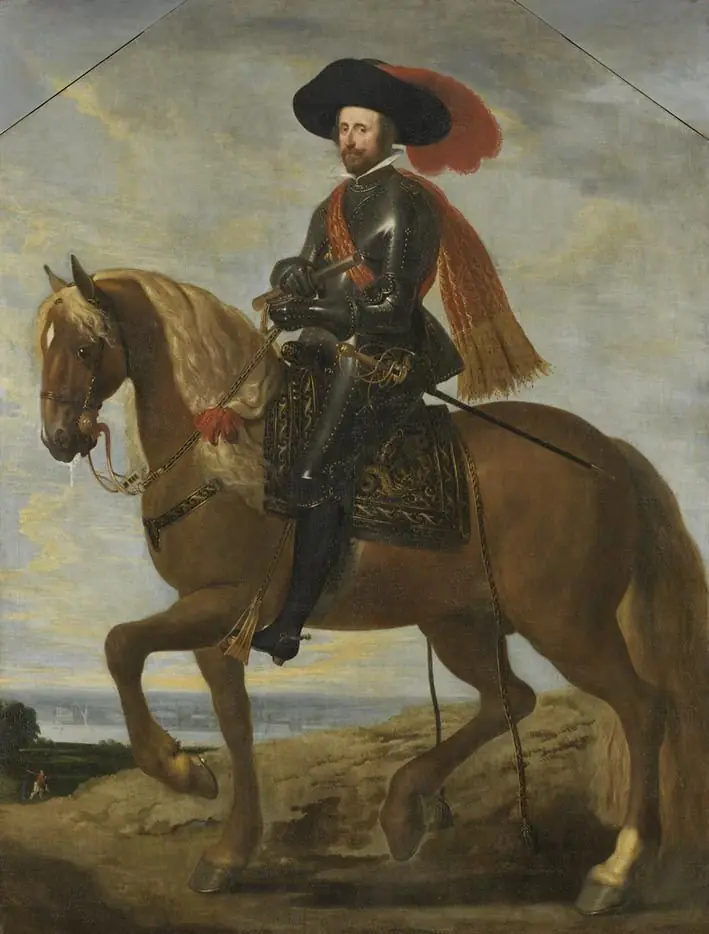 Equestrian portrait of Wolfgang Wilhelm von Pfalz-Neuburg
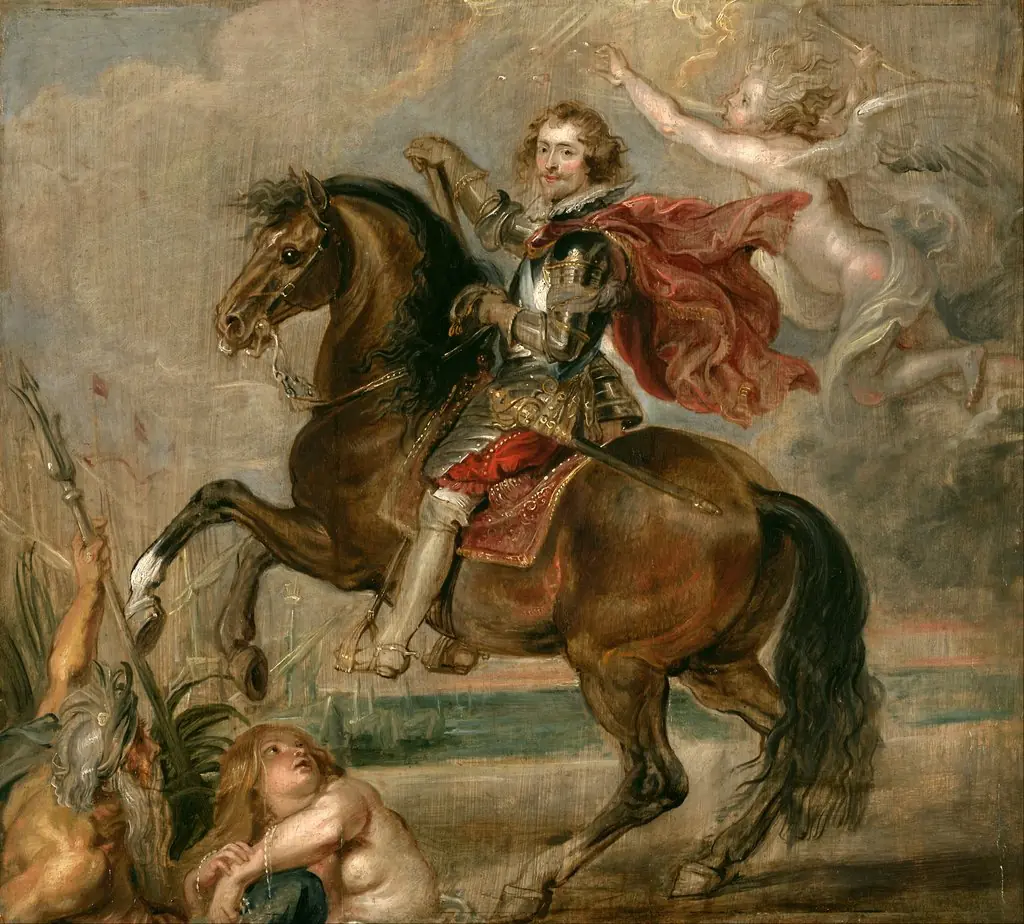 Equestrian Portrait of the Duke of Buckingham
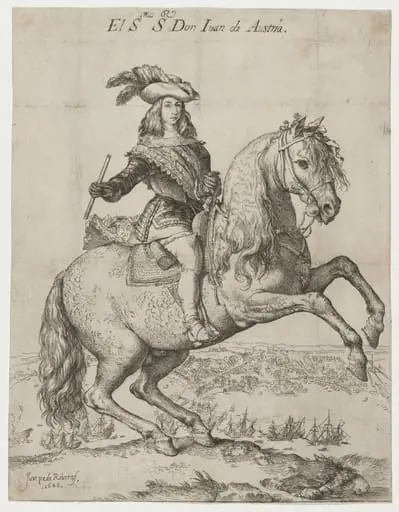 Equestrian Portrait of Don Juan de Austria
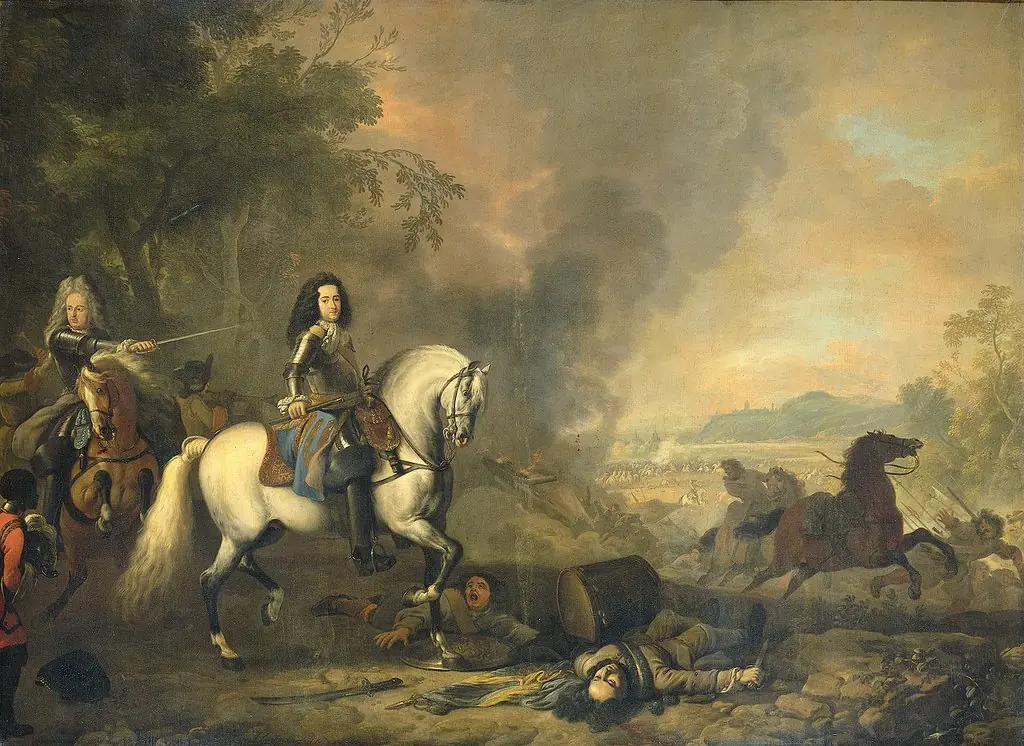 Equestrian Portrait of Hendrik Casimir II (1657-1696)
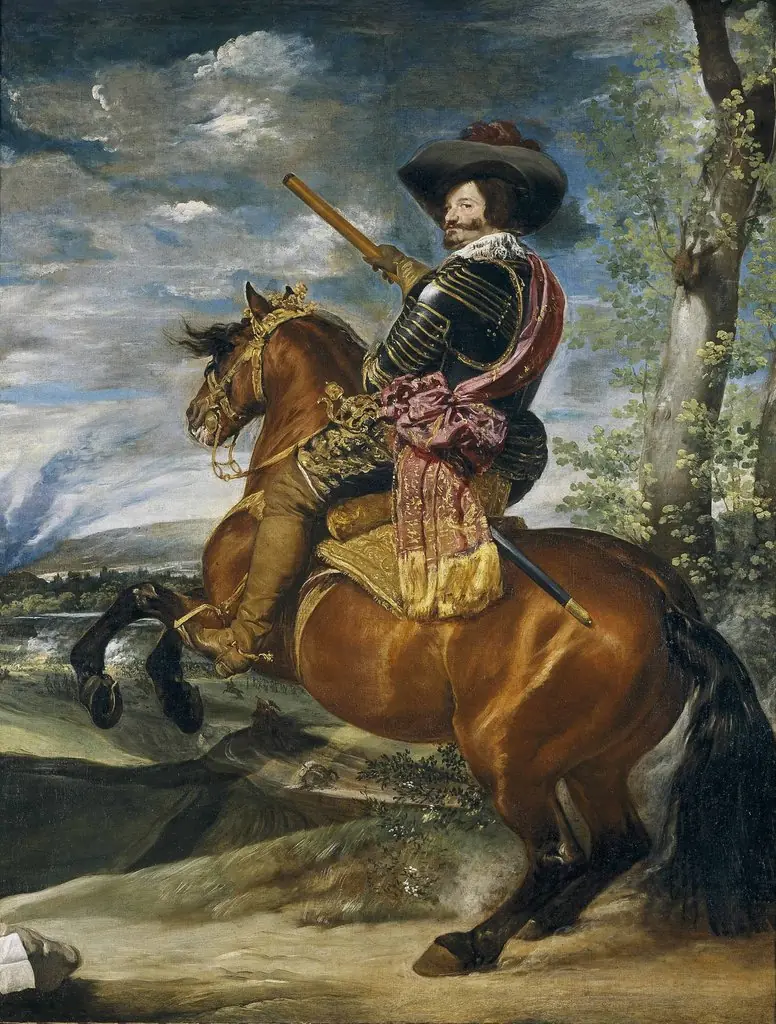 Equestrian Portrait of the Count-Duke of Olivares
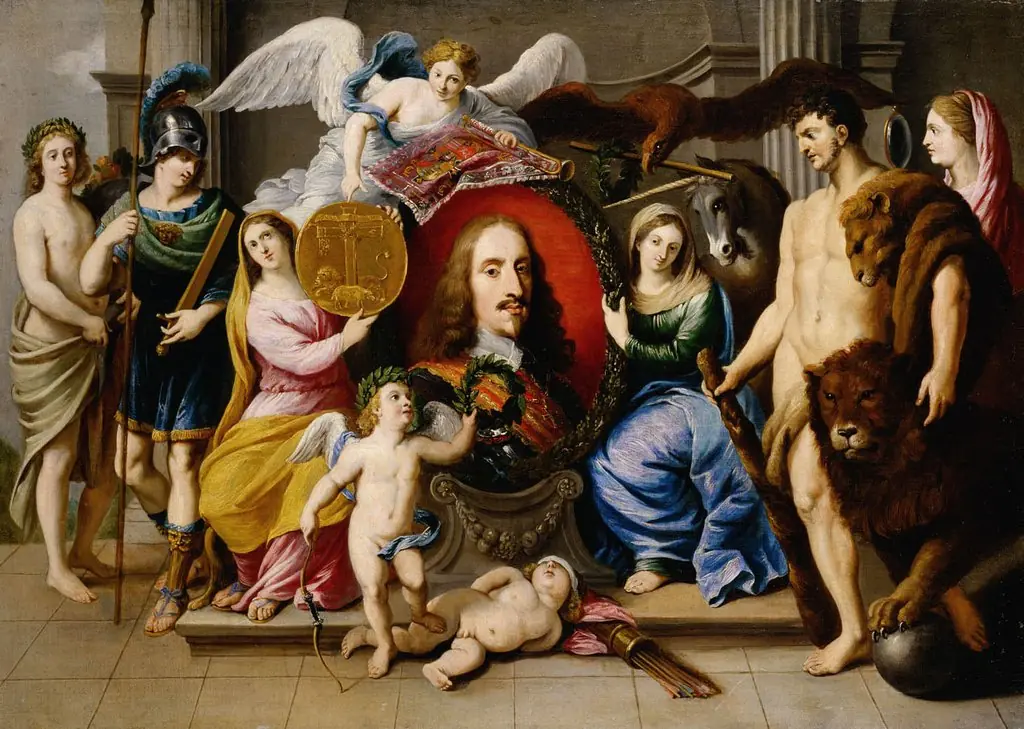 Allegory on Archduke Leopold Wilhelm (1614-1662)
 Equestrian Portrait of the Duke of Lerma