Artwork
Vas adânc cu buza dreaptă, smălțuit în interior și pe exterior. Decorul este plasat pe buză (interior și exterior) format din motive geometrice: linia frântă. În interior, pereții sunt decorați cu frunze iar fundul cu frunze și flori. Cromatică: fond: brun; motive; alb; verde.
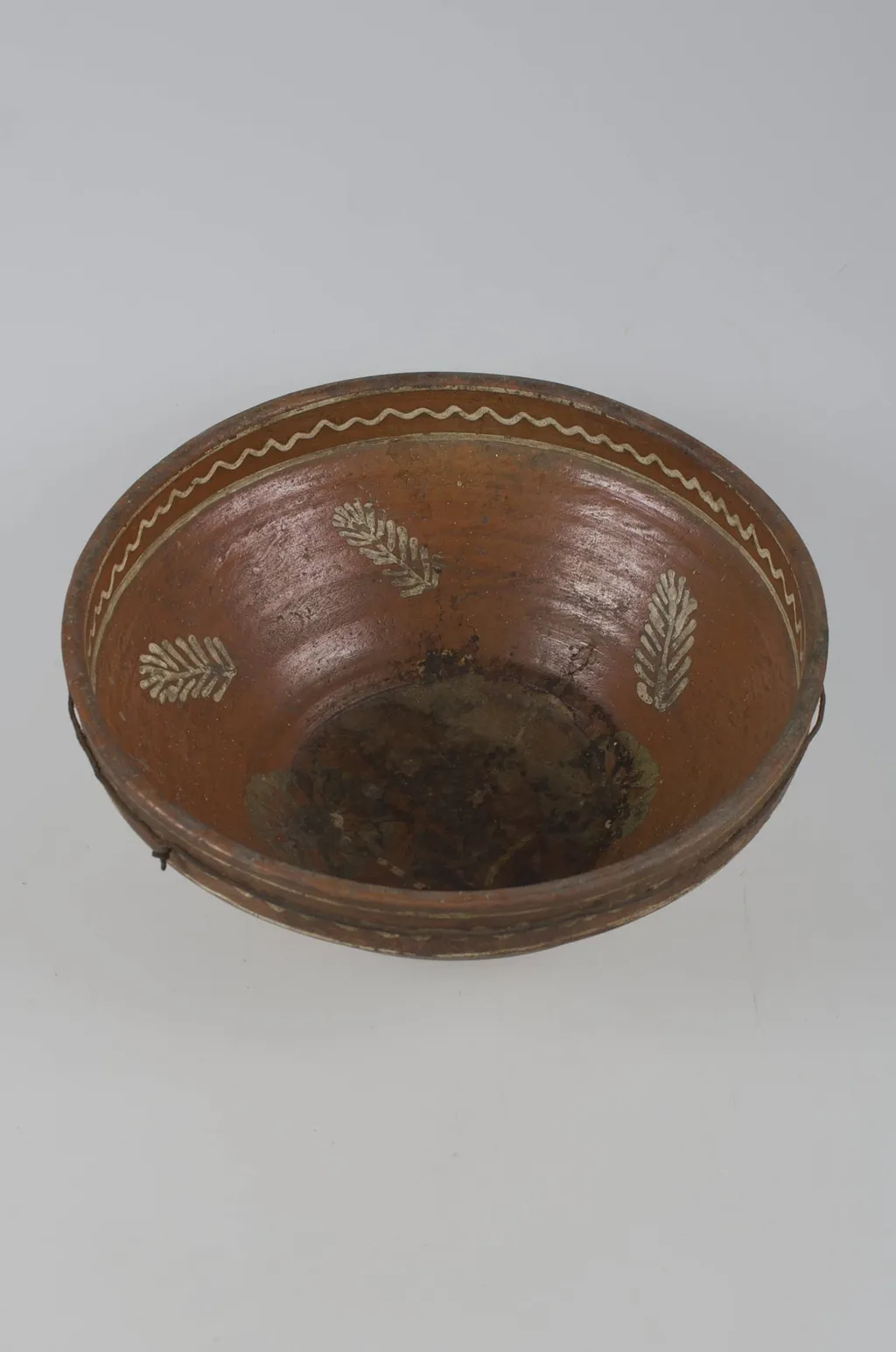
Vas adânc cu buza dreaptă, smălțuit în interior și pe exterior. Decorul este plasat pe buză (interior și exterior) format din motive geometrice: linia frântă. În interior, pereții sunt decorați cu frunze iar fundul cu frunze și flori. Cromatică: fond: brun; motive; alb; verde. is a photography by Unknown. It dates from 1850 and is held in the collection of the ASTRA National Museum Complex. This ceramic vessel is a brown, glazed bowl with decorative elements applied both inside and out.
About this work
Overview
The decoration is concentrated along the rim and base, with geometric and botanical motifs arranged in a deliberate, repetitive pattern.
This ceramic vessel is a brown, glazed bowl with decorative elements applied both inside and out. Its form is simple, emphasizing surface ornamentation over sculptural complexity. The glaze covers the entire exterior and interior surfaces, creating a uniform, sealed finish. The decoration is concentrated along the rim and base, with geometric and botanical motifs arranged in a deliberate, repetitive pattern.
Subject & Meaning
The decoration features broken lines, stylized leaves, and floral elements, suggesting a symbolic connection to natural cycles or domestic rituals. While no explicit narrative is present, the repetition of botanical forms may reflect an emphasis on fertility, growth, or seasonal change. The placement of motifs on the rim and base could indicate functional or ceremonial significance tied to use or display.
Technique & Style
The bowl was shaped and fired using traditional ceramic methods, then decorated with pigments in white and green against a brown ground. The linear patterns are executed with precision, using a technique that likely involved incising or painting before glazing. The geometric repetition and stylized flora reflect a regional aesthetic rooted in abstract representation rather than naturalistic detail.
History & Provenance
Though exact origins are unspecified, the vessel’s form and decoration align with ceramic traditions from Eastern Europe, particularly those associated with rural or folk production. Its preservation suggests it was valued in its time, possibly used in domestic or ritual contexts. The lack of inscriptions or maker’s marks limits precise dating, but stylistic parallels point to the late 19th or early 20th century.
Context
This bowl belongs to a broader category of utilitarian ceramics adorned with symbolic patterns, common in communities where craft and daily life were closely intertwined. Similar vessels appear in ethnographic collections from Romania and neighboring regions, where such designs were passed down through generations, serving both aesthetic and cultural functions within households.
Legacy
The vessel contributes to the understanding of regional ceramic practices in Eastern Europe, illustrating how everyday objects carried visual codes tied to local identity. Its preservation in institutional collections underscores its role as a material record of folk art traditions, offering insight into pre-industrial craftsmanship and the continuity of decorative motifs across time.
Artist & collection

 Domestic Scene
 Giacomo and Cardinal Marco, investing Andrea, Abbot of San Zeno, with his Benefice
 The Nymph of Fontainebleau
 Portrait of a Woman
 Madonna and Child with Saints in the Enclosed Garden
 Venus and Minerva
 Family Group of Four on Sofa
 Wall painting from Room H of the Villa of P. Fannius Synistor at Boscoreale
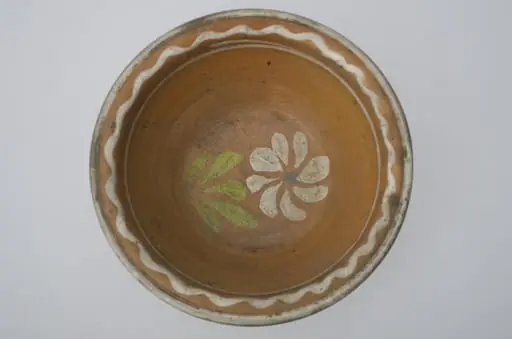 Farfurie adânca, de formă tronconică, smălțuită în interior. Pe margine prezintă decor geometric: linia vălurită; central o floare. Cromatică: fond: cărămiziu; motive: alb; verde; albastru.
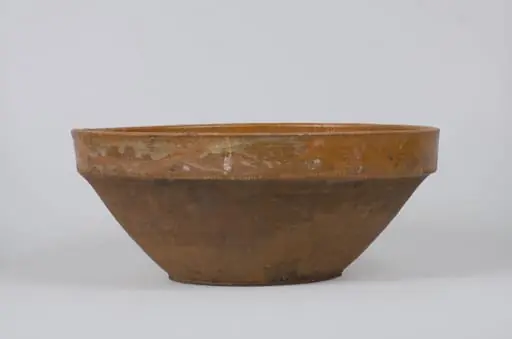 Vas de formă tronconică, foarte adâncită, cu buza înălțată. Este smălțuit în interior și exterior. În zona mediană interioară a vasului se identifică un registru decorativ alcătuit din motive florale și vegetale stilizate, geometrice (punctul și cercul) iar pe fundul vasului se identifică un cerc realizat din puncte. Motivele decorative sunt realizate prin pictare, foarte șterse. Cromatică: fond cărămiziu; verde; galben.
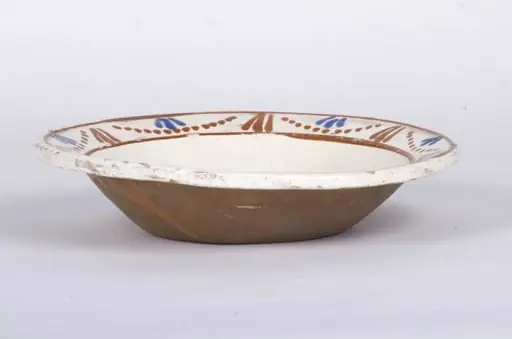 Vas de formă tronconică, adâncit, cu buza lată și evazată. Smălțuit în interior. Este decorat în centru cu motive florale: 8 lalele încercuiesc o floare dispusă central. Pe margini este decorată cu motive geometrice: șiruri arcuite de puncte și grupuri de câte trei linii încadrate de două cercuri concentrice. Cromatică: fond alb în interior; cărămiziu în exterior; motive: maro; albastru; verde.
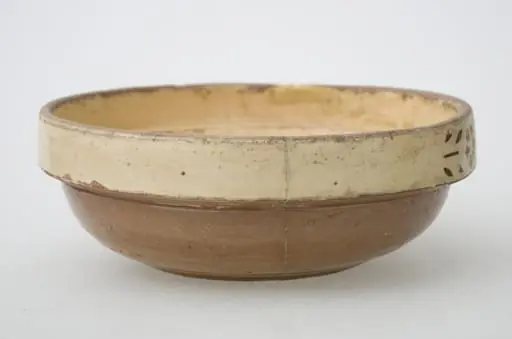 Vasul este realizat la roată, smălțuit în interior și pe buza exterioară. Fundul este îngustat și deschiderea largă. Pe buza exterioară se identifică motive vegetale stilizate.pe diametrul maxim interior se identifică 2 cercuri concentrice. Baza exterioară a vasului este nesmălțuită. Prezintă urme de uzură funcțională și exfolieri insulare. Cromatică: maro la exterior, smalț alb la interior.
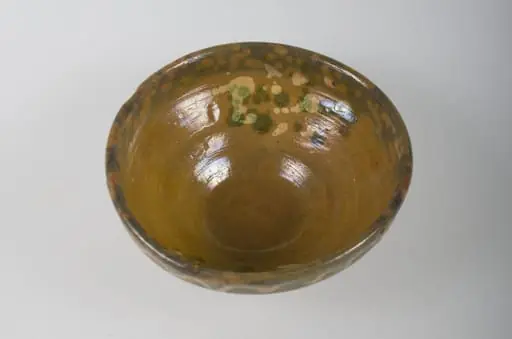 Vas de formă tronconică, cu pereții oblici și buza înaltă, lucrat neîngrijit. Este smălțuit în interior și exterior (parțial). Este decorat pe interior cu un mănunchi de puncte albe și verzi. Buza este decorată în exterior cu motive geometrice: linie în val. Cromatică: motive: fond: maro; motive: alb; verde.
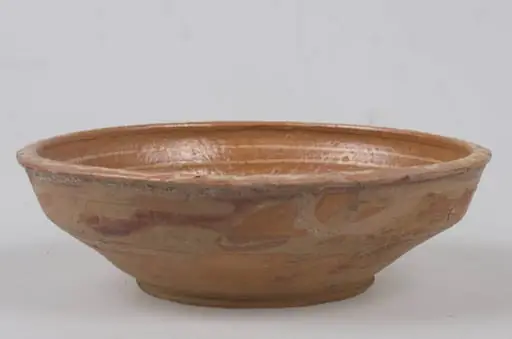 Vas tronconic cu pereții adînciți, cu buza răsfrântă, ușor profilată și pereții supraînălțați. Este smălțuit la interior și nesmălțuit la exterior. Pe interior smalțul prezintă degradări (în special pe fundul vasului) cu scurgeri de smalț la exterior. Motivul decorativ al liniei vălurite pe buza vasului. De asemnea se identifică motive decorative geometrice și pe interiorul vasului în zona diametrului maxim: două linii pararlele care cadrează patru micro-registre de linii pararelele verticale ușor îngroșate. De asemnea pe fundul vasului se identifică trei cercuri concentrice. Cromatică: fond: la interior: maro; exterior: maro deschis; motive: maro închis; alb.
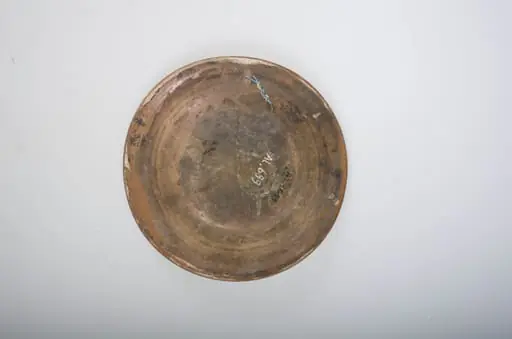 Blid de formă tronconică cu buza evazată și decor amplasat pe întreaga suprafață interioară. Blidul este decorat cu motive geometrice, linie, cerc, spirală, și motive vegetale stilizate. Cromatică: fond: crem; decor: cărămiziu; albastru; verde.
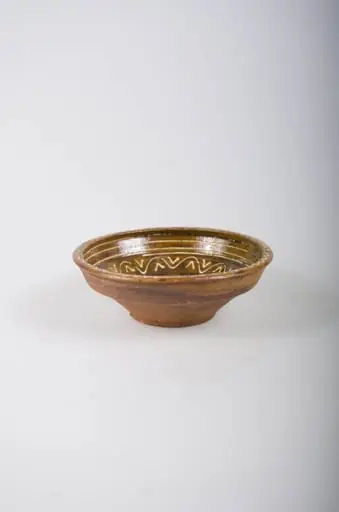 Recipient tronconic, cu gura mai largă decât baza, cu buza dreaptă și înaltă. Acesta este smălțuit doar la interior. Vasul este decorat prin pictare cu cornul, cu ornamente geometrice: spirală pe fund, linii circulare, linii vălurite și ”V”-uri înscrise pe pereți și decorații de tip val pe margine. Din punct de vedere al cromaticii, se observă un fond ocru la interior, cărămiziu la exterior, motivele fiind pictate cu alb.
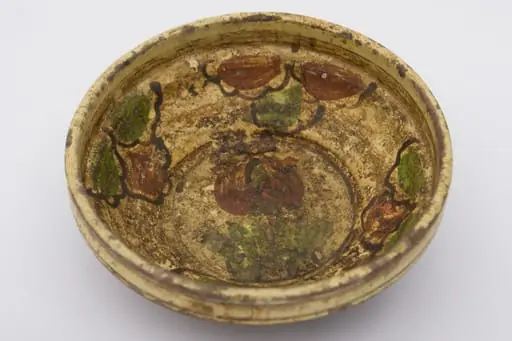 Vas din lut de formă circulară cu profil tronconic, smălțuit la interior și buza dreaptă. Decorat cu motive vegetal-florale pictate cu pensula pe suprafața interioară: pe fundul vasului, central, este pictată o floare cu frunze iar pe pereții vasului flori grupate câte trei. Pe dos, blidul este prevăzut cu un orificiu circular, pentru agățarea de perete. Rol decorativ. Prezintă urme de uzură funcțională. Cromatică: fundal exterior cărămiziu, fundal interior galben; motive: verde, cărămiziu, maro.
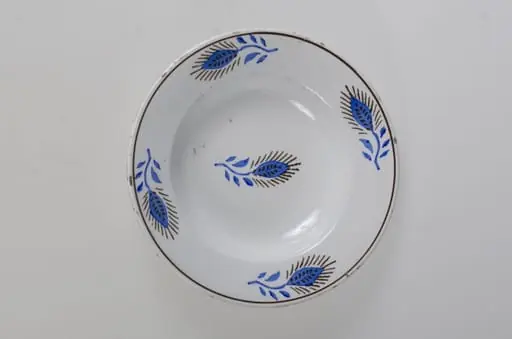 Vasul prezintă formă tronconică adâncită cu o bordură decorată cu motive florale și vegetale dispuse câte două în opoziție pe suprafața buzei (patru flori cu frunze). În centru este decorat cu o floare. Prezintă o marcă indescifrabilă pe exteriorul vasului. Cromatică: fond: alb; motive: albastru; maro.