Artwork
Vasul prezintă formă tronconică adâncită cu o bordură decorată cu motive florale și vegetale dispuse câte două în opoziție pe suprafața buzei (patru flori cu frunze). În centru este decorat cu o floare. Prezintă o marcă indescifrabilă pe exteriorul vasului. Cromatică: fond: alb; motive: albastru; maro.
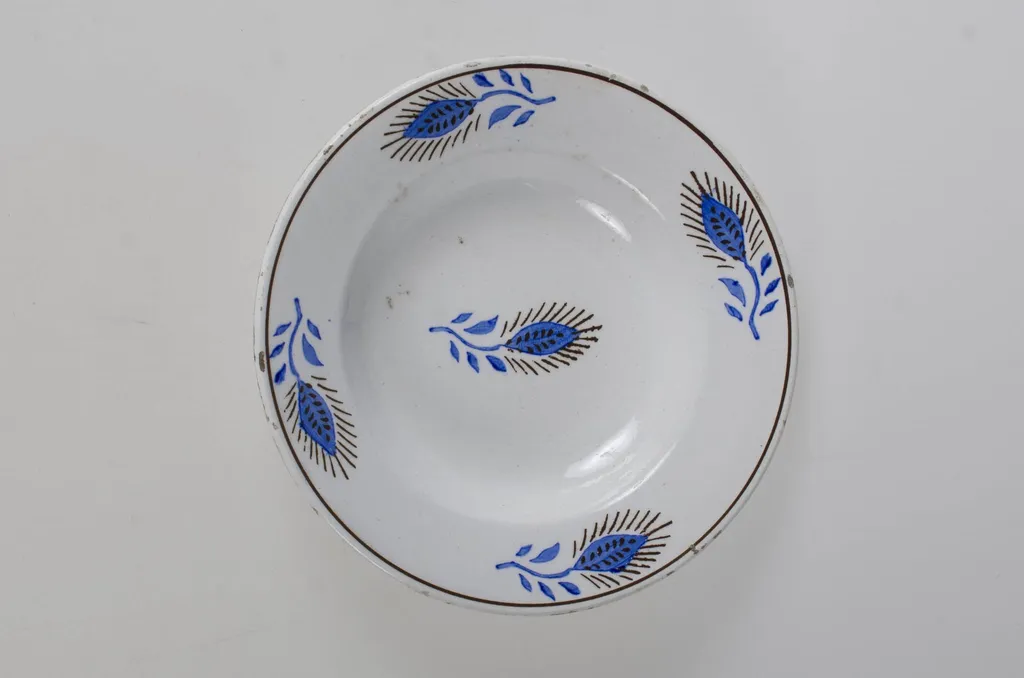
Vasul prezintă formă tronconică adâncită cu o bordură decorată cu motive florale și vegetale dispuse câte două în opoziție pe suprafața buzei (patru flori cu frunze). În centru este decorat cu o floare. Prezintă o marcă indescifrabilă pe exteriorul vasului. Cromatică: fond: alb; motive: albastru; maro. is a print by Unknown. It dates from 1850 and is held in the collection of the ASTRA National Museum Complex. This shallow ceramic bowl features a truncated form with a decorative border and central motif.
About this work
Overview
This shallow ceramic bowl features a truncated form with a decorative border and central motif. Its design balances simplicity with ornate elements, showcasing a restrained yet effective aesthetic.
Subject & Meaning
The bowl's decoration focuses on floral and vegetal motifs, with four paired flower clusters around the rim and a singular central flower. These elements likely convey naturalistic or symbolic themes, though specific meanings are not immediately discernible without contextual information.
Technique & Style
The piece employs a white background, blue for the floral motifs, and black for outlining. This chromatic scheme and the use of outlined shapes suggest a deliberate stylistic choice, potentially rooted in traditional ceramic workshops.
History & Provenance
An indecipherable mark is present on the exterior, indicating the presence of a signature or workshop identifier, though its specifics are unknown. Further research into similar marks or stylistic elements could elucidate its origins.
Context
Understanding this piece's full context requires examination of broader ceramic-making traditions, particularly those emphasizing similar decorative patterns and color schemes. Workshop practices and regional styles may provide insight into its creation and intended use.
Artist & collection

 Domestic Scene
 Giacomo and Cardinal Marco, investing Andrea, Abbot of San Zeno, with his Benefice
 The Nymph of Fontainebleau
 Portrait of a Woman
 Madonna and Child with Saints in the Enclosed Garden
 Venus and Minerva
 Family Group of Four on Sofa
 Wall painting from Room H of the Villa of P. Fannius Synistor at Boscoreale
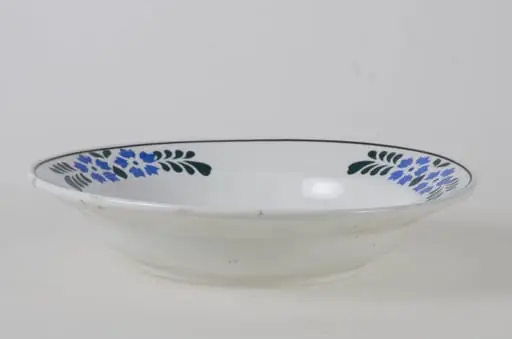 Vasul are formă tronconică smălțuit la interior și pe exterior (smalț de culoare albă). Prezintă motive decorative floral/vegetal și geometrice dispuse pe fundul vasului dar și într-un registru decorativ dispus pe buza vasului. De asemenea se identifică și motive decorative geometrice: pătratul, cercul, linia. Cromatică: fundal alb; verde; grena; albastru.
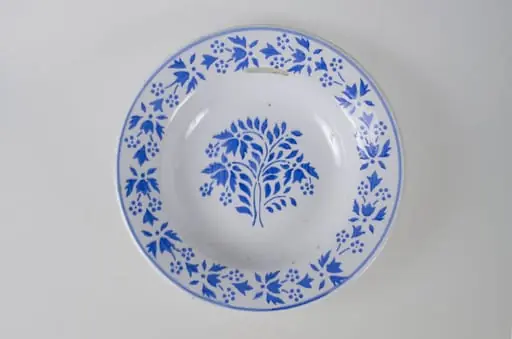 Farfuria are formă tronconică ușor adâncită. Pe buza vasului se identifică un registru decorativ floral, vegetal, continuu mărginit de o linie. Pe fund este o ștanță: o casă cu o pasăre pe acoperiș. Pe fundul vasului sunt două incizii în care este introdus șnurul folosit la agățarea vasului pe perete. Cromatică: fond: alb; motive: albastru.
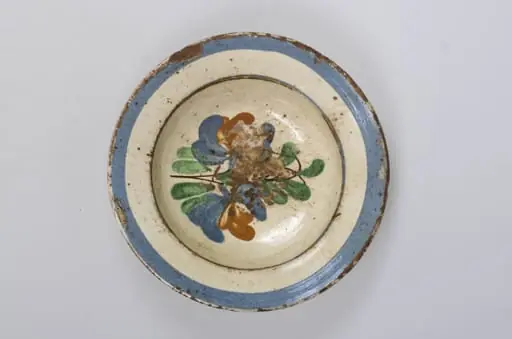 Vasul are formă tronconică, adâncit. Este smălțuit în interior și decorat cu motive floral-vegetale pe fundul vasului și pe margine cu motive geometrice realizate sub forma a trei cercuri concentrice, unul dintre cercuri mai îngroșat și dispus pe buza vasului. Cromatică: fond cărămiziu (exterior); fond alb (interior); albastru; verde; maro.
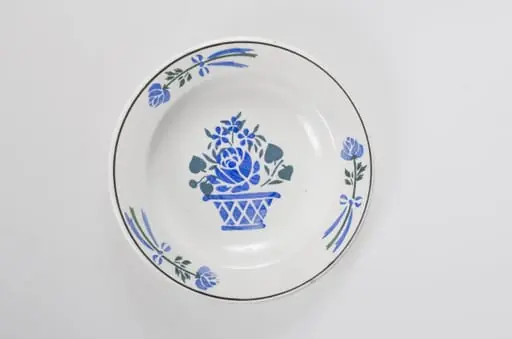 Vas tronconic și adânc realizat din porțelan. Pe fondul alb, central se află un coș albastru (realizat din motive geometrice: romuri și triunghiuri încadrate de două linii) cu un trandafir și trei floricele: pe marginimea farfuriei se observă trei secvențe cu trandafiri legate cu o fontiță. Marginea vasului este decorată cu un cerc. Cromatică: alb; motive: albastru; verde; negru.
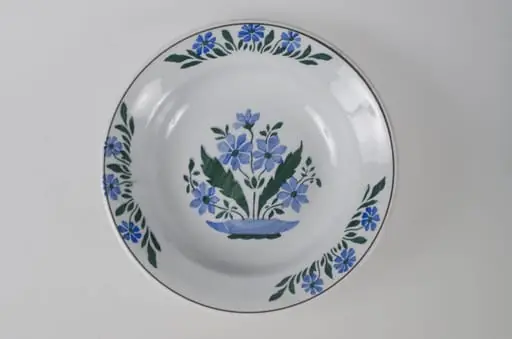 Vasul are formă tronconică, adâncită și este decorat cu motive florale dispuse în trei registre a câte trei flori pe margine, încadrate de o linie; în centru este decorat cu flori și frunze. Pe fund are trei cercuri concentrice care profilează trei registre. Vas evazat în partea superioară. Smălțuit interior-exterior. Cromatică: fond: alb; motive: verde; albastru; negru.
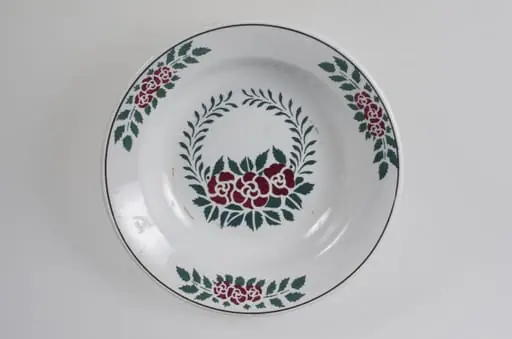 Vasul are formă tronconică, adâncită. Este decorat cu motive florale, vegetale și geometrice; are trei flori pe margine ce sunt delimitate de o linie; în centru este decorat cu un buchet format din trei trandafiri; pe fund are trei cercuri concentrice. Vasul este smălțuit interior-exterior. Cromatică: fond alb; motive: verde; roșu.
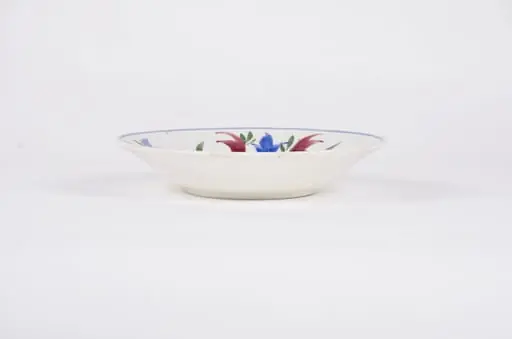 Vasul are formă tronconică fiind realizat din caolin. Fondul, interior-exterior, este alb iar decorul este floral-vegetal și acoperă interiorul vasului cu extensii pe buza acestuia. De asemenea pe buza vasului este pictată o linie circulară. Cromatică: fond: alb; motive: albastru; maro; verde; vișiniu.
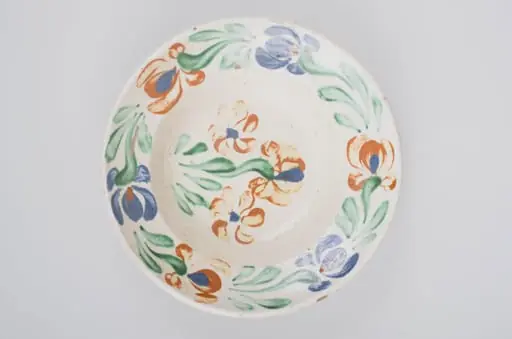 Farfurie cu fundul adâncit și buza evazată. Smălțuită numai în interior și scurgeri de smalț sub buză. Prezintă găuri pentru prinderea aței în vederea agățării. Decorată cu motive florale: central are trei flori iar pe margine un chenar floral. Cromatică: fond: alb; motive: maro; verde; albastru.
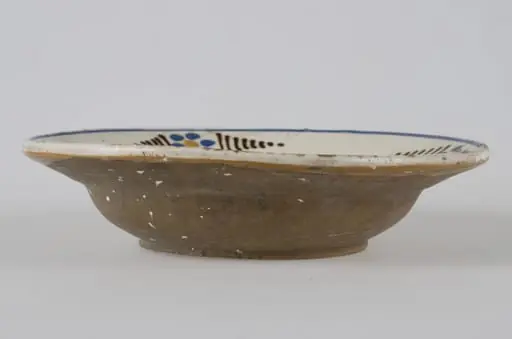 Vas adânc din lut, de formă tronconică, cu marginea evazată. Pe fundalul de culoare albă este decorat cu motive geometrice: linie circulară, linii curbe, puncte pe buza vasului; motive vegetale și florale, pe centrul vasului. Cromatică: fond: alb; motive: albastru; verde; maro; cărămiziu.
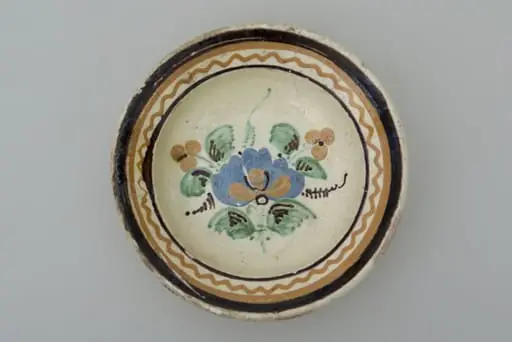 Blid de formă tronconică cu buza evazată. Smălțuit. Decorat cu motive florale: buchet, plasat pe fundul vasului și motive geoemtrice plasate pe gură: alternantă de cercuri și spirale ce se închid îm cerc. Cromatică: fond: alb; motive: maro; crem; verde; albastru.
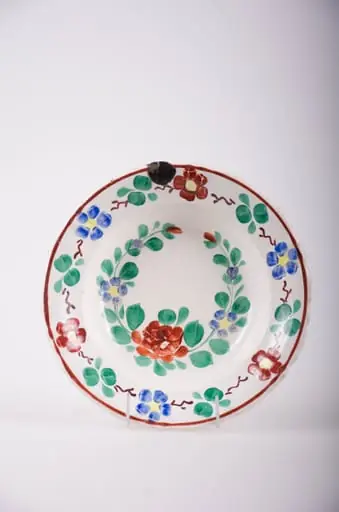 Farfurie de porțelan smălțuită pe fond alb. Decorată cu flori și frunze dispuse sub formă de ghirlande atât în centrul vasului cât și pe buza acestuia. De asemenea sunt prezente și motive geometrice: linia și linii întrerupte. Comatică: fond: alb; motive: verde; albastru; galben; roșu.