Artwork
Vas ceramic de formă tronconică. Există două registre ornamentale, unul plasat de jur împrejurul buzei cu motive florale. Al doilea registru plasat în centru de asemenea motive florale. La posterior baza inelară perforată pentru atârnare. Cromatică: fond: alb; motive: verde; albastru.
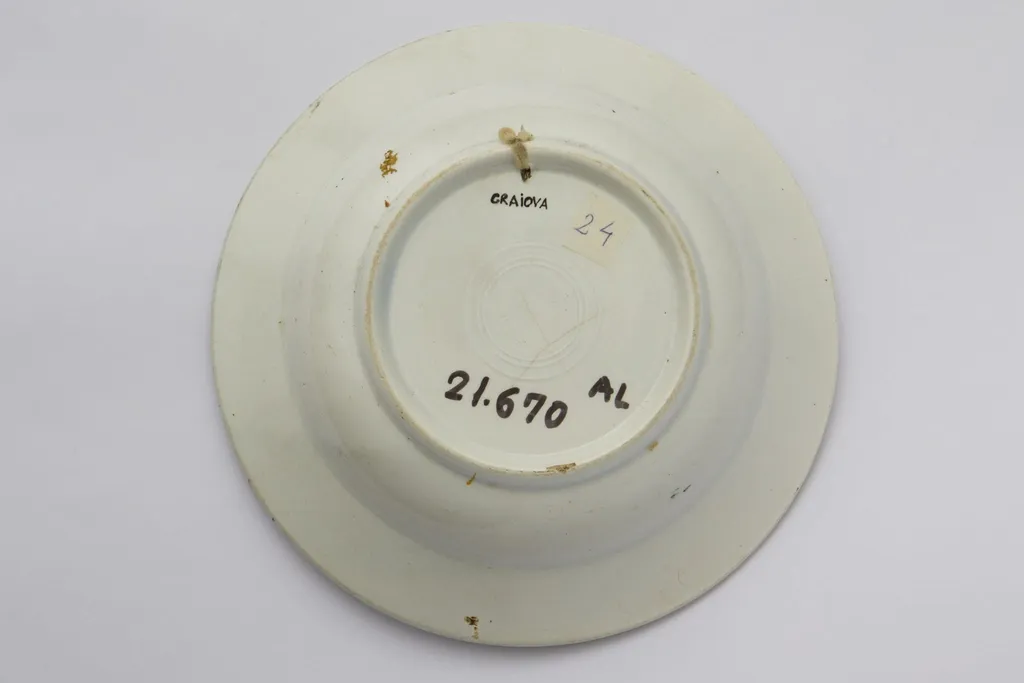
Vas ceramic de formă tronconică. Există două registre ornamentale, unul plasat de jur împrejurul buzei cu motive florale. Al doilea registru plasat în centru de asemenea motive florale. La posterior baza inelară perforată pentru atârnare. Cromatică: fond: alb; motive: verde; albastru. is an unspecified painting by Unknown. It dates from 1850 and is held in the collection of the ASTRA National Museum Complex. The object is a shallow, conical ceramic piece of white base, featuring two concentric decorative bands of simple floral motifs.
About this work
Overview
The object is a shallow, conical ceramic piece of white base, featuring two concentric decorative bands of simple floral motifs. One band encircles the rim, the other is positioned centrally. Small perforations in the lower rim suggest it was intended to be suspended.
Subject & Meaning
The decorative program consists of stylised flowers rendered in muted green and blue pigments. The restrained palette and modest ornamentation indicate a functional rather than ceremonial purpose, likely serving as a wall‑mounted holder or decorative panel.
Technique & Style
The piece is formed from a single ceramic body, then fired to a white finish. Surface decoration was applied with slip or glaze in two narrow bands, using low‑contrast green and blue tones that blend subtly with the background. The perforated rim is a practical feature for hanging.
History & Provenance
The work originates from a tradition of utilitarian ceramics that incorporate modest floral decoration. Its construction and colour scheme are typical of regional production where wall‑mounted ceramic elements were used in domestic settings, though no specific provenance is recorded.
Context
Such shallow, conical ceramics were commonly employed in kitchens or storage areas as decorative hooks or holders. The floral bands reflect a broader aesthetic of integrating simple natural motifs into everyday objects, aligning with folk‑art practices.
Artist & collection

 Domestic Scene
 Giacomo and Cardinal Marco, investing Andrea, Abbot of San Zeno, with his Benefice
 The Nymph of Fontainebleau
 Portrait of a Woman
 Madonna and Child with Saints in the Enclosed Garden
 Venus and Minerva
 Family Group of Four on Sofa
 Wall painting from Room H of the Villa of P. Fannius Synistor at Boscoreale
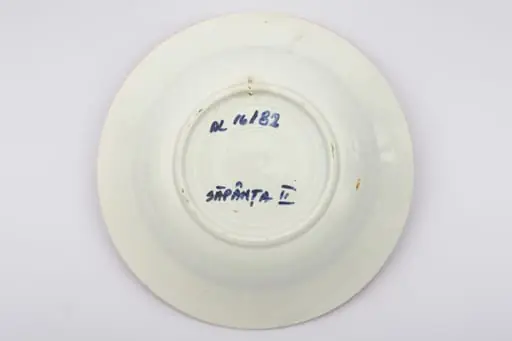 Vas ceramic de dimensiuni reduse, având formă tronconică, cu baza plată, pereții reficați și marginile evazate. Peste fondul alb au fost realizate decorațiile geometrizante și fitomorfe stilizate, dispuse în două registre. Primul registru este format dintr-un trandafir portocaliu cu frunze verzi, având în laterale câte o floare cu mijlocul albastru și petalele roșii, și câte un boboc roșu. Al doilea registru este format dintr-o tulpină circulară verde, pe care se dezvoltă trei grupuri de flori mici albastre. Alte trei grupuri, a câte trei linii portocalii oblice, însoțesc decorul fitomorf. Acest ultim registru este încadra dinspre interior de bandă groasă portocalie. Buza farfuriei a fost la rândul ei conturată cu portocaliu. Prezintă uzură funcțională. Cromatică: fond: alb; motive; portocaliu; verde; albastru.
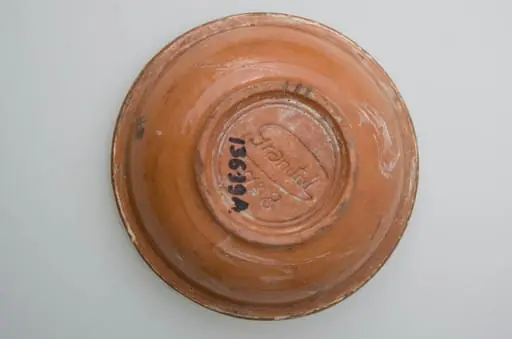 Vas ceramic smălțuit, de formă circulară cu profil tronconic, având pereții ușor evazați, baza plată și buza circulară. Decorat cu motive vegetal-florale și cordiforme pe fundul vasului (două rânduri de frunze, o lalea și o inimă), pictate cu pensula. Fundul vasului este delimitat de pereți printr-o linie subțire, circulară. Gura este pictată în alb și la exterior.Pe fundul vasului găsim marca Granitul No 8 și două cercuri concentrice, incizate. Cromatică: fond alb interior, cărămiziu și alb exterior; motive: albastru, cărămiziu, verde, maro.
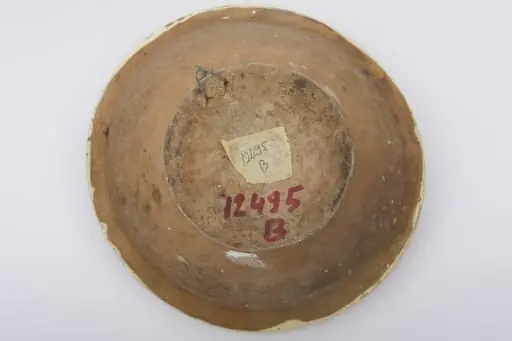 Obiect de uz casnic realizat din lut, de formă tronconică, foarte adâncită, cu buza înaltă și ieșită în afară față de corp; este smălțuit în interior și exterior (doar buza); în interior este decorat cu motive florale și fitomorfe; fundul prezintă două orificii pentru agățare. Cromatica: fond interior crem, fond exterior maro; motive: verde, maro, albastru. Prezintă urme de uzură funcțională
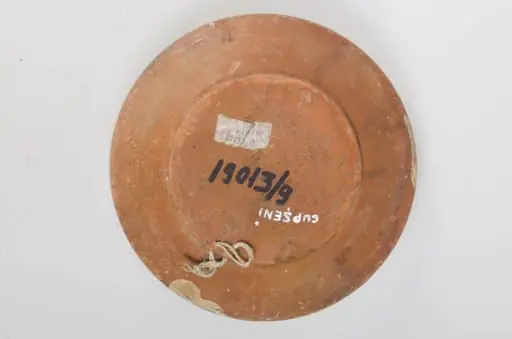 Blid de formă tronconică cu buza îngroșată și ușor răsfrântă, smălțuit (pe interior). Pe zona mediană a vasului, imediat sub buză se identifică un registru continuu format din motive floral-vegetale. De asemenea, pe fundul vasului se identifică un motiv floral-vegetal. Pereții vasului sunt înalți și prezintă un brâu exterior. Se identifică scurgeri de smalț pe exteriorul buzei și degradări ale smalțului în zona buzei. Obiectul este prevăzut cu două orificii pe fundul vasului, pentru agățare. Cromatică: fond: cărămiziu (exterior); alb (interior); motive: alb; verde; maro închis; albastru.
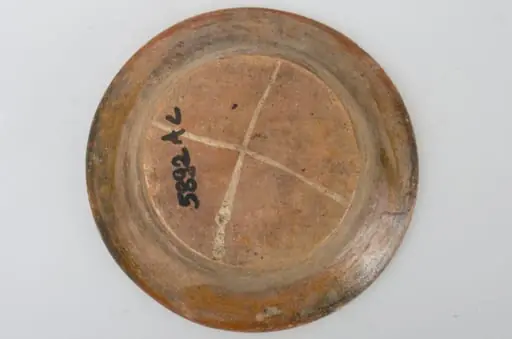 Farfurie de formă tronconică, adâncită, cu buza evazată. Este smălțuită în interior și la exterior (buza). Pe fund are o marcă în formă de ”X” de culoare albă. Pe alocuri smalțul este sărit. Cromatică: cărămiziu, verzui, alb.
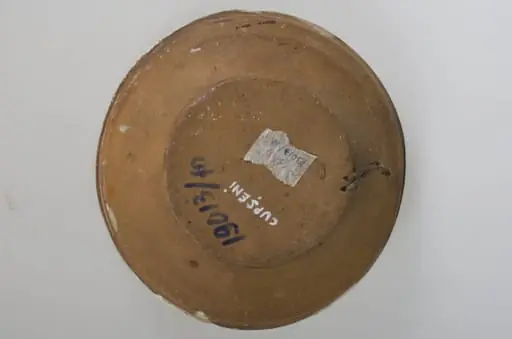 Vasul are formă tronconică, cu buza înaltă, modelat la roată, ars, smaltuit (pe interior), ornamentat cu motive florale pictate cu pensula. La exterior, în zona diametrului maxim se profilează un brâu. Vasul este decorat pe 90% din suprafață, motivele fiind dispuse inclusiv pe fundul vasului. Acesta prezintă degradări la nivelul smalțului. Vasul este smălțuit integral la interior, iar la exterior doar pe buză. Obiectul este prevăzut cu două orificii pentru agățare. Cromatică: fond: crem (la interior); cărămiziu (la exterior); decor: verde; maro; albastru.
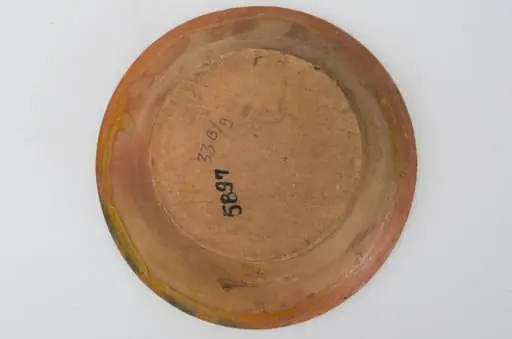 Formă tronconică, adâncită, cu buza evazată; este smălțuit în interior și exterior (buza); este decorat pe margine cu motive geometrice dispuse în 4 registre a câte 3 linii albe; cromatică: cărămiziu, verzui, alb.
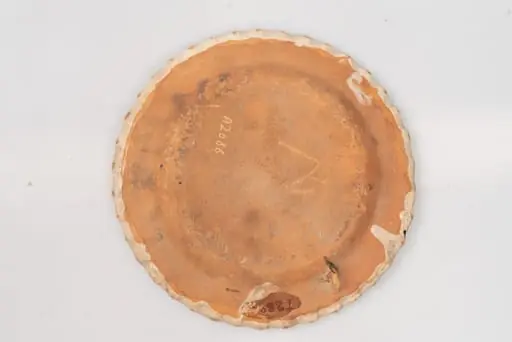 Farfurie de formă aplatizată, cu muchia buzei ușor ondulată; este angobată pe suprafața interioară cu un strat de humă albă peste care este pictat cu cornul și cu pensula decorul monocromatic format din motive florale stilizate și geometrice: pe fundul farfuriei este pictată o tulpină cu frunze și trei flori de crin, ce au centrul format din linii hașurate intersectat. Buza farfuriei este decorată cu un șir continuu de frunze duble. Bordura interioară a farfuriei este marcată cu o linie circulară ușor ondulată iar muchia buzei cu o dungă albastră. Suprafața ornamentată a farfuriei este acoperită cu un strat de smalț transparent. Cromatica: alb, albastru.
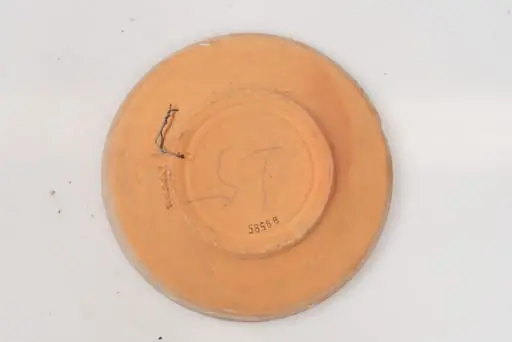 Farfurie semi-adâncă, cu buza îngustă, verticală; fața interioară este acoperită cu un strat de angobă albă, peste care este pictat cu pensula decorul format dintr-un motiv floral stilizat (o floare cu patru petale mari, în formă de lacrimă, cu contur trasat cu o linie groasă de culoare maro, dublată de două linii albe) și motive geometrice: linii albe în formă de X, grupuri mici de linii curbe paralele și descrescătoare ca mărime, de culoare albă, roșu-cărămiziu și maro, pictate în interiorul petalelor. Între petale câte un cerc de culoare roșu-cărămiziu cu un punct central alb, sub care se desfășoară un șir de linii paralele descrescătoare ca mărime, de culoare albă. Cromatica: alb, maro, roșu-cărămiziu. Farfuria nu este smălțuită. Pe verso, farfuria are o inscripție realizată prin incizare: "Colibaba".
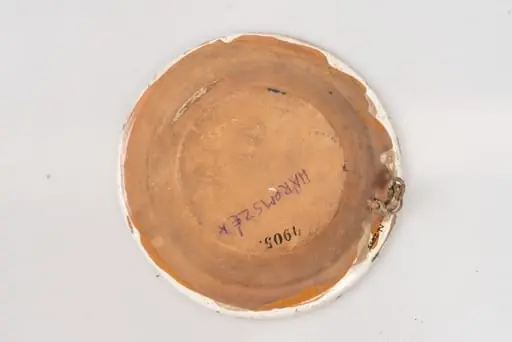 Farfurie adâncă cu buză îngustă, evazată și muchia buzei rotunjită, angobată pe suprafața interioară cu un strat de humă albă. Decorul este realizat prin pictare cu pensula și cu cornul și se compune din motive florale și geometrice, dispuse astfel: central pe fundul farfuriei, încadrat într-un cerc albastru, se găsește un buchet format din trei flori cu petale mici albastre și mijlocul din linii roșu-cărămiziu, și din doi boboci în culorile roșu-cărămiziu și albastru. Registrul marginal de pe buza farfuriei conține motive formate din câte două dungi scurte de culoare roșu-cărămiziu, între care sunt pictate grupuri de linii drepte hașurate intersectat, de culoare roșu-cărămiziu, albastru și verde. Decorul marginal este încadrat între două cercuri subțiri albastre. Suprafața ornamentată a farfuriei este acoperită cu un strat de smalț transparent. Cromatica: alb, albastru, roșu-cărămiziu, verde.