Artwork
Vas de formă tronconică cu buza înălțată și ieșită înafară, smălțuit în interior și exterior (buza). Decorul este structurat aleatoriu, pe marginea și pereții interiori ai vasului, realizat prin scurgerea culorii rezultând pete albe. Pe marginea gurii vasul este decorat cu motive geometrice: linie. Cromatică: fond: cărămiziu; motive: alb-gălbui; verde.
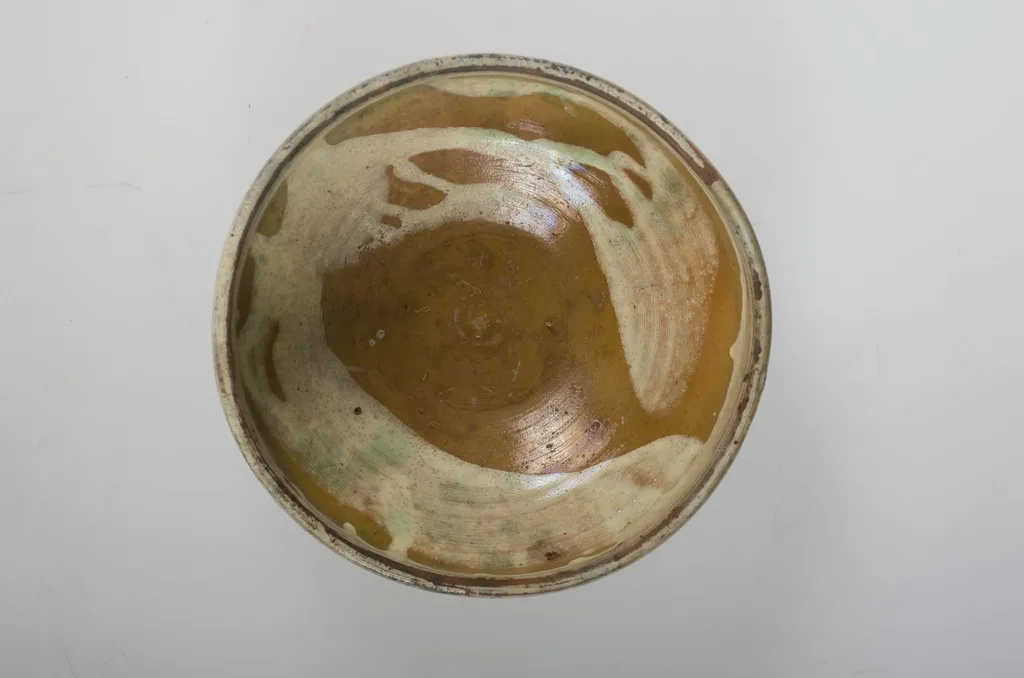
Vas de formă tronconică cu buza înălțată și ieșită înafară, smălțuit în interior și exterior (buza). Decorul este structurat aleatoriu, pe marginea și pereții interiori ai vasului, realizat prin scurgerea culorii rezultând pete albe. Pe marginea gurii vasul este decorat cu motive geometrice: linie. Cromatică: fond: cărămiziu; motive: alb-gălbui; verde. is a photography by Unknown. It dates from 1850 and is held in the collection of the ASTRA National Museum Complex.
About this work
Overview
A shallow, conical ceramic vessel with a flaring rim, this piece features a glazed interior and rim, while the exterior remains unglazed and textured.
A shallow, conical ceramic vessel with a flaring rim, this piece features a glazed interior and rim, while the exterior remains unglazed and textured. Decorative elements appear as irregular white and pale yellow stains, created by the uncontrolled flow of pigment during firing. Thin, freehand lines encircle the upper edge, contrasting with the spontaneous splashes along the walls. Earthy brick tones dominate the surface, accented by subtle greenish hues.
Subject & Meaning
No figurative or symbolic imagery is present. The decoration appears non-representational, emphasizing material process over narrative intent. The random patterning suggests an aesthetic preference for organic, unscripted outcomes, possibly reflecting a functional or ritual context where imperfection was accepted or valued. The geometric rim bands may serve as a visual boundary, distinguishing the vessel's opening from its body.
Technique & Style
The vessel was formed by hand, with a smooth, glazed interior achieved through application of a slip or glaze before firing. The exterior retains the natural texture of the clay body. Decorative stains resulted from pouring or dripping pigment, allowing it to flow unpredictably under heat. The rim’s linear motifs were likely incised or painted with a fine tool, contrasting with the fluid, uncontrolled patterns below.
History & Provenance
The object’s origin is not documented, but its form and decoration align with early or rural ceramic traditions in Eastern Europe, where similar techniques were used for utilitarian ware. Its simplicity and lack of standardized motifs suggest local production, possibly for domestic or communal use. No known collector or excavation record accompanies the piece, limiting its provenance to stylistic comparison.
Context
This vessel likely served a domestic function—storage, serving, or ritual use—within a community that prioritized handmade utility over ornamental refinement. The use of local clays and pigments, combined with unregulated glazing techniques, points to a non-industrial setting. Similar vessels appear in ethnographic collections from the Carpathian region, indicating shared regional practices in pottery-making.
Legacy
The piece exemplifies a pre-industrial approach to ceramics, where chance and material behavior shaped final appearance. Its aesthetic, rooted in process rather than design, resonates with later movements that valorized spontaneity in craft. While not widely known, it contributes to understanding how everyday objects in rural communities expressed cultural values through material experimentation.
Artist & collection

 Domestic Scene
 Giacomo and Cardinal Marco, investing Andrea, Abbot of San Zeno, with his Benefice
 The Nymph of Fontainebleau
 Portrait of a Woman
 Madonna and Child with Saints in the Enclosed Garden
 Venus and Minerva
 Family Group of Four on Sofa
 Wall painting from Room H of the Villa of P. Fannius Synistor at Boscoreale
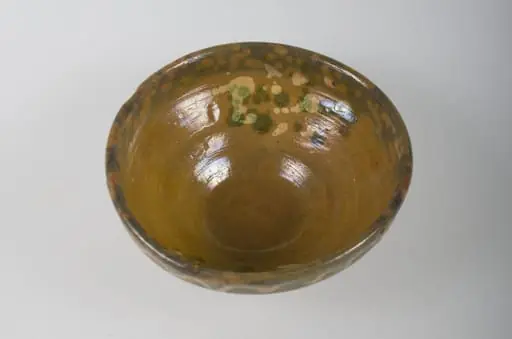 Vas de formă tronconică, cu pereții oblici și buza înaltă, lucrat neîngrijit. Este smălțuit în interior și exterior (parțial). Este decorat pe interior cu un mănunchi de puncte albe și verzi. Buza este decorată în exterior cu motive geometrice: linie în val. Cromatică: motive: fond: maro; motive: alb; verde.
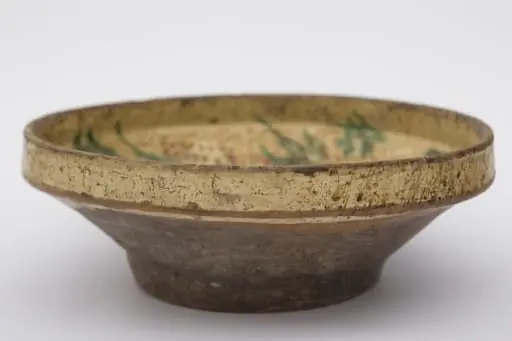 Vas din lut de formă circulară cu profil tronconic, smălțuit la interior, cu buza rotunjită. Decorat cu motive vegetal-florale pictate cu pensula pe suprafața interioară: pe fundul vasului, central, este pictată o floare cu frunze iar pe pereții vasului un șir de flori cu frunze multiple, lunguiețe si punctate. Rol decorativ. Prezintă urme de uzură funcțională. Cromatică: fundal exterior cărămiziu , fundal interior galben; motive: verde, cărămiziu, maro.
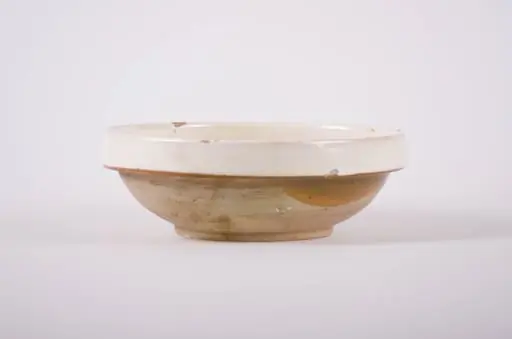 Vas de formă circulară, adâncit, cu gura foarte înaltă; pe fund are găuri pentru agățare. Este smălțuit la interior și exterior (buza). Este decorat cu motive geometrice: linie, linie ondulată; motive fitomorfe: frunze; motive florale. Cromatică: fond: alb; motive: maro; verde; albastru.
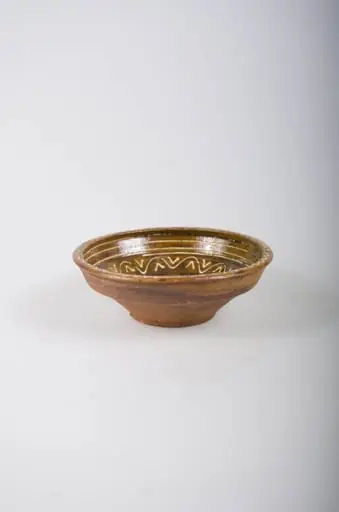 Recipient tronconic, cu gura mai largă decât baza, cu buza dreaptă și înaltă. Acesta este smălțuit doar la interior. Vasul este decorat prin pictare cu cornul, cu ornamente geometrice: spirală pe fund, linii circulare, linii vălurite și ”V”-uri înscrise pe pereți și decorații de tip val pe margine. Din punct de vedere al cromaticii, se observă un fond ocru la interior, cărămiziu la exterior, motivele fiind pictate cu alb.
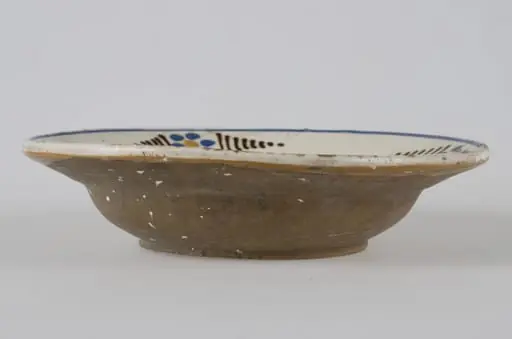 Vas adânc din lut, de formă tronconică, cu marginea evazată. Pe fundalul de culoare albă este decorat cu motive geometrice: linie circulară, linii curbe, puncte pe buza vasului; motive vegetale și florale, pe centrul vasului. Cromatică: fond: alb; motive: albastru; verde; maro; cărămiziu.
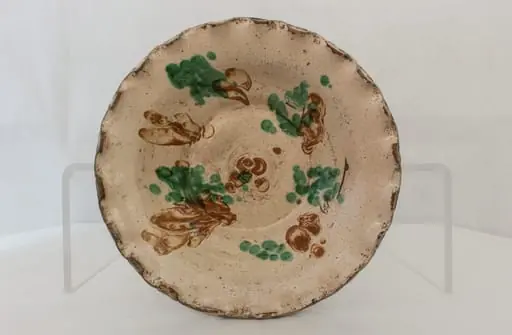 Vas de formă rotundă, cu pereții ușor evazați, smălțuit în interior, cu marginea vălurită, decorat (în mod unic) pe suprafața interioară cu motive punctiforme și neregulate, dispuse aleatoriu, realizate cu pensula. Cromatică: verde, maro, bej.
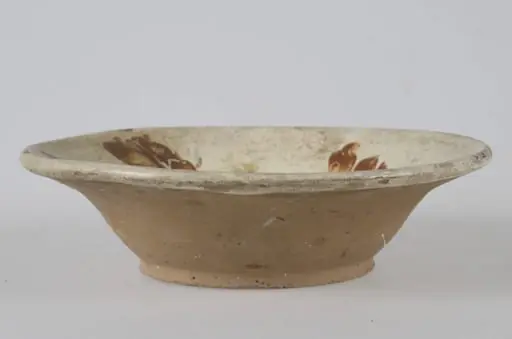 Vasul este unul adânc, din lut, de formă rotundtronconică, cu marginea evazată. Ca și decor întâlnim, pe fundalul de culoare crem, pictate pete de culoare maro și verde. Blidul este smălțuit la interior și pe buză, la exterior.
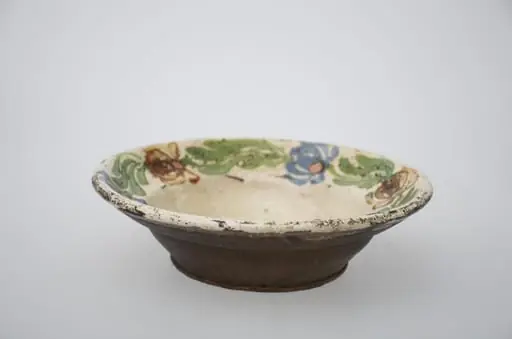 Farfurie de formă tronconică adâncă cu buza largă și decor pe fund, spre margini. Ornamentat cu motive florale. Cromatică: fond: alb; motive: maro; verde; albastru.
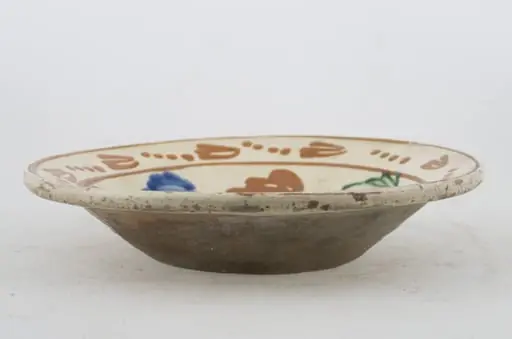 Vas ceramic de formă tronconică cu baza plată, pereții larg evazați și buza profilată. După modelarea la roată, uscarea și arderea recipientului, a fost aplicat un strat de angobă în interiorul vasului, peste care a fost pictat decorul floral și vegetal stilizat, format din două registre. Primul registru, situat pe fundul și pereții vasului, și încadrat de o linie circulară, a fost decorat cu motive florale stilizate: pe fundul vasului se află o floare, cu petalele de diferite culori. Pereții recipientului ceramic au fost decorați la rândul lor cu opt flori, dispuse concentric. Al doilea registru, cel care decorează buza recipientului ceramic, și este mărginit la rândul lui de o linie circulară, prezintă un brâu compus din nouă flori cu tulpinile formate din patru puncte. Cromatică: alb la interior; cărămiziu la exterior; motive: albastru; verde; maro-roșcat.
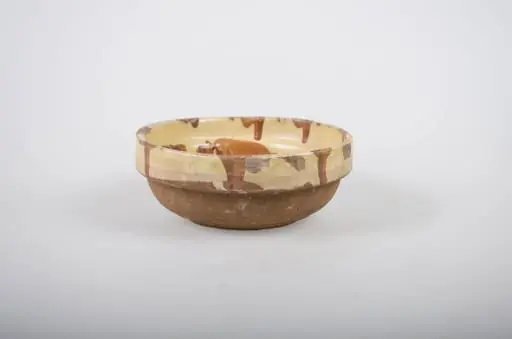 Recipientul are formă circulară, adâncită, tronconică, cu gura mai largă decât baza, având buza dreaptă și înaltă. Vasul este pictat atât pe fund cât și pe pereții interiori cu decorații neregulate (pete prelinse, valuri,etc.) Strachina este smălțuită doar la interior. Din punct de vedere al cromaticii se observă fondul galben pe care sunt realizate niște maro la interior și culoarea cărămiziu la exterior.