Artwork
Vas din lut de formă circulară cu profil tronconic, smălțuit la interior, cu buza rotunjită. Decorat cu motive vegetal-florale pictate cu pensula pe suprafața interioară: pe fundul vasului, central, este pictată o floare cu frunze iar pe pereții vasului un șir de flori cu frunze multiple, lunguiețe si punctate. Rol decorativ. Prezintă urme de uzură funcțională. Cromatică: fundal exterior cărămiziu , fundal interior galben; motive: verde, cărămiziu, maro.
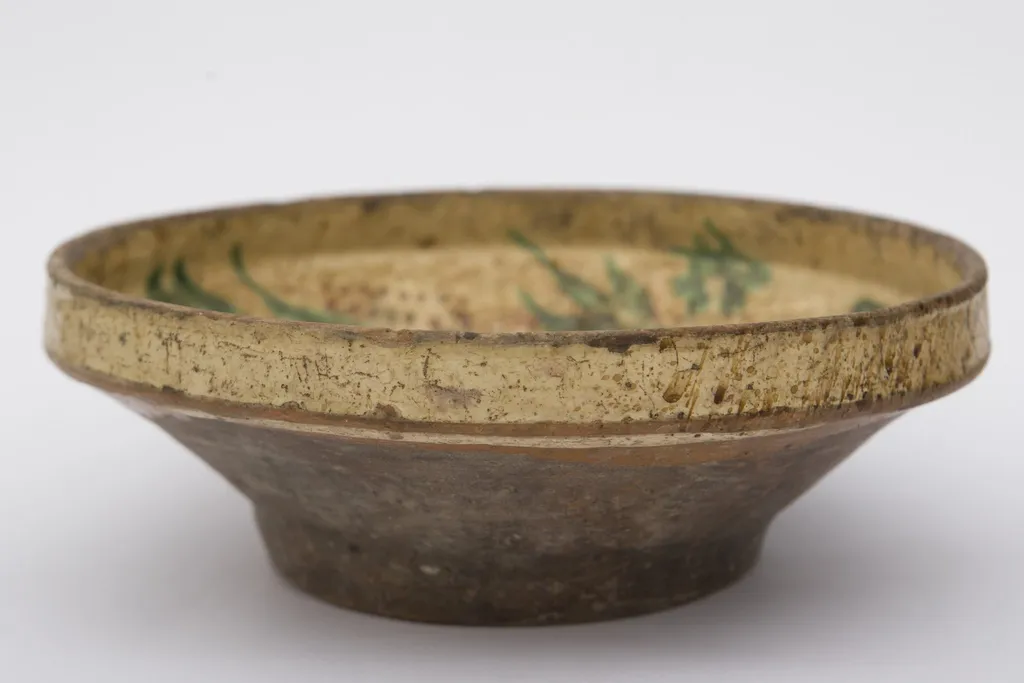
Vas din lut de formă circulară cu profil tronconic, smălțuit la interior, cu buza rotunjită. Decorat cu motive vegetal-florale pictate cu pensula pe suprafața interioară: pe fundul vasului, central, este pictată o floare cu frunze iar pe pereții vasului un șir de flori cu frunze multiple, lunguiețe si punctate. Rol decorativ. Prezintă urme de uzură funcțională. Cromatică: fundal exterior cărămiziu , fundal interior galben; motive: verde, cărămiziu, maro. is a photography by Unknown. It dates from 1850 and is held in the collection of the ASTRA National Museum Complex. A modestly sized, circular ceramic bowl features a truncated‑cone shape with a gently rounded rim and a narrow foot.
About this work
Overview
A modestly sized, circular ceramic bowl features a truncated‑cone shape with a gently rounded rim and a narrow foot. The exterior remains unglazed, displaying a reddish‑brown (brick‑colored) surface, while the interior is coated with a yellow glaze that bears stylized floral and foliage motifs. Signs of use, such as scratches and minor chips, indicate the piece was employed for everyday purposes.
Subject & Meaning
The painted decoration consists of a central flower with leaves on the base of the interior, surrounded by a continuous band of multiple flowers, leaves, and small buds that encircle the inner walls. The motifs are rendered in green, brick‑red and brown tones, reflecting a simple, nature‑inspired aesthetic typical of folk decorative traditions.
Technique & Style
The bowl was formed from clay and shaped on a wheel into a circular, tronconic profile. After firing, a yellow slip was applied to the interior, creating an uneven, partially opaque glaze. The floral designs were added with brushwork, using bold, simplified lines that emphasize pattern over realistic detail, characteristic of vernacular pottery.
History & Provenance
The object belongs to a tradition of utilitarian folk pottery, where decorative painting served both aesthetic and symbolic functions. Its worn condition suggests prolonged use in a domestic setting, though specific regional or chronological origins are not documented in the available information.
Context
Such bowls were common in rural households, where handcrafted ceramics fulfilled everyday needs while also expressing local artistic preferences. The combination of an unglazed exterior and a glazed interior reflects practical concerns—protecting food‑contact surfaces while preserving the natural texture of the vessel’s outer wall.
Artist & collection

 Domestic Scene
 Giacomo and Cardinal Marco, investing Andrea, Abbot of San Zeno, with his Benefice
 The Nymph of Fontainebleau
 Portrait of a Woman
 Madonna and Child with Saints in the Enclosed Garden
 Venus and Minerva
 Family Group of Four on Sofa
 Wall painting from Room H of the Villa of P. Fannius Synistor at Boscoreale
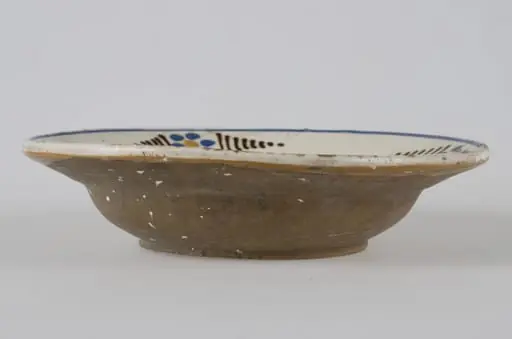 Vas adânc din lut, de formă tronconică, cu marginea evazată. Pe fundalul de culoare albă este decorat cu motive geometrice: linie circulară, linii curbe, puncte pe buza vasului; motive vegetale și florale, pe centrul vasului. Cromatică: fond: alb; motive: albastru; verde; maro; cărămiziu.
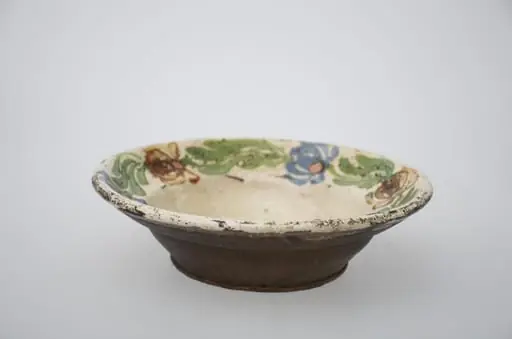 Farfurie de formă tronconică adâncă cu buza largă și decor pe fund, spre margini. Ornamentat cu motive florale. Cromatică: fond: alb; motive: maro; verde; albastru.
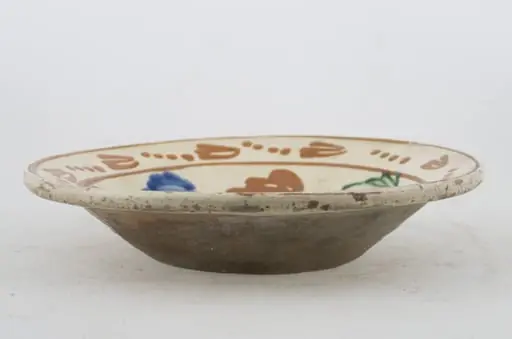 Vas ceramic de formă tronconică cu baza plată, pereții larg evazați și buza profilată. După modelarea la roată, uscarea și arderea recipientului, a fost aplicat un strat de angobă în interiorul vasului, peste care a fost pictat decorul floral și vegetal stilizat, format din două registre. Primul registru, situat pe fundul și pereții vasului, și încadrat de o linie circulară, a fost decorat cu motive florale stilizate: pe fundul vasului se află o floare, cu petalele de diferite culori. Pereții recipientului ceramic au fost decorați la rândul lor cu opt flori, dispuse concentric. Al doilea registru, cel care decorează buza recipientului ceramic, și este mărginit la rândul lui de o linie circulară, prezintă un brâu compus din nouă flori cu tulpinile formate din patru puncte. Cromatică: alb la interior; cărămiziu la exterior; motive: albastru; verde; maro-roșcat.
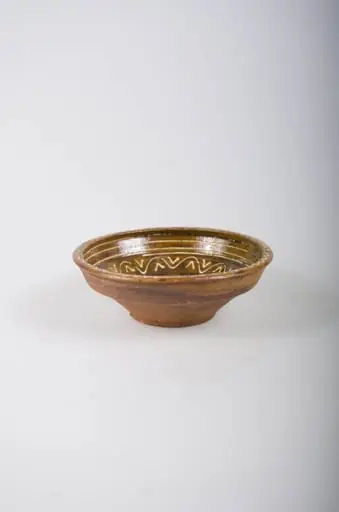 Recipient tronconic, cu gura mai largă decât baza, cu buza dreaptă și înaltă. Acesta este smălțuit doar la interior. Vasul este decorat prin pictare cu cornul, cu ornamente geometrice: spirală pe fund, linii circulare, linii vălurite și ”V”-uri înscrise pe pereți și decorații de tip val pe margine. Din punct de vedere al cromaticii, se observă un fond ocru la interior, cărămiziu la exterior, motivele fiind pictate cu alb.
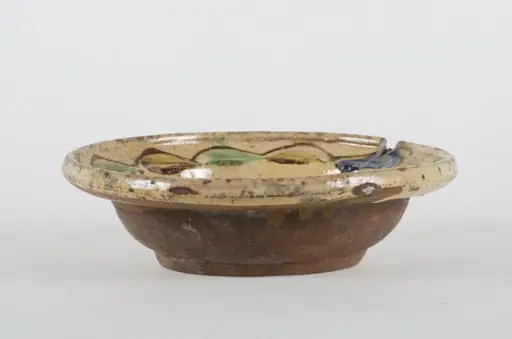 Vasul din lut de formă tronconică este lucrat la roata rapidă; prezintă buza puternic îngroșată, pereții abrupți, blidul fiind foarte adâncit. Este smălțuit în interior iar decorul este împărțit după cum urmează: pe interiorul buzei se identifică motive vegetale dispuse într-un registru continuu iar pe fundul vasului se regăsesc decorațiuni floral-vegetale. Cromatică: crem; verde; albastru; maro; galben.
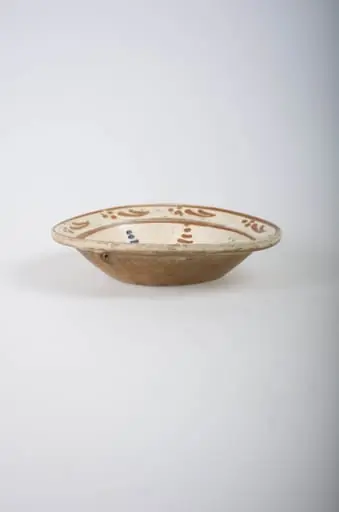 Blid de formă tronconică, smălțuit cu decor amplasat pe toată suprafața, format din motive astrale: stea și motive vegetale. Cromatica: fond: crem; decor: cărămiziu, albastru, verde.
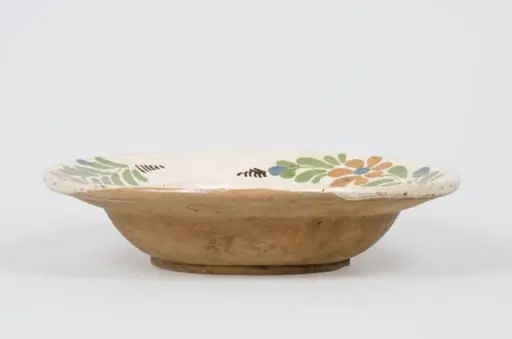 Vas de formă tronconică, adâncit smălțuit în interior. Acesta este decorat pe margine cu motive vegetale și florale pe un registru dispus în zona diametrului maxim. Cromatică: fond cărămiziu (exterior); fond alb (interior); verde; maro; albastru.
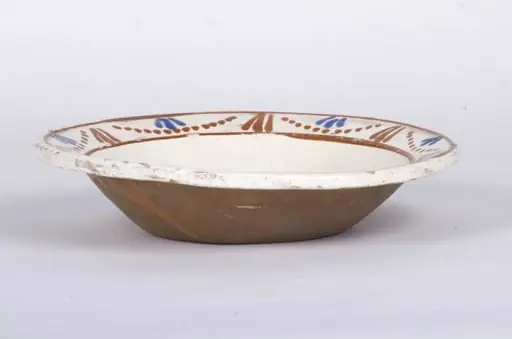 Vas de formă tronconică, adâncit, cu buza lată și evazată. Smălțuit în interior. Este decorat în centru cu motive florale: 8 lalele încercuiesc o floare dispusă central. Pe margini este decorată cu motive geometrice: șiruri arcuite de puncte și grupuri de câte trei linii încadrate de două cercuri concentrice. Cromatică: fond alb în interior; cărămiziu în exterior; motive: maro; albastru; verde.