Artwork
Vasul din lut de formă tronconică este lucrat la roata rapidă; prezintă buza puternic îngroșată, pereții abrupți, blidul fiind foarte adâncit. Este smălțuit în interior iar decorul este împărțit după cum urmează: pe interiorul buzei se identifică motive vegetale dispuse într-un registru continuu iar pe fundul vasului se regăsesc decorațiuni floral-vegetale. Cromatică: crem; verde; albastru; maro; galben.
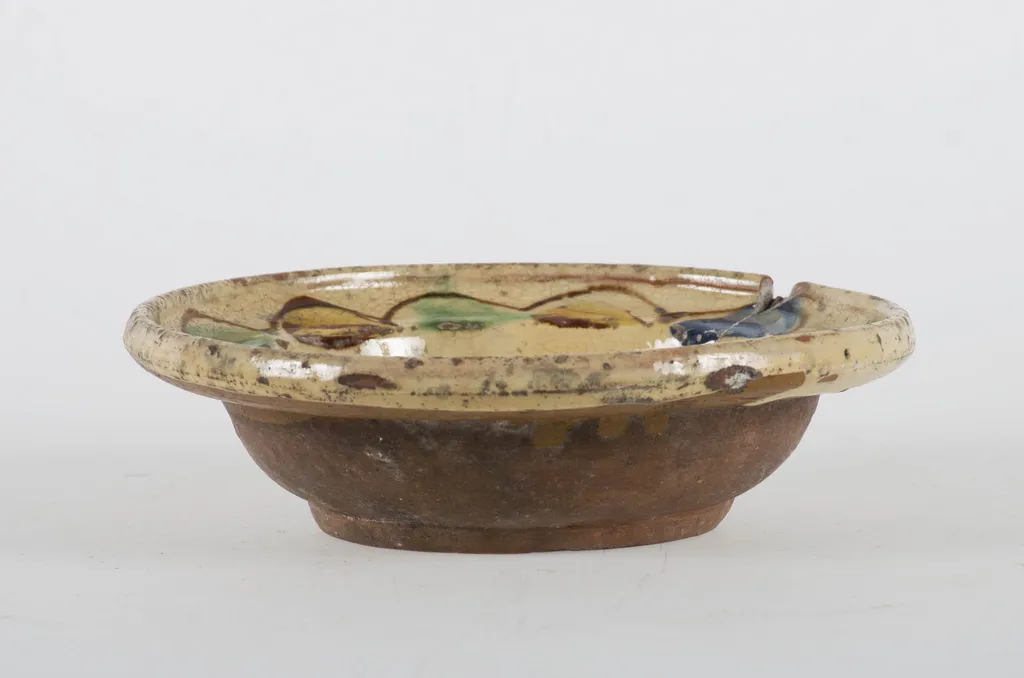
Vasul din lut de formă tronconică este lucrat la roata rapidă; prezintă buza puternic îngroșată, pereții abrupți, blidul fiind foarte adâncit. Este smălțuit în interior iar decorul este împărțit după cum urmează: pe interiorul buzei se identifică motive vegetale dispuse într-un registru continuu iar pe fundul vasului se regăsesc decorațiuni floral-vegetale. Cromatică: crem; verde; albastru; maro; galben. is a photography by Unknown. It dates from 1850 and is held in the collection of the ASTRA National Museum Complex. This conical clay vessel was formed on a fast wheel, its walls sharply angled and its lip thickened for structural strength.
About this work
Overview
This conical clay vessel was formed on a fast wheel, its walls sharply angled and its lip thickened for structural strength.
This conical clay vessel was formed on a fast wheel, its walls sharply angled and its lip thickened for structural strength. The interior is glazed, while the exterior remains uncoated, emphasizing the natural texture of the fired clay. Its proportions suggest functional use, likely for storage or ritual purposes, with a deep interior cavity and a pronounced rim designed to seal or carry contents securely.
Subject & Meaning
Decorative motifs include continuous vegetal bands along the inner rim and floral patterns on the base. These elements, rendered in simplified forms, may reflect local botanical knowledge or symbolic associations with growth and fertility. The placement of designs—concentrated near the vessel’s opening and base—suggests intentional visual framing, possibly tied to ceremonial handling or ritual use.
Technique & Style
The vessel was shaped rapidly on a wheel, resulting in abrupt wall transitions and a thickened lip. Interior glazing was applied before firing, preserving a smooth surface for painted decoration. Pigments in cream, green, blue, brown, and yellow were brushed on with restrained precision, showing attention to pattern repetition rather than naturalistic detail. Wear and fading indicate prolonged use or burial exposure.
History & Provenance
The vessel’s construction and decoration align with regional ceramic traditions from the late Neolithic or early Bronze Age. Its material composition and stylistic features suggest local production, likely within a community familiar with wheel-thrown pottery. Surface cracks and pigment loss point to centuries of environmental exposure, possibly from burial or domestic storage before recovery.
Context
This pot belongs to a broader tradition of utilitarian ceramics adorned with symbolic plant motifs, common in early agrarian societies. Similar vessels have been found in neighboring regions, indicating shared techniques and aesthetic values. The use of glaze on the interior, uncommon in simpler wares, implies a level of technological development or special function, perhaps for holding liquids or ritual substances.
Legacy
Though not an isolated artifact, this vessel contributes to understanding the evolution of ceramic technology in early European communities. Its combination of functional form and restrained ornamentation reflects a balance between practical needs and cultural expression. It remains a tangible link to prehistoric craftsmanship, illustrating how everyday objects carried symbolic meaning through subtle visual language.
Artist & collection

 Domestic Scene
 Giacomo and Cardinal Marco, investing Andrea, Abbot of San Zeno, with his Benefice
 The Nymph of Fontainebleau
 Portrait of a Woman
 Madonna and Child with Saints in the Enclosed Garden
 Venus and Minerva
 Family Group of Four on Sofa
 Wall painting from Room H of the Villa of P. Fannius Synistor at Boscoreale
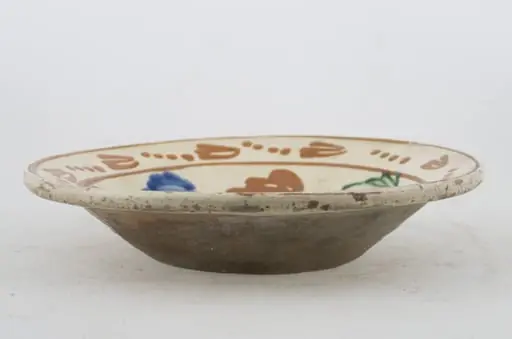 Vas ceramic de formă tronconică cu baza plată, pereții larg evazați și buza profilată. După modelarea la roată, uscarea și arderea recipientului, a fost aplicat un strat de angobă în interiorul vasului, peste care a fost pictat decorul floral și vegetal stilizat, format din două registre. Primul registru, situat pe fundul și pereții vasului, și încadrat de o linie circulară, a fost decorat cu motive florale stilizate: pe fundul vasului se află o floare, cu petalele de diferite culori. Pereții recipientului ceramic au fost decorați la rândul lor cu opt flori, dispuse concentric. Al doilea registru, cel care decorează buza recipientului ceramic, și este mărginit la rândul lui de o linie circulară, prezintă un brâu compus din nouă flori cu tulpinile formate din patru puncte. Cromatică: alb la interior; cărămiziu la exterior; motive: albastru; verde; maro-roșcat.
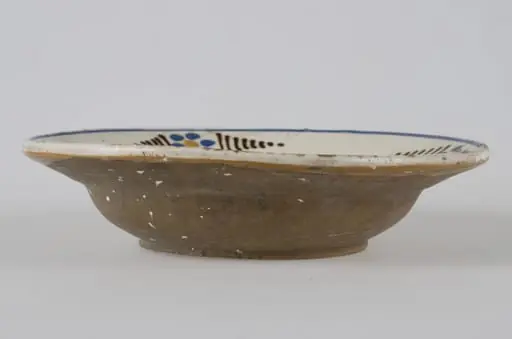 Vas adânc din lut, de formă tronconică, cu marginea evazată. Pe fundalul de culoare albă este decorat cu motive geometrice: linie circulară, linii curbe, puncte pe buza vasului; motive vegetale și florale, pe centrul vasului. Cromatică: fond: alb; motive: albastru; verde; maro; cărămiziu.
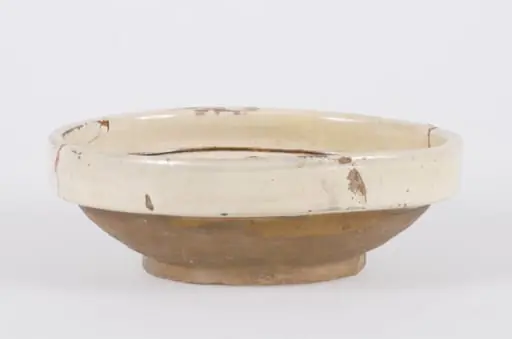 Vasul ceramic are formă tronconică, cu pereții evazați și buza dreaptă și ieșită în afară. Exteriorul pereților și fundul, au fond cărămiziu, restul suprafeței interioare și buza exterioară, având fond alb-gălbui. Decorul este format din două registre despărțite de două cercuri concentrice: unul plasat în marginea buzei și altul în centrul fundului vasului. Primul registru central este decorat cu o floare cu frunze verzi, petale maro și un punct albastru în centru. Al doilea registru amplasat pe pereții interiori ai vasului este format din două flori similare cu cea centrală mărginite spre tulpină și vârf de mai multe frunze, despărțite de două aglomerări de linii de diferite dimensiuni. Cromatică: fond: alb-gălbui; motive: verde; maro; albastru.
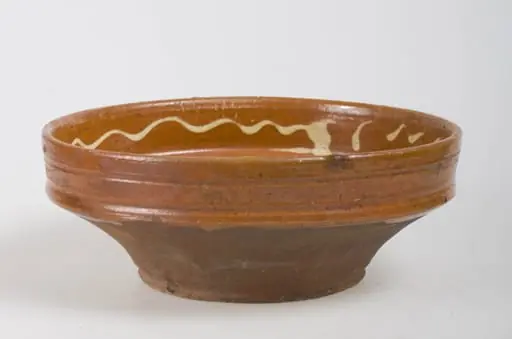 Blidul de formă tronconică, adânc, cu buza înaltă; ornamentat cu motive florale, liniare și curbilinii. Motivele floral vegetale sunt dispuse într-un registru continuu pe fundul vasului și pe diameterul maxim. Acesta prezintă și motive geometrice reprezentate prin linia vălurită dispusă pe interiorul buzei. Obiectul este smălțuit la exterior doar pe buză. Pe exteriorul buzei sunt incizate două linii. Fundul este inelar și prevăzut cu două orificii pentru agățare. Cromatică: fond: cărămiziu; decor: alb; verde; albastru; maro.
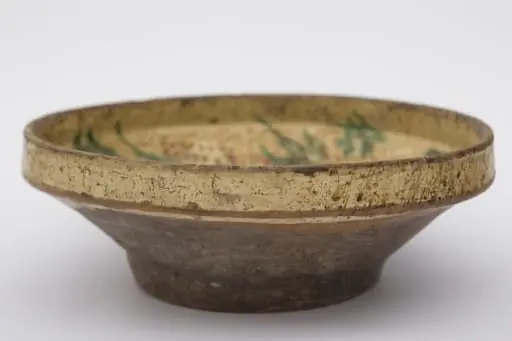 Vas din lut de formă circulară cu profil tronconic, smălțuit la interior, cu buza rotunjită. Decorat cu motive vegetal-florale pictate cu pensula pe suprafața interioară: pe fundul vasului, central, este pictată o floare cu frunze iar pe pereții vasului un șir de flori cu frunze multiple, lunguiețe si punctate. Rol decorativ. Prezintă urme de uzură funcțională. Cromatică: fundal exterior cărămiziu , fundal interior galben; motive: verde, cărămiziu, maro.
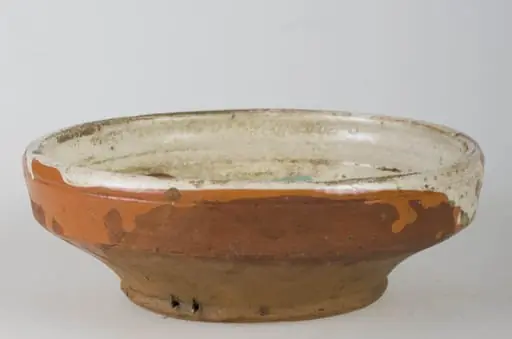 Blidul de formă tronconică este adânc, smălțuit la interior. Acesta este ornamentat cu motive florale, având cu buza înaltă. Totuși, este neornamentat la exterior, fiind smălțuit (la exterior) doar pe buză. Pe exteriorul buzei este incizată o linie. Fundul obiectului are formă circulară, fiind prevăzut cu două orificii pentru prindere. Cromatică: fond: cărămiziu (exterior); alb (interior); decor: verde; albastru; cărămiziu.
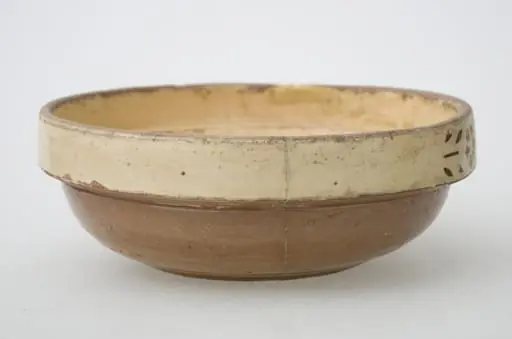 Vasul este realizat la roată, smălțuit în interior și pe buza exterioară. Fundul este îngustat și deschiderea largă. Pe buza exterioară se identifică motive vegetale stilizate.pe diametrul maxim interior se identifică 2 cercuri concentrice. Baza exterioară a vasului este nesmălțuită. Prezintă urme de uzură funcțională și exfolieri insulare. Cromatică: maro la exterior, smalț alb la interior.