Artwork
View of Rome
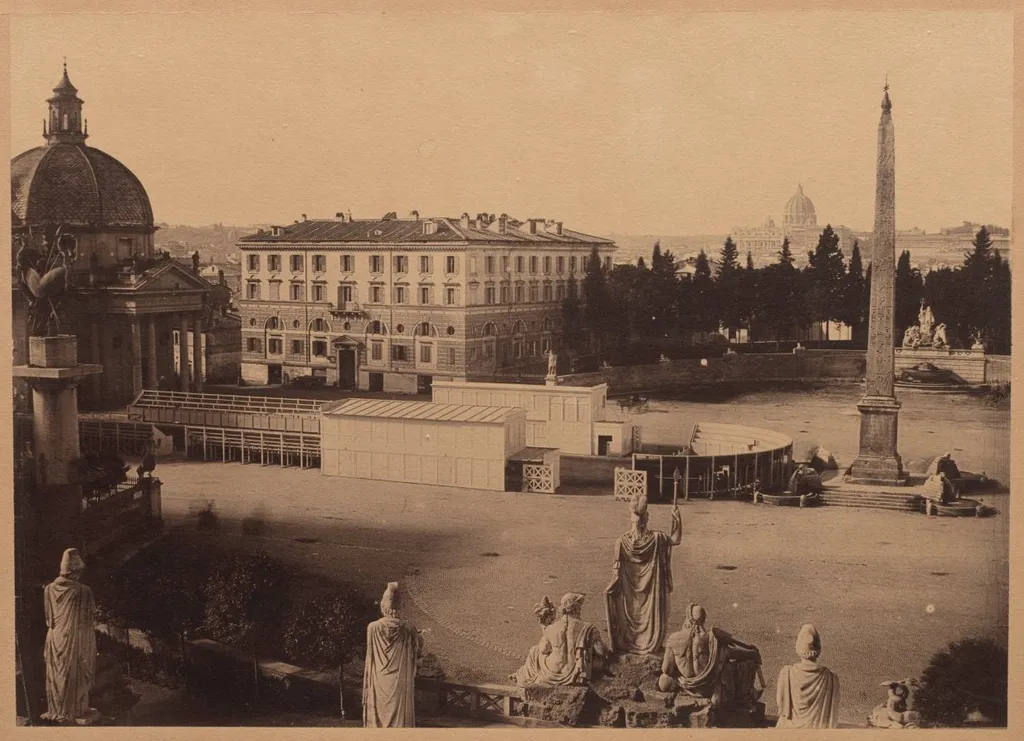
View of Rome is a photography by the Impressionist artist Unknown. It dates from 1860 and is held in the collection of the Cleveland Museum of Art. This sepia-toned photograph captures a broad urban square in Rome, presenting a quiet, contemplative view of its architectural layers.
About this work
Overview
This sepia-toned photograph captures a broad urban square in Rome, presenting a quiet, contemplative view of its architectural layers.
This sepia-toned photograph captures a broad urban square in Rome, presenting a quiet, contemplative view of its architectural layers. The composition centers on an ancient obelisk and a statue, flanked by classical columns and domed structures. Soft, diffused light lends the scene a muted, timeless quality, while a handful of figures seated along a low wall ground the image in everyday presence, suggesting a moment of pause amid enduring monuments.
Subject & Meaning
The image juxtaposes ancient Roman elements—obelisk, statue, columns—with later Renaissance and Baroque architecture, notably the domes. This layering reflects Rome’s continuous cultural accumulation. The seated figures, dressed in 19th-century attire, subtly emphasize human scale against monumental history, inviting reflection on the coexistence of the ephemeral and the enduring within the city’s landscape.
Technique & Style
Rendered in sepia tones, the photograph employs natural lighting to create a gentle contrast and soft focus, avoiding harsh shadows. The composition follows a balanced, frontal perspective, typical of early documentary photography. Details like the texture of stone and the faint outlines of distant trees are rendered with quiet precision, prioritizing atmospheric harmony over dramatic effect.
History & Provenance
Produced in the mid-to-late 19th century, this image likely stems from the wave of photographic expeditions documenting European landmarks. It aligns with the practices of early travel photographers who sought to record Rome’s ruins and monuments for scholarly and public audiences, contributing to a growing visual archive of the city’s historical fabric.
Context
During this period, photography emerged as a tool for both scientific documentation and cultural preservation. Rome, as a center of classical heritage, attracted photographers seeking to capture its layered architecture. This image reflects a broader trend of visualizing history through the lens, bridging antiquity with modernity in a single frame.
Legacy
The photograph contributes to the historical record of Rome’s urban identity, preserving a moment when ancient and modern structures coexisted without restoration or romanticization. It stands as an early example of how photography shaped public perception of historical cities, influencing later approaches to architectural documentation and heritage conservation.
Artist & collection

 Domestic Scene
 Giacomo and Cardinal Marco, investing Andrea, Abbot of San Zeno, with his Benefice
 The Nymph of Fontainebleau
 Portrait of a Woman
 Madonna and Child with Saints in the Enclosed Garden
 Venus and Minerva
 Family Group of Four on Sofa
 Wall painting from Room H of the Villa of P. Fannius Synistor at Boscoreale
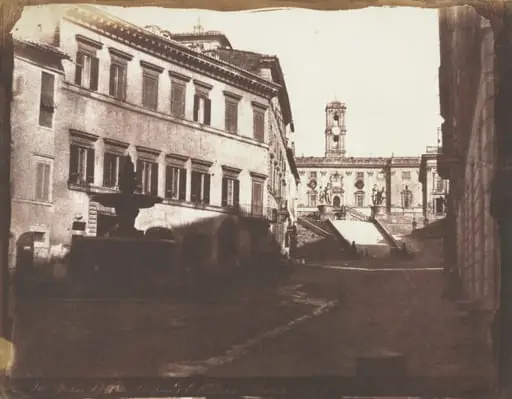 View of the Capitol Stairs, Rome
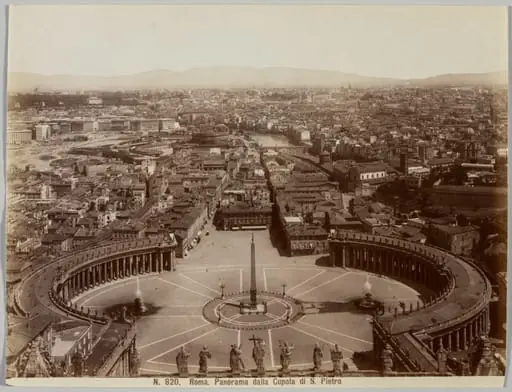 Panorama dalla Cupola di S. Pietro, Rome
 H Beard Print Collection
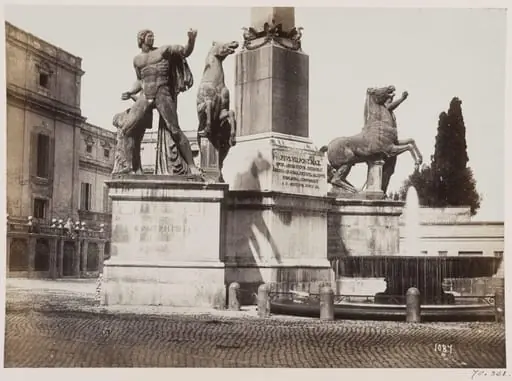 Sculptures - The Colossal Horses, with the Statues of Castor and Pollux, the work of Phidias and Praxiteles (now in the Piazza di Monte Cavallo)
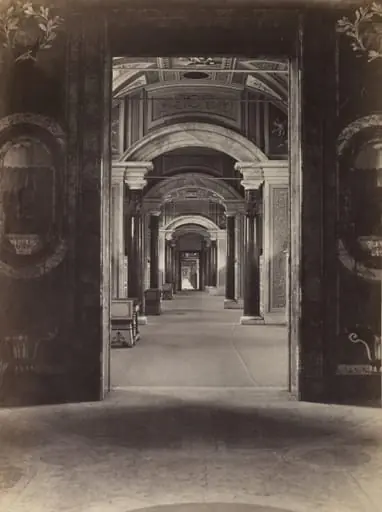 Bibliothèque du Vatican
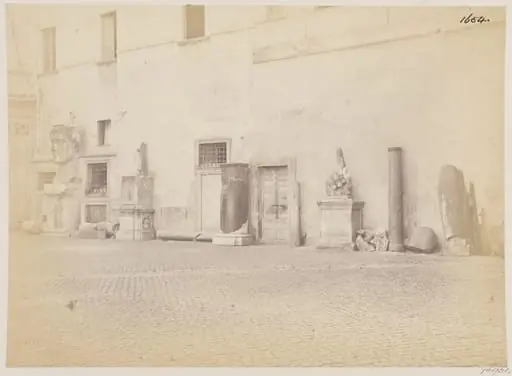 Sculpture - View on the left side of the Court-yard of the Palazzo de' Conservatori on the Capitol, shewing fragments of colossal Statues
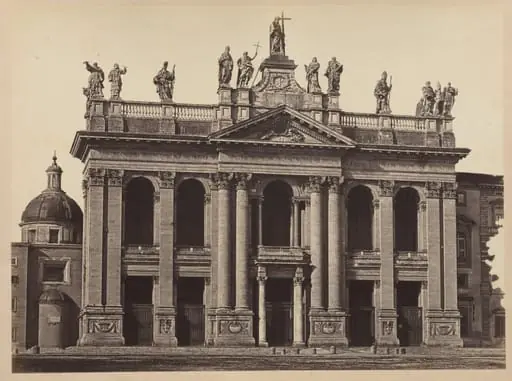 St. Jean de Lateran, Rome
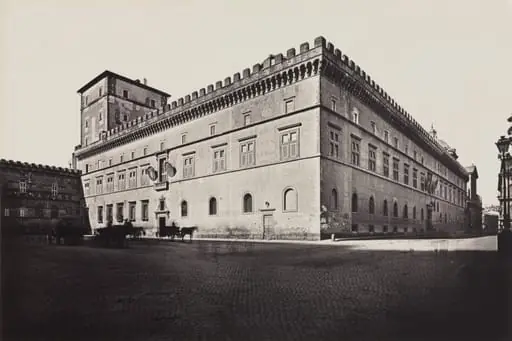 Palazzetto Venezia, Rome
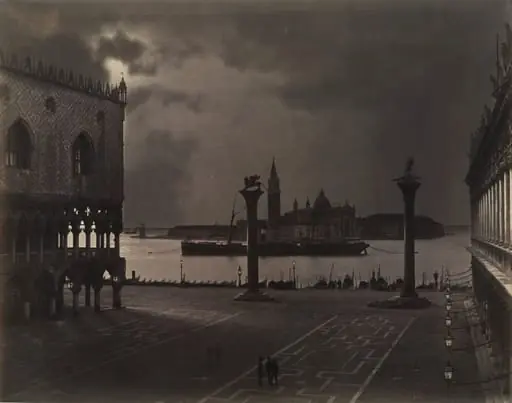 Venice: Saint Mark's Looking toward San Giorgio Maggiore, in Moonlight
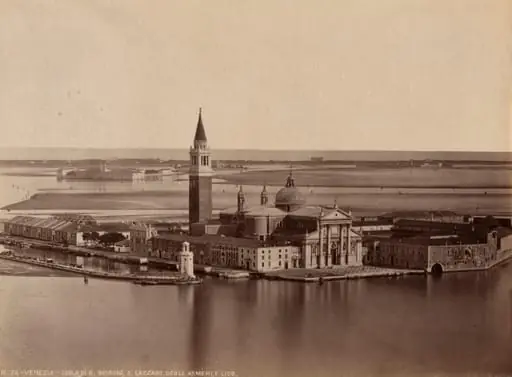 Venice - Island of San Giorgio, San Lazzaro degli Armeni, the Lido