Artwork
View of the Capitol Stairs, Rome
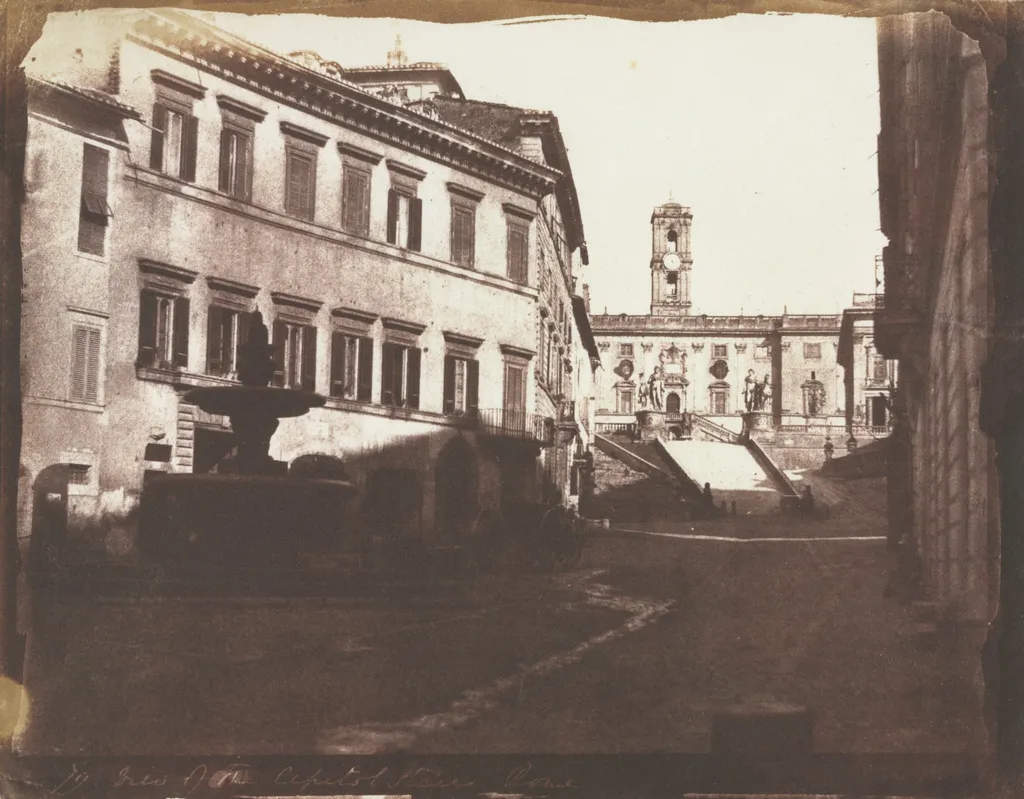
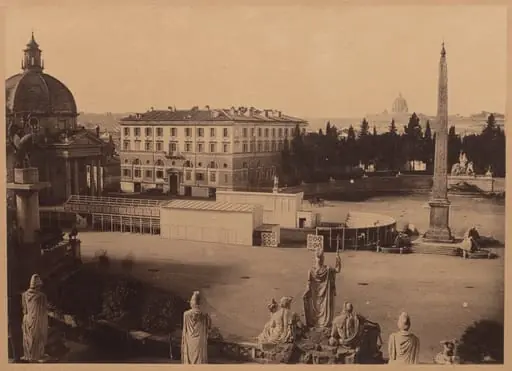
View of the Capitol Stairs, Rome is a photography by the Romanticist artist Calvert Richard Jones. It dates from 1846 and is held in the collection of the Cleveland Museum of Art.
About this work
Overview
The image is preserved in the collection of The Cleveland Museum of Art, reflecting early photographic experimentation in documenting architectural spaces.
Taken in 1846, this photograph captures the staircase leading to the Capitoline Hill in Rome, executed by Calvert Richard Jones, a Welsh artist with training in mathematics and painting. Though Jones is better known for maritime subjects, this work belongs to his lesser-known series of urban views. The image is preserved in the collection of The Cleveland Museum of Art, reflecting early photographic experimentation in documenting architectural spaces.
Subject & Meaning
The photograph focuses on the grand staircase ascending toward the Piazza del Campidoglio, framed by uniform facades of Roman buildings with shuttered windows and narrow balconies. The composition emphasizes order and perspective, suggesting a quiet reverence for classical urban design. The absence of figures enhances the sense of stillness, inviting contemplation rather than narrative.
Technique & Style
The image exhibits the soft tonal gradations typical of early photographic processes, with a muted palette and delicate highlights that lend the stone surfaces a luminous quality. Slight physical damage—fading and tearing—attests to its age and handling, reinforcing its status as a historical artifact rather than a polished print. The lighting suggests overcast conditions, diffusing shadows and unifying the scene in a gentle, even glow.
History & Provenance
Calvert Richard Jones produced this work during a period of growing interest in documenting European cities through photography. The image entered the Cleveland Museum of Art’s collection in the 20th century, likely through acquisition of early photographic material. Its survival in relatively intact condition is uncommon for works of this era, making it a rare example of mid-19th-century architectural photography.
Context
In the 1840s, photography was emerging as a tool for recording architecture and urban landscapes, often aligned with antiquarian and topographical interests. Jones’s image aligns with broader European efforts to preserve and study classical ruins and Renaissance urban planning. The Capitoline Hill, a symbol of civic authority since antiquity, was a frequent subject for artists and travelers seeking to document Rome’s layered history.
Legacy
This photograph contributes to the historical record of Rome’s urban fabric during a time of transition, before modernization altered its streetscapes. While not widely exhibited, it remains a quiet testament to early photographic practice and the aesthetic preference for restrained, observational imagery. Its preservation allows continued study of how 19th-century viewers perceived and recorded ancient cities.
Artist & collection
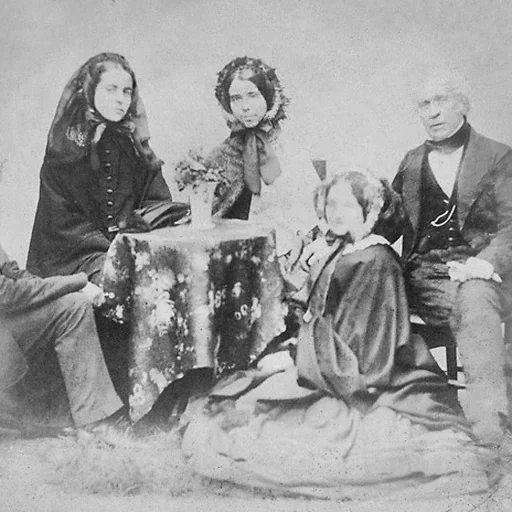
Artist
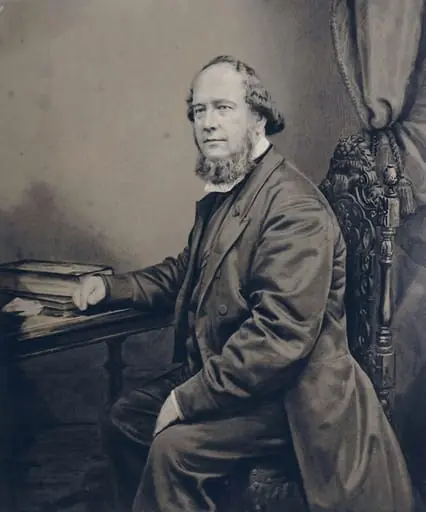
Calvert Richard Jones (4 December 1804 – 7 November 1877) was a Welsh mathematician and painter, best known for his seascapes.

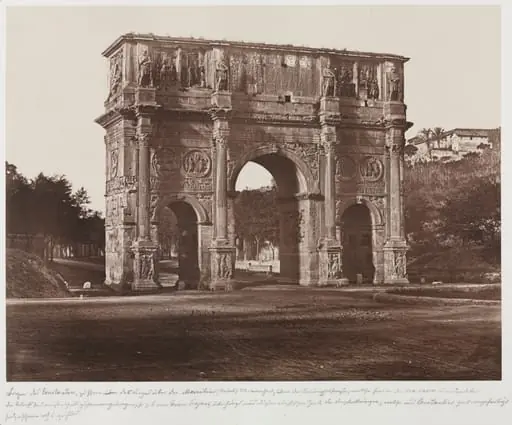 Arch of Constantine, Rome
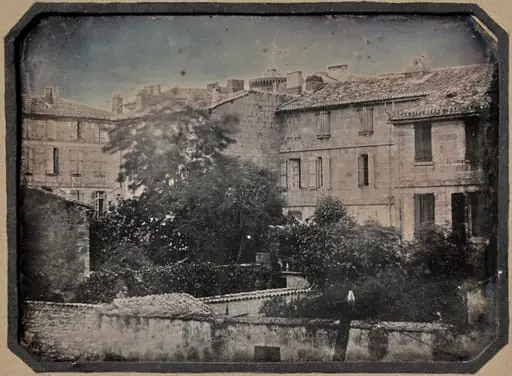 View of Angoulême
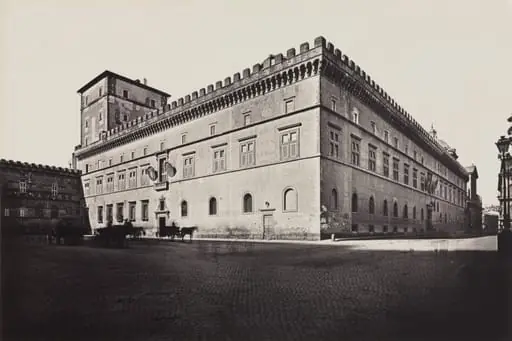 Palazzetto Venezia, Rome
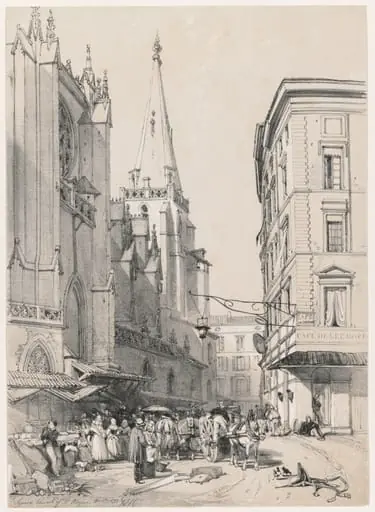 Sketches at Home and Abroad: Lyons Church of St. Hezier, October 1832
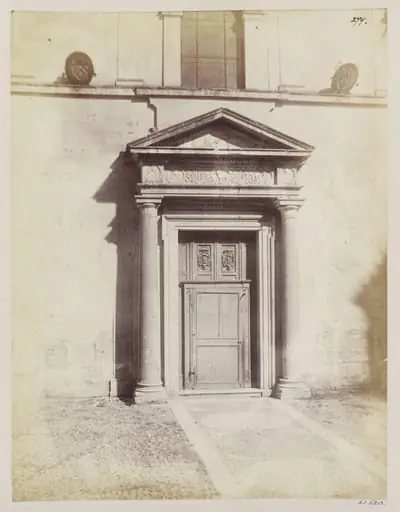 Church of S. Pudentina. Doorway, with shallow Sculpture of the eighth century (?), over it the Doorway rebuilt in the seventeenth century.
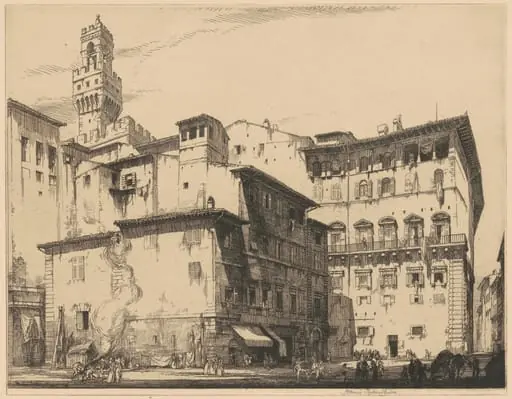 The Municipio, Florence
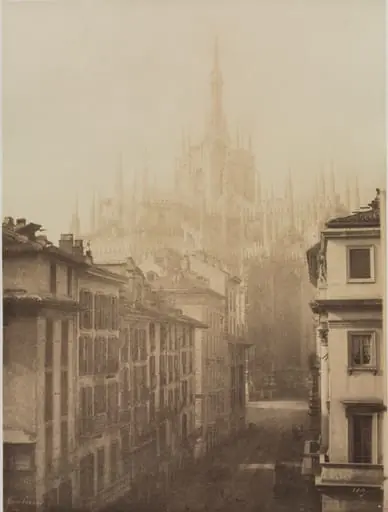 Cathedral from Corso Francesco, Milan
 H Beard Print Collection
 View at Innsbruck
 The Pantheon
 Italian villa
 View of Rome