Artwork
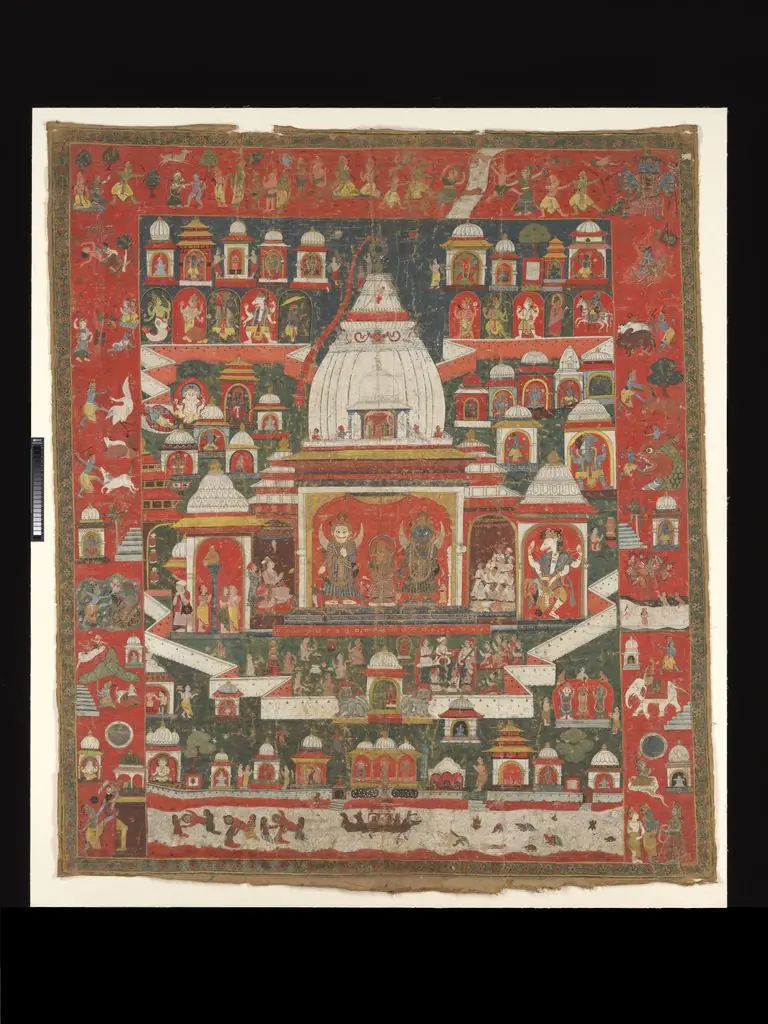
View of the Jagannatha Temple, Puri
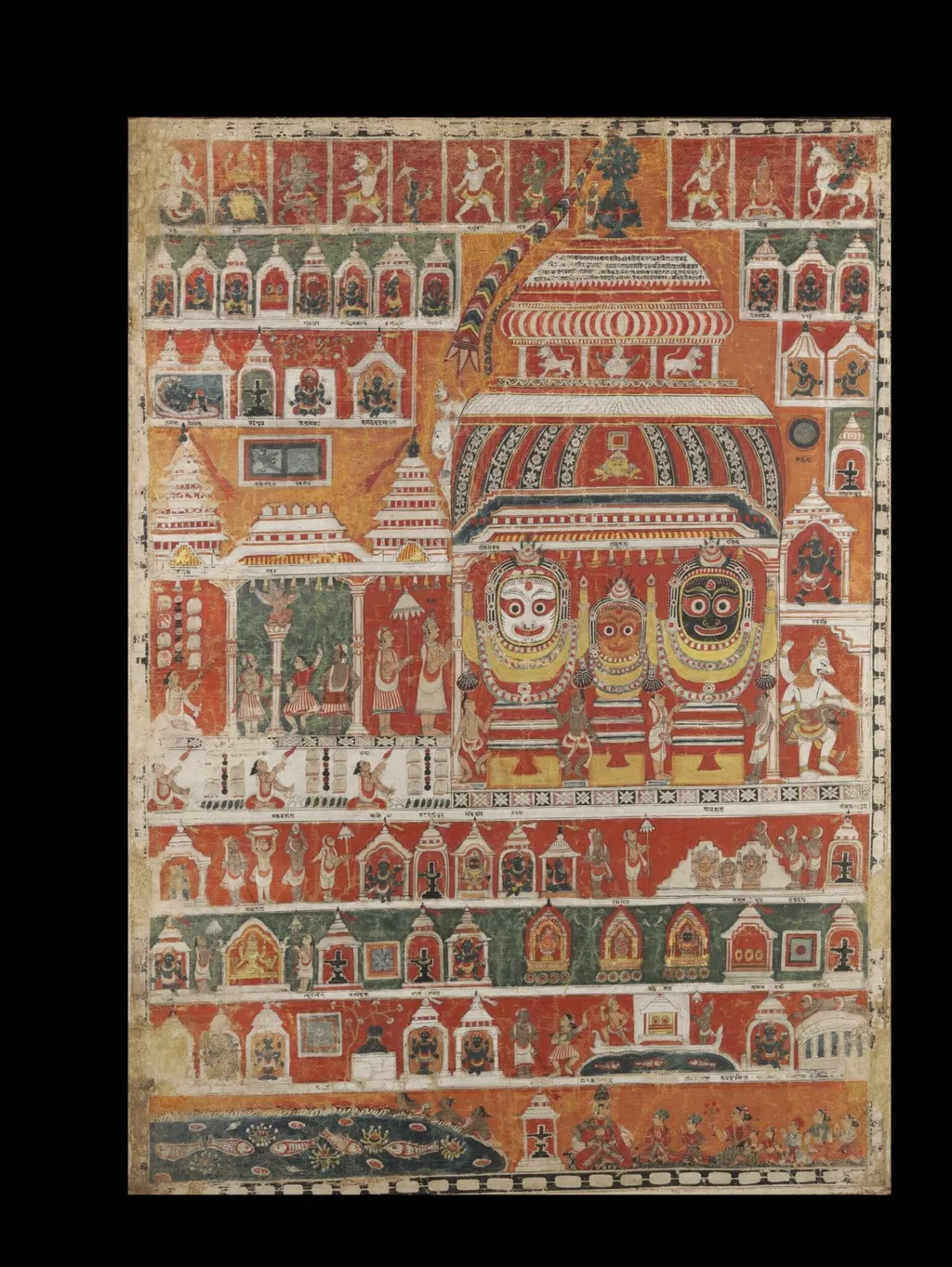
View of the Jagannatha Temple, Puri is a paint painting by the Baroque artist Unknown. It dates from 1670 and is held in the collection of the Victoria and Albert Museum. The work is a cloth painting executed in the traditional Oriya style that portrays the Jagannatha Temple complex at Puri.
About this work
The artist adds tiny details, like the temple’s curved roofs and the pilgrims’ sandals.
This painting shows a bright view of the Jagannatha Temple in Puri, India. Pilgrims fill the scene in simple robes, some carrying sticks. The temple’s wooden wheels stand out against the red walls.
The painting is done on cloth using the Orissan style. It’s old—from 1670—but still looks fresh. The artist adds tiny details, like the temple’s curved roofs and the pilgrims’ sandals.
If this catches your eye, check out the Victoria and Albert Museum to see more.
Overview
The work is a cloth painting executed in the traditional Oriya style that portrays the Jagannatha Temple complex at Puri. Rendered in vivid colors, the composition presents the main sanctuary, surrounding shrines, and the bustling activity of pilgrims and temple personnel, offering a comprehensive visual record of the site as it appeared in the late seventeenth century.
Subject & Meaning
At the centre stands the sanctum housing the triad of deities—Jagannatha, his brother Balarama, and sister Subhadra—under the characteristic Oriya tower. To the left, a pillared hall shows the Raja of Puri receiving darshana, flanked by priests and dancing devadasi, illustrating the ritual hierarchy and devotional practices associated with the temple’s cult of Jagannatha, a form of Krishna revered across eastern India and beyond.
Technique & Style
Painted on a fine cloth (pata) with mineral pigments, the piece employs the flat, decorative detailing typical of Oriyan miniature workshops. Fine line work delineates architectural elements such as the curving shikharas and wooden wheels, while the crowded figures are rendered in simple robes, emphasizing collective pilgrimage over individual portraiture.
History & Provenance
Although likely produced by a Puri workshop for local pilgrims, the painting was dispatched to the Newar kingdom of Bhaktapur to commemorate a royal ritual. A Newari inscription on the temple’s tower records the donor, Sri Jagaccandramalla, and notes the Avanta ceremony honoring Vishnu performed on the fourteenth day of the month Bhadra in Samvat 790 (1670 CE).
Context
The work reflects the flourishing market for devotional imagery that surrounded the Jagannatha Temple in the seventeenth century, when pilgrim traffic from Bengal, Assam, and Nepal stimulated the production of portable visual aids for worship and pilgrimage.
Legacy
As a rare example of cross‑regional artistic exchange, the painting demonstrates how Oriyan religious iconography was adapted for Newar patrons, providing scholars with insight into the spread of the Jagannatha cult and the interconnectedness of South Asian devotional cultures during the early modern period.
Artist & collection

 Domestic Scene
 Giacomo and Cardinal Marco, investing Andrea, Abbot of San Zeno, with his Benefice
 The Nymph of Fontainebleau
 Portrait of a Woman
 Madonna and Child with Saints in the Enclosed Garden
 Venus and Minerva
 Family Group of Four on Sofa
 Wall painting from Room H of the Villa of P. Fannius Synistor at Boscoreale
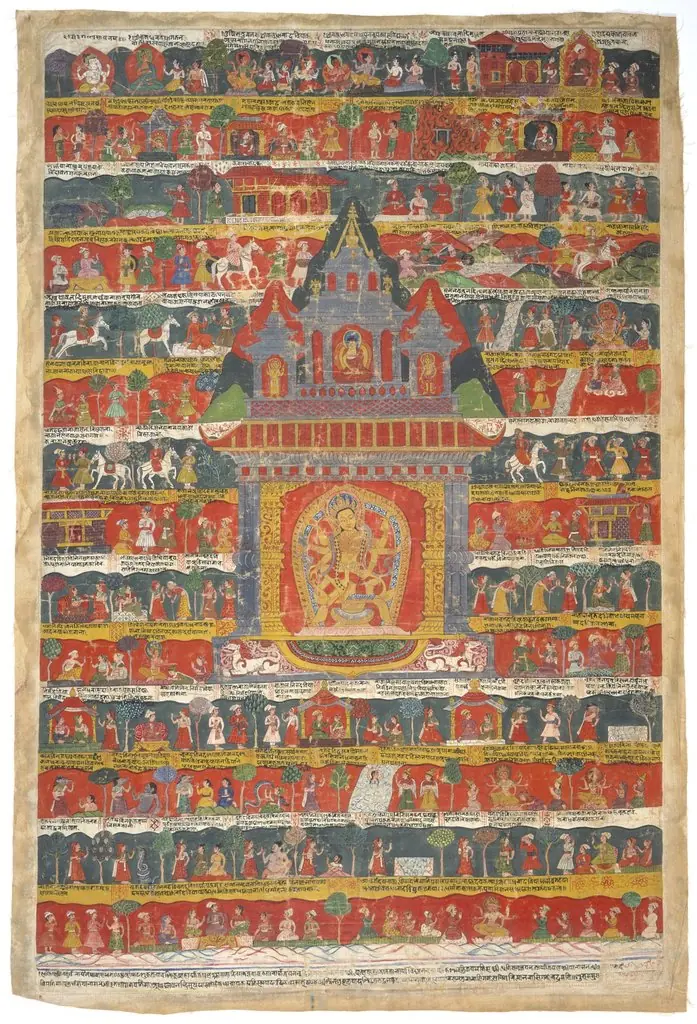 Legend of Vasudhara (Ashvaghosha Avadana)
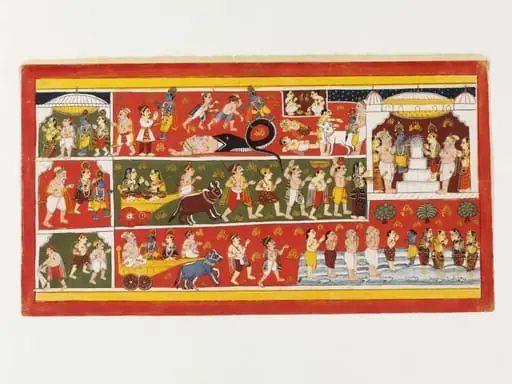 Krishna and Nanda
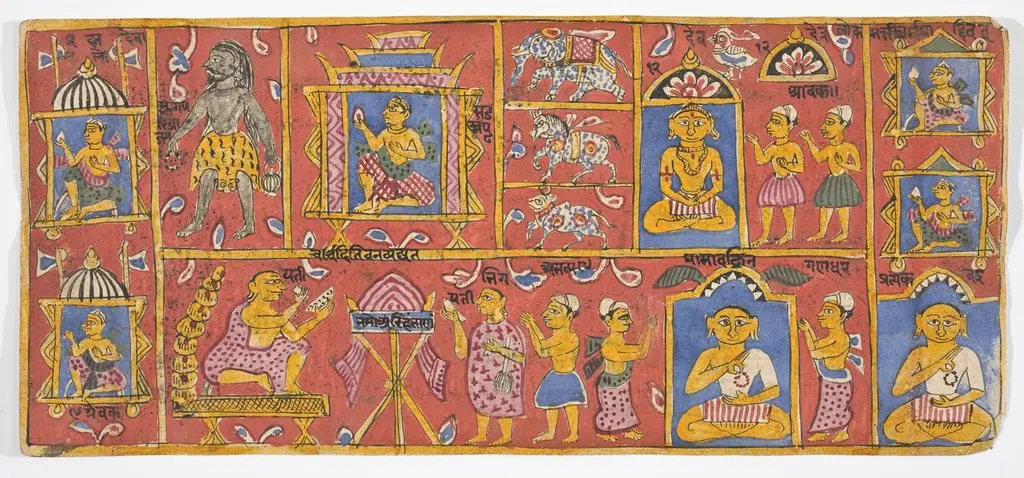 Tantric Manuscript "Sangrahani Sutra"
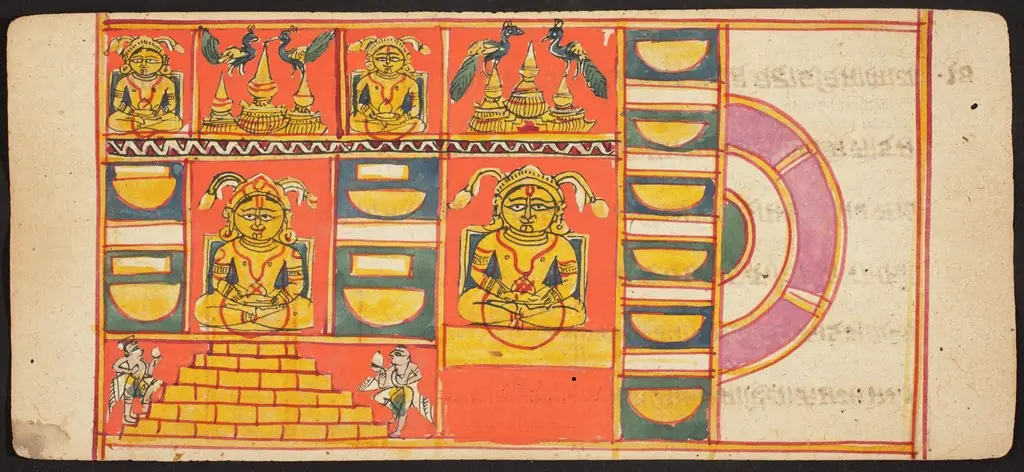 Tantric Manuscript "Sangrahani Sutra"
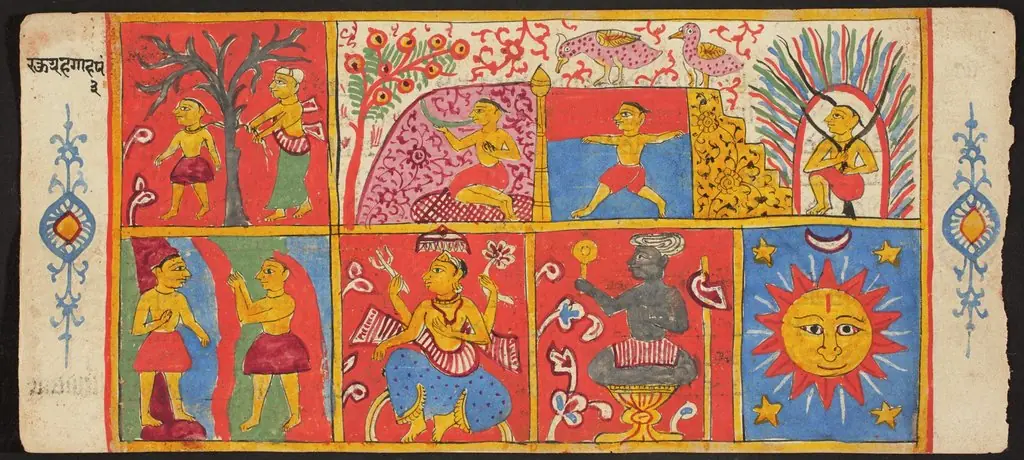 Tantric Manuscript "Sangrahani Sutra"
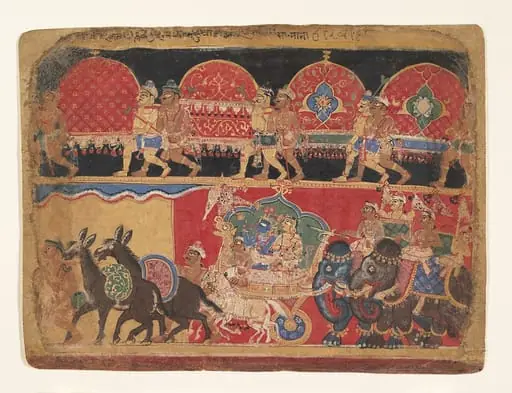 Untitled
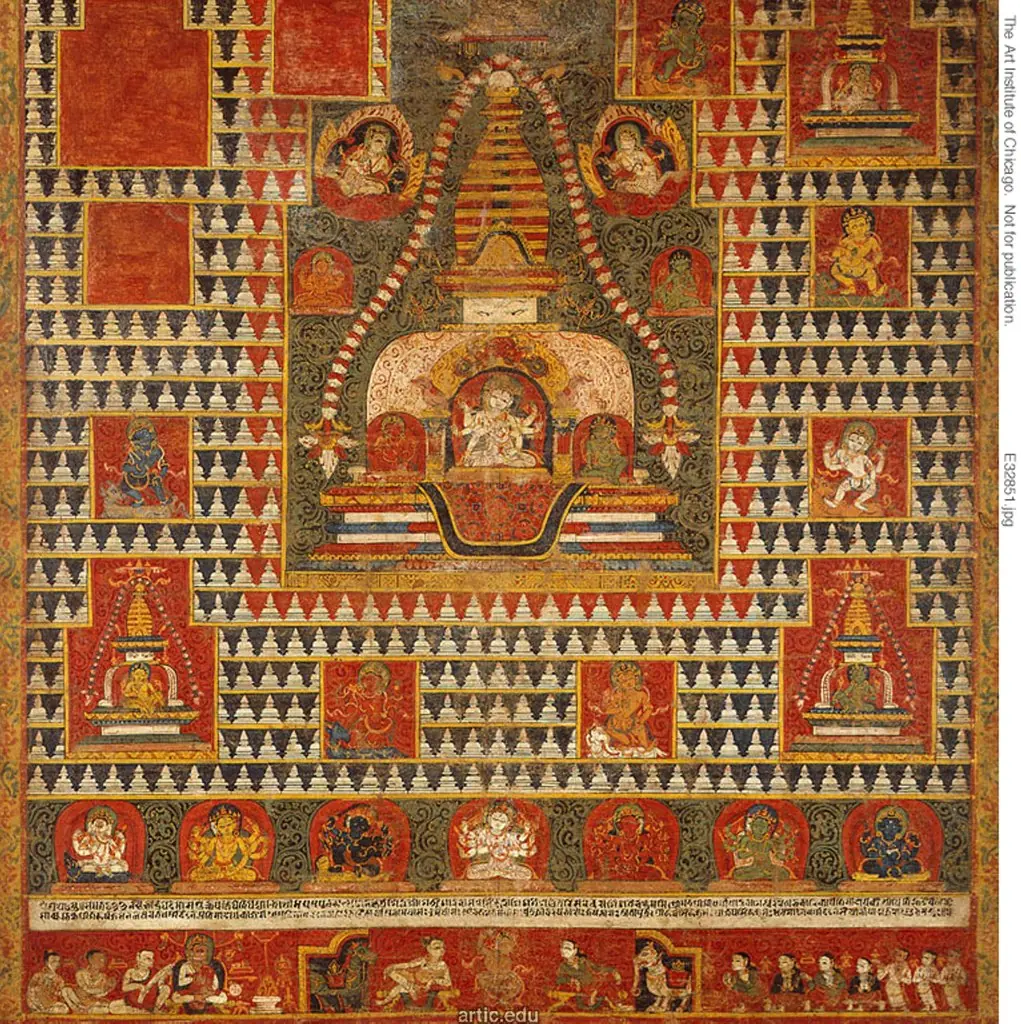 Painted Banner (paubha) of Goddess Ushnishavijaya Within a Funerary Mound (chaitya) and Surrounded by Chaityas
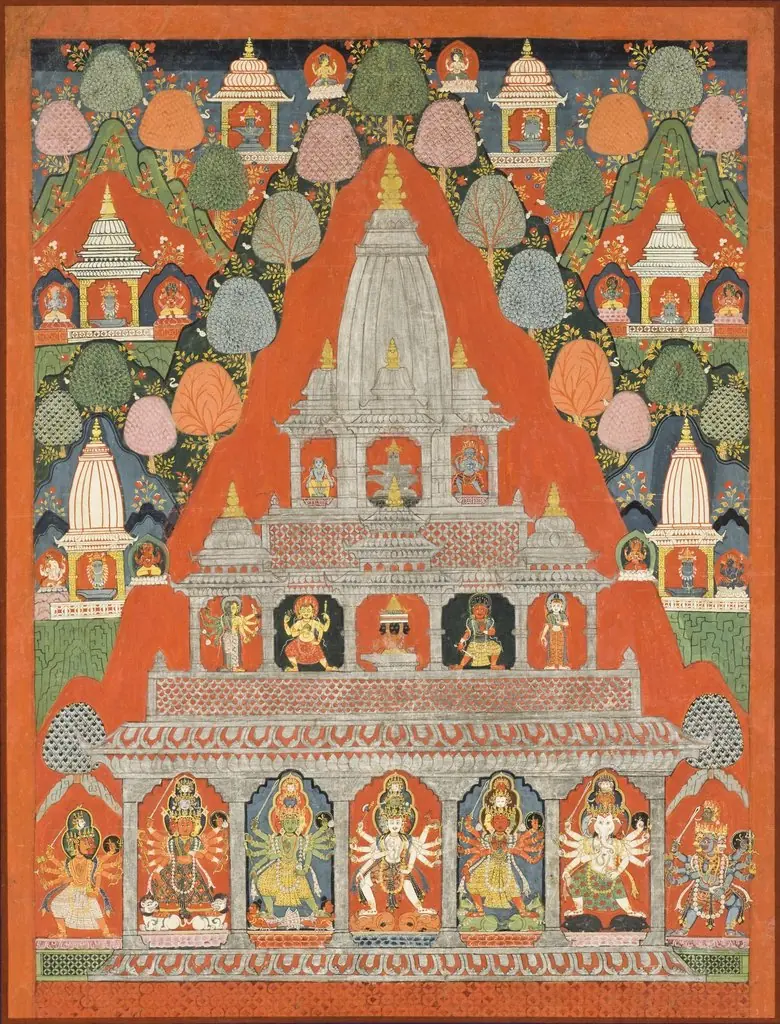 Shaiva Shrines in a Landscape
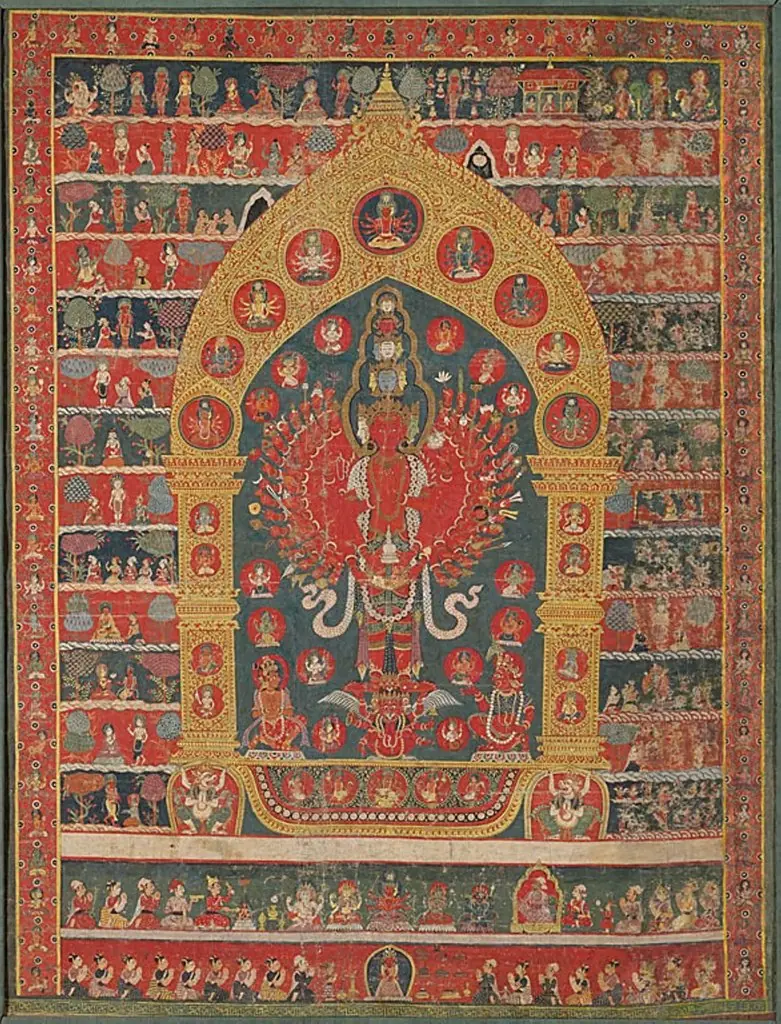 Painted Banner (Thangka) of the Avalokiteshvara Incarnation of the Rain God Rato Matsyendranatha
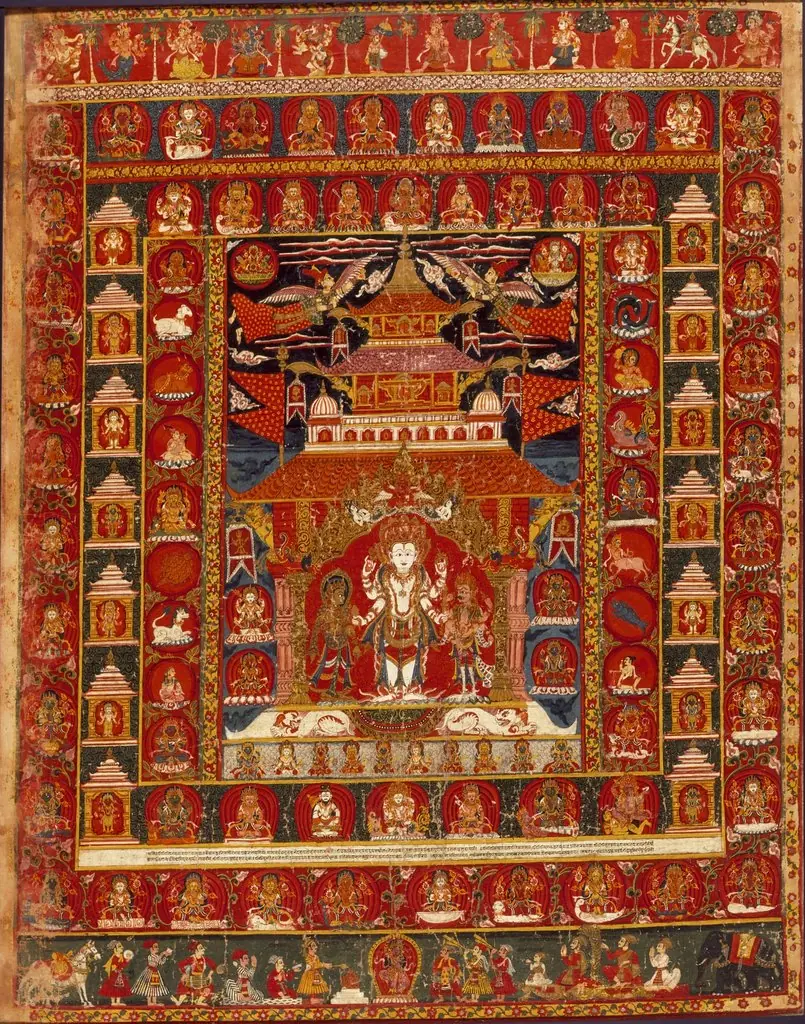 Mandala of Vishnu
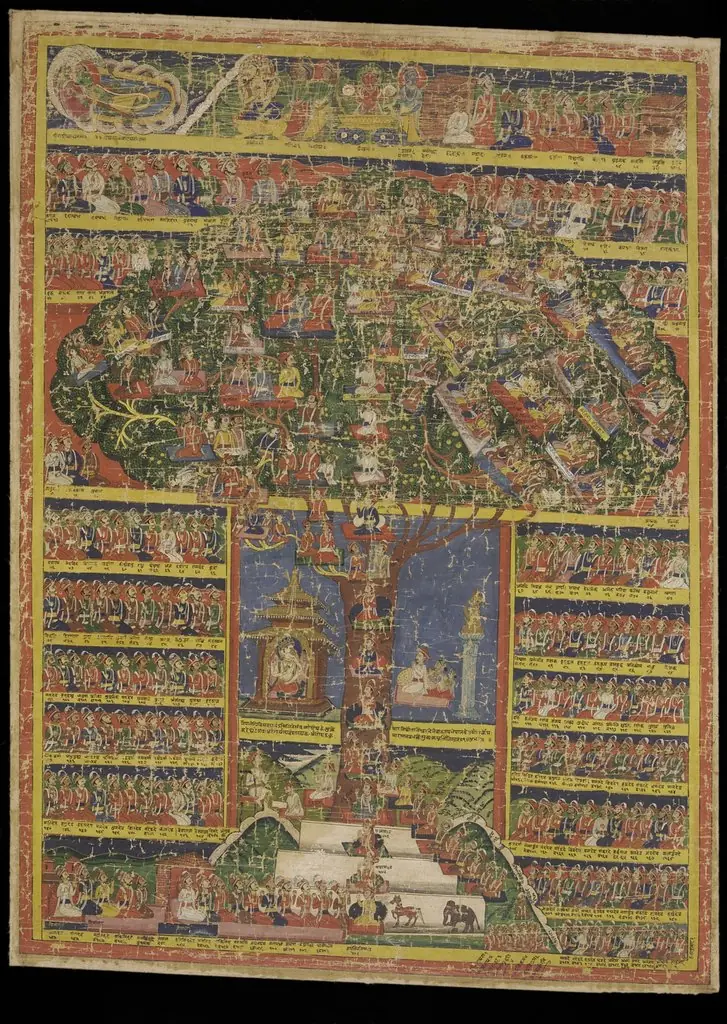 Genealogical Painting
 Worship of Lord Jagannatha in His Temple at Puri