Artwork
Woman Dressed in Winter Clothing
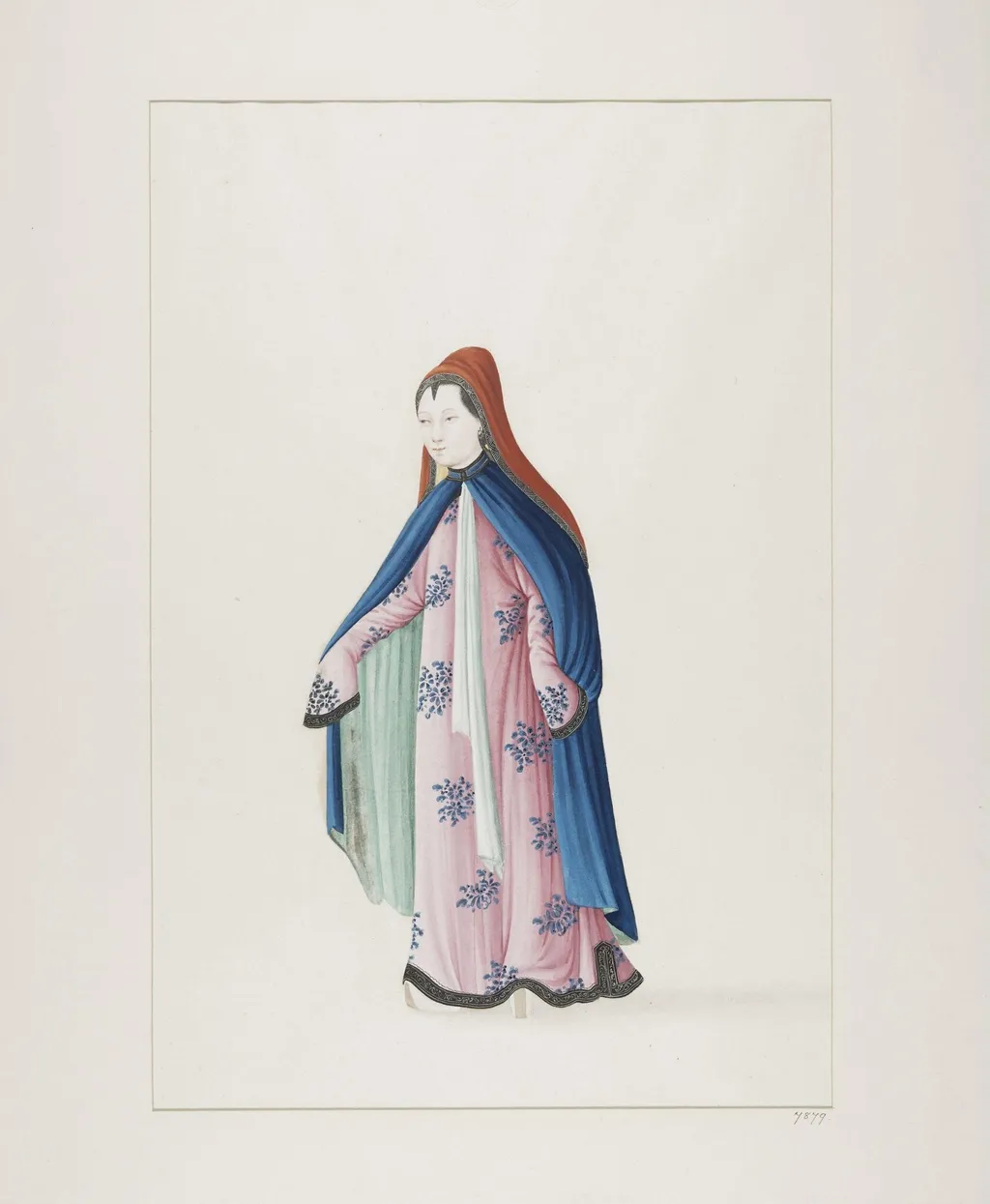
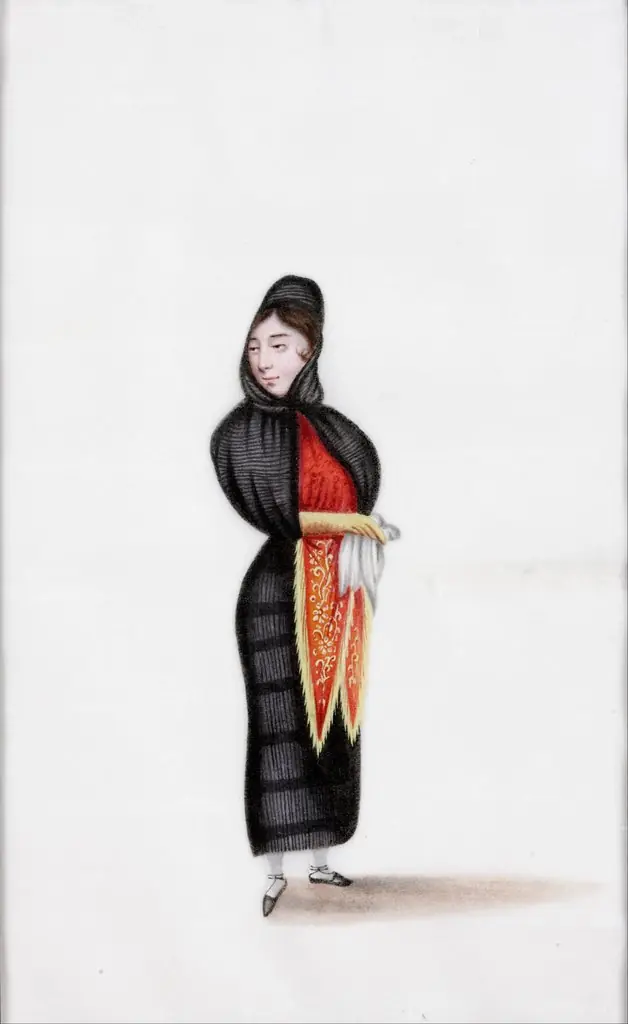
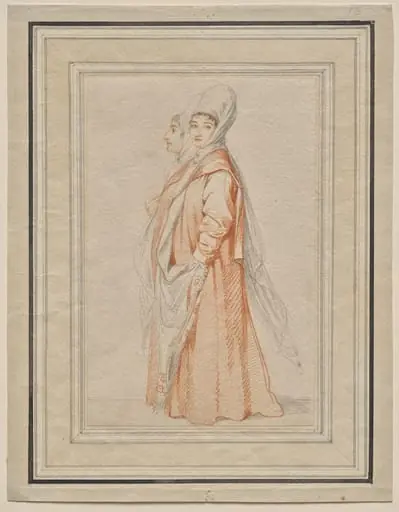
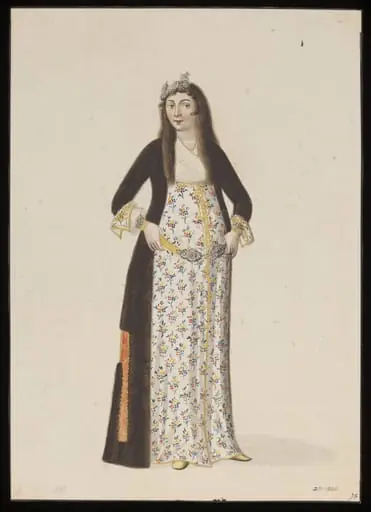
Woman Dressed in Winter Clothing is a paint painting by the Romanticist artist Unknown. It dates from 1800 and is held in the collection of the Victoria and Albert Museum. Painted in 1800, this rectangular work is one of twenty-four detailed studies of historical costume.
About this work
Overview
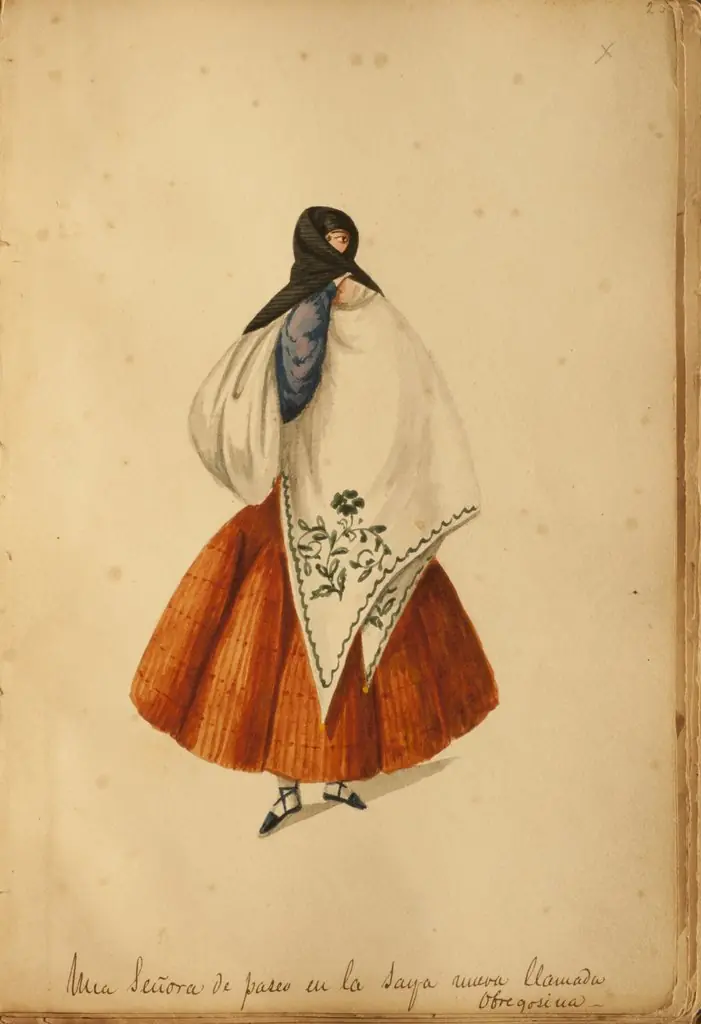
Painted in 1800, this rectangular work is one of twenty-four detailed studies of historical costume. It portrays a solitary woman standing in a neutral space, her form defined by layered winter garments. The composition emphasizes texture and color over narrative, focusing on the quiet presence of the figure rather than action or setting.
Subject & Meaning
The woman is depicted in layered winter wear, suggesting seasonal transition or urban life in early 19th-century Europe. Her stillness and modest attire convey a sense of quiet dignity. The clothing, though elaborate, lacks overt symbolism; the emphasis lies in the observation of everyday dress rather than allegory or social commentary.
Technique & Style
The painting employs flat, even brushwork and clear color contrasts—pink, navy, and red—without shading or atmospheric depth. Patterns on the dress are rendered with precision, yet the overall style remains restrained, prioritizing textile detail over emotional expression. The background is muted, drawing attention entirely to the figure’s costume.
History & Provenance
Created as part of a series documenting regional and historical dress, the work was likely intended for educational or archival purposes. It remained within private collections until the mid-20th century, when it entered a public museum’s holdings. Its origin as a costume study links it to broader 18th- and early 19th-century efforts to document fashion systematically.
Context
During this period, artists and collectors increasingly documented clothing as cultural artifacts, influenced by antiquarianism and the rise of ethnographic interest. While Romanticism often used dress to evoke emotion or national identity, this work reflects a more documentary impulse—recording appearance rather than interpreting inner life.
Legacy
The painting contributes to a body of work that preserved historical attire before industrialization altered fashion. Though not widely exhibited, it remains a reference for costume historians and a quiet example of how art served as a tool for recording social detail in an era before photography.
Artist & collection

 Domestic Scene
 Giacomo and Cardinal Marco, investing Andrea, Abbot of San Zeno, with his Benefice
 The Nymph of Fontainebleau
 Portrait of a Woman
 Madonna and Child with Saints in the Enclosed Garden
 Venus and Minerva
 Family Group of Four on Sofa
 Wall painting from Room H of the Villa of P. Fannius Synistor at Boscoreale