Artwork
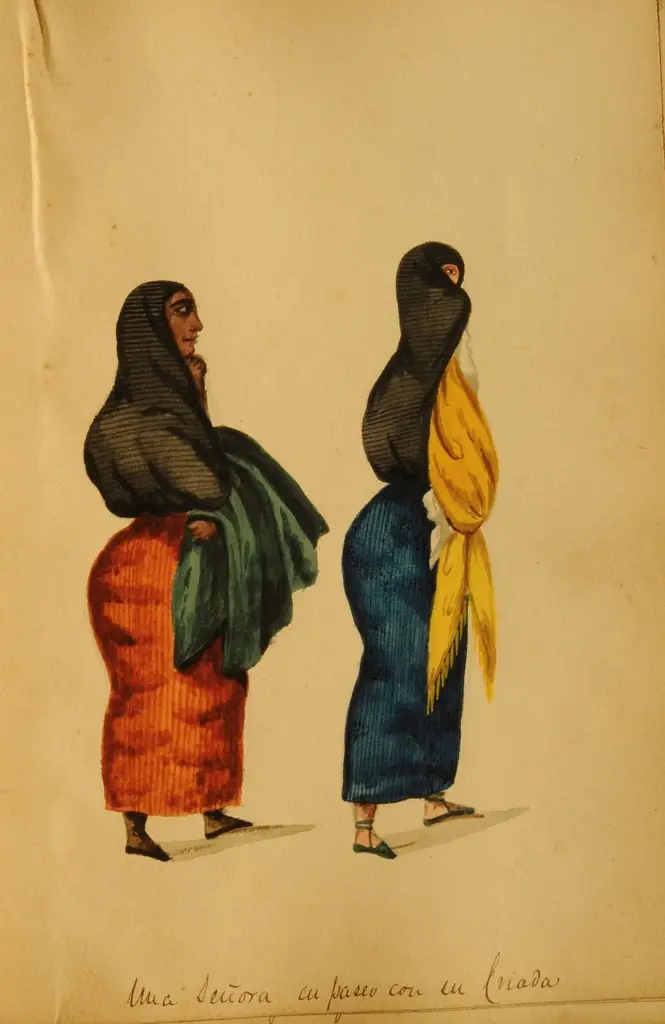
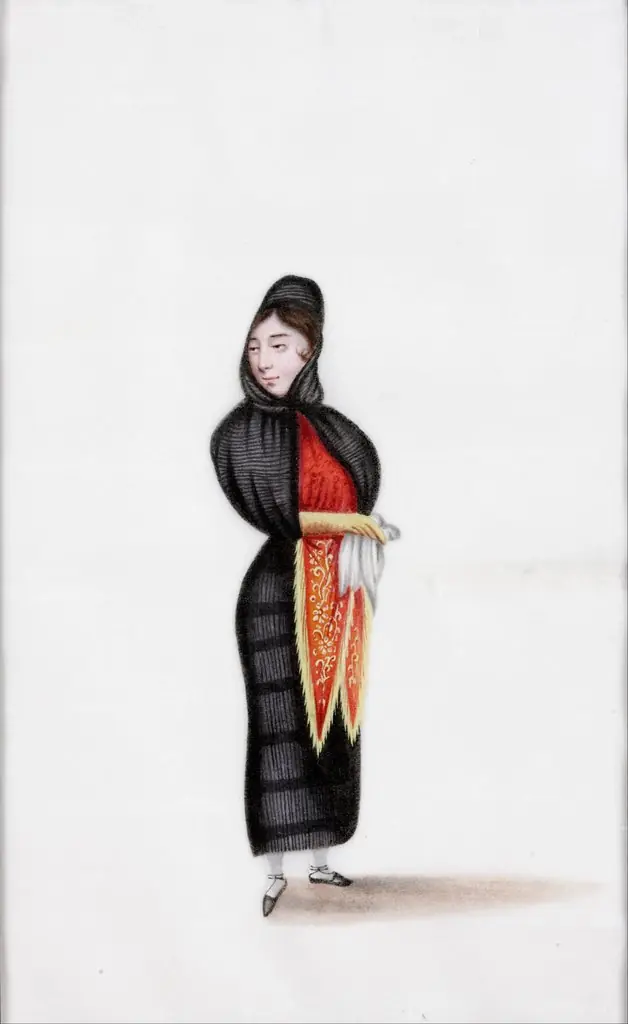
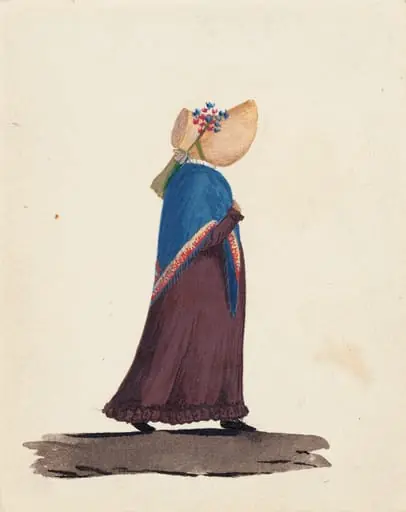
A lady walking with the new scarf
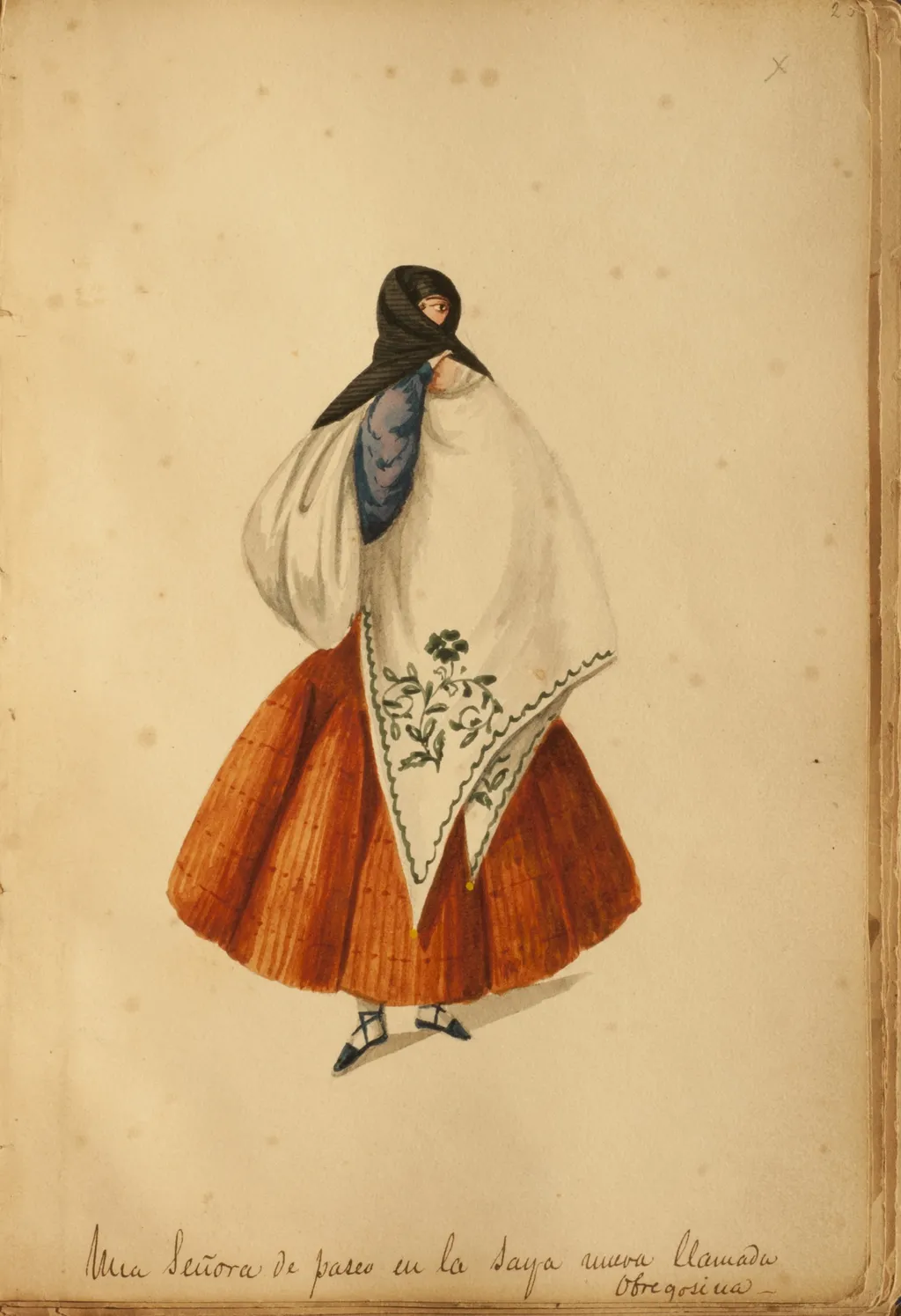
A lady walking with the new scarf is an unspecified painting by Pancho Fierro. It dates from 1850 and is held in the collection of the National Museum of Fine Arts, Argentina.
About this work
Overview
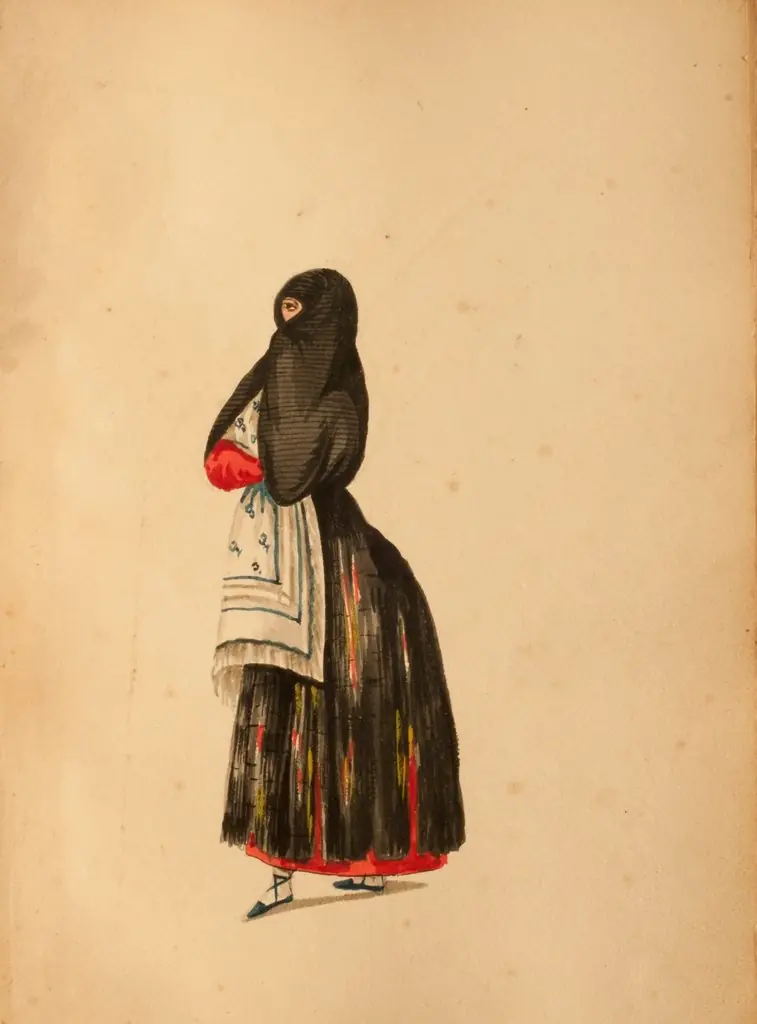
Painted around 1850 by Peruvian artist Pancho Fierro, this watercolor captures a woman walking in urban Peru.
Painted around 1850 by Peruvian artist Pancho Fierro, this watercolor captures a woman walking in urban Peru. Fierro specialized in costumbrista scenes, documenting daily life through precise, unembellished observation. The work is part of the National Museum of Fine Arts in Buenos Aires collection, reflecting its regional significance and the artist’s role in preserving visual records of 19th-century Peruvian society.
Subject & Meaning
The figure is a woman dressed in locally worn attire: a long skirt, a black headscarf, blue shoes, and a white shawl with floral embroidery. Her posture and attire suggest a routine outing, possibly shopping or visiting. The scarf, described as 'new,' implies attention to fashion and personal presentation, hinting at shifting social norms and the importance of dress in expressing identity among urban women of the time.
Technique & Style
Executed in watercolor, the painting employs delicate washes and fine linework to define form and texture. Fierro avoids dramatic lighting or elaborate backgrounds, focusing instead on the clarity of costume and gesture. The light, neutral backdrop isolates the figure, emphasizing her clothing and movement. The style is observational rather than idealized, aligning with the costumbrista tradition of recording everyday reality.
History & Provenance
Created during Fierro’s most active period in Lima, the painting entered the collection of the National Museum of Fine Arts in Buenos Aires in the 20th century. Its journey from Peru to Argentina reflects broader cultural exchanges in the region. While little is documented about its early ownership, its preservation in a major institution underscores its value as a record of 19th-century Peruvian life.
Context
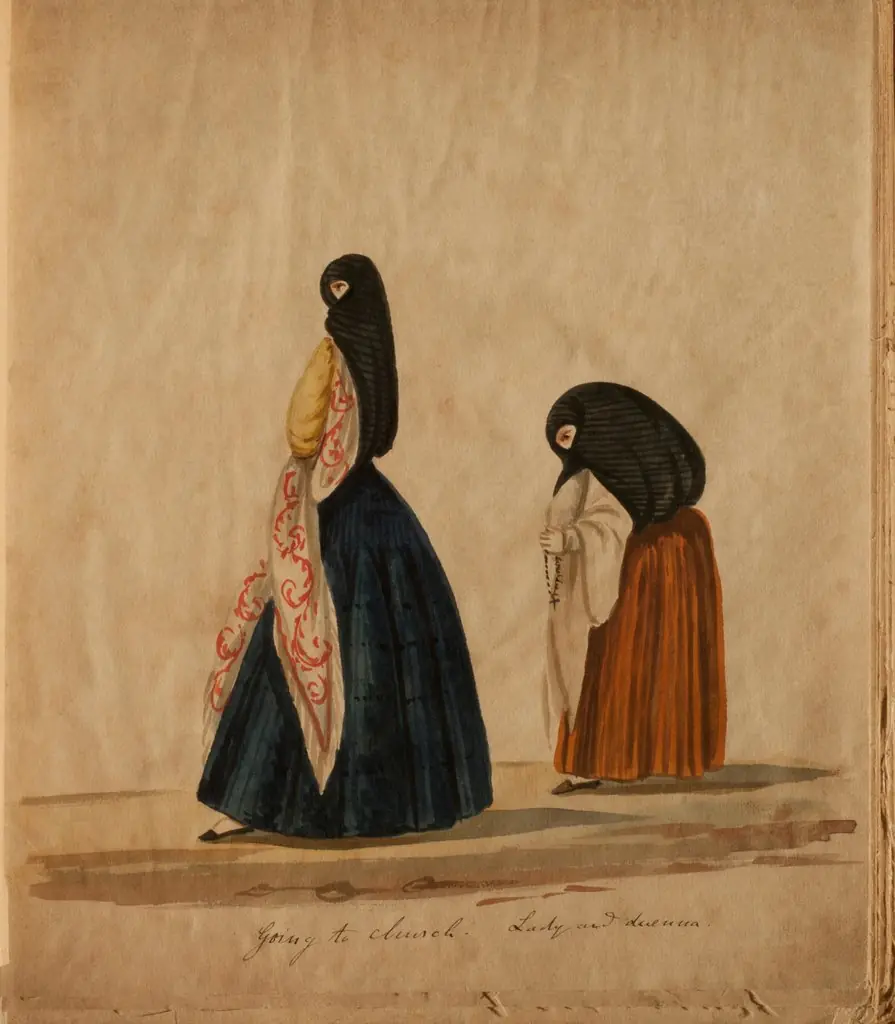
In mid-19th century Peru, urban women’s fashion blended indigenous, Spanish, and creole influences. The floral shawl and headscarf reflect this hybridity, while the attention to detail in dress signals rising middle-class visibility. Fierro’s works, often sold as lithographs or watercolors, served as visual ethnography, offering outsiders and locals alike a glimpse into the rhythms of daily life beyond elite circles.
Legacy
Fierro’s watercolors, including this one, remain key references for understanding Peru’s social fabric during a period of national transformation. Though not widely known outside Latin America, his oeuvre is studied for its unvarnished depiction of class, gender, and material culture. This painting contributes to a broader archive of visual anthropology, preserving the quiet dignity of ordinary lives.
Artist & collection
Artist
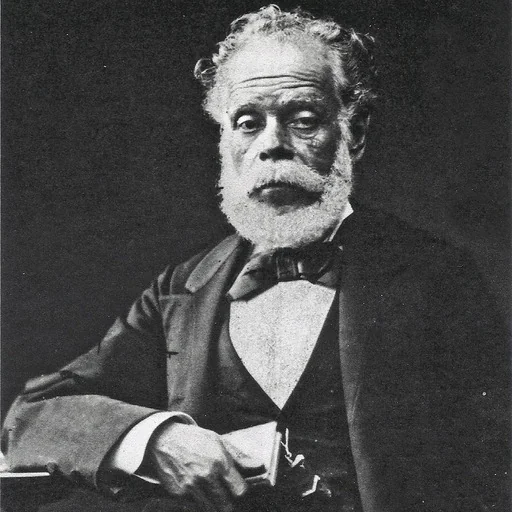
Francisco Fierro Palas, called "Pancho" Fierro (c. 1807/1809 – 28 July 1879), was a Peruvian painter, known primarily for his costumbrista watercolors, which depict his country's life and customs.

Museum
National Museum of Fine Arts, Argentina
Continue through works from the same source collection.