Artwork
Draped Woman from the Villa Pamphili
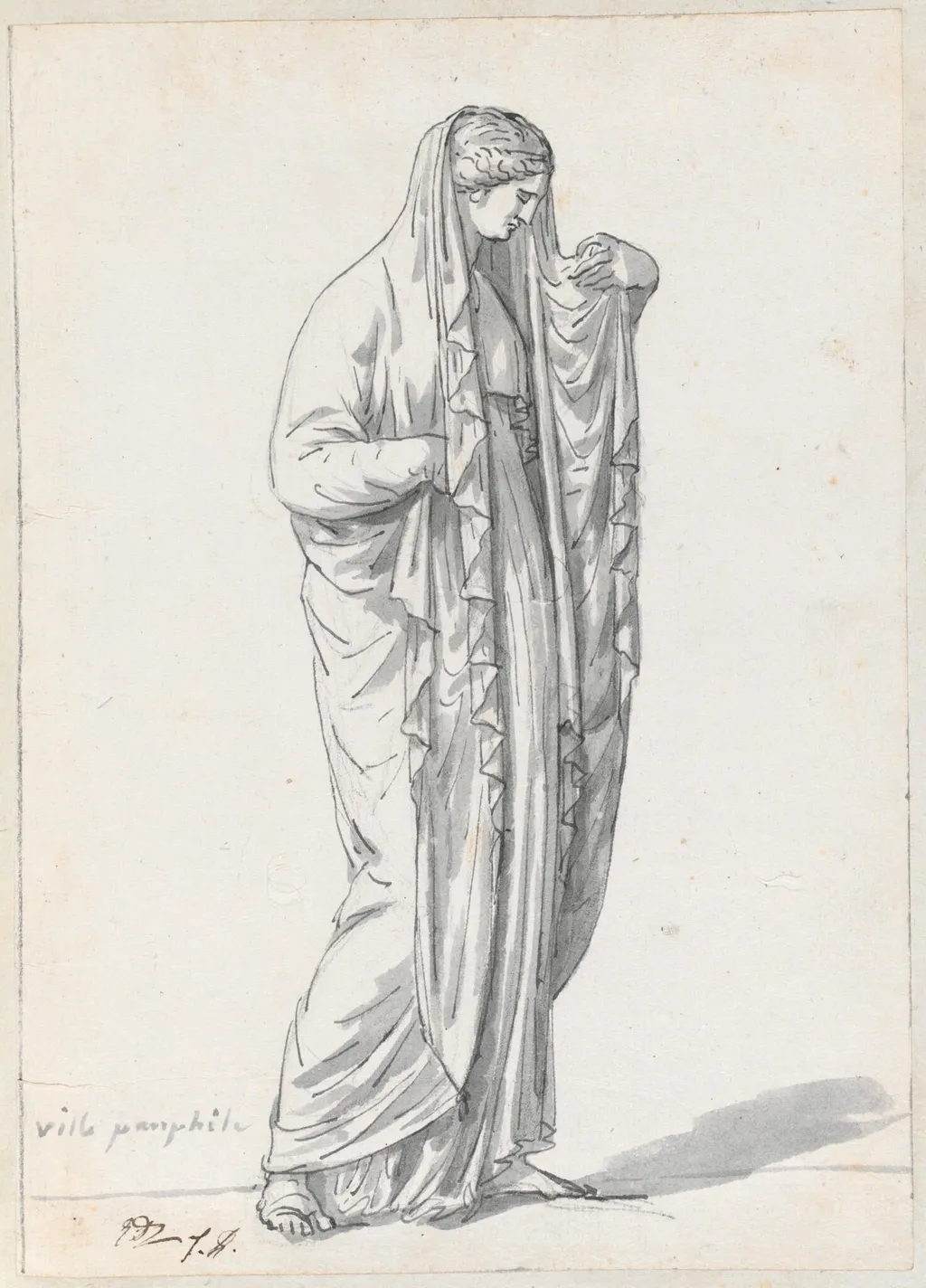
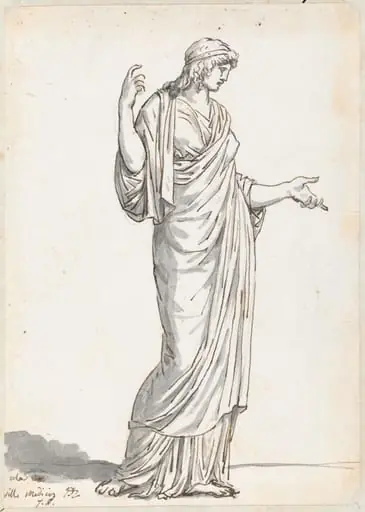
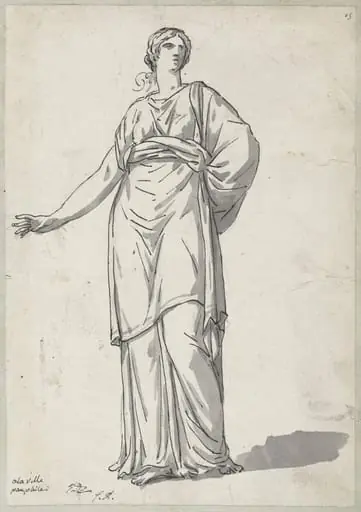
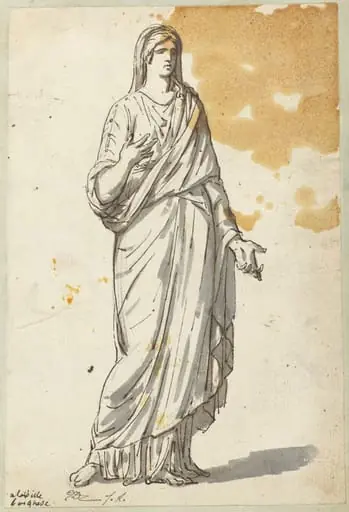
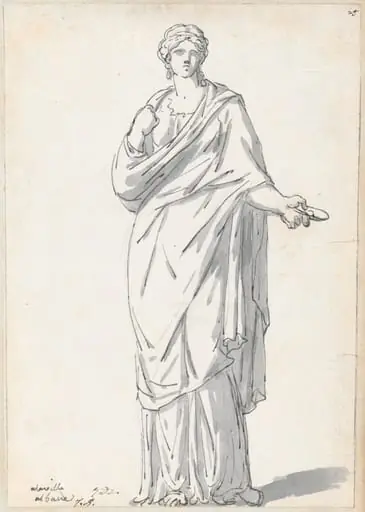
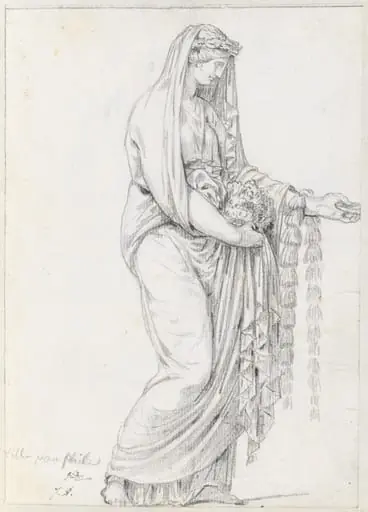
Draped Woman from the Villa Pamphili is an ink drawing by the Neoclassicist artist Jacques-Louis David. It dates from 1778 and is held in the collection of the National Gallery of Art.
About this work
Overview
Jacques‑Louis David’s drawing titled *Draped Woman from the Villa Pamphili* dates to 1778.
Jacques‑Louis David’s drawing titled *Draped Woman from the Villa Pamphili* dates to 1778. Executed on laid paper, the work combines graphite underdrawing with black ink and a gray wash, producing a monochrome image that emphasizes line and tonal variation. The piece belongs to David’s early output, preceding his later Neoclassical triumphs, and reflects an interest in the study of the human figure draped in classical attire.
Subject & Meaning
The composition presents a solitary female figure clothed in a long, flowing garment. She stands upright, her gaze directed downward, while her right hand lifts a portion of the fabric near her face, suggesting a moment of introspection or private adjustment. The careful rendering of the drapery highlights the interplay between concealment and exposure, a theme often explored in academic figure studies of the period.
Technique & Style
David employed a layered approach: an initial graphite sketch establishes the figure’s proportions, followed by precise black ink outlines that define the contours. A subtle gray wash adds depth to the folds, creating a sense of volume without resorting to color. The treatment of light and shadow aligns with the academic drawing tradition, yet the expressive handling of the drapery hints at emerging Romantic sensibilities.
Context
Created while David was still a student at the Royal Academy in Paris, the drawing reflects the artist’s engagement with classical antiquity and the study of anatomy. The reference to Villa Pamphili—a Roman estate known for its classical ruins—situates the work within the broader 18th‑century fascination with ancient sites, which informed many artists’ preparatory studies.
Legacy
Although not as widely reproduced as David’s later historical canvases, the *Draped Woman* illustrates his early mastery of draftsmanship and foreshadows his later interest in heroic subjects. The piece is frequently cited in discussions of the transition from the Enlightenment’s rational classicism toward the more emotive, individualistic concerns that would characterize Romantic art.
Artist & collection

Artist
Jacques-Louis David was born in Paris on 30 August 1748 into a bourgeois family; his father died in a duel when the boy was nine, and a maternal uncle guided his education.

 The Emperor Napoleon in His Study at the Tuileries
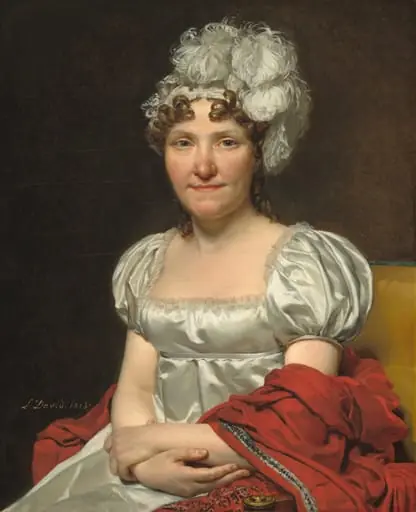 Madame David
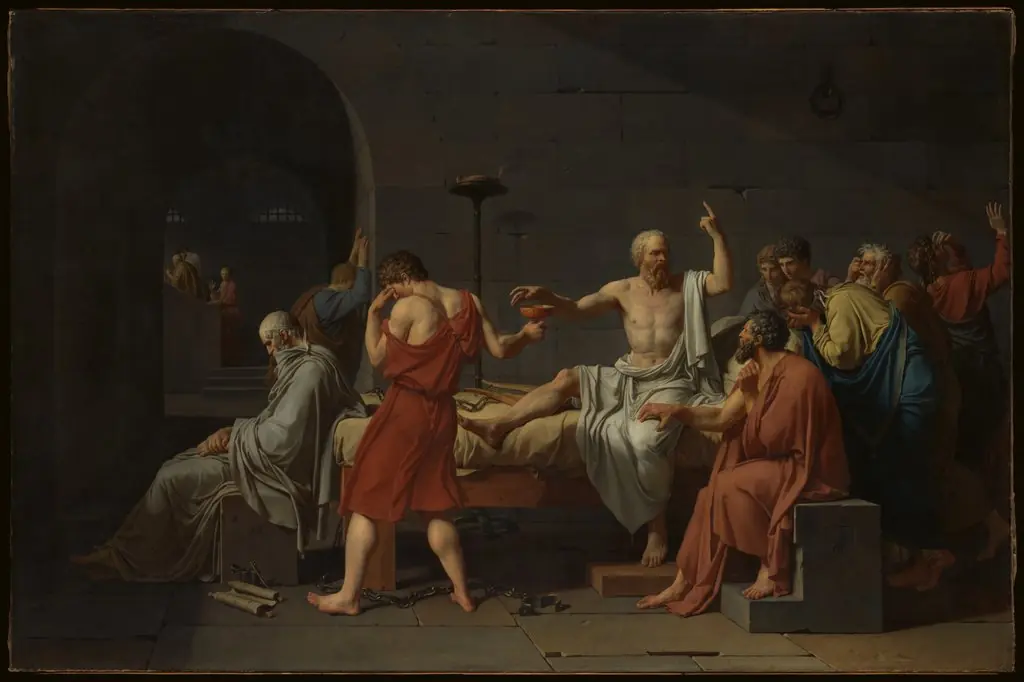 The Death of Socrates
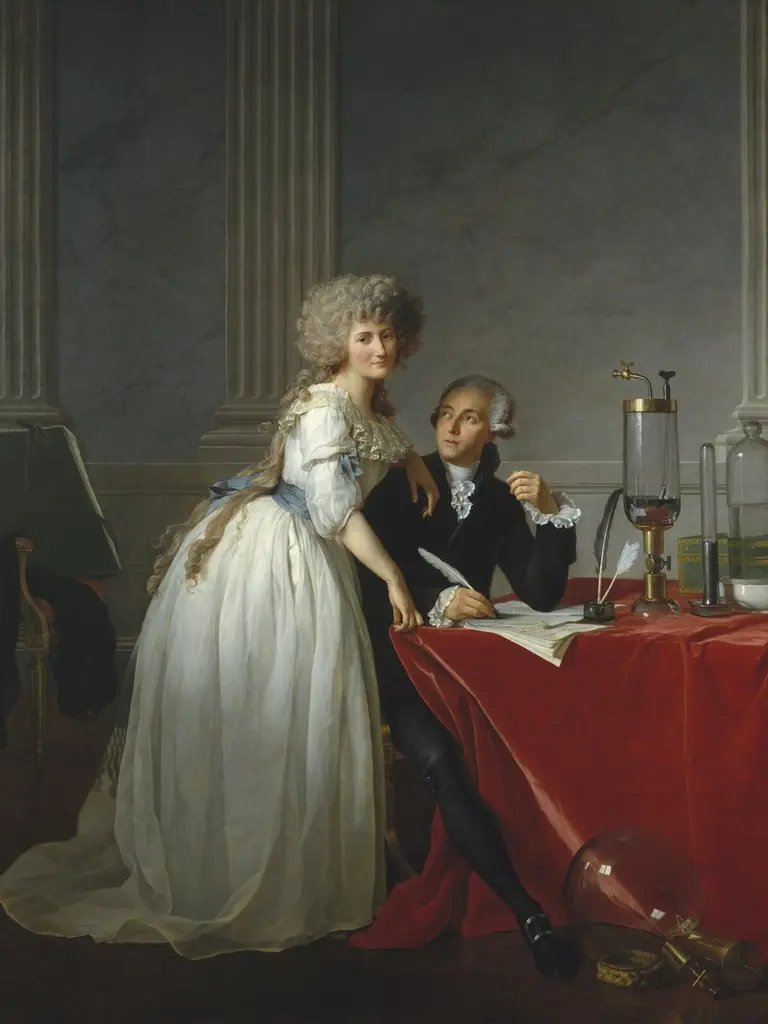 Portrait of Antoine-Laurent Lavoisier and his wife
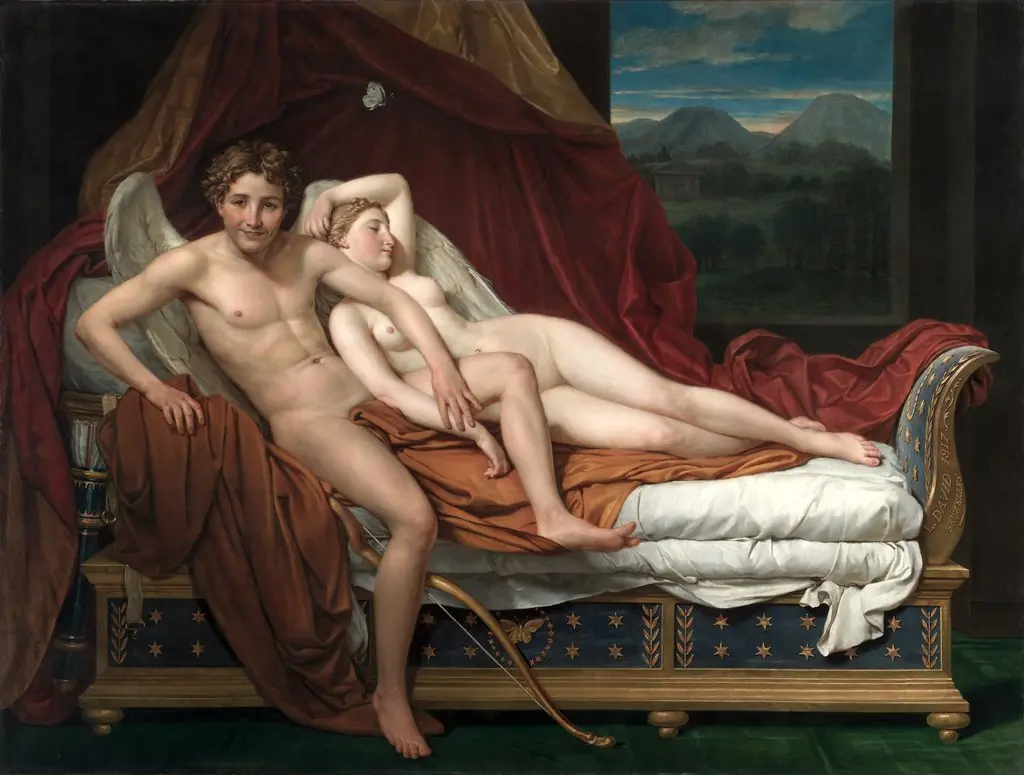 Cupid and Psyche
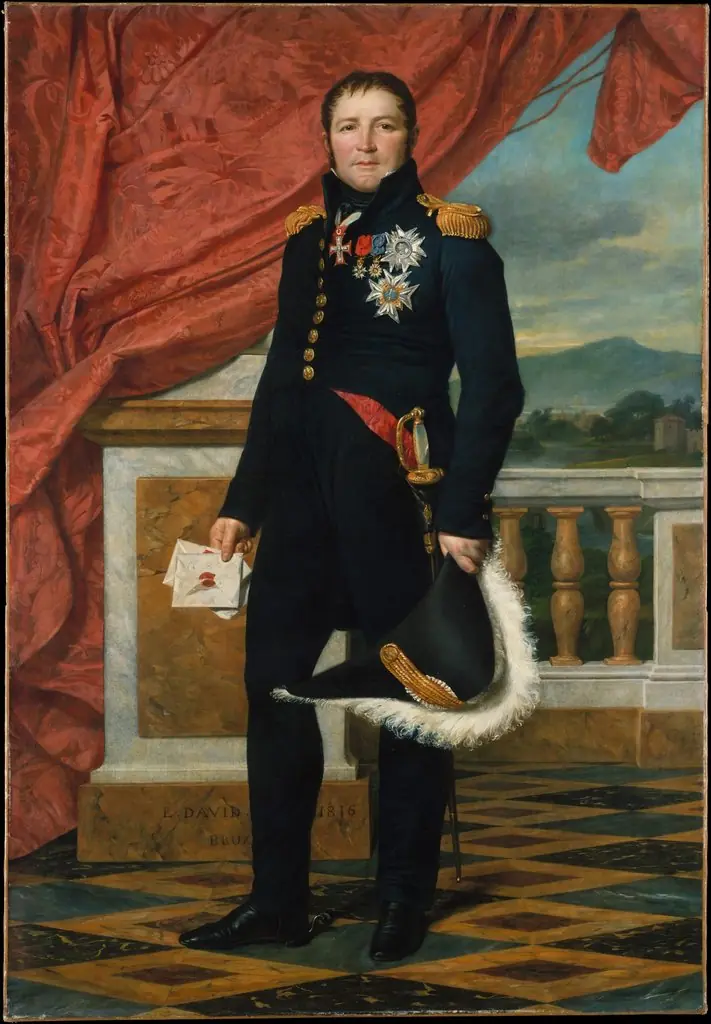 General Étienne-Maurice Gérard (1773–1852), Marshal of France
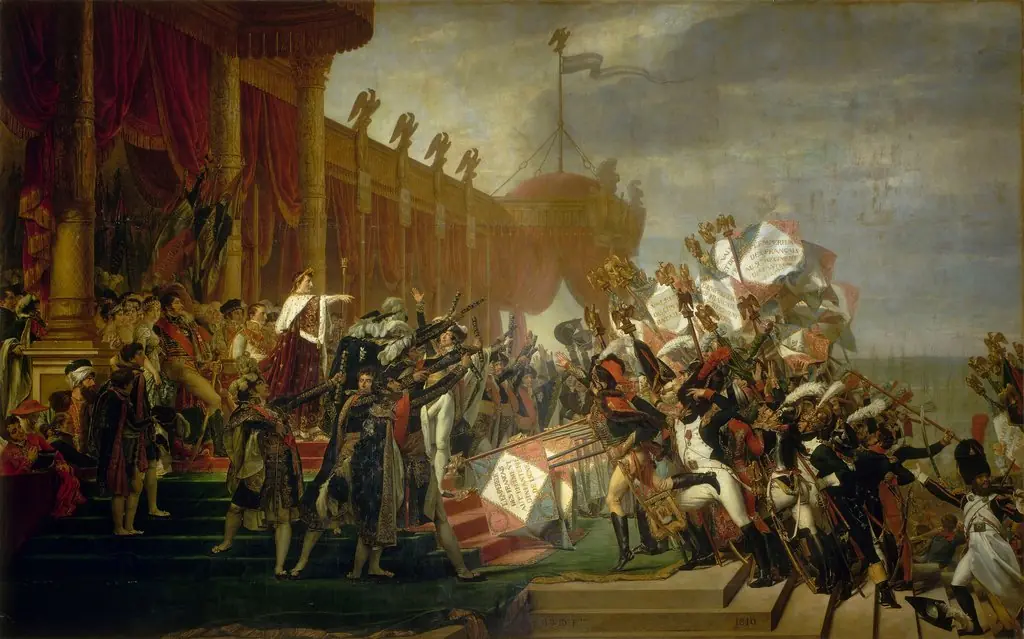 The Distribution of the Eagle Standards
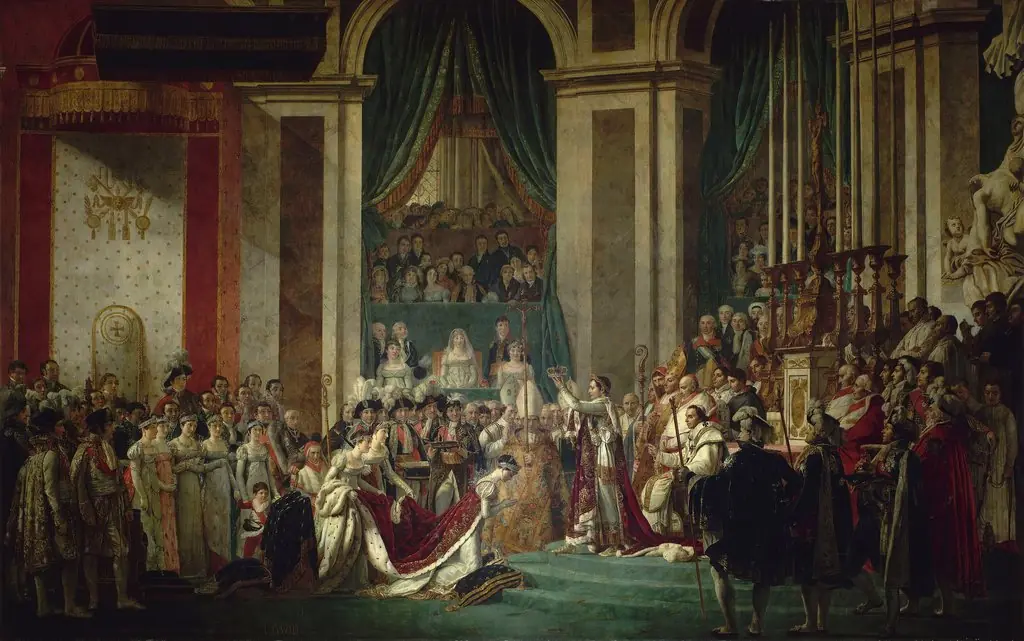 Coronation of Emperor Napoleon I and Coronation of the Empress Josephine