Artwork
Xi'nan Passenger Boat
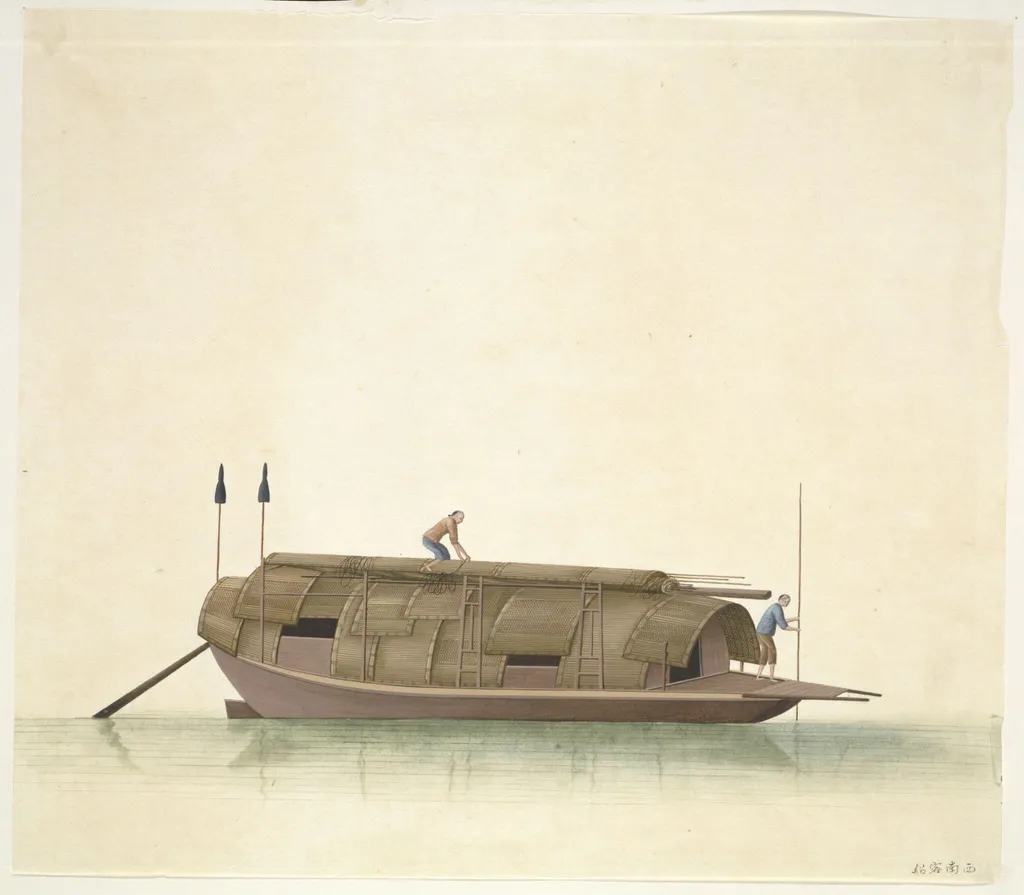
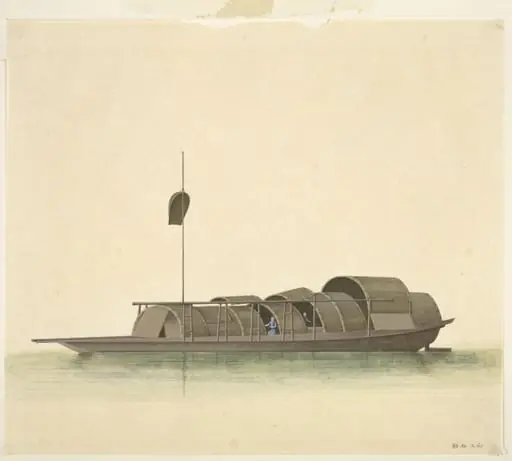
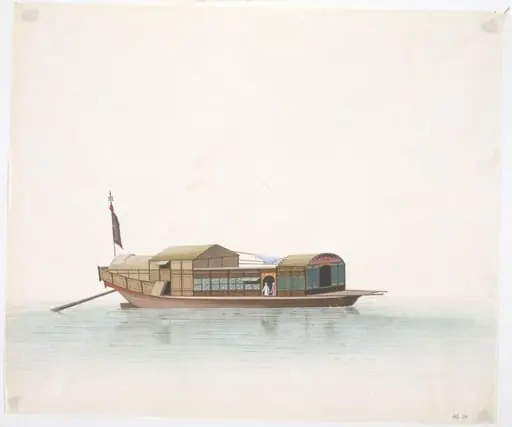
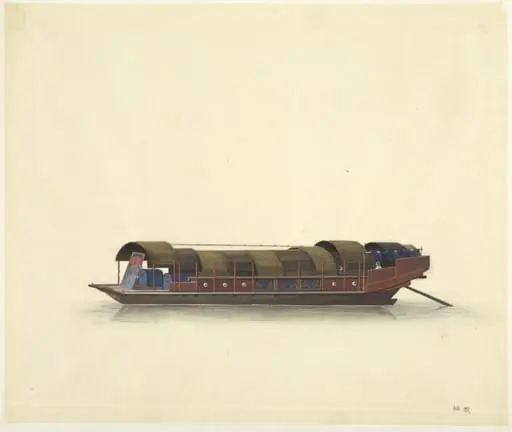
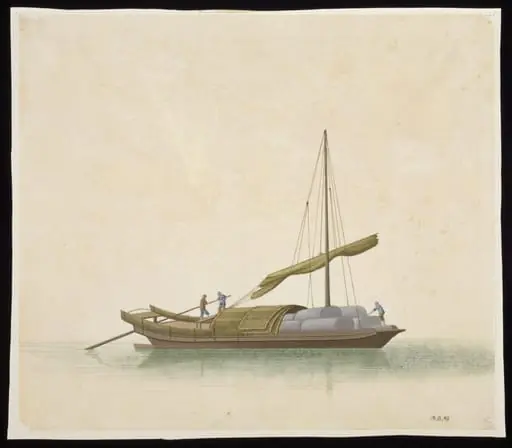
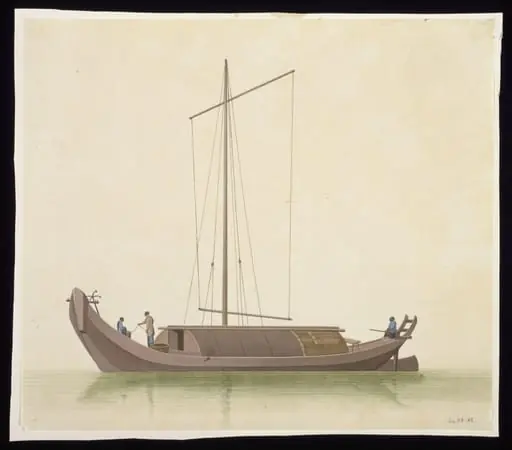
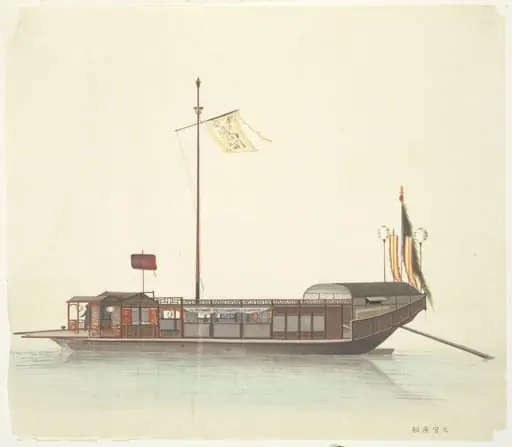
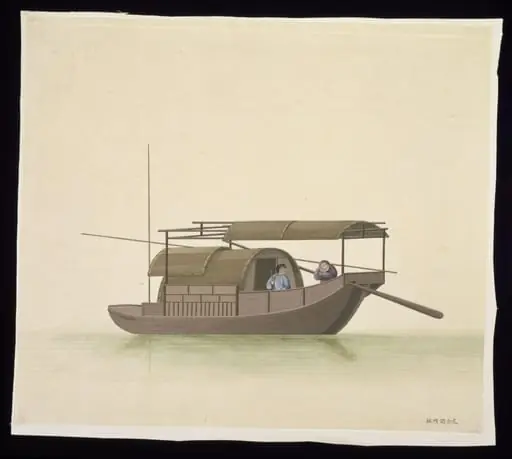
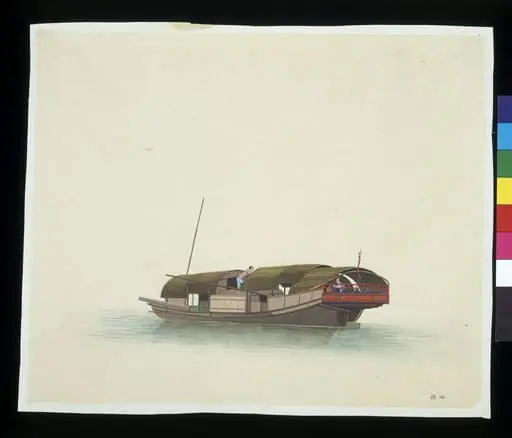
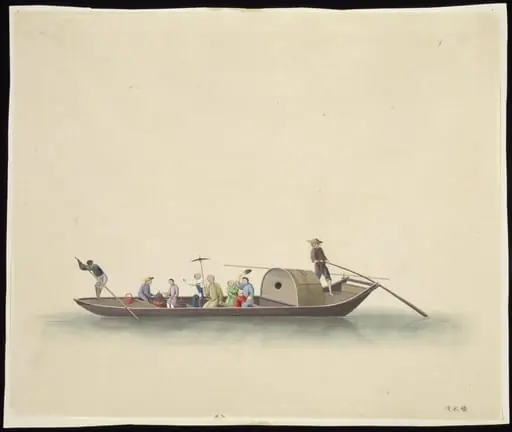
Xi'nan Passenger Boat is a paint painting by the Romanticist artist Unknown. It dates from 1810 and is held in the collection of the Victoria and Albert Museum. The work belongs to a series of fifty paintings that document the diverse vessels navigating the Pearl River in Guangdong.
About this work
Overview
The work belongs to a series of fifty paintings that document the diverse vessels navigating the Pearl River in Guangdong. This particular image captures a passenger boat moving between the town of Xi‑nan and surrounding market settlements. Produced as a commercial souvenir, the piece offers a visual record of river traffic during the late eighteenth‑early nineteenth century.
Subject & Meaning
The composition centers on a crowded waterway, with a modest passenger craft threading through a flotilla of other boats. By highlighting a routine journey between Xi‑nan and nearby counties, the painting reflects the importance of riverine transport for commerce and daily life in the region, emphasizing the river as a vital conduit for movement and exchange.
Technique & Style
Executed in a straightforward, representational manner, the painting employs clear outlines and modest coloration to delineate hulls, rigging, and shoreline features. The style aligns with utilitarian souvenir production, favoring recognizable detail over artistic flourish, enabling rapid replication for a market of travelers and collectors seeking tangible reminders of their voyages.
History & Provenance
The work later entered museum collections, including the Victoria and Albert Museum, as an example of early cross‑cultural visual documentation.
The series was created during a period when Western visitors, such as Lord George Macartney, documented Chinese riverine scenes. Macartney’s 1793 observations described the Canton River as densely packed with vessels of all sizes, a condition echoed in this visual record. The work later entered museum collections, including the Victoria and Albert Museum, as an example of early cross‑cultural visual documentation.
Context
At the turn of the nineteenth century, the Pearl River served as a major artery for trade in southern China, linking inland towns with coastal ports. The proliferation of souvenir paintings like this one catered to foreign diplomats, merchants, and tourists eager to acquire images of the bustling waterways that shaped regional economies and daily routines.
Artist & collection

 Domestic Scene
 Giacomo and Cardinal Marco, investing Andrea, Abbot of San Zeno, with his Benefice
 The Nymph of Fontainebleau
 Portrait of a Woman
 Madonna and Child with Saints in the Enclosed Garden
 Venus and Minerva
 Family Group of Four on Sofa
 Wall painting from Room H of the Villa of P. Fannius Synistor at Boscoreale