Artwork
Cotton Ferry
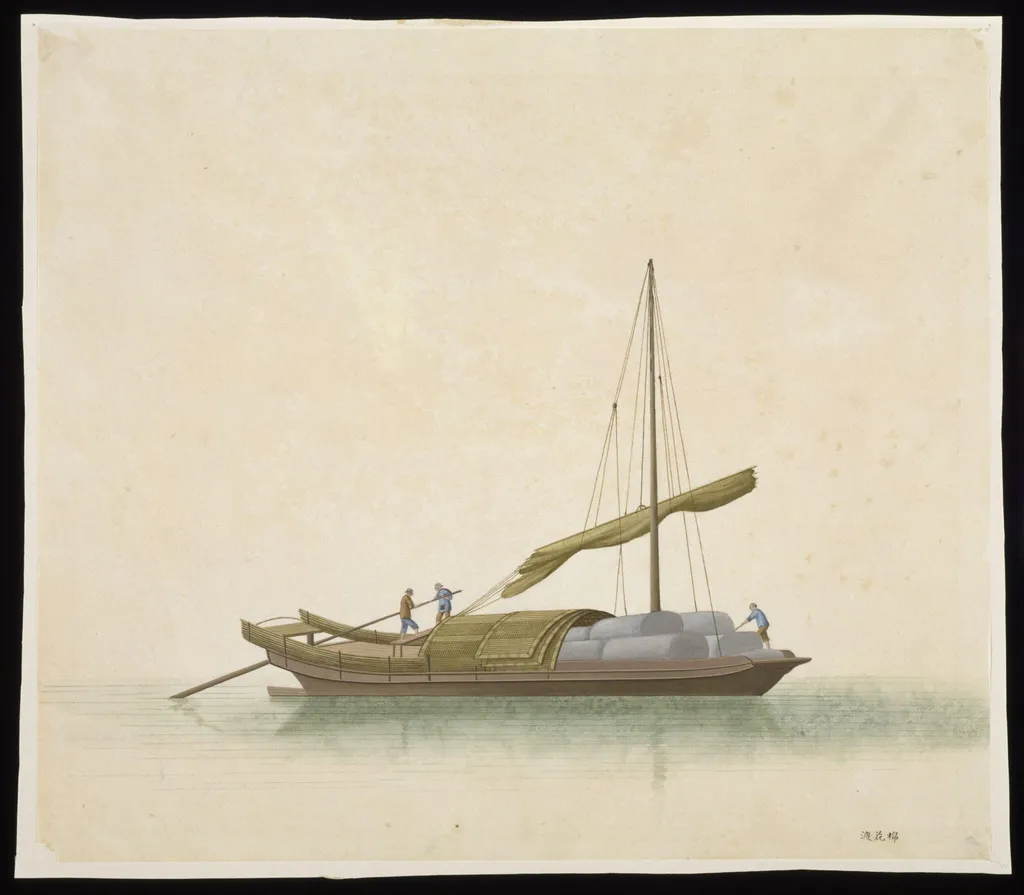
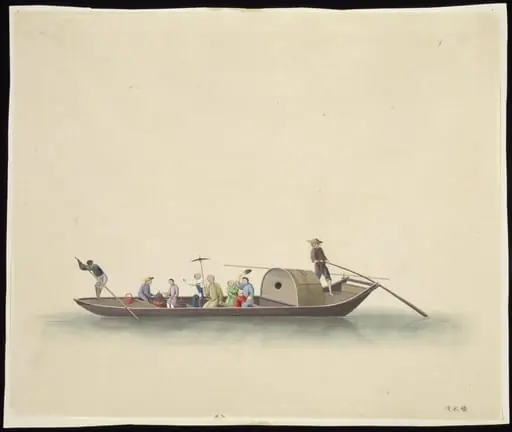
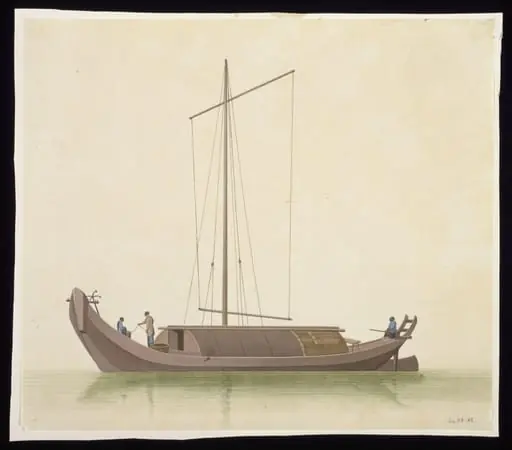
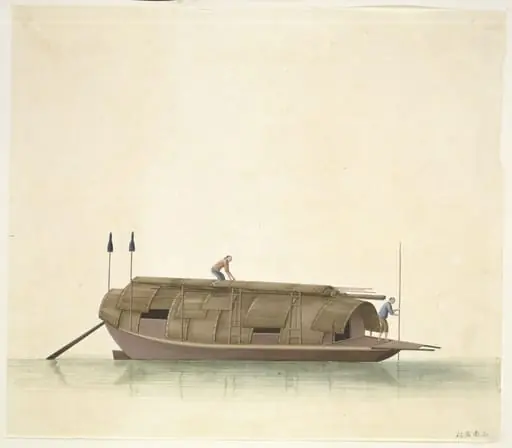
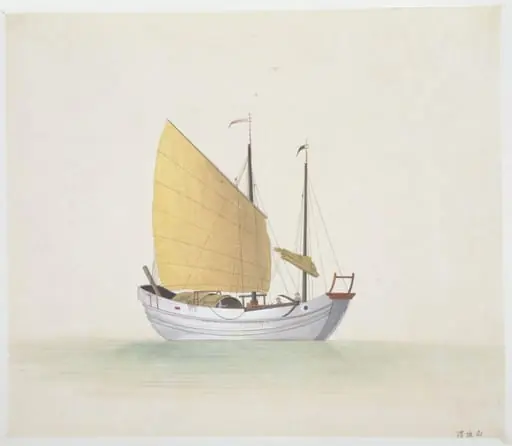
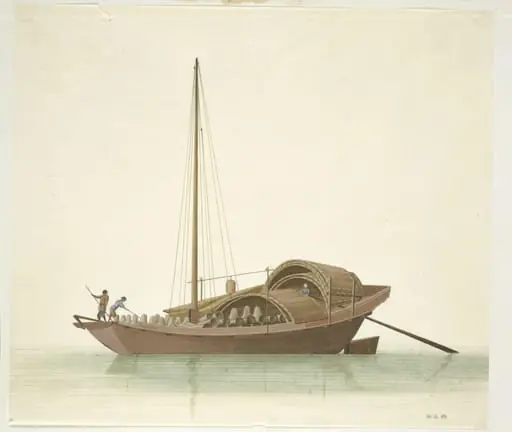
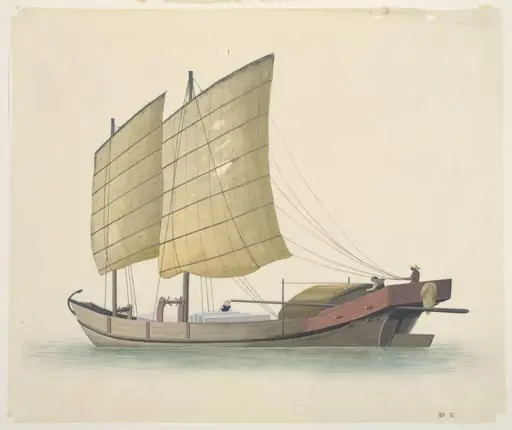
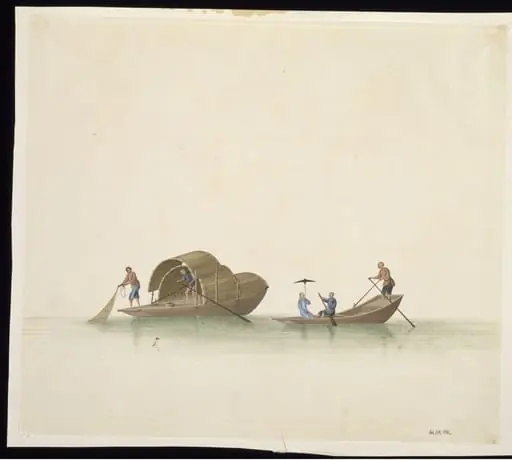
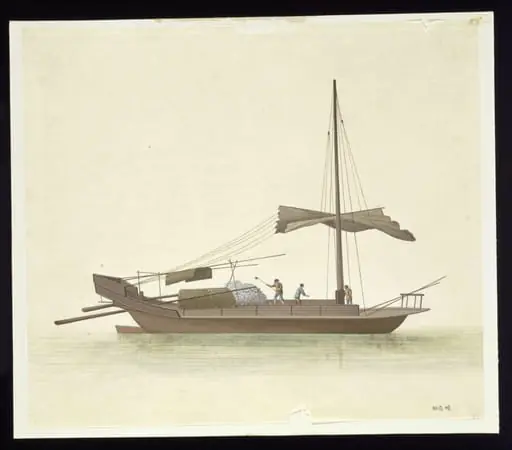
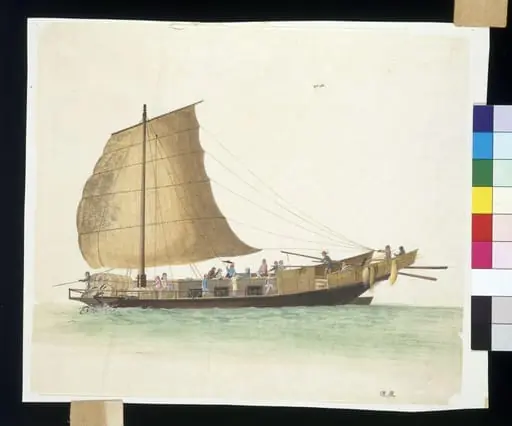
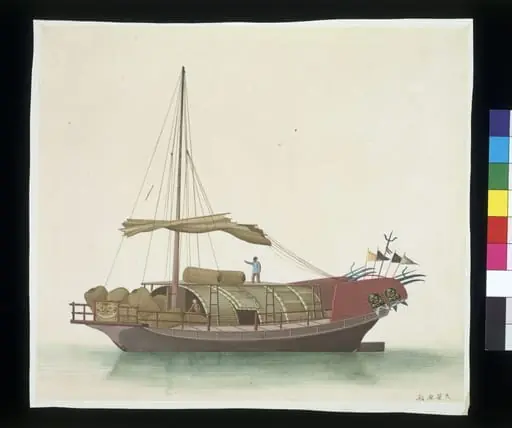
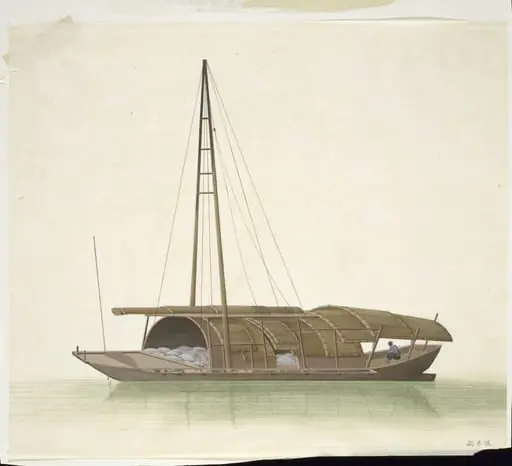
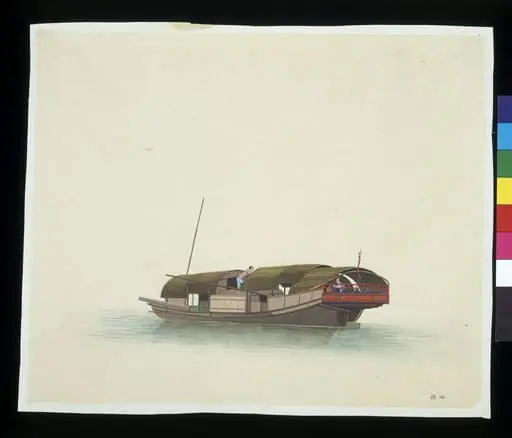
Cotton Ferry is a paint painting by the Realist artist Unknown. It dates from 1810 and is held in the collection of the Victoria and Albert Museum. This painting is one of fifty works in a series illustrating river vessels along the Pearl River near Canton.
About this work
Overview
Produced for foreign traders and travelers, these images served as souvenirs, offering visual records of daily river life in late 18th-century southern China.
This painting is one of fifty works in a series illustrating river vessels along the Pearl River near Canton. Each piece captures a specific type of boat, here a ferry carrying cotton. Produced for foreign traders and travelers, these images served as souvenirs, offering visual records of daily river life in late 18th-century southern China. The series reflects a commercial art tradition tailored to Western audiences.
Subject & Meaning
The scene depicts a functional ferry transporting cotton, a key commodity in regional trade. The vessel is shown amid a dense array of other boats, illustrating the river’s role as a bustling transport corridor. The presence of habitation on even the smallest craft, as noted by Lord Macartney, underscores the integration of living and working spaces in riverine society. The image conveys economic activity rather than ceremonial or symbolic intent.
Technique & Style
The painting employs clear outlines and flat areas of color, typical of export art produced for Western markets. Unlike European oil techniques such as sfumato, it avoids subtle gradations and atmospheric depth. Instead, it favors legibility and decorative clarity, prioritizing the accurate representation of vessel types over illusionistic space. This approach aligns with the practical purpose of the series as visual documentation.
History & Provenance
The series was likely created in Canton during the late 1700s for foreign visitors, including British envoys like Lord Macartney. His written observations corroborate the visual record, confirming the density and variety of river traffic. These paintings were not commissioned as fine art but produced in quantity for sale, making them accessible artifacts of cross-cultural exchange during the early phase of Sino-British contact.
Context
The Pearl River was a vital artery of trade, linking Canton to inland regions and foreign ships. The proliferation of boats—many permanently inhabited—reflected both economic necessity and limited urban space. The export paintings emerged within a broader tradition of Chinese artists adapting their style to meet foreign demand, documenting a world shaped by commerce, migration, and maritime logistics.
Legacy
These paintings remain valuable as ethnographic records, preserving details of riverine life that written accounts alone cannot convey. They offer insight into how Chinese artisans responded to global markets, blending local subject matter with accessible visual forms. Today, they contribute to understanding the material culture of Qing-era trade and the early encounters between China and the West.
Artist & collection

 Domestic Scene
 Giacomo and Cardinal Marco, investing Andrea, Abbot of San Zeno, with his Benefice
 The Nymph of Fontainebleau
 Portrait of a Woman
 Madonna and Child with Saints in the Enclosed Garden
 Venus and Minerva
 Family Group of Four on Sofa
 Wall painting from Room H of the Villa of P. Fannius Synistor at Boscoreale