Artwork
Self-portrait
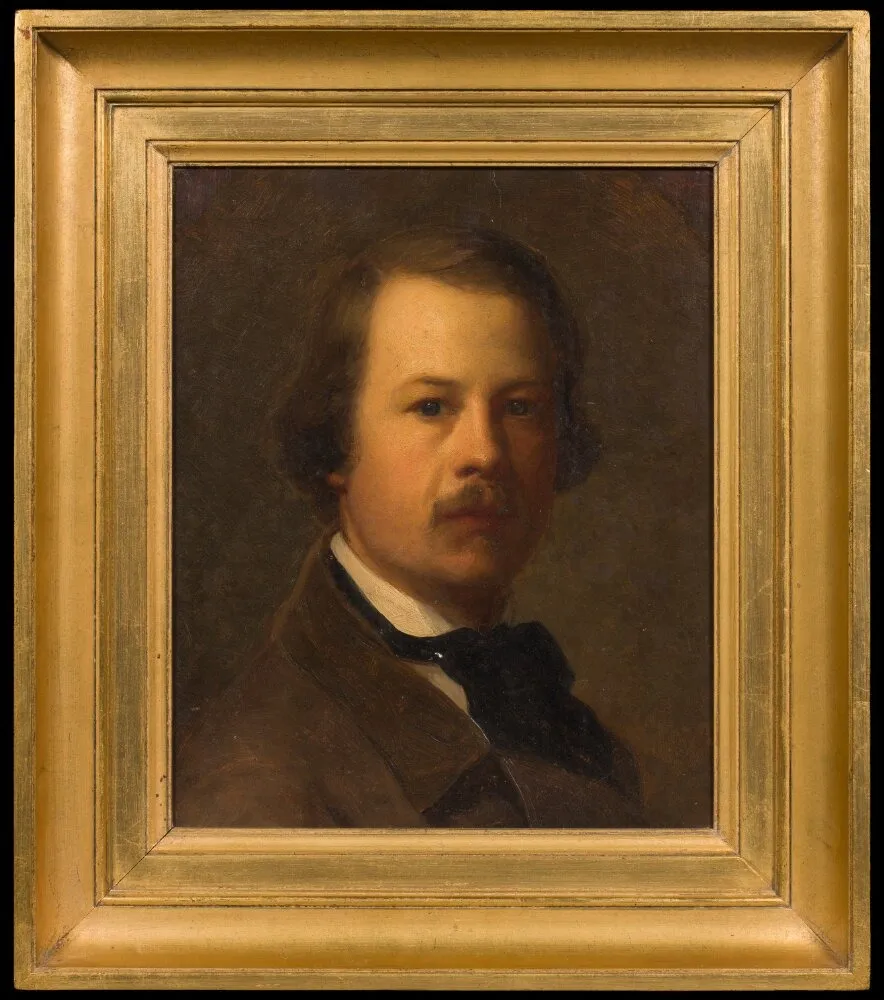
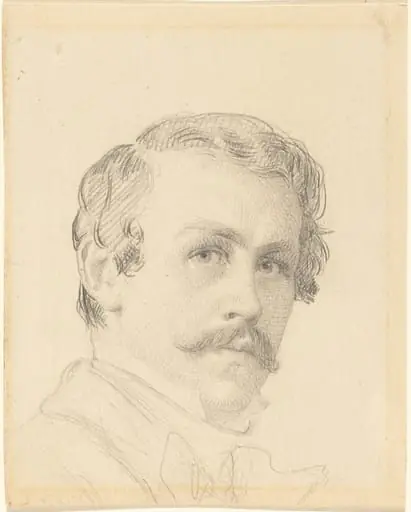
Self-portrait is an unspecified painting by the Biedermeier artist Uno Troili. It dates from 1850 and is held in the collection of the Nationalmuseum.
About this work
Overview
Created around the middle of the 19th century, this self‑portrait by Swedish artist Uno Troili presents the painter in a restrained composition. The work is part of the Nationalmuseum’s collection, where it is displayed as an example of mid‑century portraiture focusing on the individual’s visage rather than elaborate surroundings.
Subject & Meaning
The canvas features Troili himself, rendered with a modest mustache and tightly curled hair, dressed in a dark coat trimmed with a light‑colored collar. His head is turned slightly away from the viewer, a pose that lends a quiet introspection and emphasizes the personal nature of the work as a direct visual statement from the artist.
Technique & Style
Soft, blended brushstrokes create a seamless transition of tones across the figure, while a focused light source illuminates the face against a plain, dark background. This handling of light and shadow produces a subtle chiaroscuro effect, giving the portrait a three‑dimensional presence without relying on detailed textures or decorative elements.
History & Provenance
The painting was executed circa 1850, a period when Troili was establishing his reputation in Sweden. It entered the Nationalmuseum’s holdings at an early stage, where it has remained in the permanent collection, serving as a reference point for scholars studying the artist’s self‑representation and the broader trends of Swedish portraiture of the era.
Artist & collection

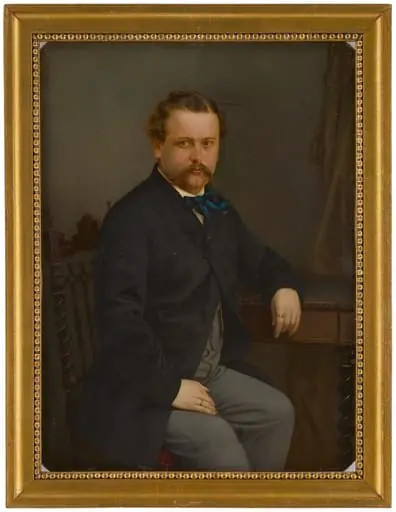
 K. J. Edelsköldin muotokuva
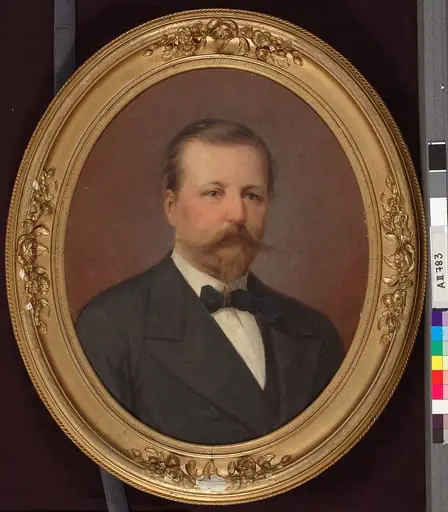
 Oberförster Ferdinand Kopp
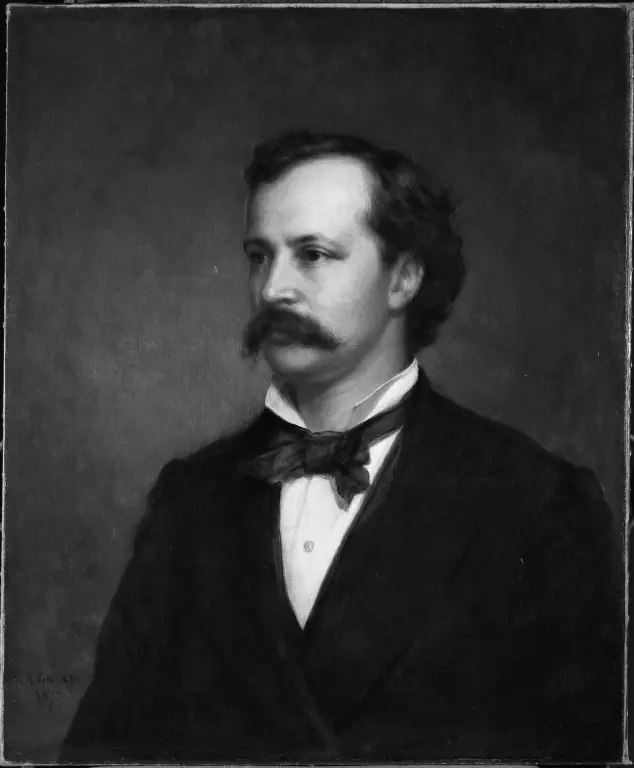 John Claflin Southwick
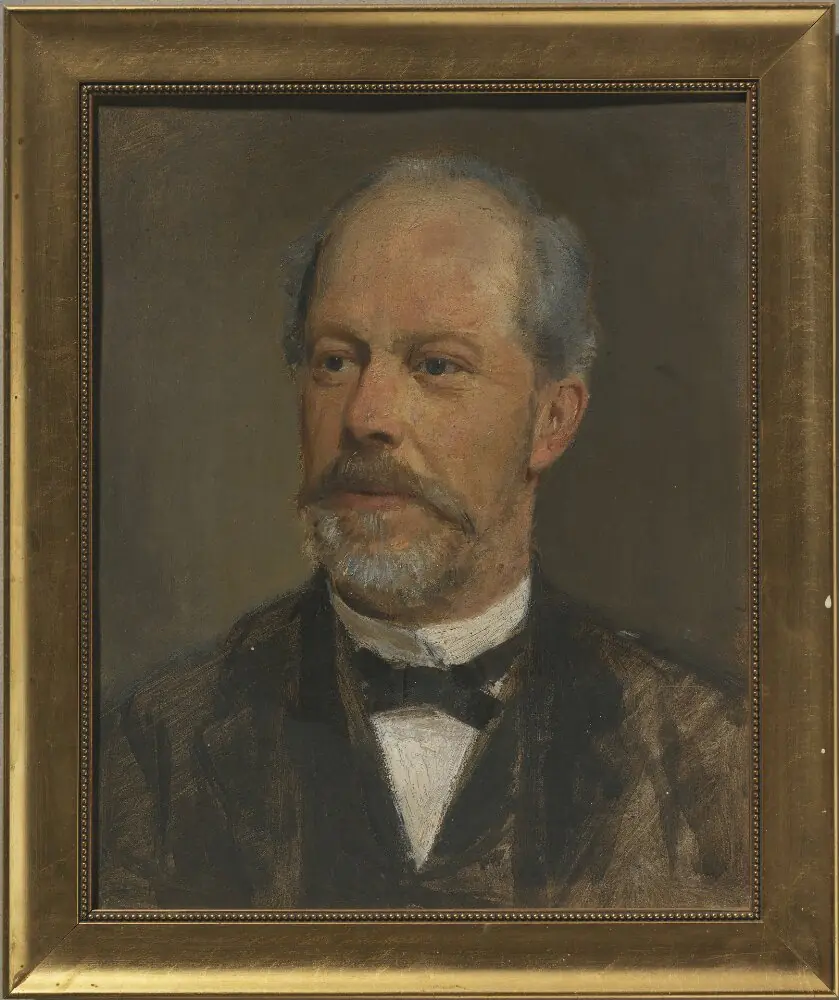 Gustaf Jakob Edelstam (1831-1892), jur.dr., landshövding i Kalmar län, hovrättsassessor, gift med Eva Carolina Gustava von Post
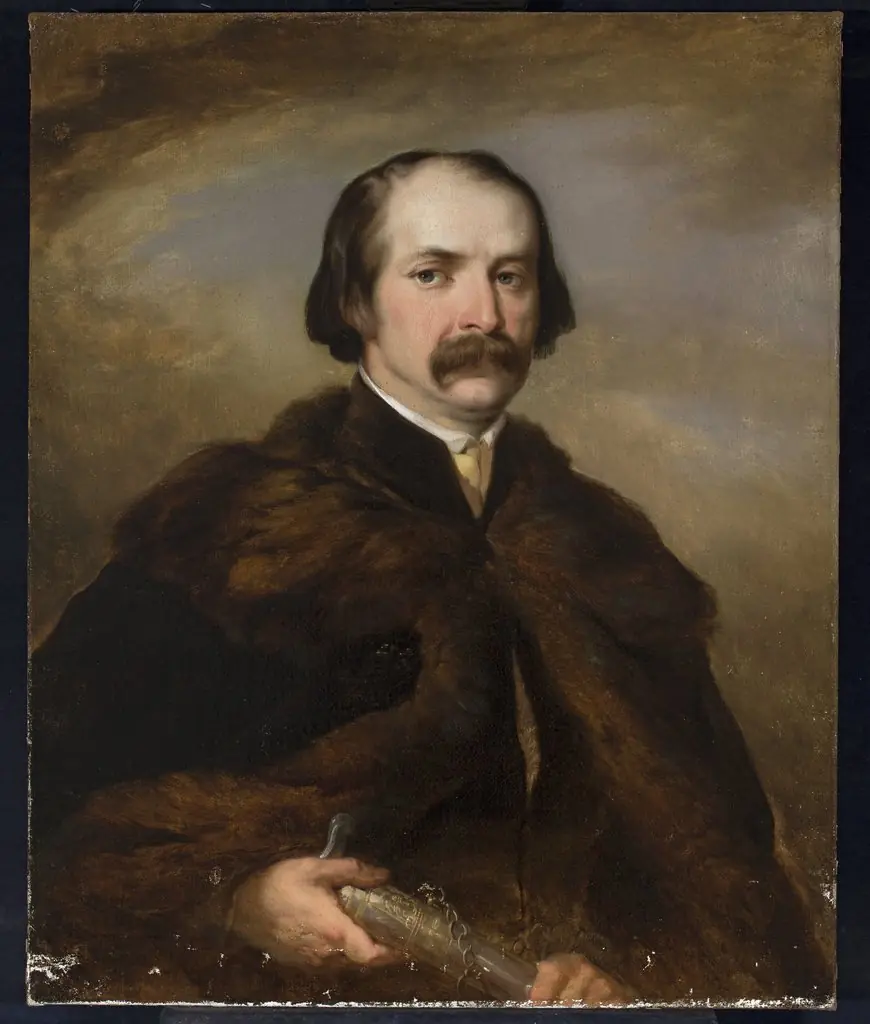 Portrait of a nobleman in the delia coat
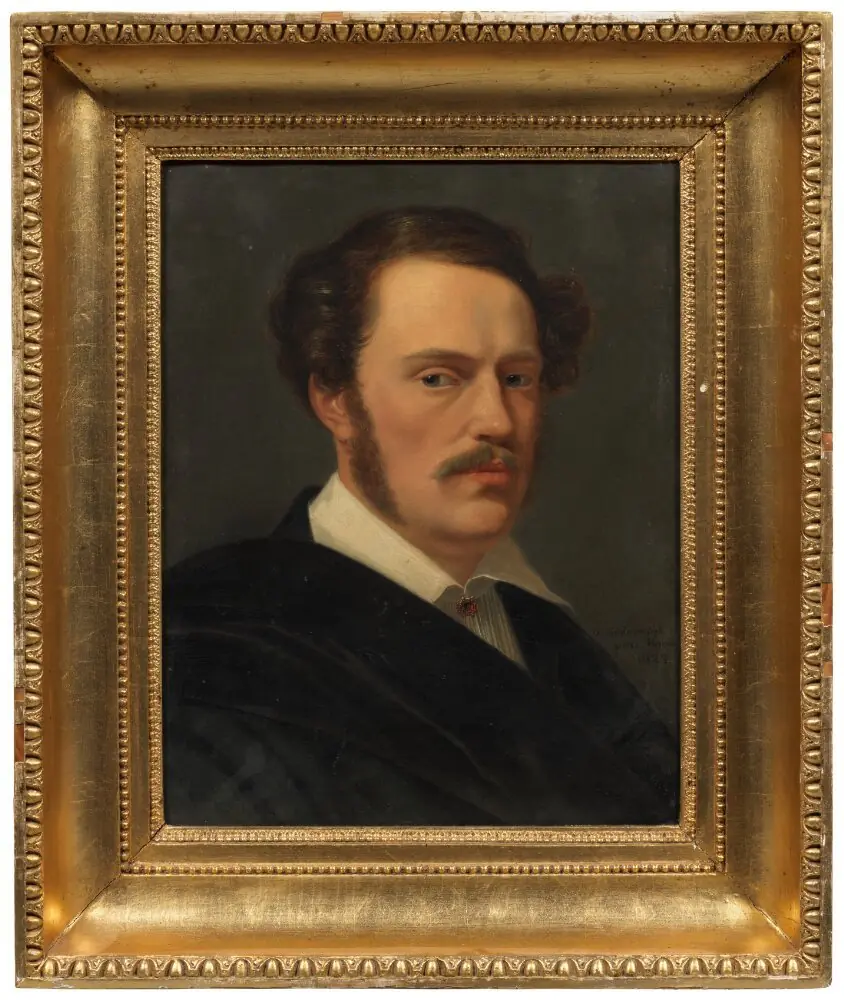 Presumed Self Portrait
 Self-Portrait
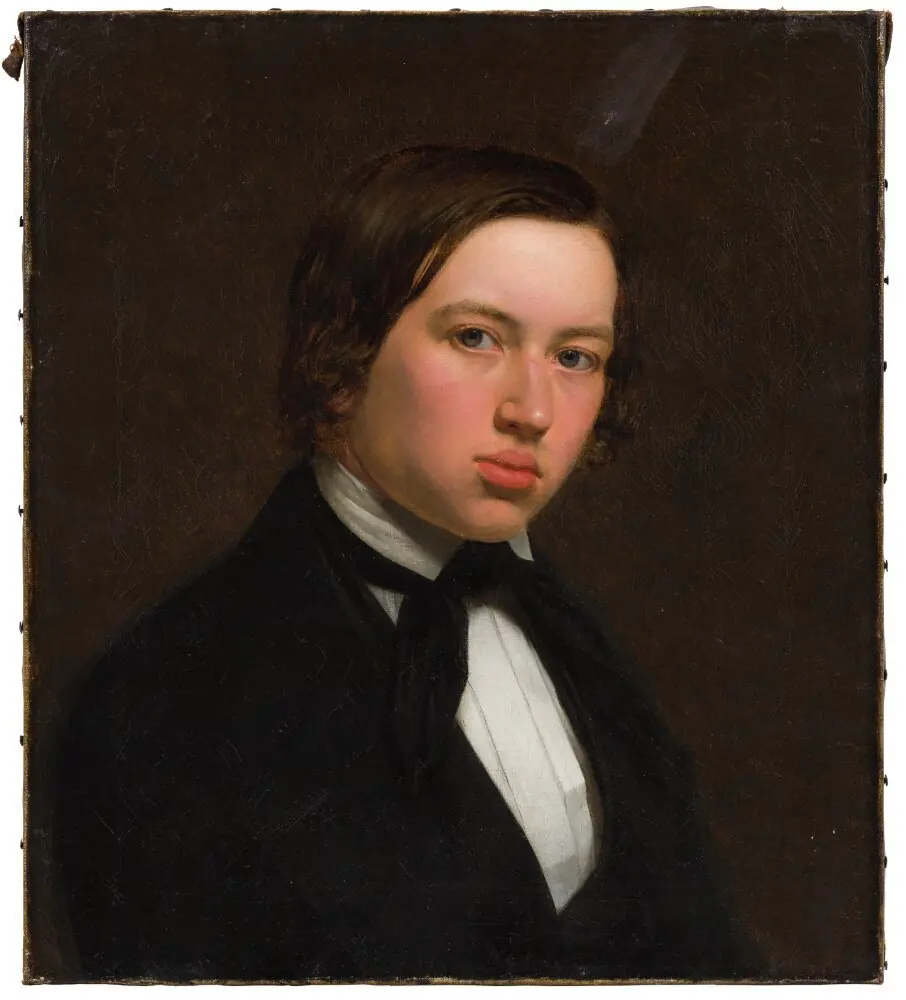 Presumed Self-Portrait
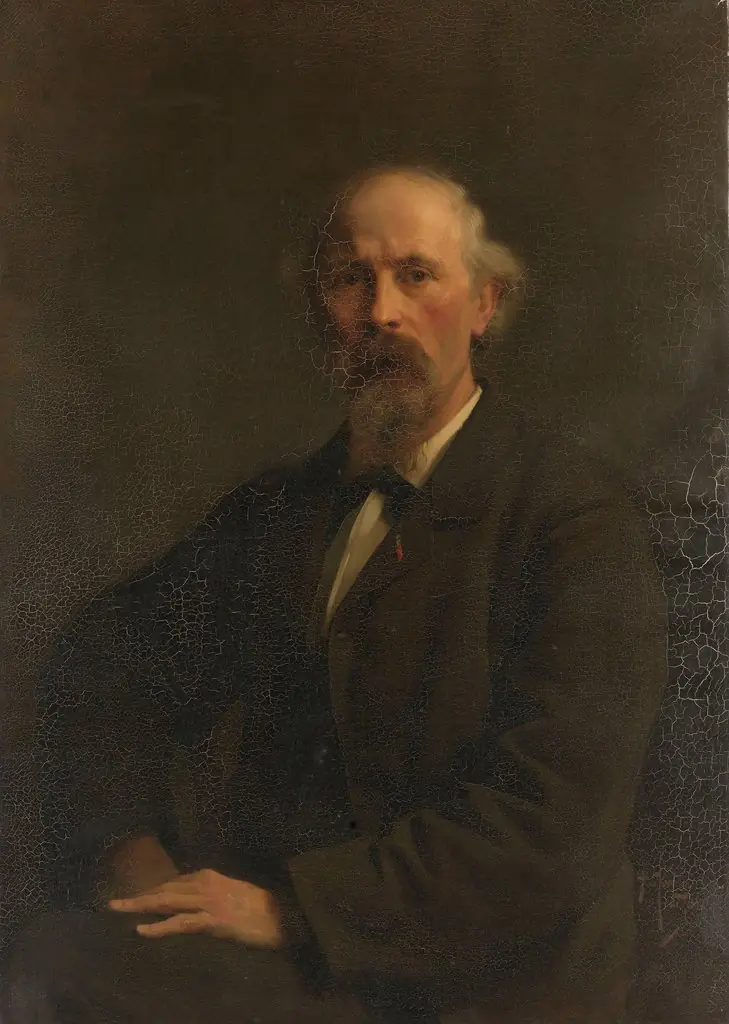 Portret van Pieter Stortenbeker (1828-1898), kunstschilder
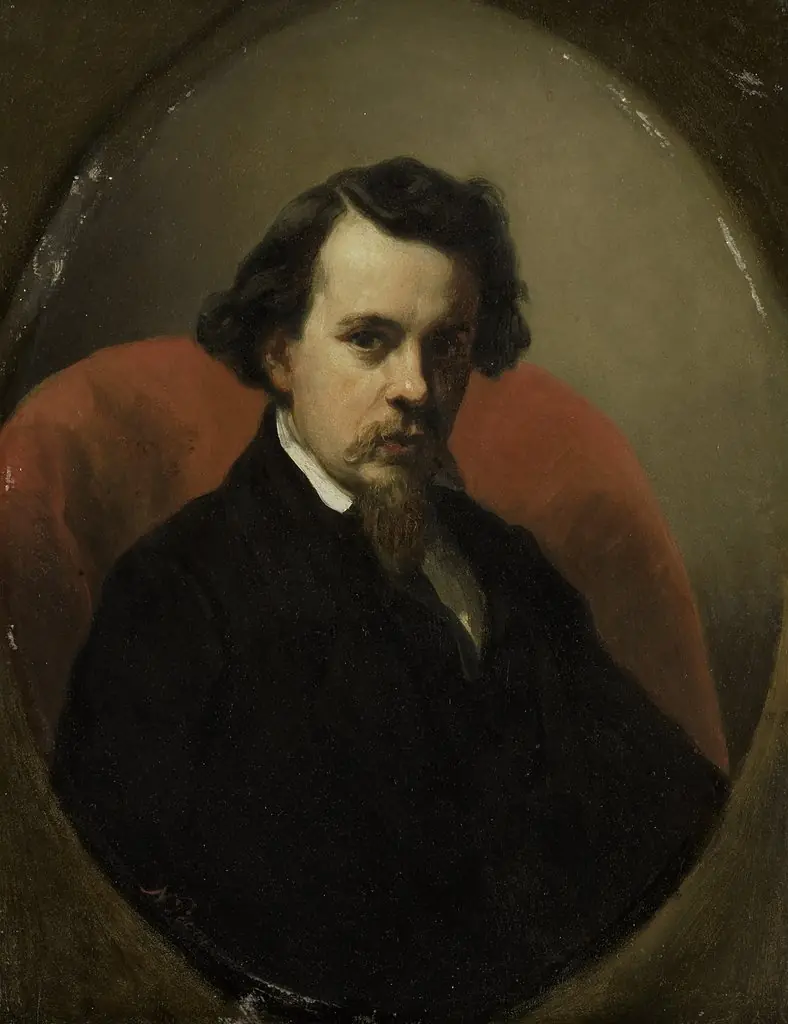 Portrait of Charles Henri Joseph Leicker, Painter
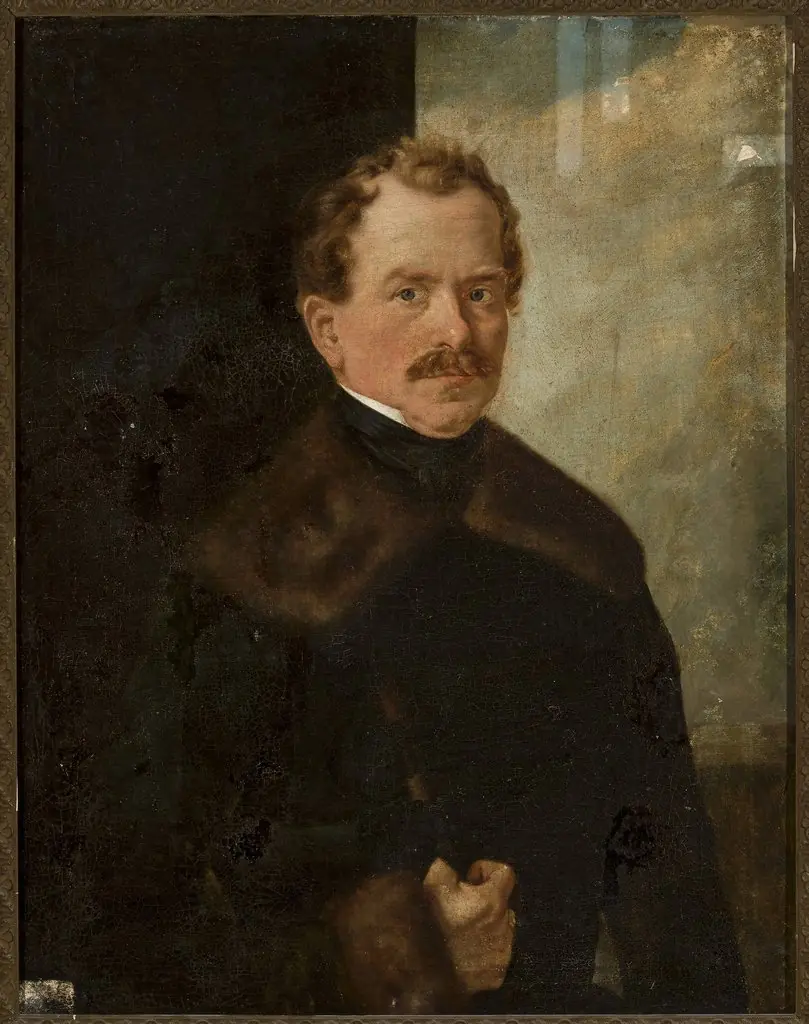 Portrait of Gracjan Rudowski
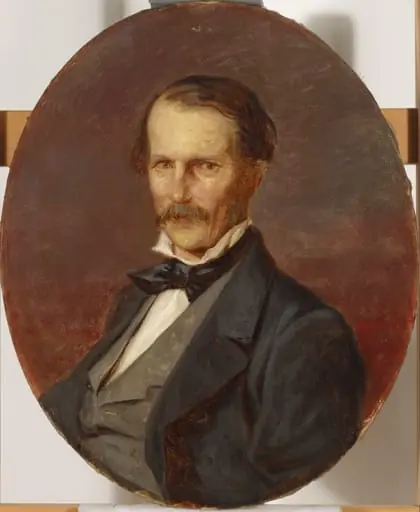 Magnus von Wrightin muotokuva