Artwork
John Claflin Southwick
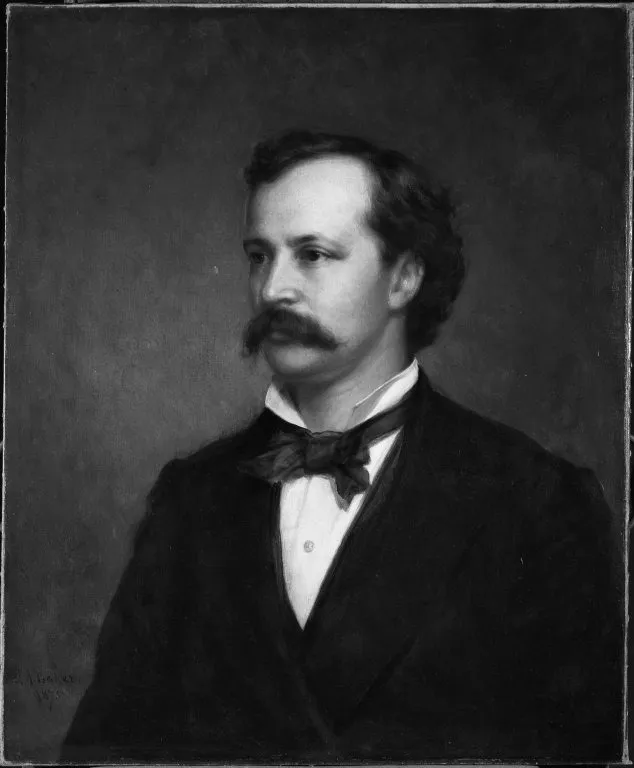
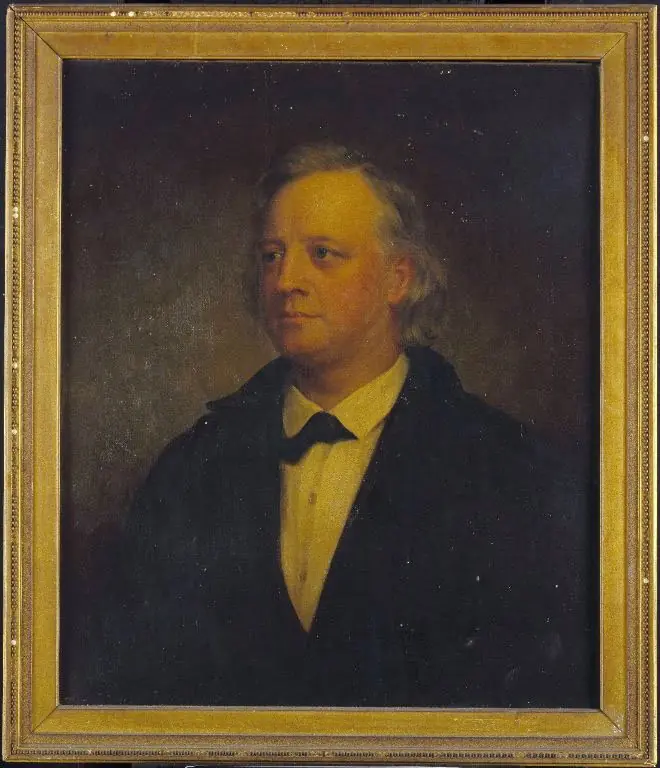
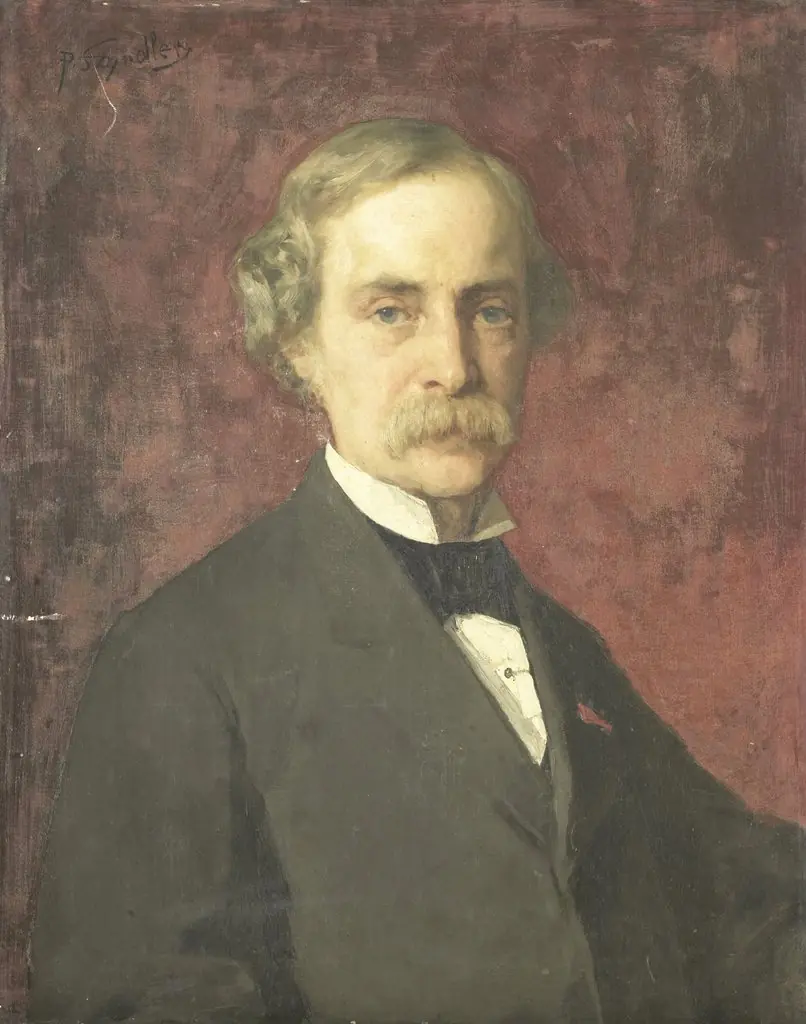
John Claflin Southwick is an oil painting by the Realist artist George Augustus Baker. It is held in the collection of the Brooklyn Museum.
About this work
Overview
The work is part of the Brooklyn Museum’s collection and represents a typical mid-19th-century American portrait, emphasizing dignity and restraint.
Painted in 1869 by George Augustus Baker, this oil portrait depicts John Claflin Southwick, a figure of modest public standing. The work is part of the Brooklyn Museum’s collection and represents a typical mid-19th-century American portrait, emphasizing dignity and restraint. The composition focuses on the sitter’s presence without elaborate surroundings, reflecting the era’s preference for sober, personal representation.
Subject & Meaning
John Claflin Southwick is portrayed with quiet composure, his dark hair and mustache framed by a formal black suit and bow tie. The absence of symbolic objects or contextual cues suggests an emphasis on personal identity rather than social status or profession. His subdued expression conveys introspection, aligning with Victorian ideals of reserved character and moral seriousness.
Technique & Style
Baker employs a restrained palette and smooth brushwork to render the sitter’s face with careful attention to texture and light. The dark background isolates Southwick, directing focus to his features and attire. The painting’s precision in facial modeling and fabric detail reflects academic training, while the overall tonality remains muted, avoiding theatricality in favor of quiet realism.
History & Provenance
The painting entered the Brooklyn Museum’s collection in the early 20th century, though its earlier ownership history remains undocumented. It was likely commissioned by Southwick’s family or associates shortly after its completion in 1869. No records indicate public exhibition prior to its acquisition by the museum, suggesting it remained in private hands for decades.
Context
In the late 1860s, American portraiture favored straightforward depictions of individuals, often commissioned by middle- and upper-class families. Artists like Baker, trained in traditional methods, catered to this demand for dignified likenesses. The absence of grandeur in this portrait reflects a cultural shift toward personal authenticity over aristocratic display.
Legacy
While not widely known outside regional collections, the portrait stands as a representative example of Baker’s work and the broader genre of 19th-century American portraiture. It contributes to the understanding of how ordinary citizens were visually memorialized during a period of social and economic transformation in the United States.
Artist & collection

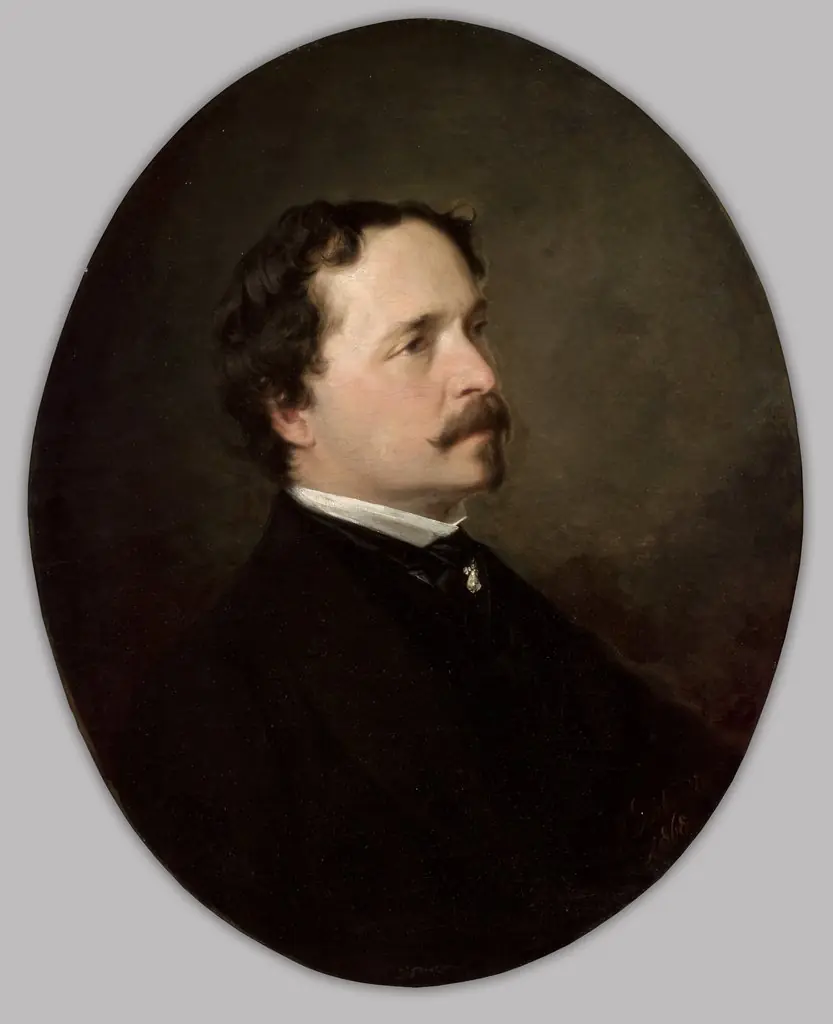 Portrait of Kornel Ujejski
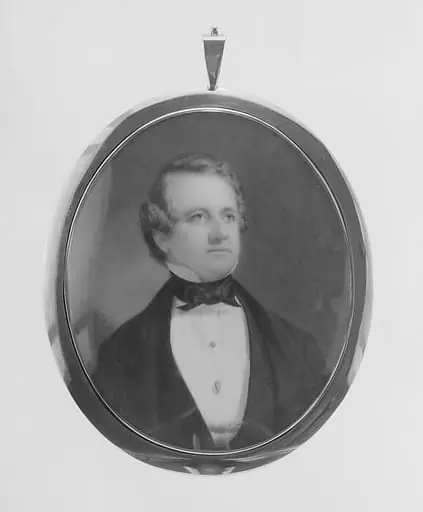 Portrait of a Gentleman
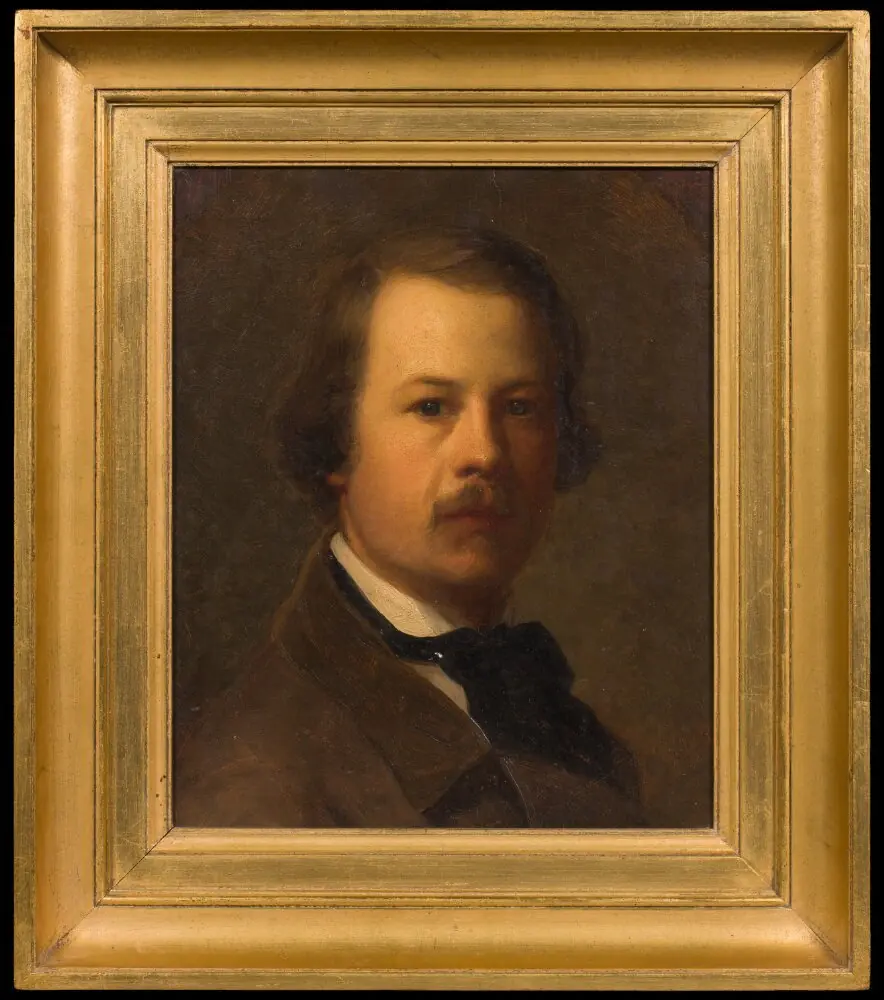 Self-portrait
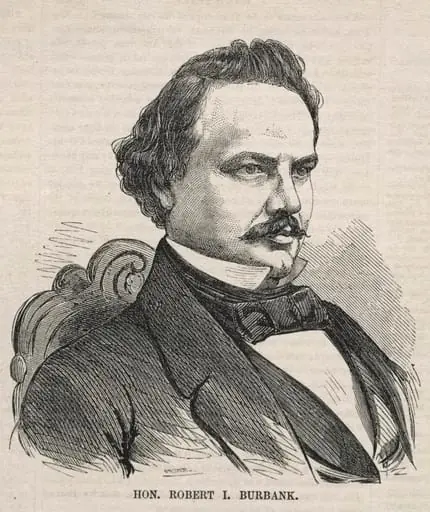 Hon. Robert I. Burbank
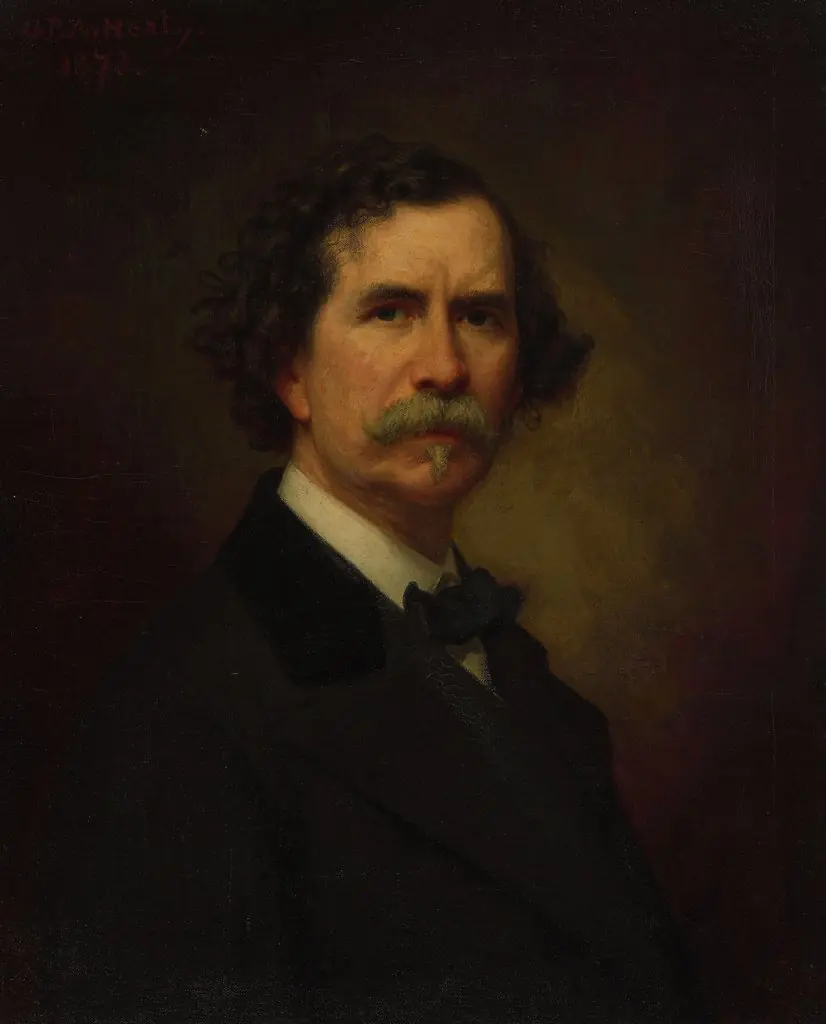 Self-Portrait
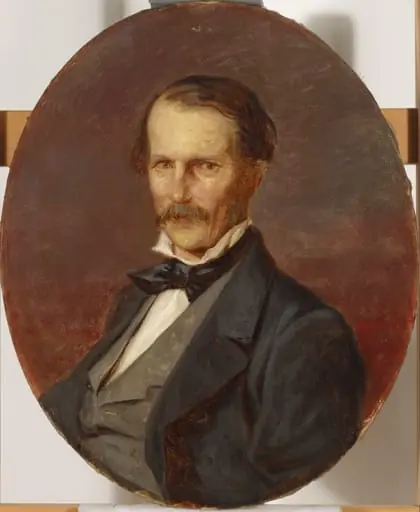 Magnus von Wrightin muotokuva
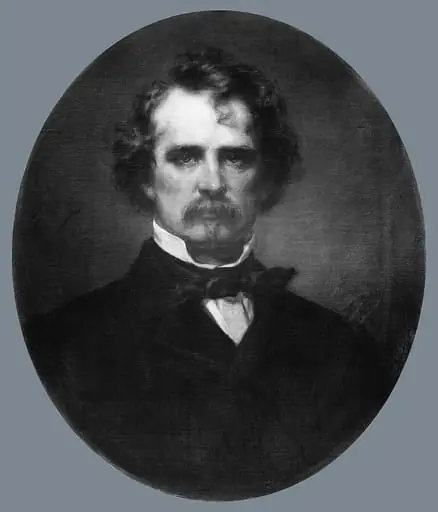 James Topham Brady
 Portretul scriitorului Alexandru Odobescu
 Codrescu
 Untitled
 Self-Portrait
 Johann Wilhelm Kaiser (1813-1900). Graficus, directeur van de Graveerschool en van het Rijksmuseum