Artwork
S.S. Apostoli, Venice
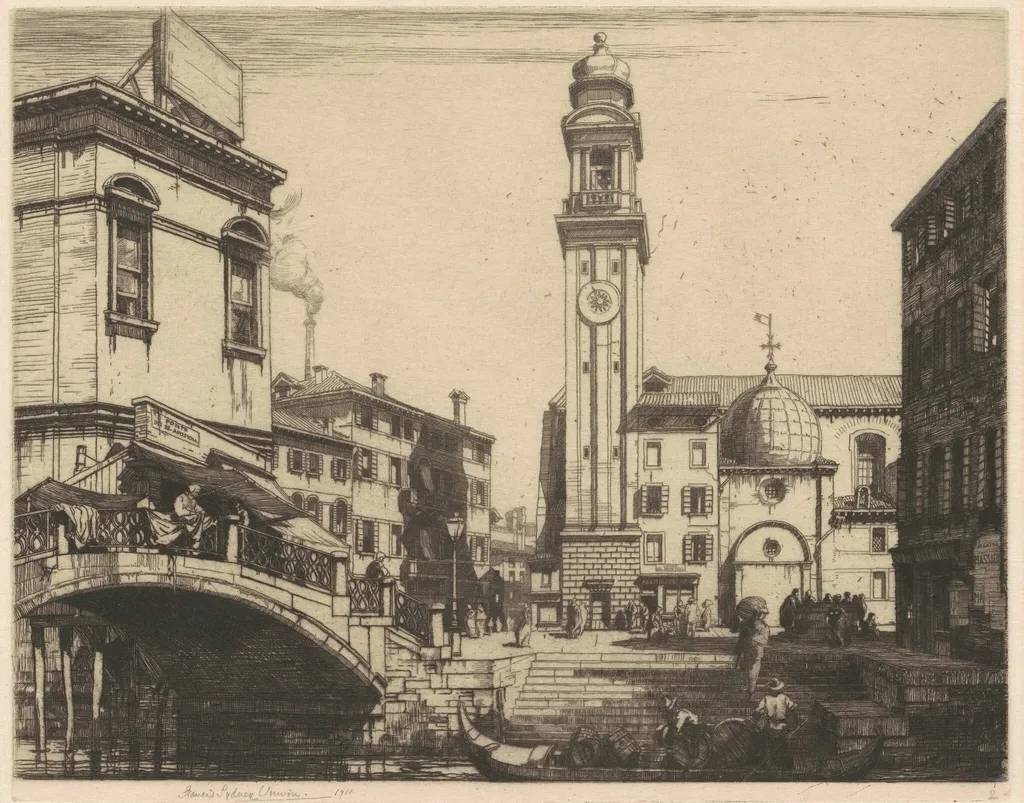
S.S. Apostoli, Venice is an ink print by Francis Sydney Unwin. It dates from 1911 and is held in the collection of the National Gallery of Art. S.
About this work
Overview
Rendered on laid paper, the print captures a bustling public space in Venice, centered around a prominent clock tower.
S.S. Apostoli, Venice is a black-and-white etching produced by Francis Sydney Unwin in 1911. Rendered on laid paper, the print captures a bustling public space in Venice, centered around a prominent clock tower. Figures move along stone steps and a bridge, while a gondola rests near the water. The composition is densely detailed, with architecture, clothing, and atmospheric elements rendered in fine, precise lines characteristic of the etching process.
Subject & Meaning
The scene depicts the Piazza San Marco area, identified by its distinctive clock tower and surrounding buildings. The presence of pedestrians, a waiting gondola, and rising chimney smoke suggests daily life in early 20th-century Venice. Unwin’s focus on ordinary activity—rather than grandeur—conveys a quiet observation of urban rhythm, emphasizing the city’s lived experience over its monumental reputation.
Technique & Style
Unwin employed etching, a printmaking method involving acid-bitten lines on a metal plate. The fine, controlled strokes capture intricate textures: the weave of clothing, the curvature of arches, and the delicate railings of bridges. The tonal range is achieved through line density rather than shading, giving the image a crisp, linear clarity. The composition balances architectural solidity with the fluidity of movement in the figures and water.
History & Provenance
Created in 1911, the print reflects Unwin’s engagement with Venetian subjects during his travels in Italy. It was likely produced as part of a series documenting European urban scenes, common among British artists of the period. The work remains in private and institutional collections, though its exhibition history is limited. No major alterations or restrikes are documented, preserving its original state.
Context
Unwin worked during a time when topographical prints remained popular among travelers and collectors seeking authentic depictions of European cities. Venice, with its unique architecture and waterways, was a frequent subject. Unlike romanticized views, this etching avoids idealization, instead offering a grounded, observational record aligned with the documentary tendencies of early modern printmaking.
Legacy
S.S. Apostoli, Venice stands as a modest but precise example of early 20th-century British etching. It contributes to a broader tradition of topographical printmaking that valued accuracy and quiet observation. While not widely exhibited, it remains a representative work of Unwin’s output and reflects the enduring interest in Venice as a subject for artists seeking to capture its intimate, everyday character.
Artist & collection

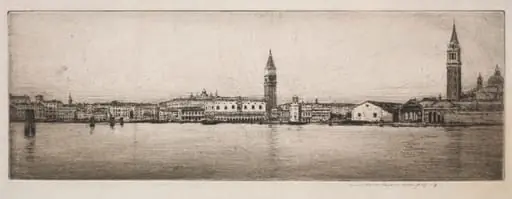 St. Mark's Basin, Venice
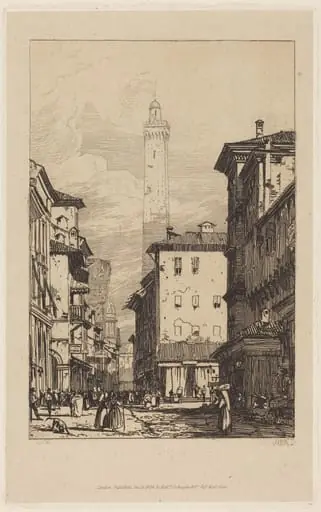 Bologna
 Untitled
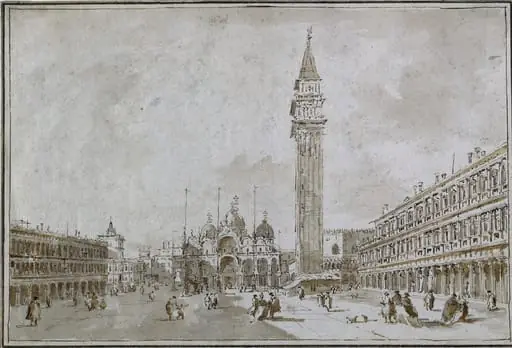 Piazza San Marco, Venice
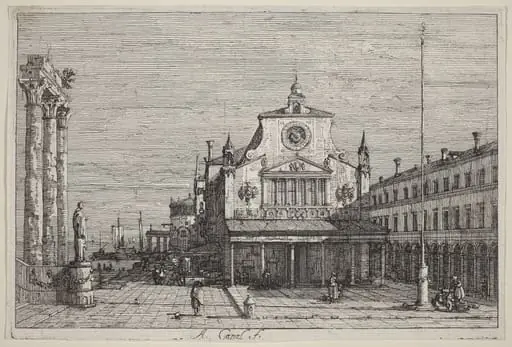 Imaginary View of S. Giacomo di Rialto
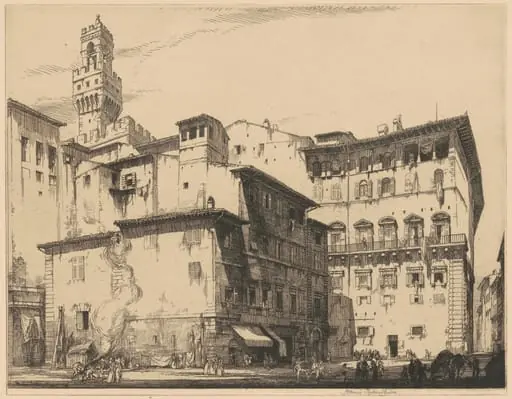 The Municipio, Florence
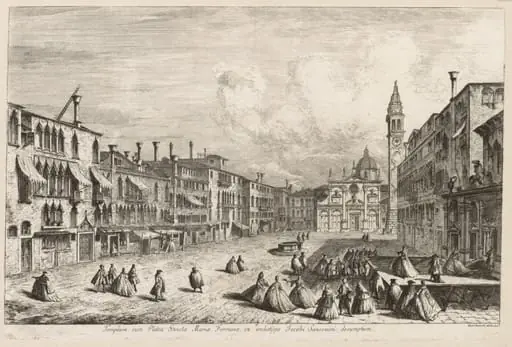 Views of Venice: S. Maria Formosa
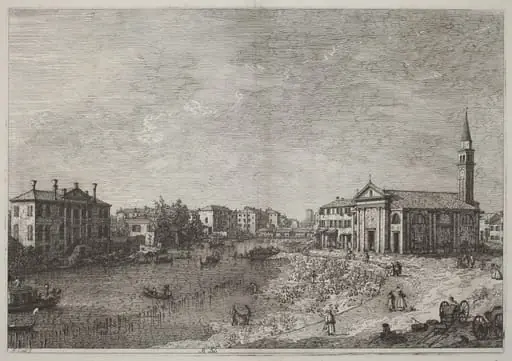 Al Dolo
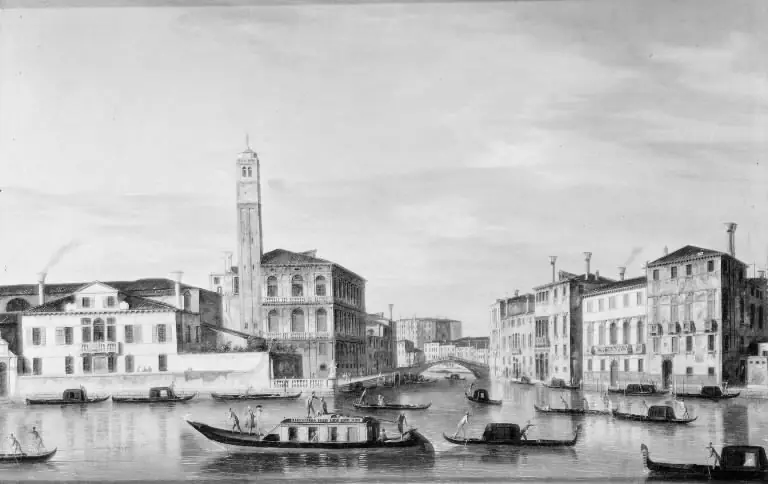 Kanal i Venedig
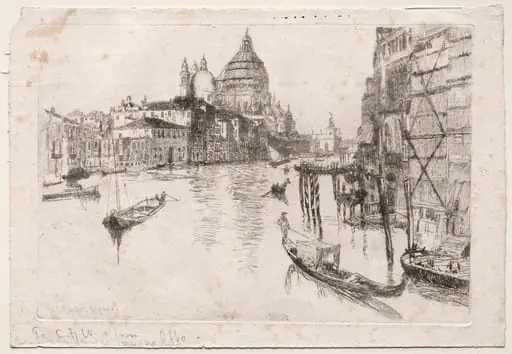 Entrance to Grand Canal
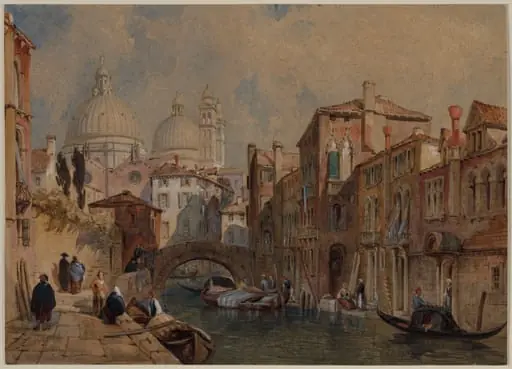 View of Venice: The Dome of Santa Maria della Salute Seen from the Rear of the Da Mula Palace, looking Eastward
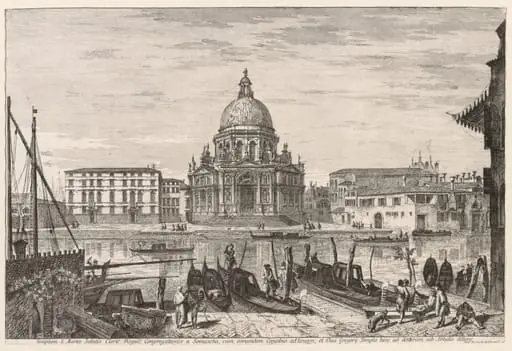 Views of Venice: S. M. Della Salute