Artwork
View of Venice: The Dome of Santa Maria della Salute Seen from the Rear of the Da Mula Palace, looking Eastward
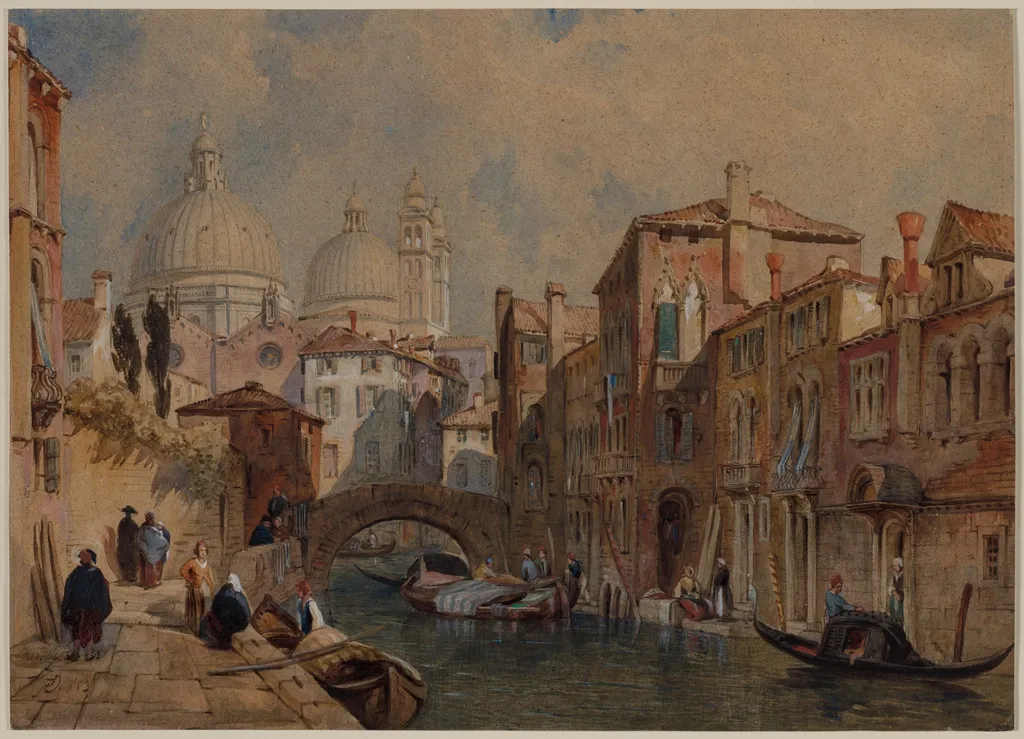
View of Venice: The Dome of Santa Maria della Salute Seen from the Rear of the Da Mula Palace, looking Eastward is a drawing by the Impressionist artist Frank Dillon. It dates from 1853 and is held in the collection of the Cleveland Museum of Art.
About this work
Overview
The work is part of the collection at The Cleveland Museum of Art, where it stands as a precise record of Venetian urban form in the mid-nineteenth century.
Created in 1853, this pencil drawing captures a quiet corner of Venice from the rear of the Da Mula Palace, oriented eastward toward the city’s waterways. The artist, Frank Dillon, produced it during his studies in Italy, focusing on architectural detail and atmospheric tone. The work is part of the collection at The Cleveland Museum of Art, where it stands as a precise record of Venetian urban form in the mid-nineteenth century.
Subject & Meaning
The drawing centers on the dome of Santa Maria della Salute, a defining landmark of Venice’s skyline, rendered with clarity against a muted sky. The foreground features a low stone balcony with balustrades, grounding the composition and suggesting a human vantage point. The scene conveys no narrative or activity—only architecture and light—evoking a contemplative stillness, as if capturing a moment before the city’s daily rhythms resumed.
Technique & Style
Dillon employed fine, controlled pencil lines to define the dome’s curvature and the textured surfaces of stone balustrades. Subtle gradations in tone suggest soft daylight and atmospheric haze, while the absence of color emphasizes form and structure. His approach is observational rather than dramatic, prioritizing accuracy in proportion and texture over expressive flourish, reflecting academic training in architectural sketching.
History & Provenance
Dillon made this drawing during a period of study in Italy, likely as part of his artistic education. It remained in private hands until acquired by The Cleveland Museum of Art, where it entered the collection as a representative example of 19th-century American artists engaging with European architecture. Its preservation reflects its value as a documentary record rather than a commercial work.
Context
In the mid-1800s, European cities like Venice attracted young American artists seeking to study classical and Renaissance architecture firsthand. Dillon’s drawing aligns with a broader trend of topographical sketching, where precision and fidelity to place were valued over romanticized interpretation. Such works served both personal study and scholarly documentation of historic urban landscapes.
Legacy
This drawing contributes to a body of work by American artists who documented Italian architecture during their travels. While not widely exhibited, it remains a quiet testament to the discipline of observational drawing. Its presence in The Cleveland Museum of Art offers insight into how 19th-century artists engaged with European heritage through careful, unembellished representation.
Artist & collection

Artist
Frank Edward Dillon, known in later years as Pop Dillon, was an American baseball player and manager.





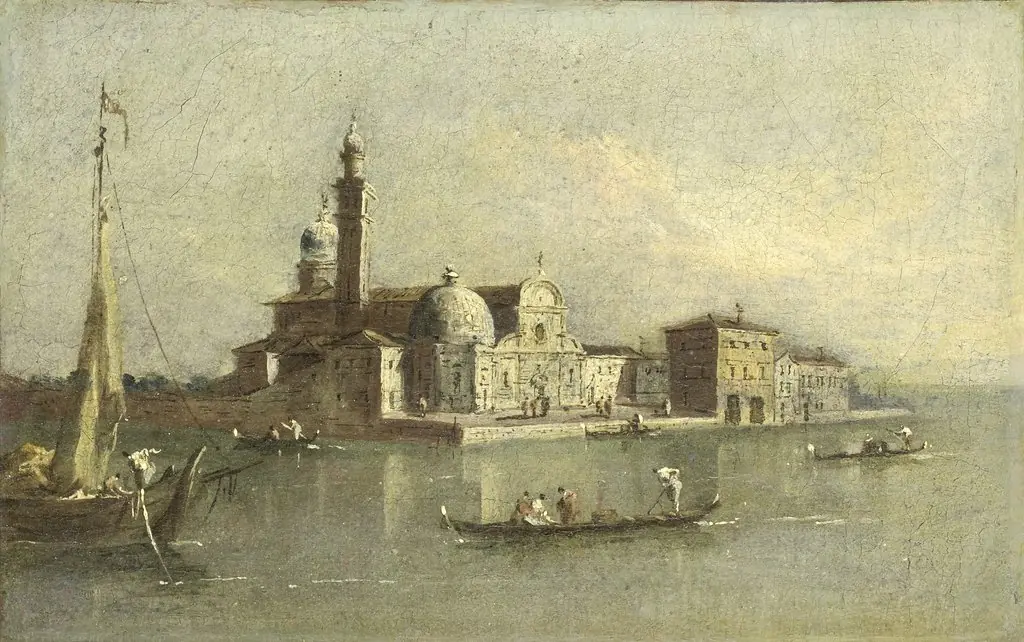 View of the Isola di San Michele in Venice
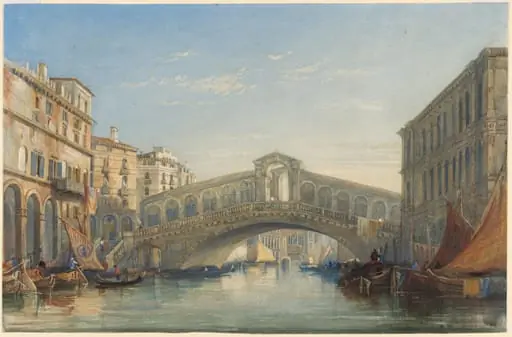 The Rialto Bridge, Venice
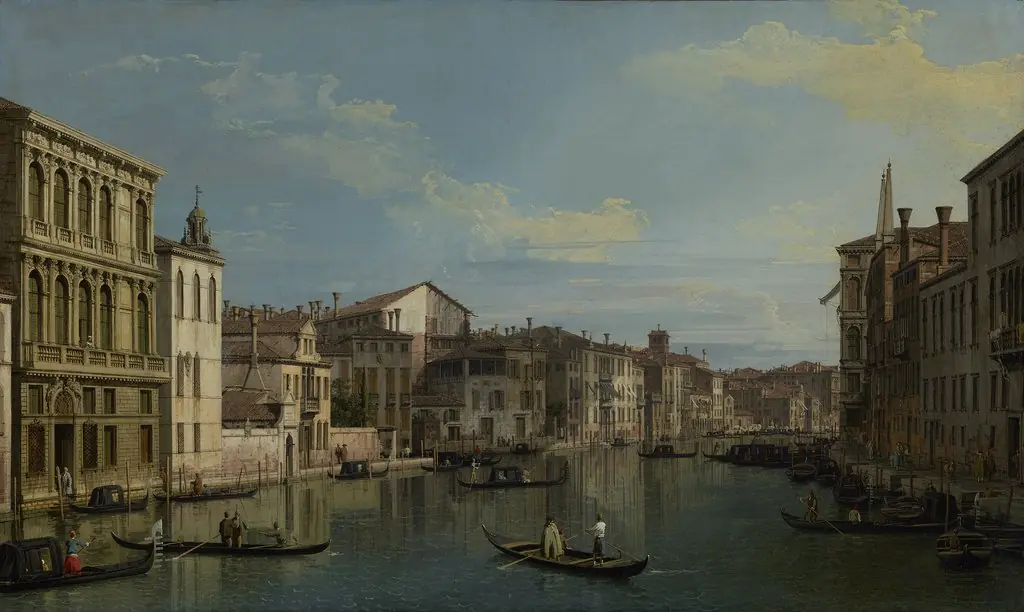 The Grand Canal in Venice from Palazzo Flangini to Campo San Marcuola
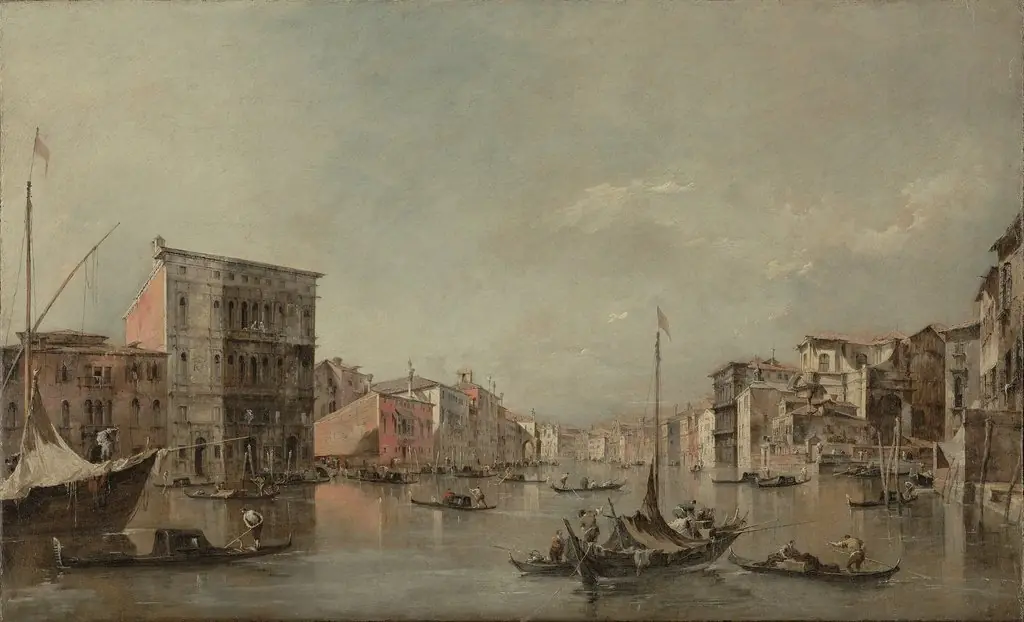 The Grand Canal in Venice with Palazzo Bembo
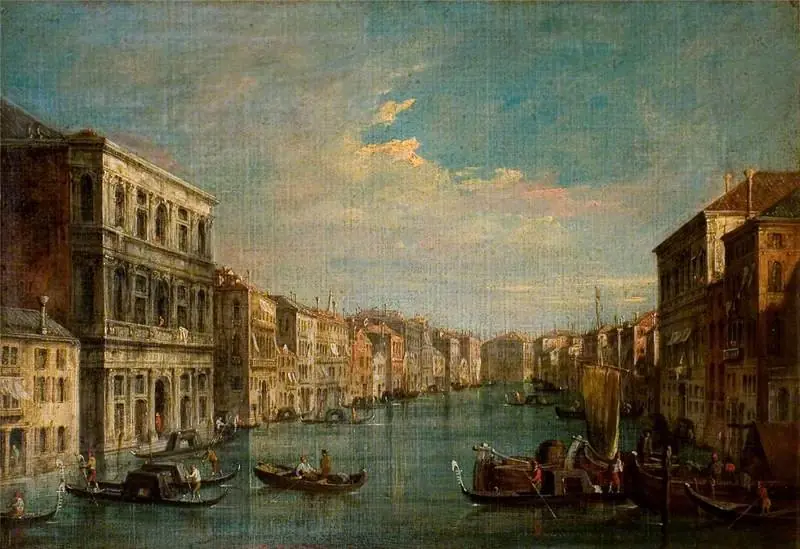 Venice: The Grand Canal Looking South-West from Palazzo Grimani
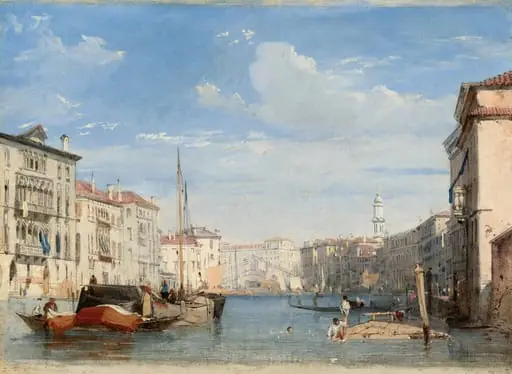 The Grand Canal
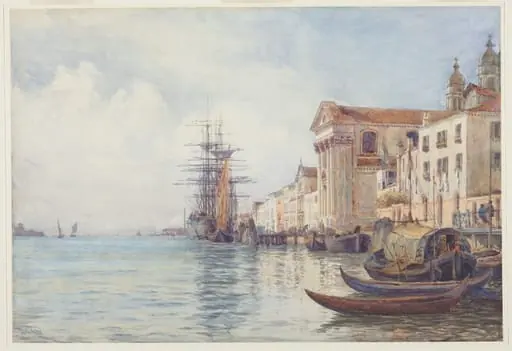 The Giudecca Canal with Shipping near the Chiesa dei Gesuati