Artwork
東海道五十三次之内 亀山 雪晴|Clear Weather after Snow
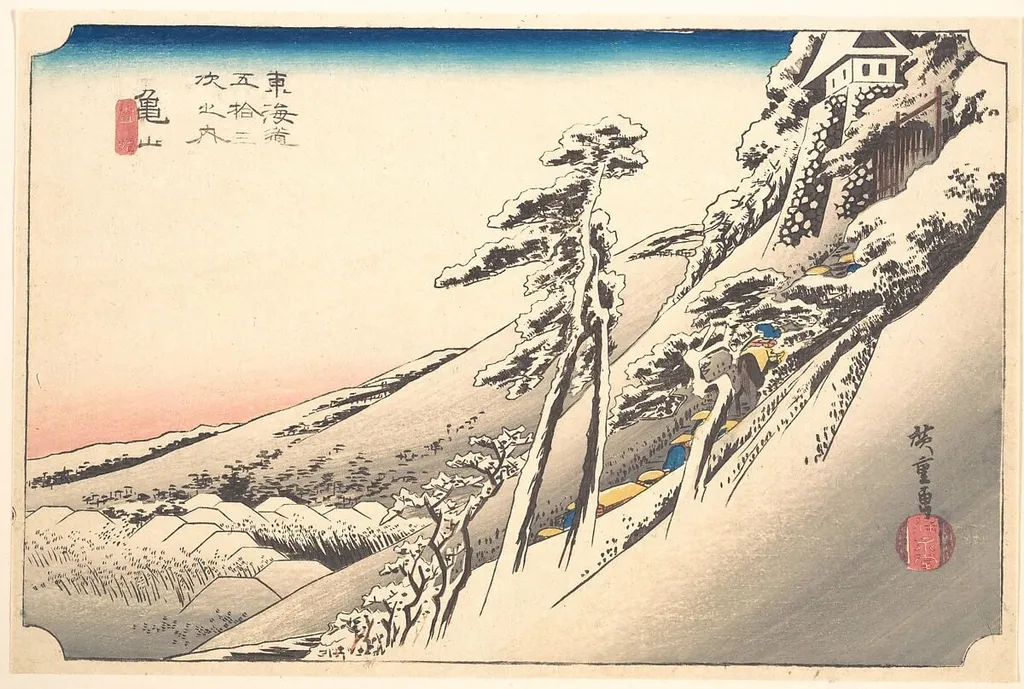
東海道五十三次之内 亀山 雪晴|Clear Weather after Snow is an ink print by the Romanticist artist Utagawa Hiroshige. It dates from 1829 and is held in the collection of the Metropolitan Museum of Art.
About this work
Overview
Created in 1829 by Utagawa Hiroshige, this woodblock print belongs to his celebrated series *The Fifty‑three Stations of the Tōkaidō*. It portrays the post‑town of Kameyama shortly after a snowfall, capturing a tranquil moment on the historic highway that linked Edo and Kyoto during the Edo period.
Subject & Meaning
The scene centers on a winding road threading through a snow‑laden landscape, flanked by tall pines and modest dwellings that emerge from the hills. The pale sky, shifting from soft blue to a hint of pink, suggests the transition from winter to early spring, emphasizing the quiet beauty of seasonal change.
Technique & Style
Executed with ink and color on paper, the print relies on clean, simplified lines and flat areas of hue to suggest depth. Hiroshige’s restrained detailing—absence of intricate textures and reliance on shape—guides the viewer’s eye along the road, creating a sense of movement through the serene environment.
History & Provenance
Part of the *Fifty‑three Stations* series, the work was produced for commercial distribution in the late Edo market, where such travel prints were popular among merchants and travelers. Original impressions were printed in Edo (modern Tokyo) and circulated widely, contributing to Hiroshige’s reputation as a leading landscape ukiyo‑e artist.
Artist & collection
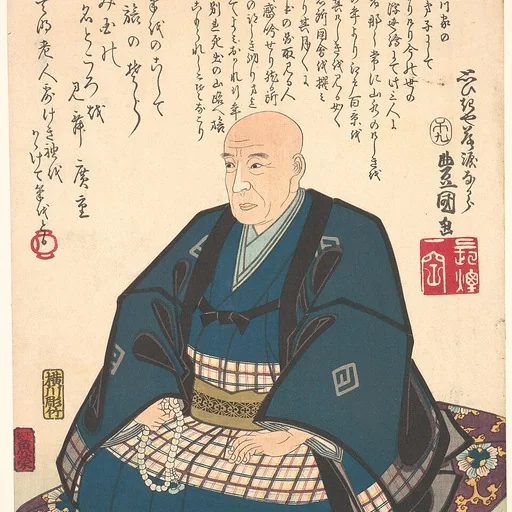
Artist
Utagawa Hiroshige (歌川 広重) or Andō Hiroshige (安藤 広重), born Andō Tokutarō (安藤 徳太郎; 1797 – 12 October 1858), was a Japanese ukiyo-e artist, considered the last great master of that tradition.

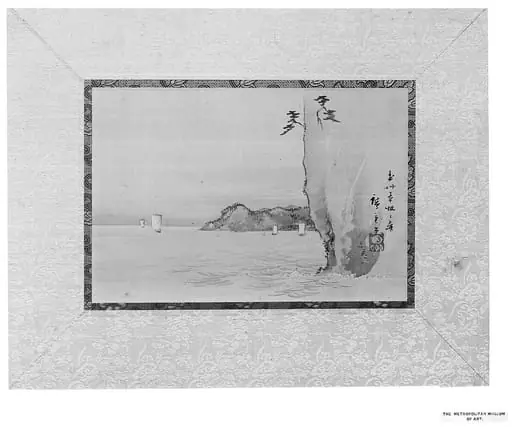
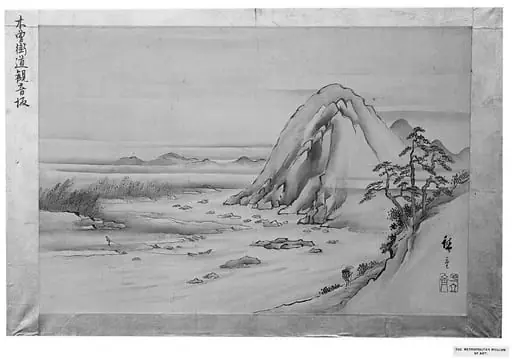
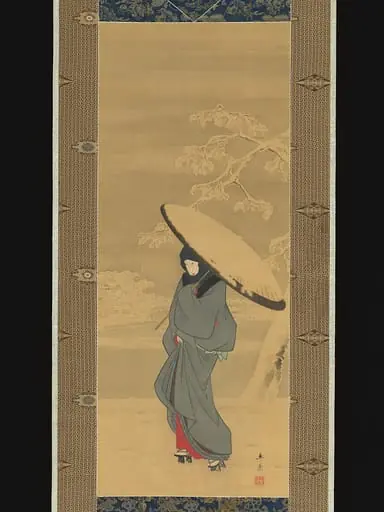
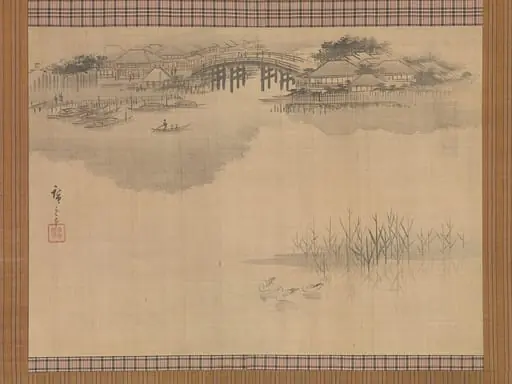
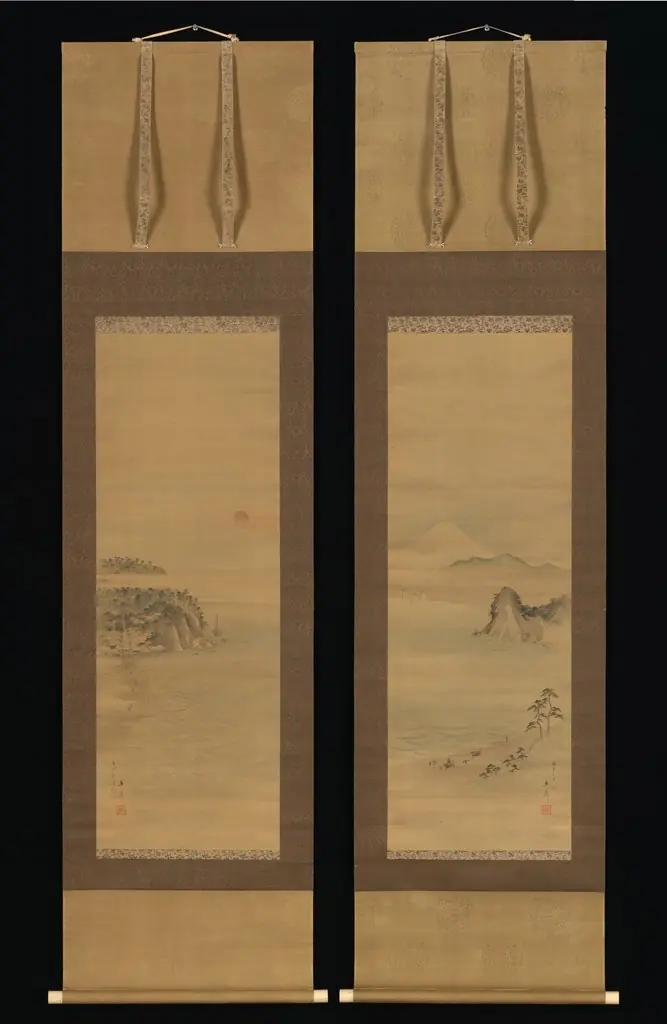
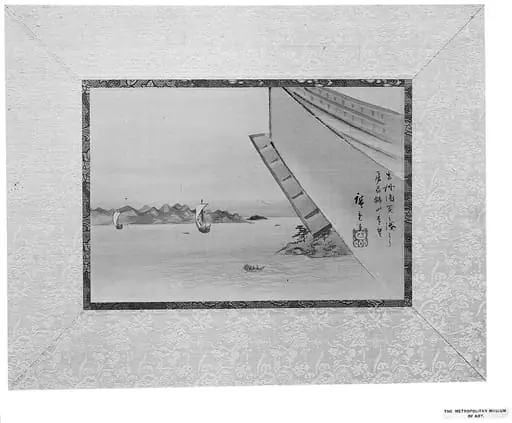
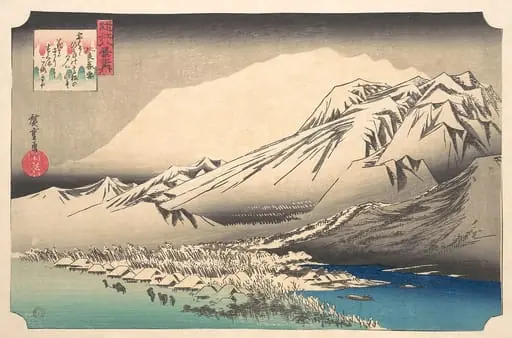 近江八景之内 比良暮雪|Evening Snow on Hira, Lake Biwa
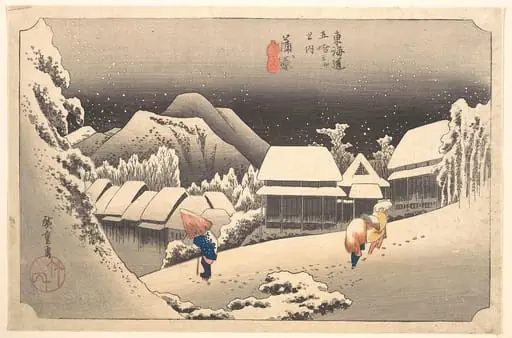 東海道五十三次之内 蒲原 夜の雪|Evening Snow
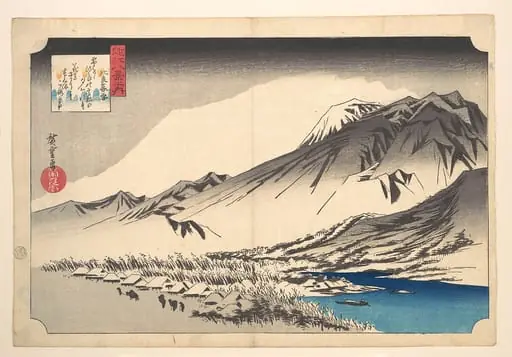 近江八景之内 比良暮雪|Evening Snow on Mount Hira
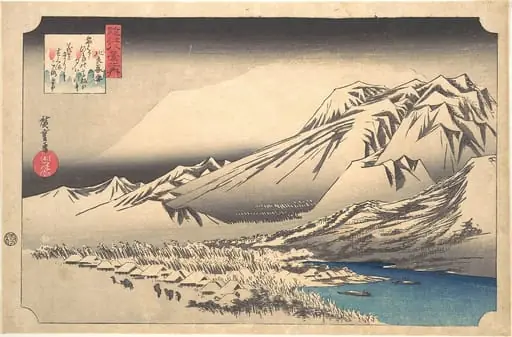 Hira no Bosetsu|近江八景の内 比良暮雪|Evening Snow on Mount Hira
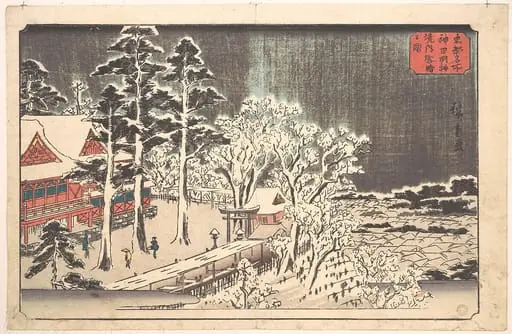 東都名所 神田明神境内雪晴之図|“Clear Weather after Snow in the Precincts of the Kanda Myōjin Shrine” (Kanda Myōjin keidai yukibare no zu), from the series Famous Places in the Eastern Capital (Tōto meisho)
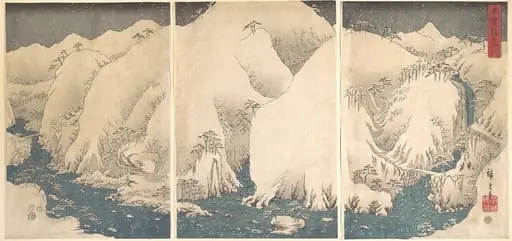 雪月花 木曽路之山川|Kiso Gorge in the Snow