Artwork
歌川広重画 「あふみ八景 堅田落雁」|Descending Geese at Katada, from the series Eight Views of Ōmi (Ōmi hakkei)
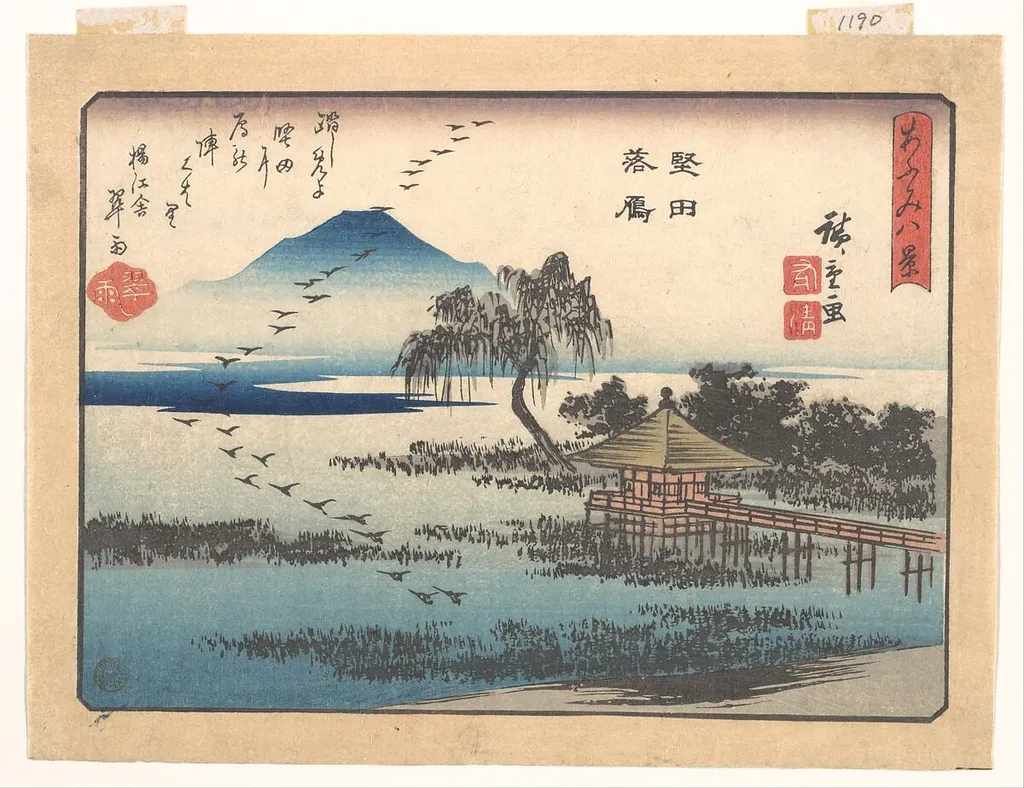
歌川広重画 「あふみ八景 堅田落雁」|Descending Geese at Katada, from the series Eight Views of Ōmi (Ōmi hakkei) is an ink print by the Romanticist artist Utagawa Hiroshige. It dates from 1834 and is held in the collection of the Metropolitan Museum of Art.
About this work
Overview
Utagawa Hiroshige’s woodblock print *Descending Geese at Katada* belongs to his Eight Views of Ōmi series, executed circa 1834. The image captures a winter lakeside village under a distant snow‑capped mountain, with a diagonal formation of geese descending across the sky. The composition balances the stillness of the frozen landscape with the fleeting motion of the birds.
Subject & Meaning
The scene presents a quiet, seasonal moment: a small wooden pavilion by the water’s edge, bare trees and reeds, and a flock of geese in flight. By juxtaposing the calm of the frozen shore with the dynamic movement of the birds, Hiroshige evokes the transience of nature and the subtle drama of everyday winter life.
Technique & Style
Hiroshige employs the ukiyo‑e woodblock method, using clean lines and flat areas of ink and color to suggest depth. The muted palette and minimal shading convey the cold atmosphere, while the diagonal arrangement of the geese creates visual tension. Simple contours and restrained detail emphasize the composition’s serene mood.
History & Provenance
Created in the late Edo period, the print reflects Hiroshige’s shift from urban entertainment scenes to landscape subjects. It is part of the Metropolitan Museum of Art’s collection, where it is displayed among other works illustrating the artist’s exploration of Japan’s seasonal vistas.
Artist & collection
Artist
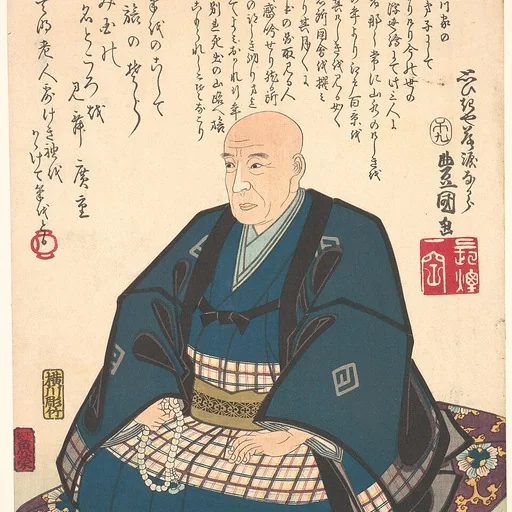
Utagawa Hiroshige (歌川 広重) or Andō Hiroshige (安藤 広重), born Andō Tokutarō (安藤 徳太郎; 1797 – 12 October 1858), was a Japanese ukiyo-e artist, considered the last great master of that tradition.

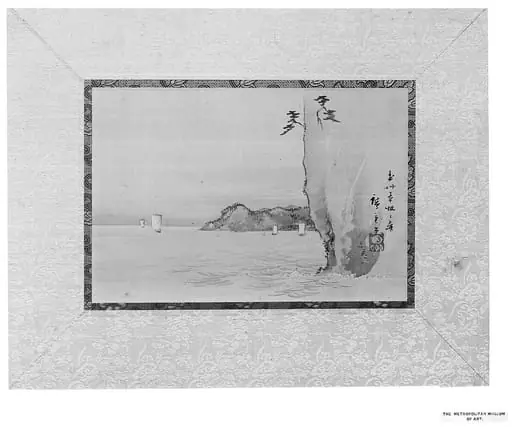
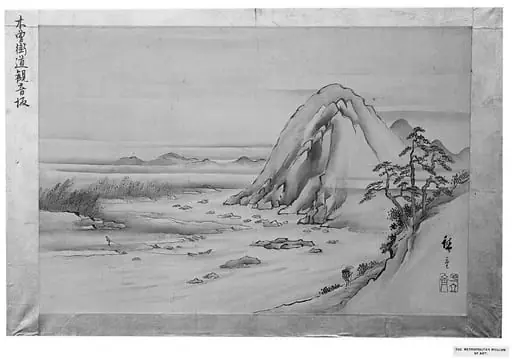
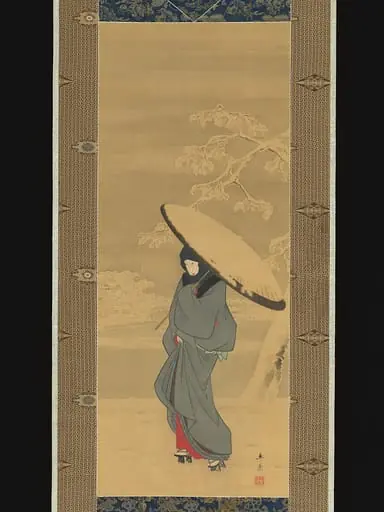
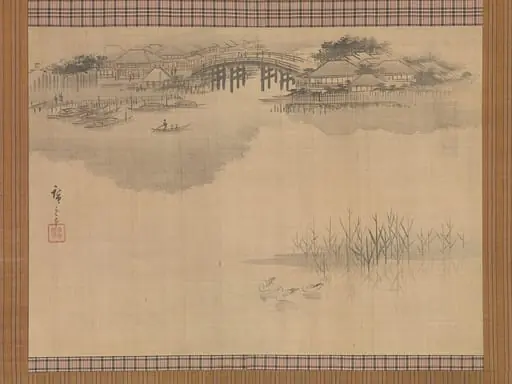
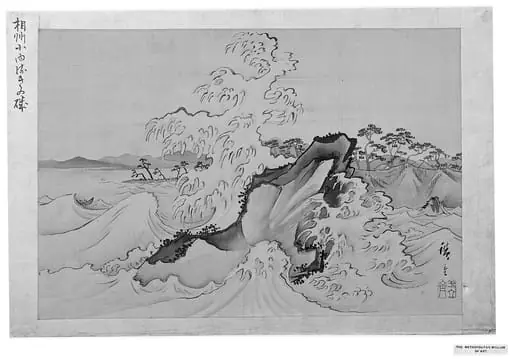
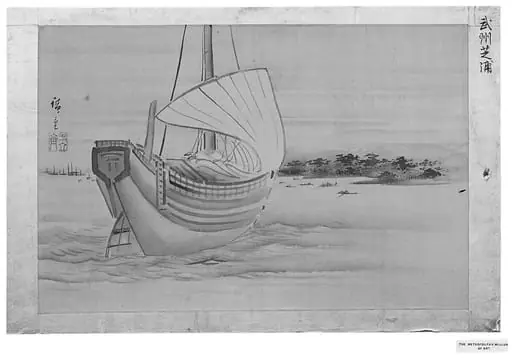
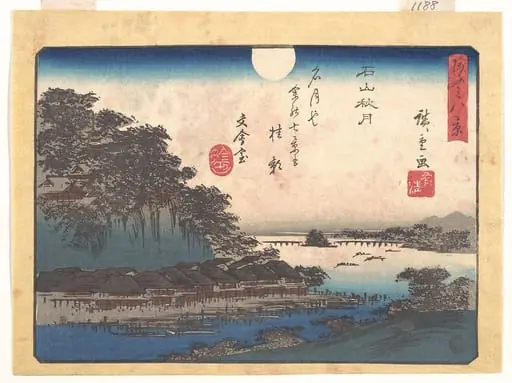 歌川広重画 「あふみ八景 石山秋月」|Autumn Moon at Ishiyama, from the series Eight Views of Ōmi (Ōmi hakkei)
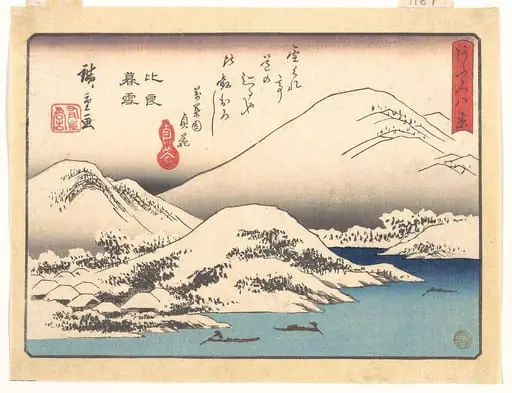 歌川広重画 「あふみ八景 比良暮雪」|Evening Snow at Mount Hira, from the series Eight Views of Ōmi (Ōmi hakkei)
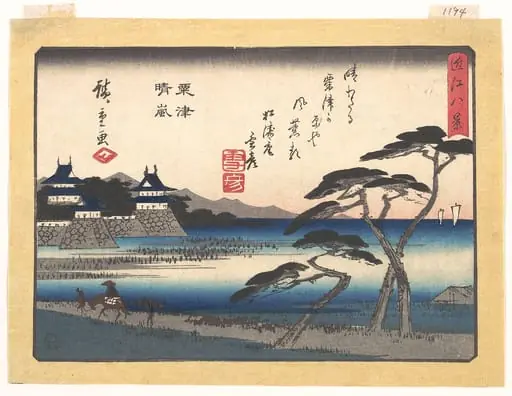 歌川広重画 「近江八景 粟津晴嵐」|Clearing Weather at Awazu (Awazu seiran), from the series Eight Views of Ōmi (Ōmi hakkei)
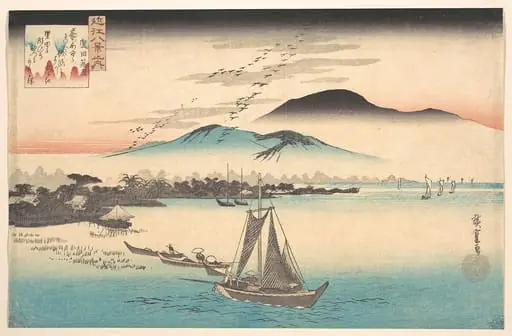 近江八景之内 堅田落雁|Geese Flying Down to Katada
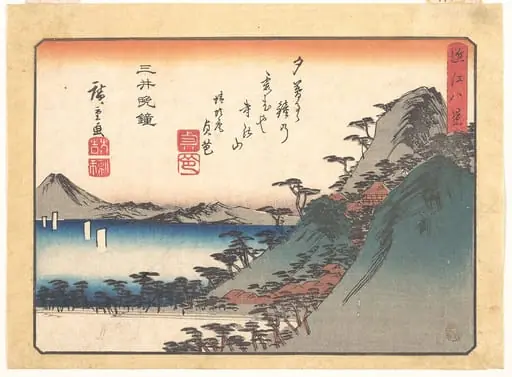 歌川広重画 「近江八景 三井晩鐘」|Evening Bell at Miidera Temple, from the series Eight Views of Ōmi (Ōmi hakkei)
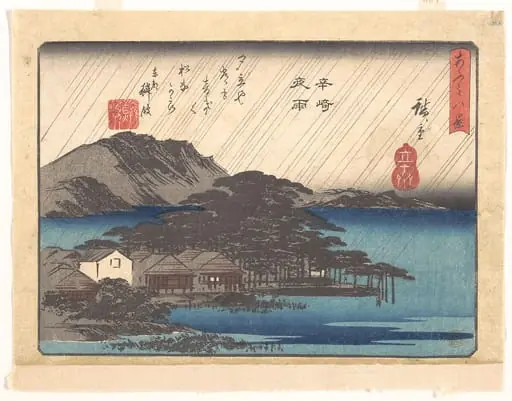 歌川広重画 「あふみ八景 辛崎夜雨」|Evening Rain at Karasaki, from the series Eight Views of Ōmi (Ōmi hakkei)
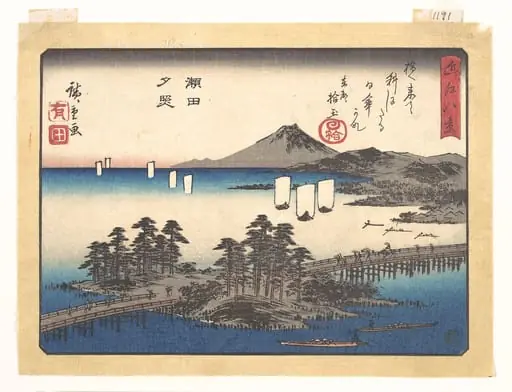 歌川広重画 「近江八景 瀬田夕照」|Sunset Glow at Seta, from the series Eight Views of Ōmi (Ōmi hakkei)
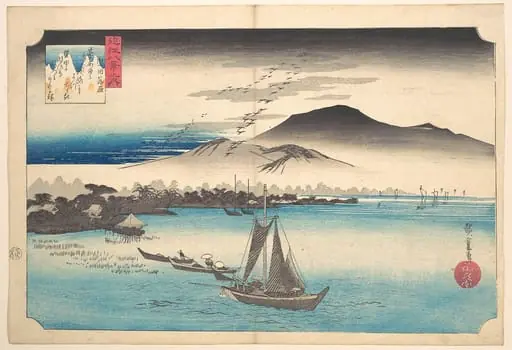 近江八景之内 堅田落雁|Returning Geese at Katada
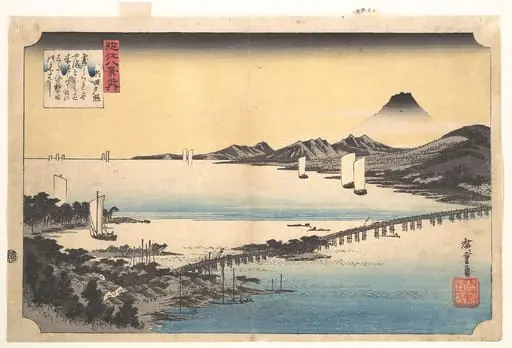 歌川広重画 近江八景の内 瀬田夕照|Sunset Glow at Seta (Seta sekishō), from the series Eight Views of Ōmi Province (Ōmi hakkei)