Artwork
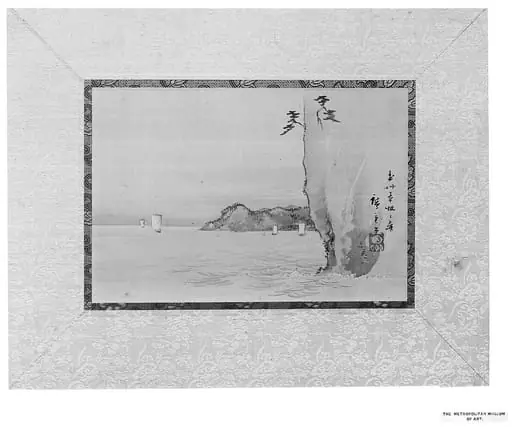
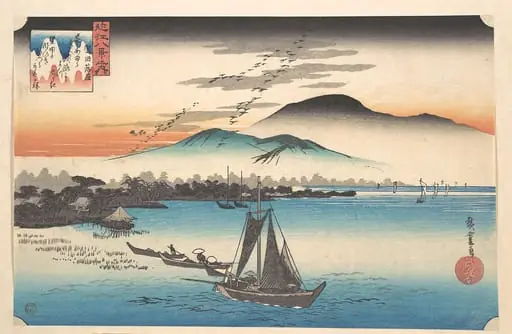
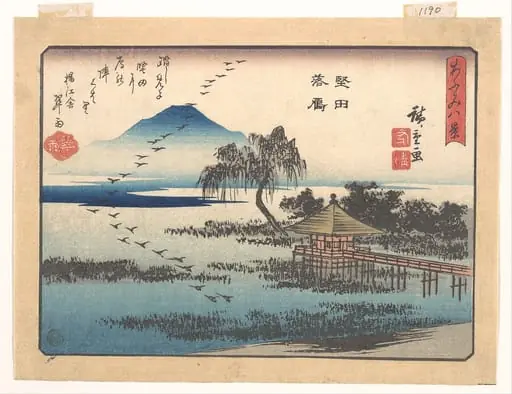
近江八景之内 堅田落雁|Geese Flying Down to Katada
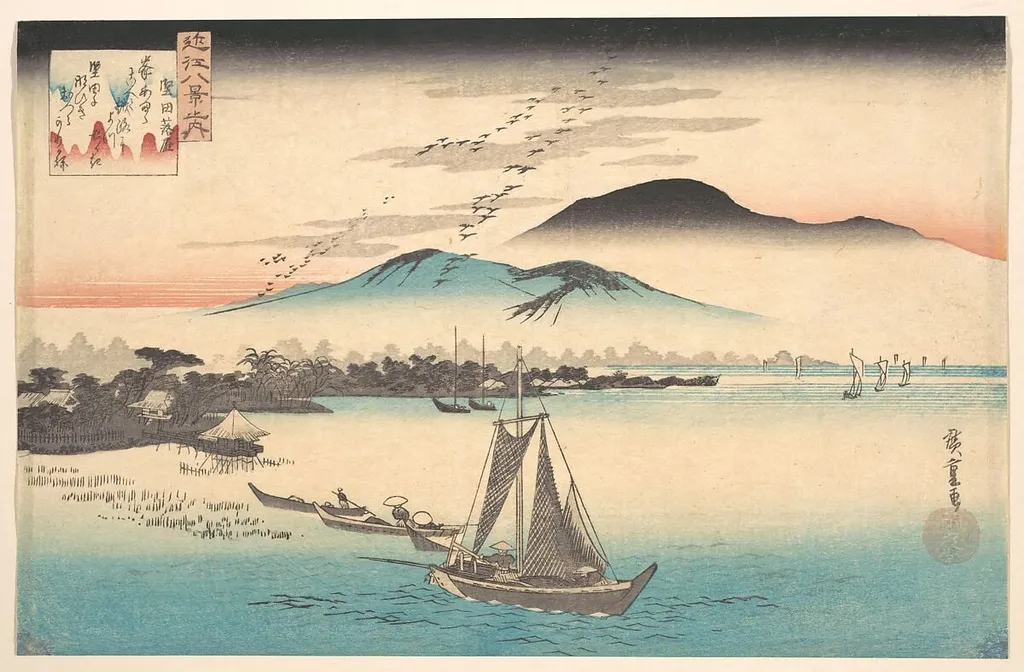
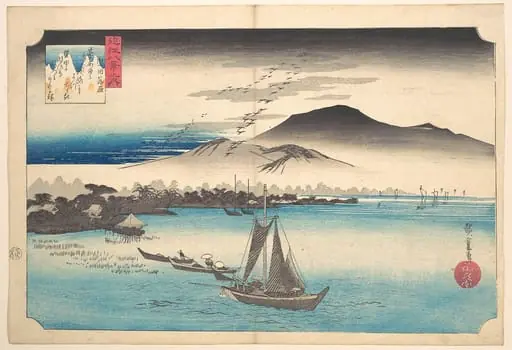
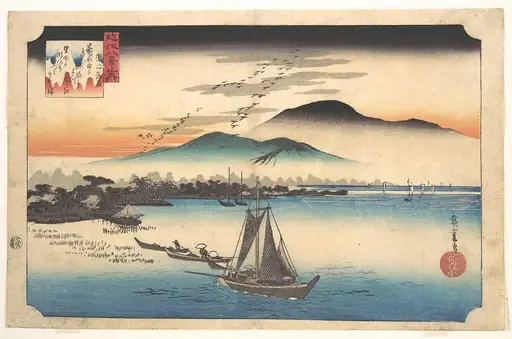
近江八景之内 堅田落雁|Geese Flying Down to Katada is an ink print by the Romanticist artist Utagawa Hiroshige. It dates from 1828 and is held in the collection of the Metropolitan Museum of Art.
About this work
Overview
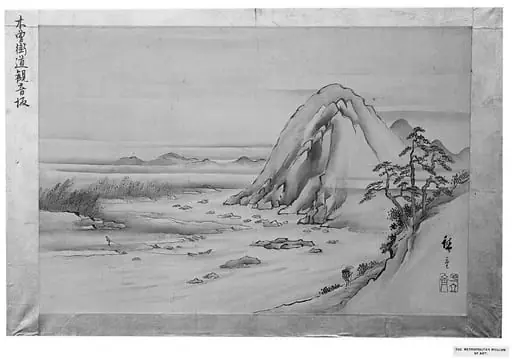
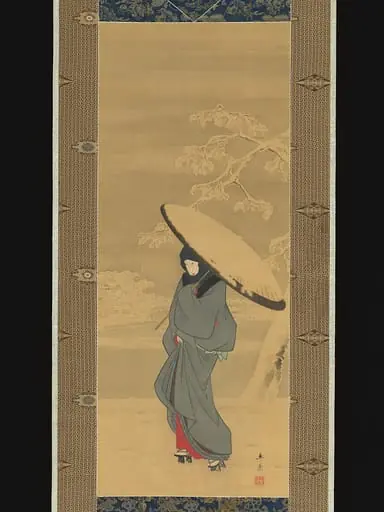
Geese Flying Down to Katada is a woodblock print created by Utagawa Hiroshige in 1828, part of his Eight Views of Ōmi series. Executed in ink and color on paper, it exemplifies Hiroshige's focus on serene landscapes, diverging from the typical urban themes of ukiyo-e.
Subject & Meaning
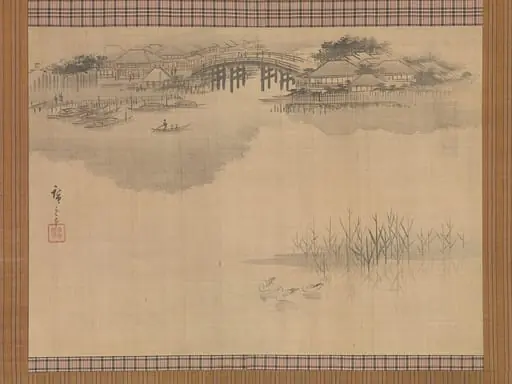
The print depicts a peaceful moment on Lake Biwa, with wild geese landing near the shore of Katada, a location revered in classical Japanese poetry and art. A boat with two figures and a distant, mist-shrouded mountain add depth to the scene.
Technique & Style
Hiroshige employed soft, muted colors (blues, greens, pinks) to evoke calmness. The sky features a subtle cloudiness and a faint sunset hue, enhancing the tranquil atmosphere. The composition balances natural elements with human presence (a small village with simple architecture).
History & Provenance
Created in 1828 for the Eight Views of Ōmi series, specific provenance details for this particular print are not provided in the available information.
Context
As part of the Eight Views of Ōmi, this work reflects Hiroshige's contribution to ukiyo-e's shift towards landscape emphasis, influenced by traditional Japanese aesthetics and possibly Chinese landscape painting traditions.
Legacy
While specific legacy details for *Geese Flying Down to Katada* are not provided, Hiroshige's overall body of work, including this series, significantly influenced later Japanese art and Western Impressionism.
Artist & collection
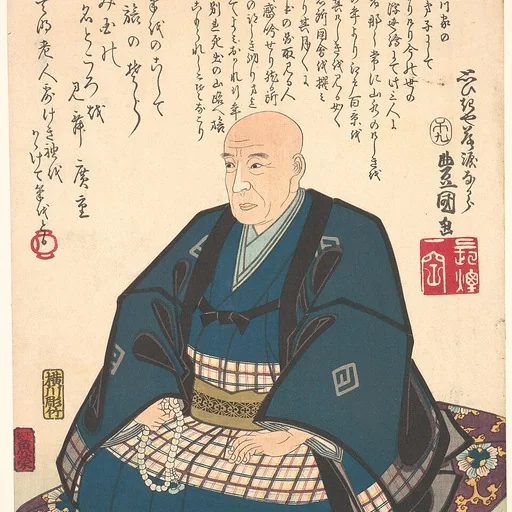
Artist
Utagawa Hiroshige (歌川 広重) or Andō Hiroshige (安藤 広重), born Andō Tokutarō (安藤 徳太郎; 1797 – 12 October 1858), was a Japanese ukiyo-e artist, considered the last great master of that tradition.