Artwork
東海道五十三次 府中|Fuchu
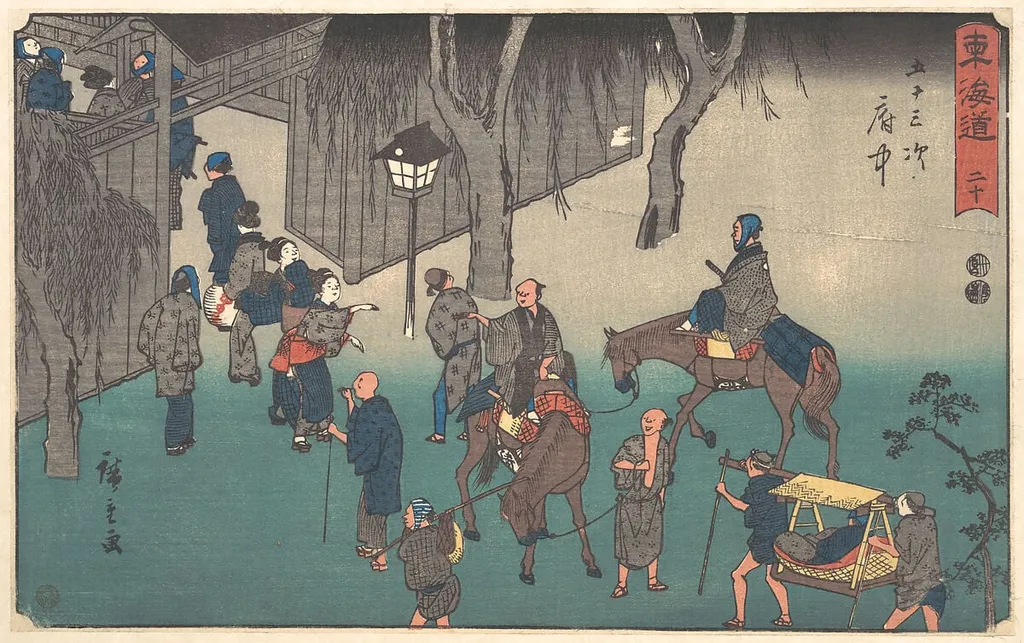
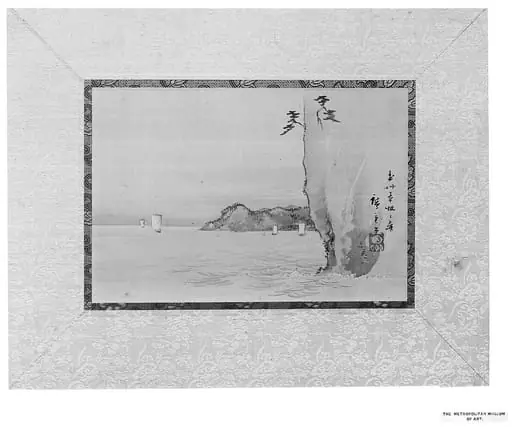
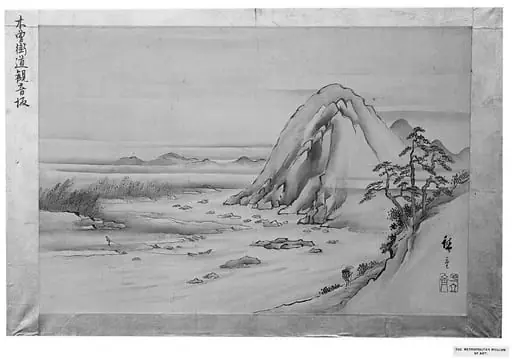
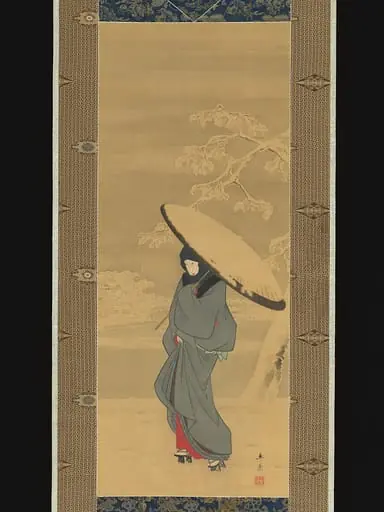
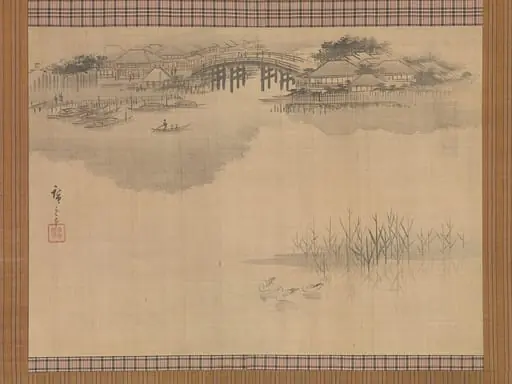
東海道五十三次 府中|Fuchu is an ink print by the Romanticist artist Utagawa Hiroshige. It dates from 1840 and is held in the collection of the Metropolitan Museum of Art.
About this work
Overview
Created around 1840 by Utagawa Hiroshige, this woodblock print is one of fifty-three scenes in the series *The Fifty-three Stations of the Tōkaidō*.
Created around 1840 by Utagawa Hiroshige, this woodblock print is one of fifty-three scenes in the series *The Fifty-three Stations of the Tōkaidō*. It captures the post town of Fuchu along the major highway connecting Edo and Kyoto. Unlike earlier ukiyo-e works focused on urban life, Hiroshige emphasized the natural and atmospheric qualities of travel routes, using landscape to evoke mood and movement.
Subject & Meaning
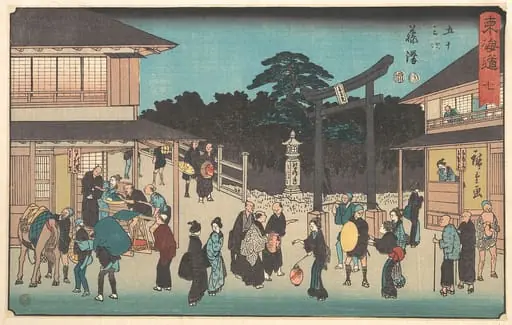
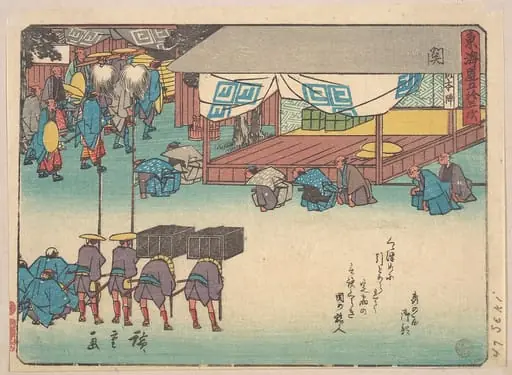
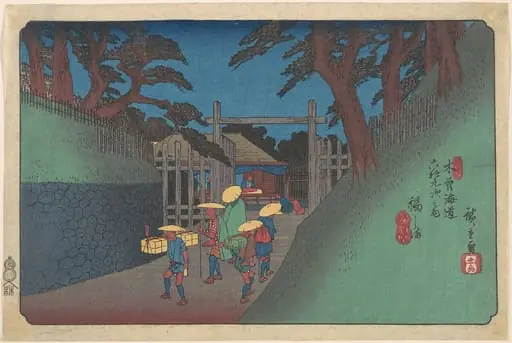
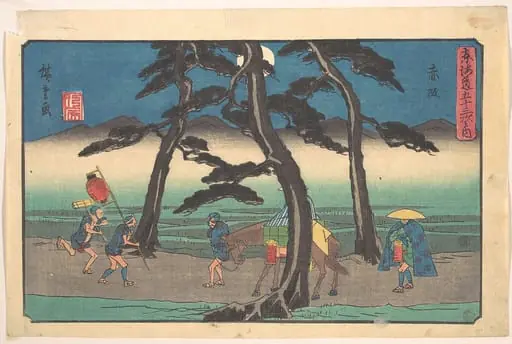
The scene depicts Fuchu at night, with travelers moving along a rain-slicked road under the glow of a single lantern. Figures include pedestrians, donkey riders, and those carried in palanquins, suggesting varied social statuses. The quiet activity conveys the rhythm of daily pilgrimage and commerce, while the bridge in the distance hints at the road’s continuity. The print frames travel not as grand adventure, but as quiet, persistent motion.
Technique & Style
Hiroshige employed fine woodblock carving to render intricate details: the folds of clothing, the texture of wet earth, and the subtle gradations of shadow. Color was applied in muted blues and greens for the sky, contrasting with deep blacks and browns in the foreground. The use of perspective and atmospheric tone, rather than bold lines, creates depth and a sense of stillness amid motion.
History & Provenance
The print was produced during the peak of Hiroshige’s career, when demand for travel-themed prints surged among Edo’s middle class. As part of a commercially successful series, it was mass-produced by publishers and distributed widely. Surviving impressions are held in major collections, including the Museum of Fine Arts, Boston, and the British Museum, reflecting its enduring presence in global print collections.
Context
The Tōkaidō was the most important road in Edo-period Japan, used by samurai, merchants, and pilgrims. Hiroshige’s series responded to growing public interest in travel and regional identity. By focusing on quiet, everyday moments rather than landmarks, he offered a human-scale view of a national route, aligning with broader cultural trends toward introspection and appreciation of transient beauty.
Legacy
Hiroshige’s *Fuchu* and the broader *Tōkaidō* series influenced later Western artists, including Impressionists and Post-Impressionists, who admired his compositional balance and atmospheric effects. The print helped redefine ukiyo-e as a medium for lyrical landscape rather than mere entertainment. Today, it remains a key reference for understanding how Japanese artists captured the emotional texture of place and movement.
Artist & collection
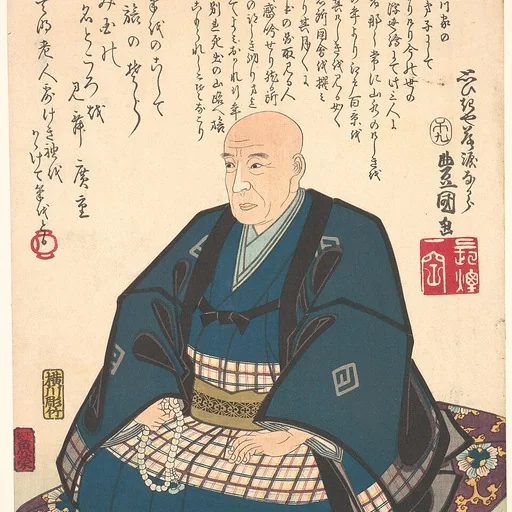
Artist
Utagawa Hiroshige (歌川 広重) or Andō Hiroshige (安藤 広重), born Andō Tokutarō (安藤 徳太郎; 1797 – 12 October 1858), was a Japanese ukiyo-e artist, considered the last great master of that tradition.