Artwork
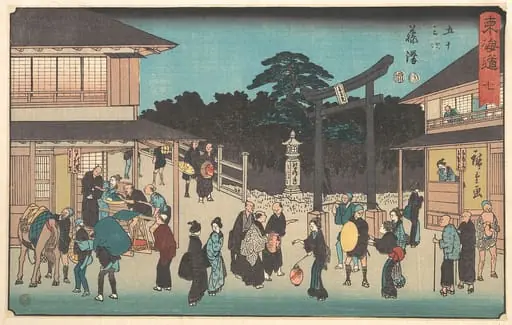
東海道五十三次之内 藤澤 遊行寺|Fujiwara; Yugyoji
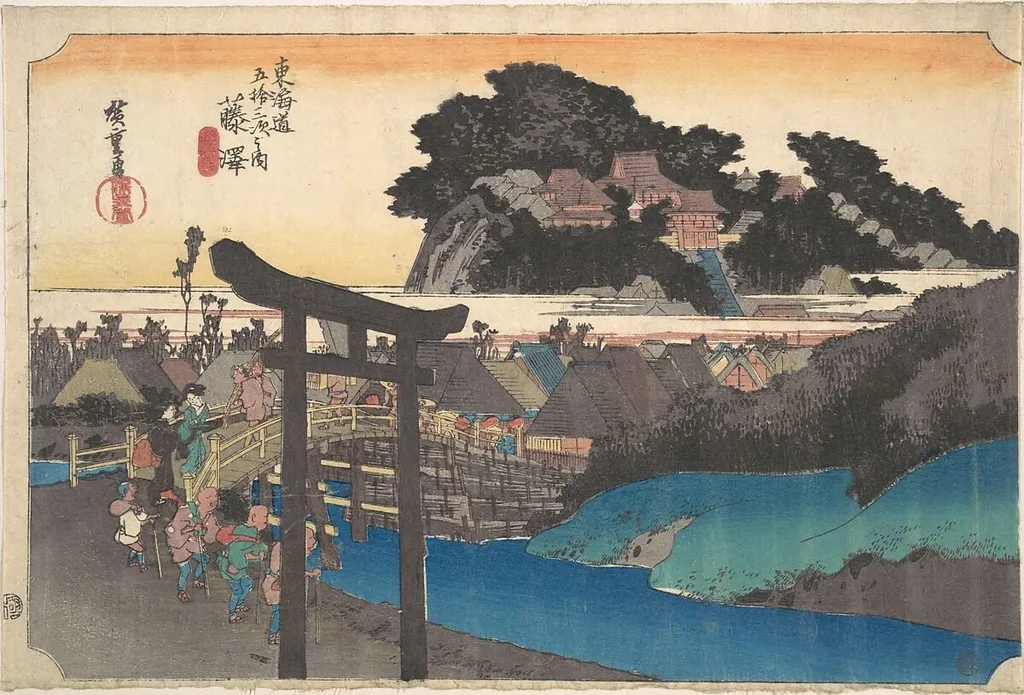
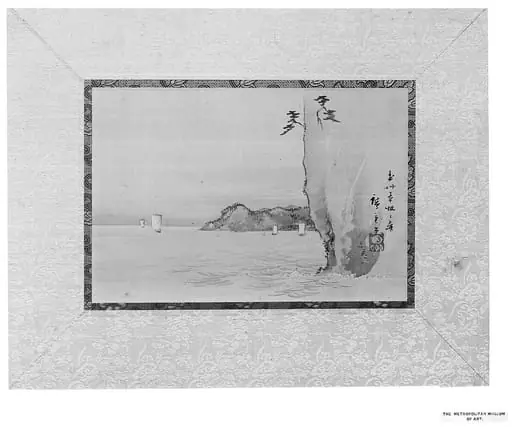
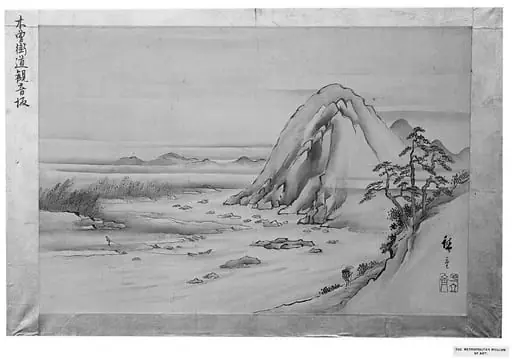
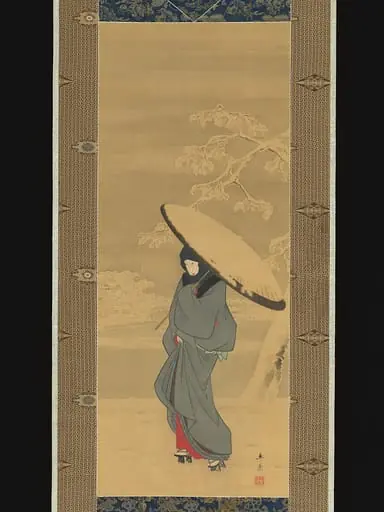
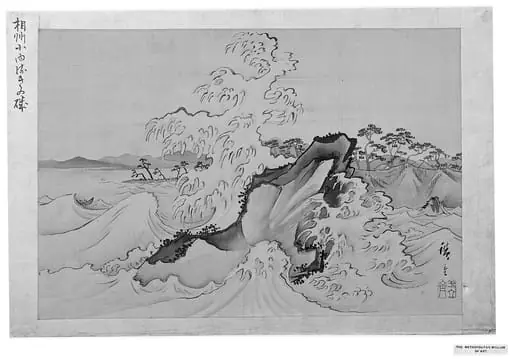
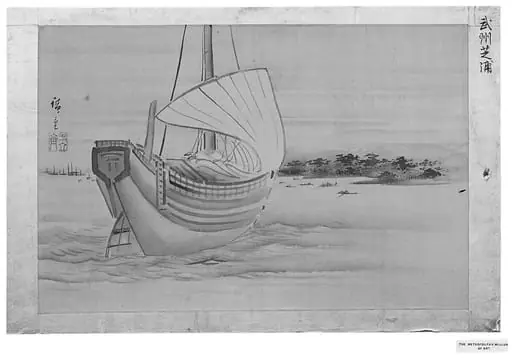
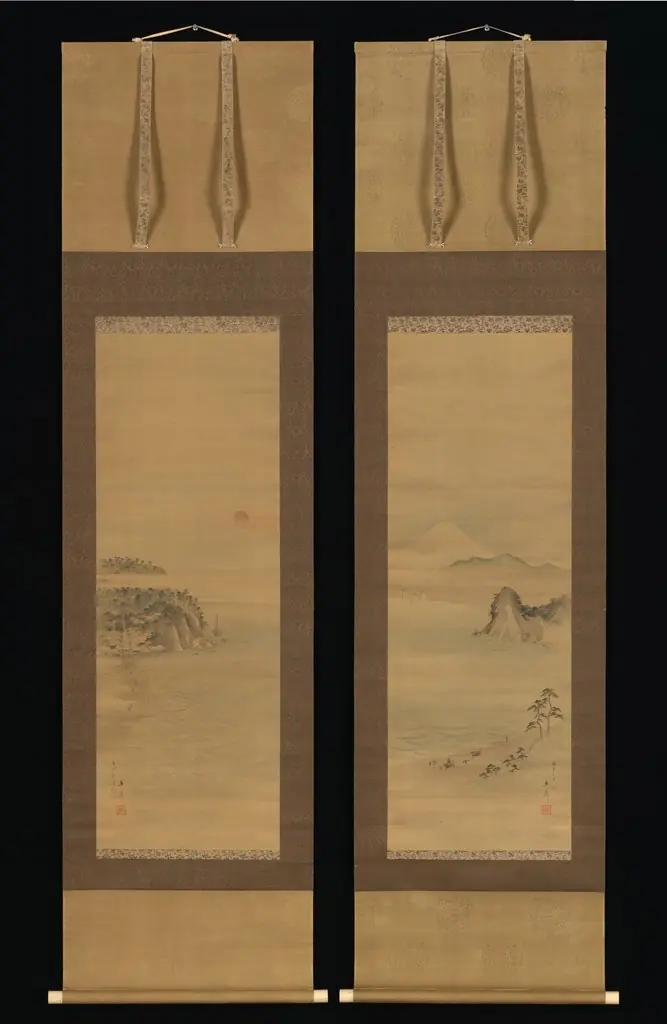
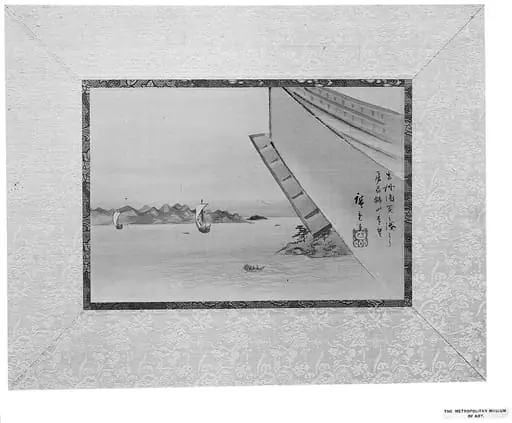
東海道五十三次之内 藤澤 遊行寺|Fujiwara; Yugyoji is an ink print by the Romanticist artist Utagawa Hiroshige. It dates from 1834 and is held in the collection of the Metropolitan Museum of Art.
About this work
Overview
Fujiwara; Yugyoji is a woodblock print created by Utagawa Hiroshige around 1834 for his series The Fifty-three Stations of the Tōkaidō. Executed in ink and color on paper, it is part of The Metropolitan Museum of Art's collection.
Subject & Meaning
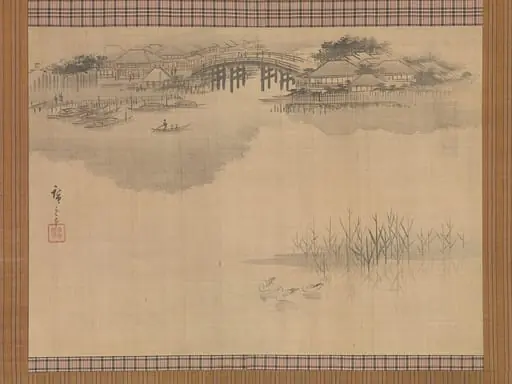
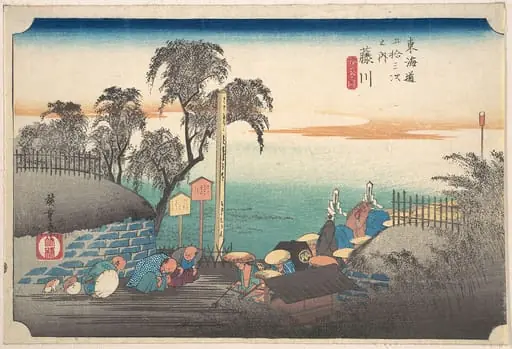
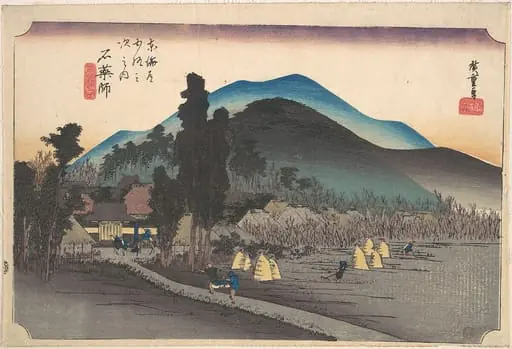
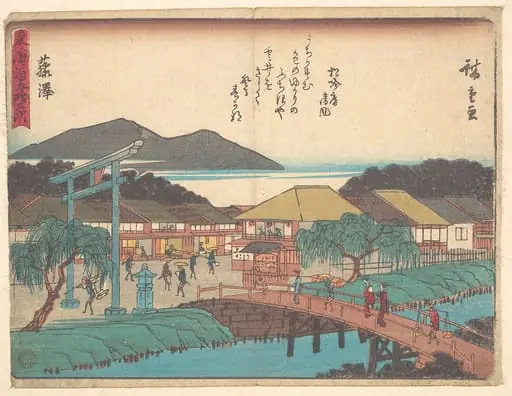
The print depicts a serene landscape along the Tōkaidō road, featuring a bridge over a river, a group of people in the foreground, a prominent tree, and surrounding buildings under a warm, gradient yellow sky. The scene emphasizes natural beauty and daily life along the road.
Technique & Style
Hiroshige's ukiyo-e technique is evident in the intricate details, such as the bridge's wooden planks and the traditional clothing of the figures, which add depth and texture. The composition balances tranquility with dynamic elements, like the tree's stretching branches.
History & Provenance
Created circa 1834 for The Fifty-three Stations of the Tōkaidō series, the print later entered The Metropolitan Museum of Art's collection. It marks a shift from ukiyo-e's typical urban focus to landscape and travel themes.
Context
Part of a broader artistic movement, this work can be contextualized alongside the European Romanticism movement, which also emphasized emotional, natural, and everyday subjects, though executed in distinctly different mediums and styles.
Artist & collection
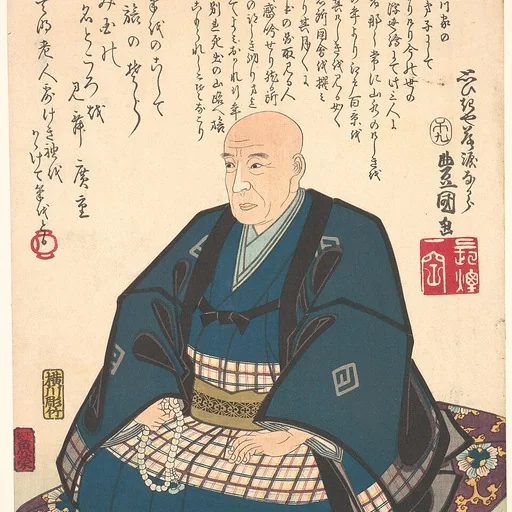
Artist
Utagawa Hiroshige (歌川 広重) or Andō Hiroshige (安藤 広重), born Andō Tokutarō (安藤 徳太郎; 1797 – 12 October 1858), was a Japanese ukiyo-e artist, considered the last great master of that tradition.