Artwork
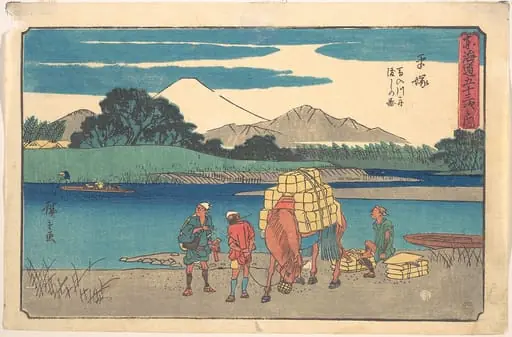
東海道五十三次 平塚|Hiratsuka
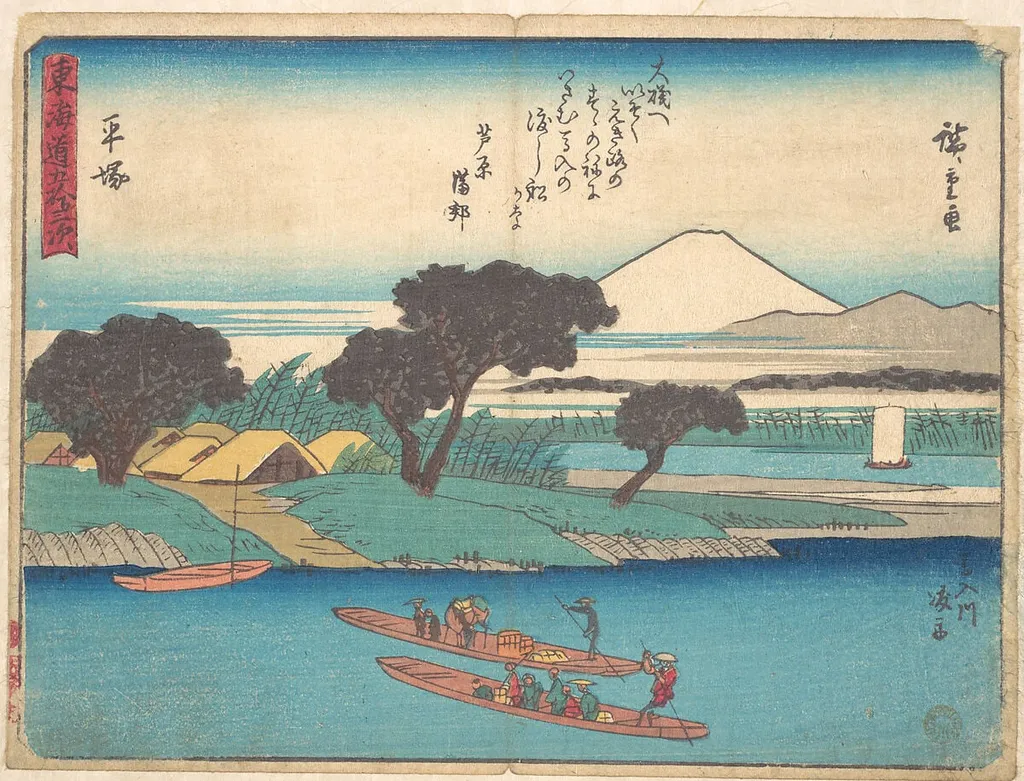
東海道五十三次 平塚|Hiratsuka is an ink print by the Romanticist artist Utagawa Hiroshige. It dates from 1838 and is held in the collection of the Metropolitan Museum of Art.
About this work
Overview
Created around 1838 by Utagawa Hiroshige, this woodblock print is one of fifty-three scenes in the series *The Fifty-three Stations of the Tōkaidō*.
Created around 1838 by Utagawa Hiroshige, this woodblock print is one of fifty-three scenes in the series *The Fifty-three Stations of the Tōkaidō*. It depicts Hiratsuka, a resting point along the major road linking Edo and Kyoto. Unlike many ukiyo-e works centered on city life, this piece focuses on the quiet rhythms of travel and landscape, reflecting a shift in artistic interest toward the natural world and the journey itself.
Subject & Meaning
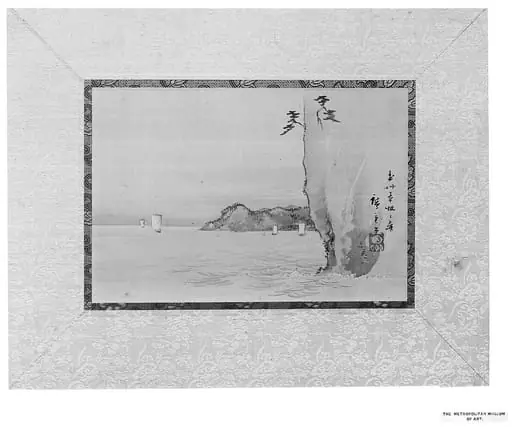
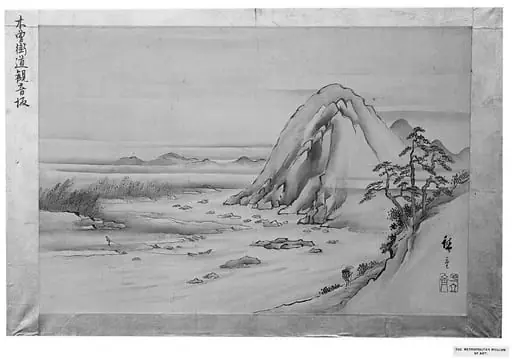
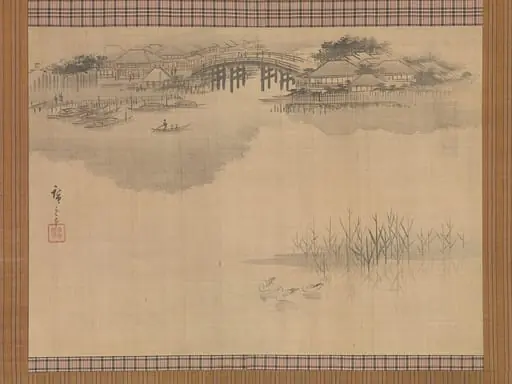
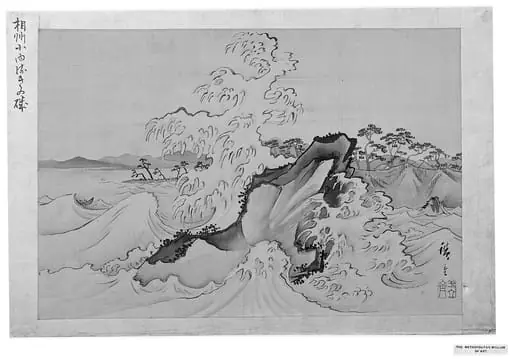
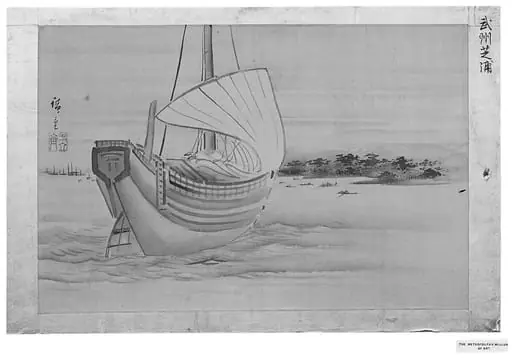
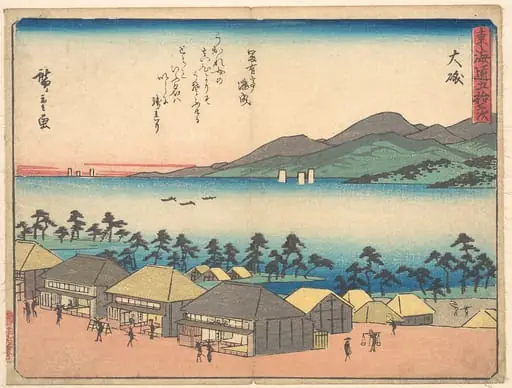
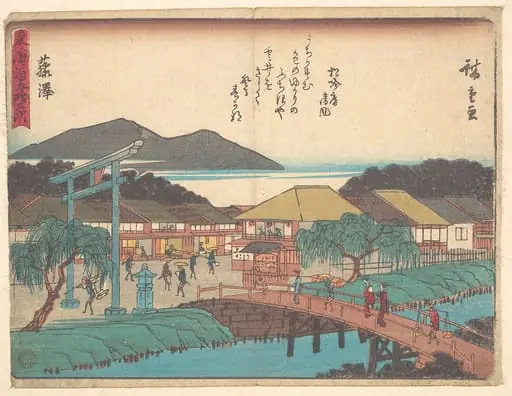
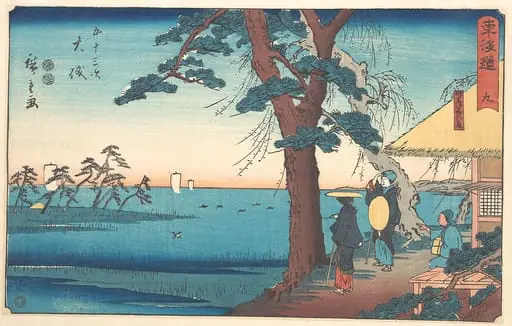
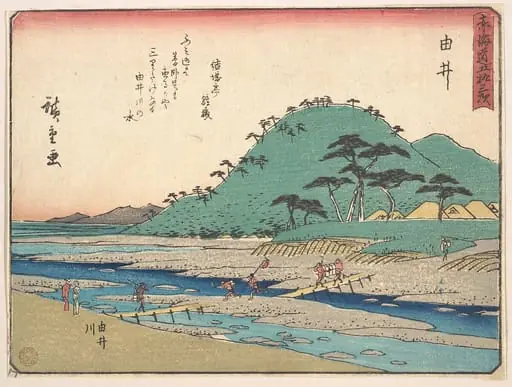
The scene captures a tranquil riverside at Hiratsuka, where a long, low boat glides across the water, carrying travelers. Thatched-roof dwellings line the shore, and distant mountains rise behind flat fields and a narrow bridge. The composition conveys stillness and passage, suggesting the meditative pace of travel. The inclusion of Japanese text identifies the location and adds cultural context, grounding the image in its real-world function as a waypoint on a well-trodden route.
Technique & Style
Hiroshige employed the traditional ukiyo-e woodblock method, using bold outlines and flat areas of color to define forms with clarity. The palette is restrained, emphasizing natural tones of green, gray, and earth. Atmospheric perspective is suggested through subtle gradations in the distant mountains, while the horizontal layout mirrors the flow of the river and the road. The technique prioritizes readability and calm composition over dramatic detail, aligning with the quiet mood of the scene.
History & Provenance
The print was produced during the late Edo period, when demand for travel-related imagery grew among the urban middle class. As part of Hiroshige’s widely circulated series, it was likely printed in multiple editions and sold as souvenirs to pilgrims and merchants traveling the Tōkaidō. Its survival in collections today reflects its popularity and the durability of the woodblock printing process in early 19th-century Japan.
Context
The Tōkaidō was Japan’s most important highway, used by daimyō, officials, and commoners alike. Hiroshige’s series documented each station with geographic accuracy and emotional nuance, transforming functional waypoints into poetic moments. This print reflects a broader cultural interest in travel, pilgrimage, and the changing seasons—themes that resonated with audiences familiar with the route’s rhythms and landmarks.
Legacy
Hiroshige’s *Tōkaidō* series influenced later generations of artists, both in Japan and abroad, particularly in the development of landscape printmaking. Its emphasis on everyday scenes and natural atmosphere helped redefine ukiyo-e beyond portraiture and theater. The quiet dignity of works like this one contributed to the global appreciation of Japanese print aesthetics in the 19th and 20th centuries.
Artist & collection
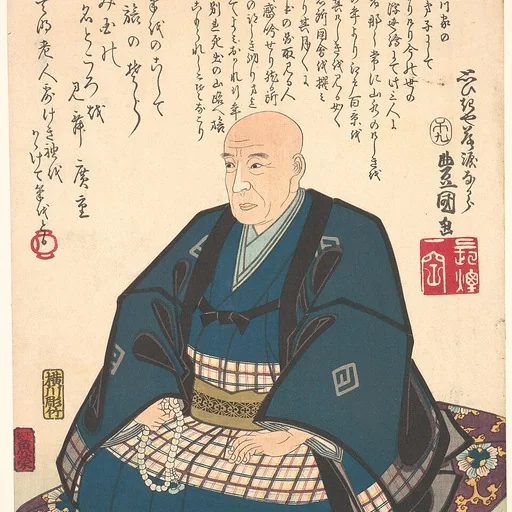
Artist
Utagawa Hiroshige (歌川 広重) or Andō Hiroshige (安藤 広重), born Andō Tokutarō (安藤 徳太郎; 1797 – 12 October 1858), was a Japanese ukiyo-e artist, considered the last great master of that tradition.