Artwork
歌川広重画 東海道 十四 五十三次 原|Hara, Number 14, from the series Fifty-Three Stations of the Tōkaidō Road (Tōkaidō gojūsan tsugi), also known as the Clerical Script Tōkaidō (Reisho Tōkaidō)
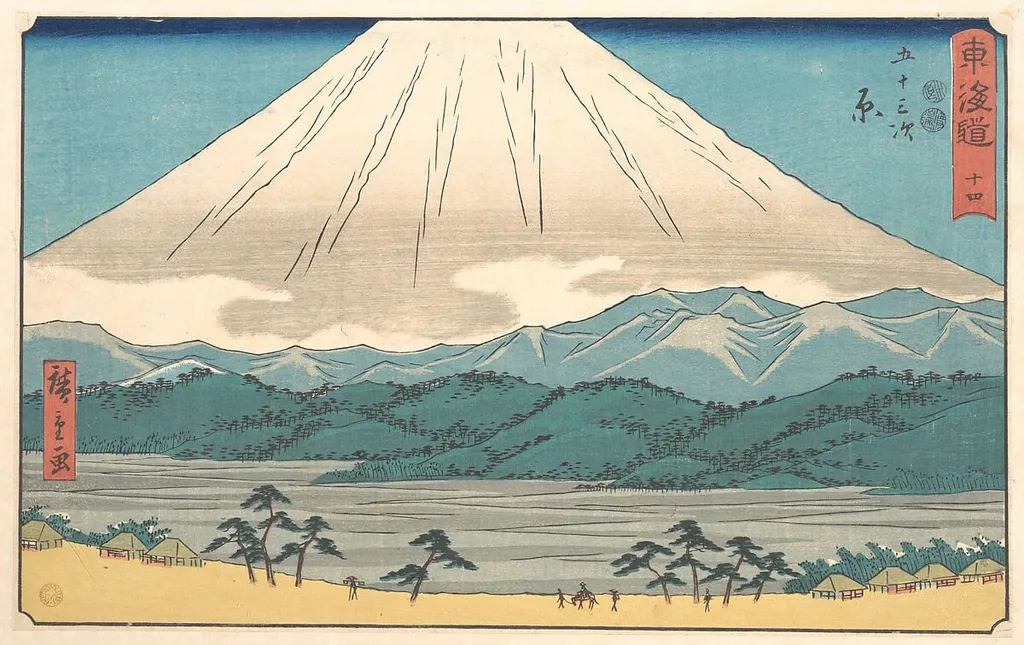
歌川広重画 東海道 十四 五十三次 原|Hara, Number 14, from the series Fifty-Three Stations of the Tōkaidō Road (Tōkaidō gojūsan tsugi), also known as the Clerical Script Tōkaidō (Reisho Tōkaidō) is an ink print by the Romanticist artist Utagawa Hiroshige. It dates from 1850 and is held in the collection of the Metropolitan Museum of Art.
About this work
Overview
Utagawa Hiroshige’s woodblock print titled *Hara* (number 14) belongs to his celebrated series *Fifty‑Three Stations of the Tōkaidō Road*, produced in 1850. The image records a single post station along the historic coastal artery that linked Edo (now Tokyo) with Kyoto, offering a snapshot of the landscape that travelers would have encountered during the late Edo period.
Subject & Meaning
The composition centers on a towering, snow‑capped peak that dominates the sky, its sharp ridges rendered as stark, rain‑like strokes.
The composition centers on a towering, snow‑capped peak that dominates the sky, its sharp ridges rendered as stark, rain‑like strokes. Beneath the mountain a broad, level plain spreads out, dotted with modest trees and cultivated fields. A narrow road winds across the lower edge, populated by a few diminutive figures and bordered by a low fence, suggesting the routine passage of wayfarers along the route.
Technique & Style
Executed as a traditional ukiyo‑e woodblock print, Hiroshige employs a restrained palette of blues, whites, and earth tones. The artist’s hallmark lies in the use of bold, simplified lines to delineate the mountain’s form, while flat color areas convey atmospheric depth. The print’s visual economy reflects Hiroshige’s shift from the genre’s typical urban subjects toward expansive, lyrical landscapes.
History & Provenance
Created in 1850, the print is part of a series that circulated widely in Edo‑period Japan, serving both as travel literature and decorative art. Original impressions were produced by multiple publishers, and surviving copies are now held in several museum collections worldwide, illustrating the enduring appeal of Hiroshige’s depiction of the Tōkaidō corridor.
Artist & collection
Artist
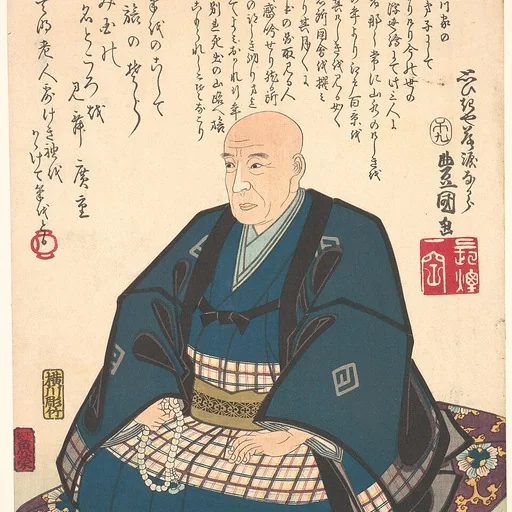
Utagawa Hiroshige (歌川 広重) or Andō Hiroshige (安藤 広重), born Andō Tokutarō (安藤 徳太郎; 1797 – 12 October 1858), was a Japanese ukiyo-e artist, considered the last great master of that tradition.

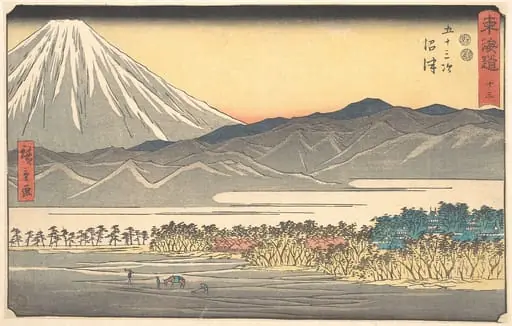 東海道五十三次 沼津|Numazu
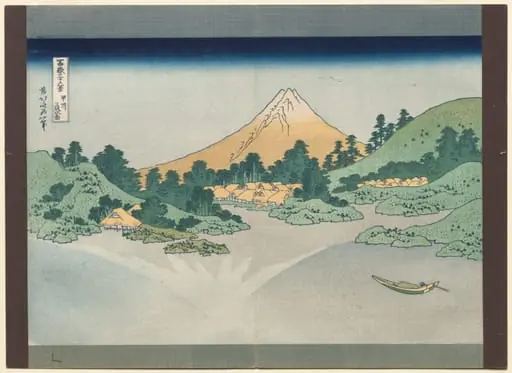 Thirty-Six Views of Mt. Fuji: The Surface of Lake Misaka in Kai Province
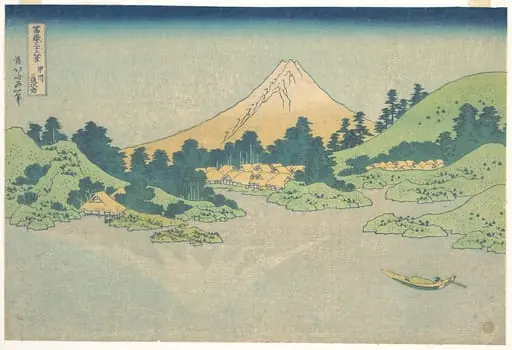 冨嶽三十六景 甲州三坂水面|Reflection in Lake at Misaka in Kai Province (Kōshū Misaka suimen), from the series Thirty-six Views of Mount Fuji (Fugaku sanjūrokkei)
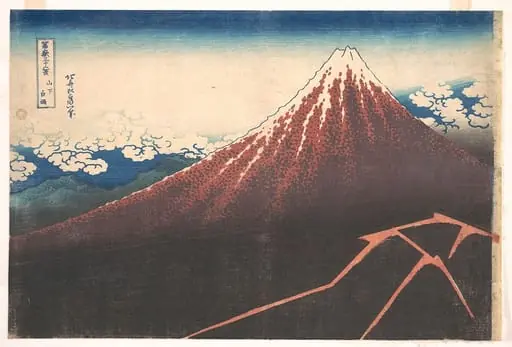 冨嶽三十六景 山下白雨|Storm below Mount Fuji (Sanka no haku u), from the series Thirty-six Views of Mount Fuji (Fugaku sanjūrokkei)
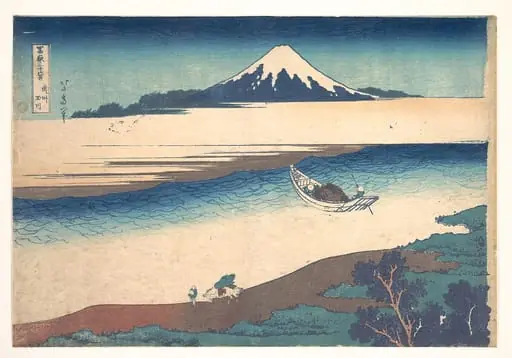 冨嶽三十六景 武州玉川|Tama River in Musashi Province (Bushū Tamagawa), from the series Thirty-six Views of Mount Fuji (Fugaku sanjūrokkei)
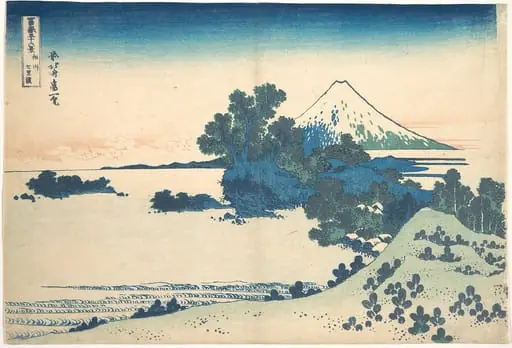 冨嶽三十六景 相州七里浜|Shichirigahama in Sagami Province (Sōshū Shichirigahama), from the series Thirty-six Views of Mount Fuji (Fugaku sanjūrokkei)
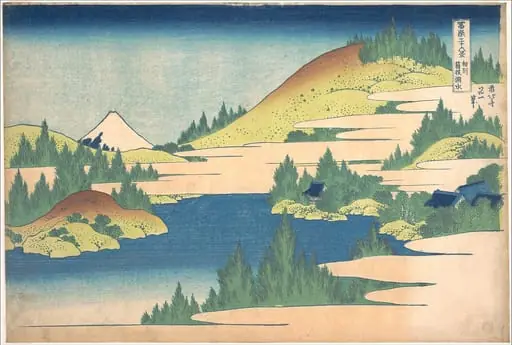 冨嶽三十六景 相州箱根湖水|The Lake at Hakone in Sagami Province (Sōshū Hakone kosui), from the series Thirty-six Views of Mount Fuji (Fugaku sanjūrokkei)