Artwork
浪花名所図会 今宮 十日恵比寿|Imamiya Toka Ebisu
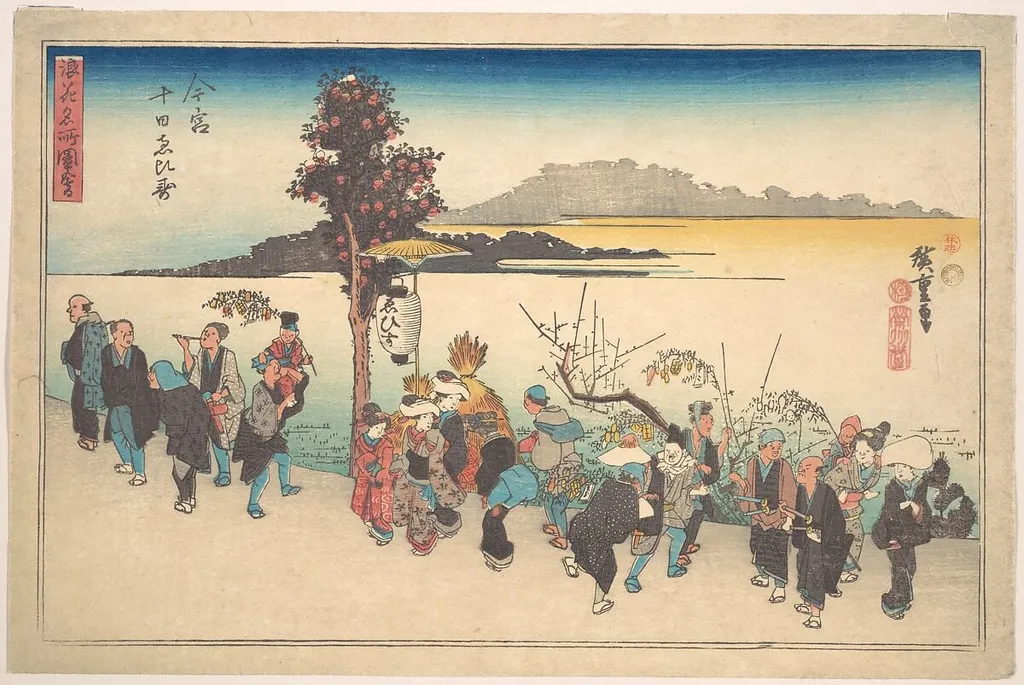
浪花名所図会 今宮 十日恵比寿|Imamiya Toka Ebisu is an ink print by the Romanticist artist Utagawa Hiroshige. It dates from 1828 and is held in the collection of the Metropolitan Museum of Art.
About this work
Overview
Rendered in ink and color on paper, the work captures a moment during the annual Toka Ebisu festival, a local celebration honoring the god of fortune.
Created around 1828 by Utagawa Hiroshige, this woodblock print is part of the series *Imamiya Meisho Zue*, which documents notable sites in the Imamiya district of Osaka. Rendered in ink and color on paper, the work captures a moment during the annual Toka Ebisu festival, a local celebration honoring the god of fortune. Unlike many ukiyo-e prints of the time, it centers on a public ritual rather than urban entertainers or idealized beauty.
Subject & Meaning
The scene portrays the bustling atmosphere of the Toka Ebisu festival, where worshippers gather to pray for prosperity. Figures move through the street carrying offerings, wearing varied hats and garments that reflect their social roles. A large tree with red fruit and a hanging lantern anchor the composition, symbolizing abundance and guidance. The quiet presence of distant hills and a river suggests harmony between human activity and the natural landscape.
Technique & Style
Hiroshige employed fine linework and restrained color palettes to convey depth and movement. Layers of transparent washes create atmospheric perspective, with the sky fading softly into blue behind the hills. Details—such as individual hats, tools, and fabric folds—are rendered with precision, inviting close observation. The composition balances crowded foreground activity with open, muted backgrounds, a hallmark of his landscape-oriented approach.
History & Provenance
The print was produced during Hiroshige’s early career, when he was refining his focus on place-based scenes. It was likely issued as part of a commercial series aimed at local patrons and travelers. The work entered the collection of The Metropolitan Museum of Art in the 20th century, where it remains as part of a broader assembly of Japanese prints documenting Edo-period daily life and seasonal customs.
Context
The Toka Ebisu festival, held on the 10th day of the first lunar month, was one of many local observances that gained popularity in urban centers during the Edo period. As commercial activity expanded, so did interest in prints depicting regional festivals and landmarks. Hiroshige’s series responded to this trend, offering viewers a visual guide to places they might visit or remember, blending topography with cultural ritual.
Legacy
This print exemplifies Hiroshige’s contribution to shifting ukiyo-e from portraits of pleasure quarters to depictions of everyday life and geography. His attention to specific locales and seasonal events influenced later artists and Western printmakers alike. Though modest in scale, the work endures as a quiet record of communal ritual, preserving the rhythms of Edo-period Osaka through careful observation rather than dramatic flourish.
Artist & collection
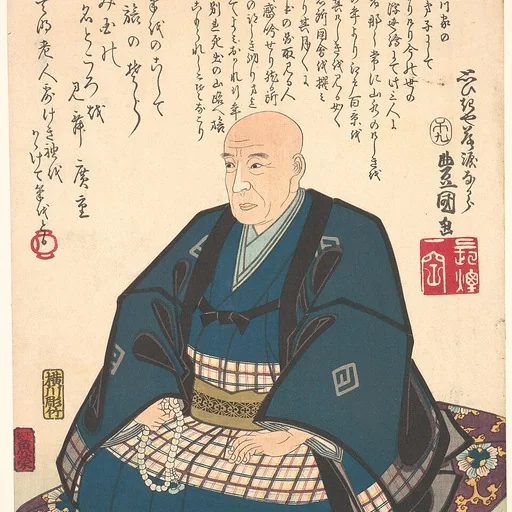
Artist
Utagawa Hiroshige (歌川 広重) or Andō Hiroshige (安藤 広重), born Andō Tokutarō (安藤 徳太郎; 1797 – 12 October 1858), was a Japanese ukiyo-e artist, considered the last great master of that tradition.

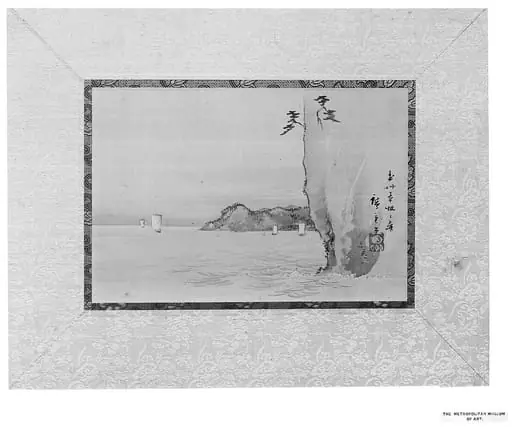
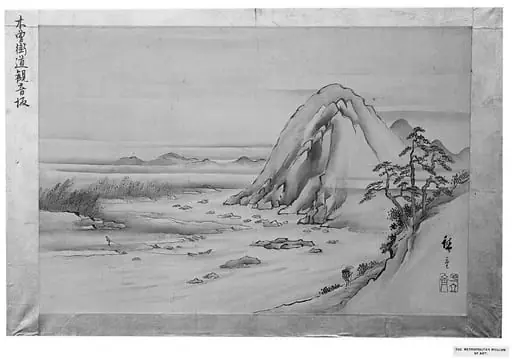
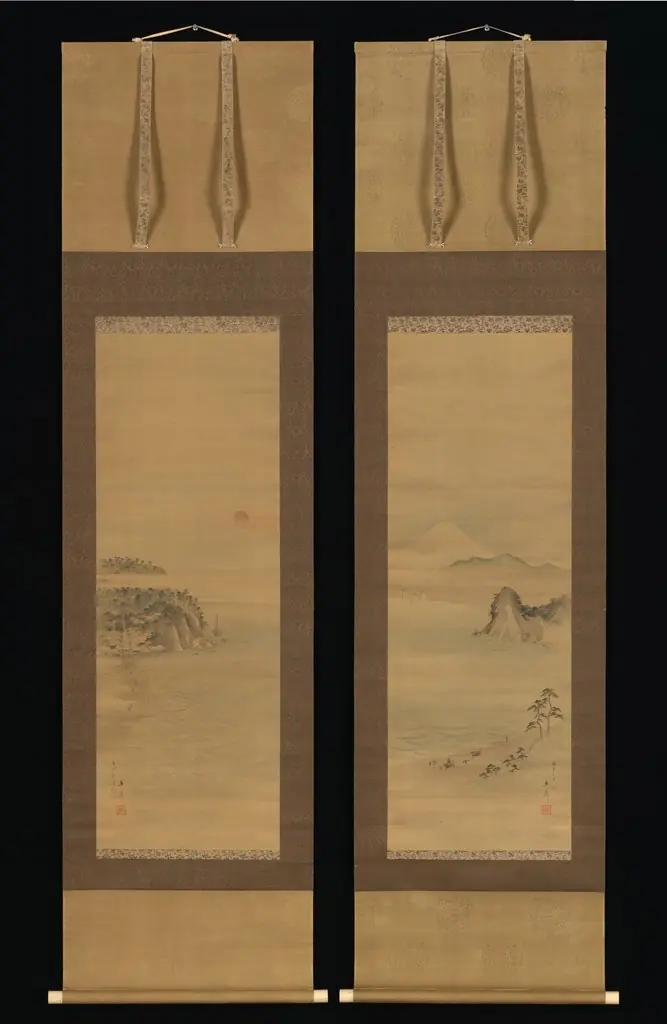
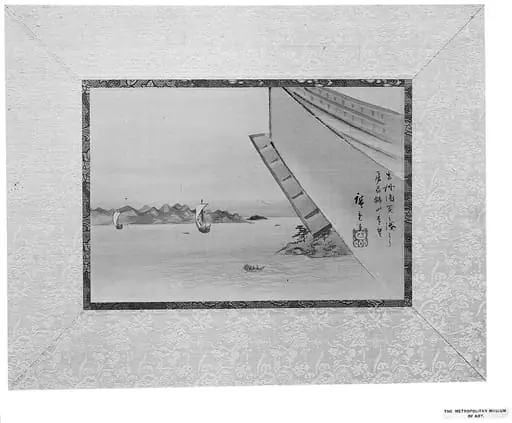
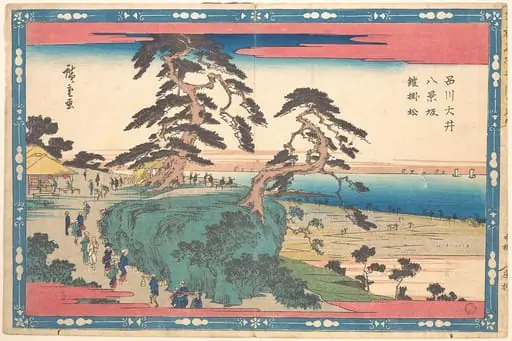 東都名所 品川大井 八景坂鎧掛松|Shinagawa Hakkei Zaka
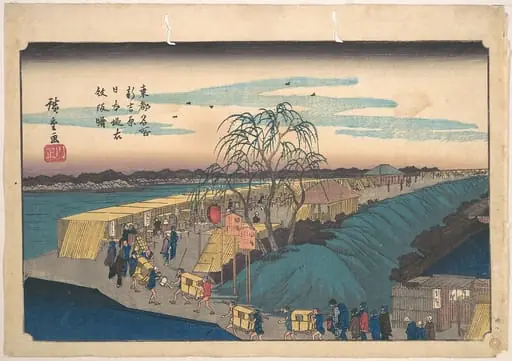 東都名所 新吉原日本堤衣紋坂曙|Shin Yoshiwara Nihon Tsutsumi Emonzaka Akatsuki
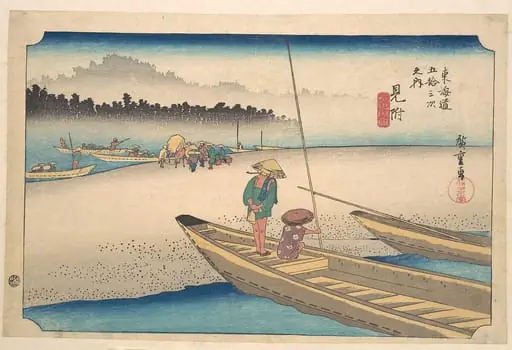 東海道五十三次 見附 天竜川|Mitsukei Tenryugawa
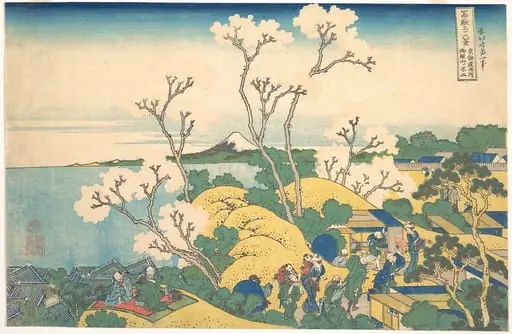 冨嶽三十六景 東海道品川御殿山の不二|Fuji from Gotenyama at Shinagawa on the Tōkaidō (Tōkaidō Shinagawa Gotenyama no Fuji), from the series Thirty-six Views of Mount Fuji (Fugaku sanjūrokkei)
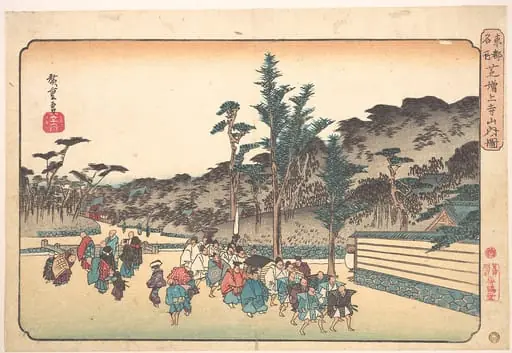 東都名所 芝増上寺山内の図|Shiba Zōjōji Sannai no Zu